


“Success in agri-business incubation is not just about providing infrastructure and funding. It requires rigorous screening, world-class mentoring, comprehensive support systems, and most importantly, a leadership team committed to working beyond conventional hours with unwavering dedication to transforming ideas into reality.”
– K P Sudheer
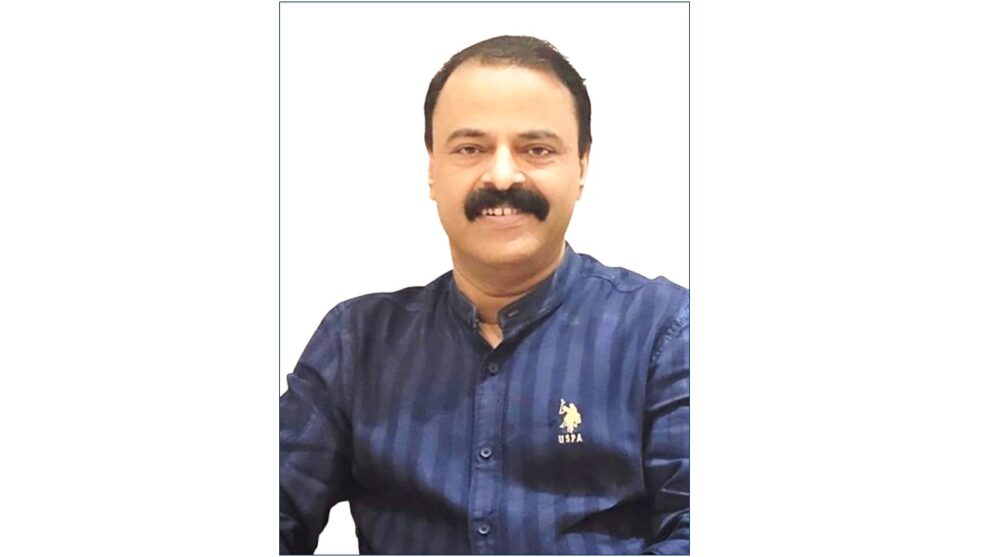
Dr K. P. Sudheer is the Head of the RAFTAAR Agribusiness Incubator (ABI) and the Coordinator of the Centre of Excellence in Post-Harvest Technology at the Kerala Agricultural University (KAU), Thrissur, Kerala. He has over 10 years of experience in agribusiness incubation, primarily promoting agripreneurship in the food processing sector.
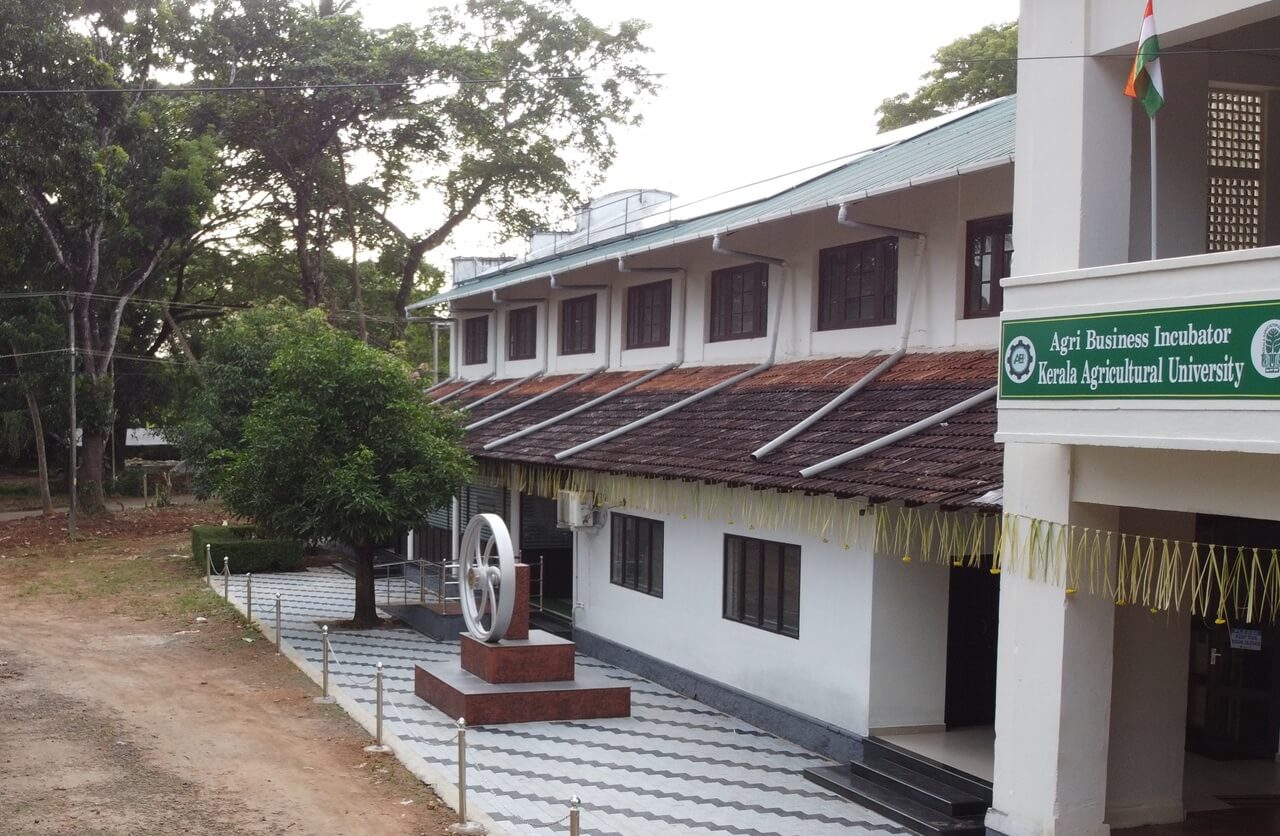
KAU-ABI stands as a beacon of agricultural entrepreneurship in India, from its inception in 2014 to becoming a model referenced by institutions nationwide. N. K. Basil met Dr Sudheer at the latter’s office. In this extensive conversation, Dr Sudheer discussed the evolution of KAU’s ABI, its training methodologies, success stories, challenges, and the vision that drives its success. The following are excerpts from their conversation.
THE BEGINNING: LAYING THE FOUNDATION
How did the Agri-Business Incubation Centre at KAU begin?
The journey began on April 1, 2014, when we established Kerala Agricultural University’s first Agri-Business Incubation Centre at the Agricultural Engineering College in Tavanur. The state government provided approximately four crore rupees in funding for this pioneering initiative. However, the centre’s story didn’t end there.
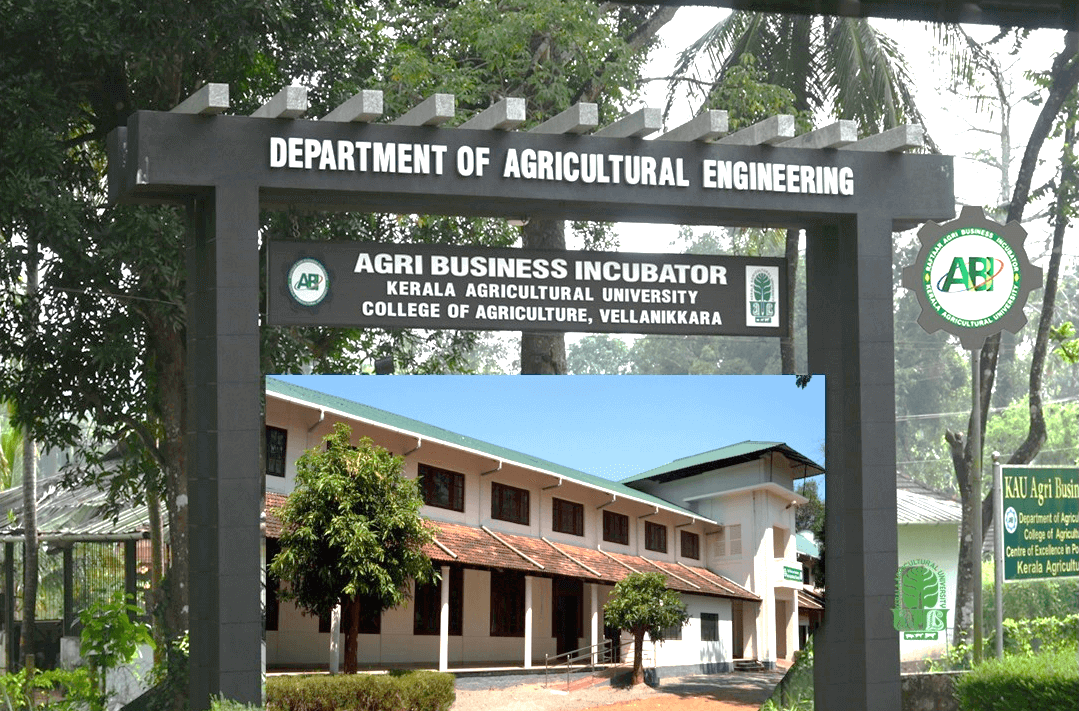
When I got transferred to the College of Agriculture in Thrissur in 2017, we essentially had to start from scratch. There was minimal infrastructure, no food processing machinery – nothing. We spent two years writing project proposals and establishing the necessary facilities. By 2018, we had successfully started the 1st RAFTAAR-ABI centre at the College of Agriculture in Vellanikkara, which became our primary operational hub. Though we take pride in Tavanur as our first centre, the work we’ve built at Vellanikkara represents the full realisation of our vision.
What about the other major initiatives?
The Common Incubation Facility received support from the Ministry of Food Processing Industries with a grant of INR 275 Lakhs (0.33 million USD). Though it became operational in 2023, the official inauguration was held in August 2024. We’ve been systematically acquiring equipment and machinery, and the facility now operates under a third-party MOU.
The Centre of Excellence, established on April 1, 2014, with funding from the Kerala Government, initially operated across four campuses: the Main Campus at Trichur, Tavanur, Vellanikkara, and Padannakkad. After my transfer, Vellanikkara became the lead centre.
Our PG Diploma in “Food Industry Management and Quality Control”, launched in 2024, has been remarkably successful. We’ve completed two batches with 100% placement rates, and the third batch is currently underway. This program’s unique advantage lies in its integration with our ABI operations – it’s a win-win situation where students work on real industry projects with companies such as Ponkathir Foods, Elanadu, Double Horse, Nouka Enterprise, Farm Stake Agro Processing and Milky Mist, which are hiring our graduates.
TRAINING EXCELLENCE: BUILDING CAPABLE ENTREPRENEURS
Your training programs are pretty extensive. Can you walk us through them?
From 2019 to 2024, we’ve conducted more than 275 training programs across various durations, training over 7,500 participants. It took us two years – from 2017 to 2019 – to establish our facilities before we could begin these programs. The delay was necessary to acquire the required food-processing machinery and to establish our infrastructure.
Let me be very clear about something important: when I say ‘training,’ I don’t mean traditional classroom lectures where information flows in one direction. Our training is intensive, practical, and multidimensional.
What exactly is covered in the one-and-a-half-month comprehensive program?
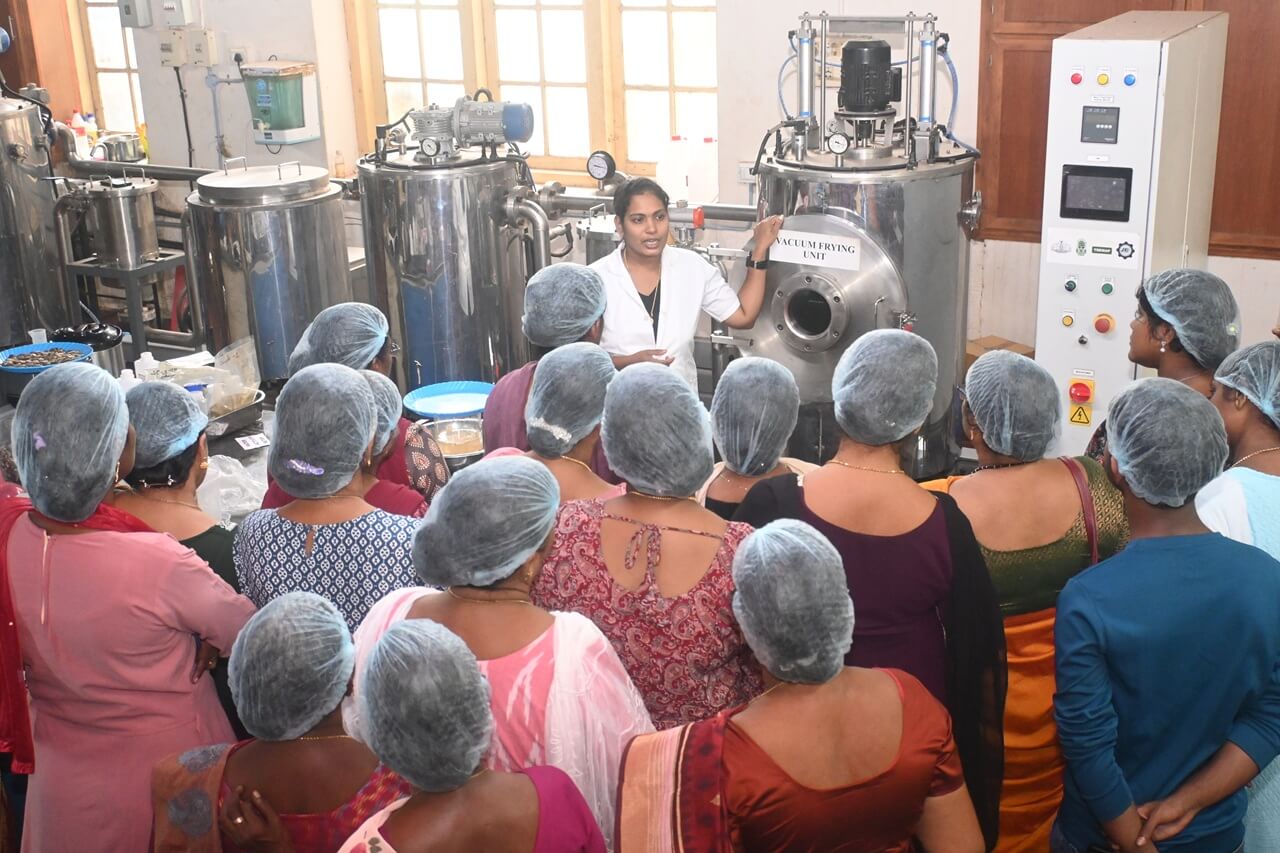
The 1.5-month Agripreneurship Development program is our flagship offering. It is designed for aspiring entrepreneurs who will receive the INR 25 Lakhs (30,000 USD) grant. This isn’t a passive learning experience – it’s transformative. We cover:
- Innovation and Technology: How to develop innovative technologies for different agricultural sectors, with experts covering everything from entomology to biotechnology to IoT and robotics.
- Business Fundamentals: Business canvas modelling, design thinking, financial management, and accounting principles.
- Marketing Mastery: Digital marketing strategies, branding techniques, and traditional marketing approaches.
- Communication and Pitching: Developing communication skills and learning techniques for pitching to investors.
- Legal and IPR: Trademark registration, patenting processes, and IP protection strategies.
- Market Strategy: Go-to-market strategies, key partner selection, customer retention, and channel development.
- Food Safety and Licensing: Maintaining food safety in industrial settings and navigating licensing requirements.
- Scaling Up Business: Strategic guidance on business expansion, growth planning, and unit economics.
- Financials & Funding: Support in budgeting, financial forecasting, cash-flow management, and access to funding options such as bank finance, government schemes, grants, angel investors, and early-stage investments.
What sets our program apart is its strong focus on real-world learning. We invite successful entrepreneurs and those who have experienced failure, offering participants practical insights from both. This balanced perspective helps participants understand the realities of business beyond the glamour.
What other training formats do you offer?
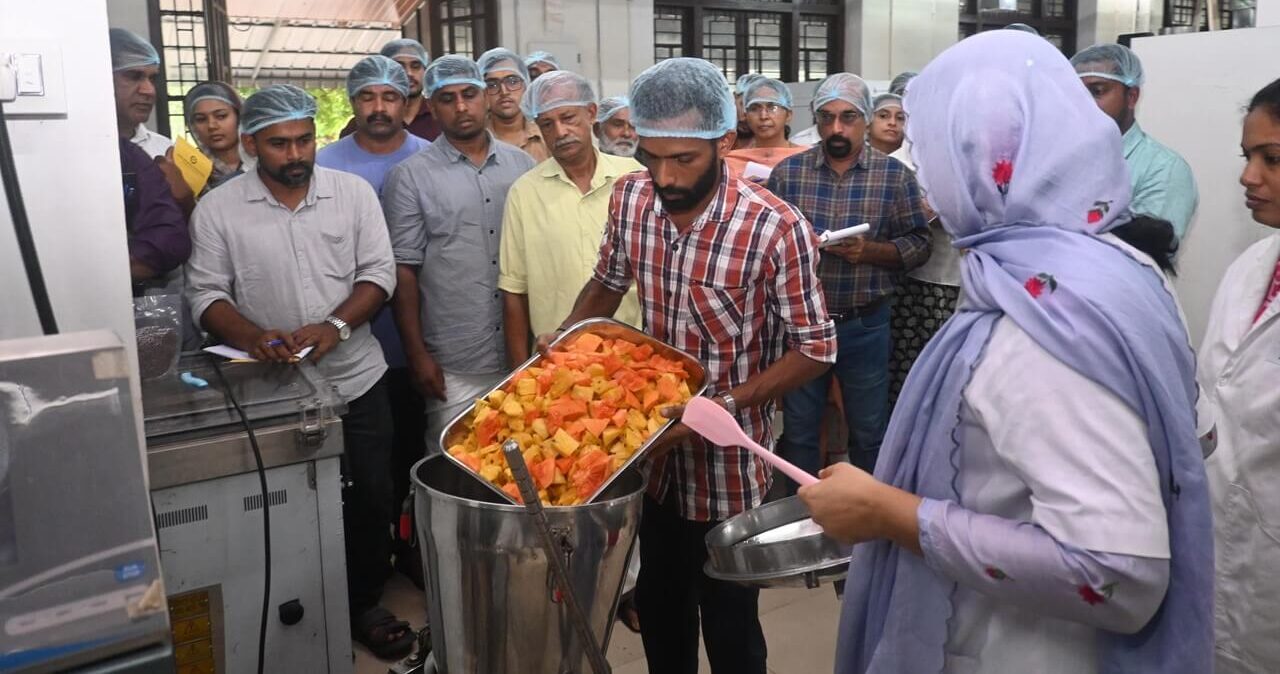
We offer completely customised training. For commodity-specific needs, we conduct programs lasting five to ten days. For instance, if someone wants to learn coconut processing from A to Z, we design a program covering everything from raw material sourcing to finished-product packaging.
We also run one-month programs and short-term courses ranging from one to three days. These focus on specific areas such as product development, packaging, entrepreneurship skills, or food safety protocols. Everything is tailored to what participants actually need to learn. Of our 275 programs, approximately 10 were two months in duration and about 4 were one month in duration, with the majority focused on one- to three-day sessions.
The quality of trainers must be crucial. Who teaches these programs?
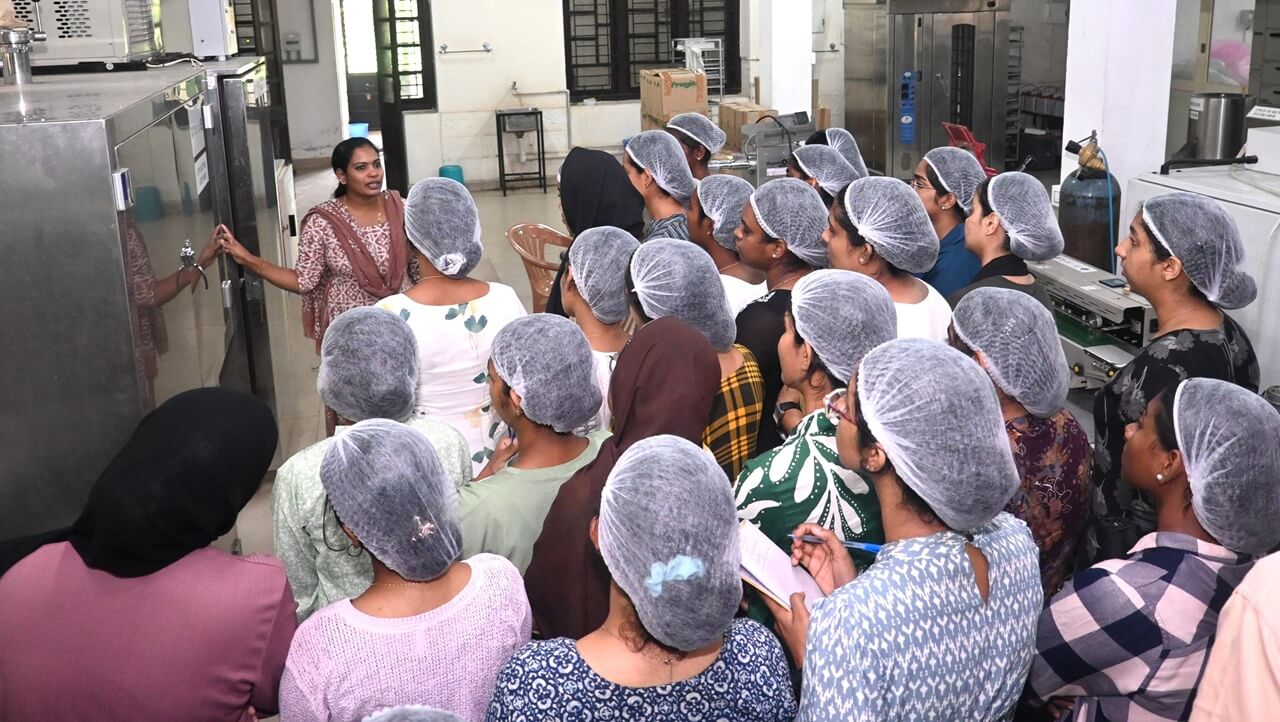
This is an area I am particularly proud of. We maintain exceptionally high academic and professional standards by engaging experts from India’s premier institutions. Our programmes feature external experts from IIM Kozhikode, IIT Kanpur, IISER Pune, IIIT Kottayam, MANAGE Hyderabad, NAARM Hyderabad, NIFTEM–Thanjavur, NIFTEM–Kundli, CSIR institutes such as NIIST and CFTRI, and ICAR institutes including CIAE Bhopal, CPCRI, CTCRI, and CIFT. In addition, experts from the Kerala Startup Mission, Digital University Kerala, KSCSTE, the banking sector, and successful industry enterprises actively contribute. Each topic is delivered by a specialist with proven expertise in the respective domain, complemented by experienced faculty members of Kerala Agricultural University.
SUCCESS STORIES AND RIGOROUS SELECTION
You’ve facilitated 282 startups. What’s your success rate?
Our success rate is exceptional, and it stems directly from our rigorous screening process. Out of 282 startups, only four to five have discontinued, and remarkably, none failed due to business inadequacies. Two entrepreneurs received government jobs through the Public Service Commission (PSC) and had to withdraw due to the scheme’s regulations. One migrated to the Gulf for employment, and one faced land conversion issues for industrial use.
This success rate isn’t accidental. We receive approximately 500 applications annually, and rigorous screening rounds select about 40 for a one-month training program. The most promising and competent candidate from this group is recommended for funding.
Our selection committee includes expert representatives from Digital University, Kerala Startup Mission, NABARD, MANAGE Hyderabad, IIT Kanpur, the Agriculture Department, and industry experts, who ensure the business will benefit Kerala’s farming community. This comprehensive evaluation by top-tier experts helps us avoid many potential problems.
Can you share some notable success stories?
We have success stories across multiple sectors. Let me share a few that exemplify different aspects of agricultural entrepreneurship:
- Sustainable Solutions: Sunbird Straws -producing straws from coconut palm fronds, converting agricultural waste into valuableproducts from Brown Reed Agri Waste Innovations Private Limited- A startup founded by Dr Saji Varghese.
- Value-Added Coconut Products: Nata Nutrico, a Kannur-based enterprise producing juice and other products from tender coconut water and Nata de coco.
- Edible Tableware: Tooshan – A startup founded by Vinayakumar Balakrishnan and Indira – creating edible plates from rice bran, demonstrating our commitment to sustainability.
- Plant-Based Proteins: Greenmeat -Troppy foods, Greenovative Foods – Startups developing meat alternatives using jackfruit and other plant proteins, opening new markets in the plant-based food sector.
- Speciality Products: Manas Madhu’s ‘Beyond Snacks’ from Dr Jackfruit India Private Limited – variety banana chips that secured funding in Shark Tank, demonstrating our startups’ ability to compete at national levels.
INFRASTRUCTURE AND FINANCIAL SUSTAINABILITY
How do you manage to sustain operations financially?
This is crucial. We operate on a revolving fund model, making us financially sustainable without depending on continuous external funding. For any system to run long-term, initial project funding is just the beginning – you must develop mechanisms to sustain operations. We’ve created multiple revenue streams:
- Training Program Fees: For 18-20 member groups, we charge INR 23,000 (275 USD) as training fees. This is one of our primary revenue sources.
- One-Month Programs: We conduct these regularly and charge accordingly.
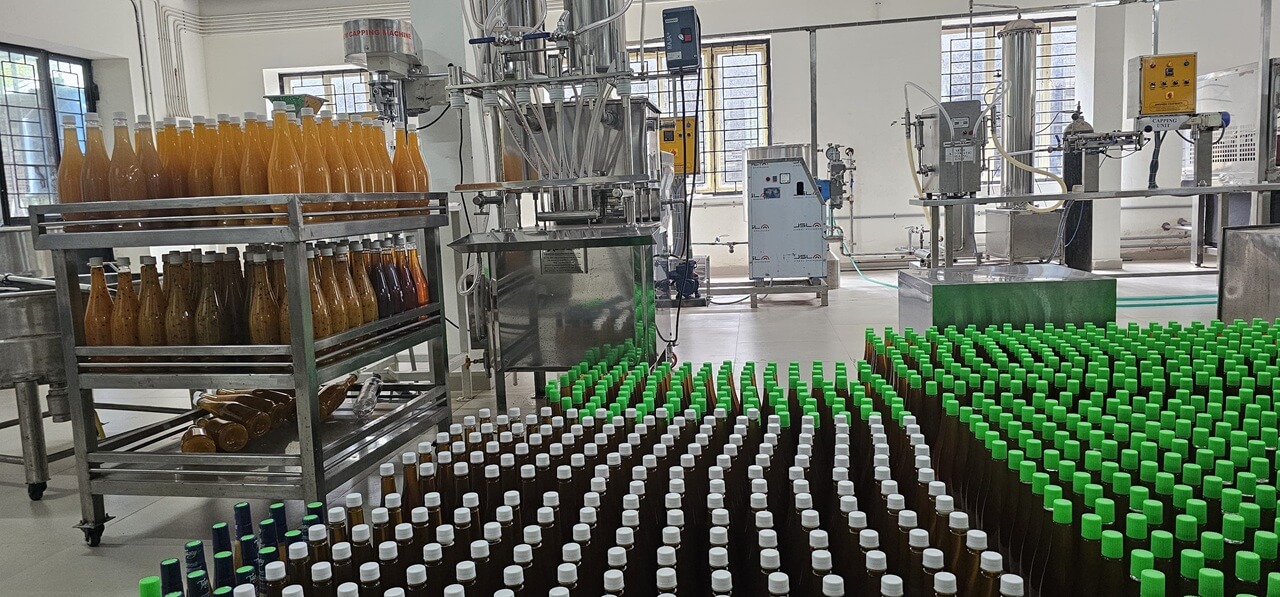
- Common Incubation Facility/ Equipment Rental: When entrepreneurs come to produce 500 or 1,000 bottles of juice, they pay rent for operating our processing lines plus a share of electricity costs.
- Quality Analysis Services: We charge for quality analysis using our high-tech equipment for students, research scholars, or faculty from different divisions. Some join long-term research programs lasting six months, and we charge based on their equipment usage.
- Product Refinement Services: We charge for product standardisationand refinement.
- Technology Transfer Fees: When we transfer our technologies to entrepreneurs, we receive appropriate fees.
- Incubation Space Rental: We rent our ordinaryincubation facility cubicles for INR 3,900 (47 USD) per month.
- PG Diploma Program Fees: Our PG Diploma in Food Industry Management and Quality Control generates regular income.
Through these revenue streams, we’ve achieved true sustainability. We no longer depend on external funding and can stand on our own feet. The income generated is sufficient to cover our operational costs, staff salaries, and equipment maintenance.
BEYOND INCUBATION: ENSURING LONG-TERM SUCCESS
What support do you provide after the initial incubation period?
Post-incubation support is critical for sustainability. We help startups access the next level of funding through several mechanisms:
- The Agriculture Infrastructure Fund: We assist startups in accessing loans up to INR 20 Million (240,000 USD) at 6% interest rate. This fund explicitly supports the development of agricultural infrastructure.
- KERA Project (World Bank-funded): This is particularly innovative. We facilitate grants up to INR 20 Million (240,000 USD) for industry-FPO linkages. The unique aspect is that both an FPO and an industry must partner together. The grant goes into a common account, ensuring industries receive high-quality raw materials from FPOs while FPOs receive funding to improve production quality. This creates genuine mutual benefits. Recently, I attended a productive alliance workshop in Ernakulam showcasing this model.
- TiEcon (Festival of Enterprises): We organiseevents where investors meet our startups. Several ventures have received equity funding through these connections. It has become an essentialplatform for next-level financing.
- Kerala Startup Mission: We actively promote our startups to the Kerala Startup Mission for additional equity grants and support. Their funding typically comes after our initial support or in parallel.
- National Platforms: We help startups participate in Shark Tank and other national competitions. As mentioned earlier, Manas Madhu’s and Sreeshankar S Nair’s success on Shark Tank and Sunbird straws by Saji Varghese, supported by Mumbai Angels, demonstrate our startups’ ability to compete nationally.
Since we train FPO groups at our centre, we naturally link them with our startup industries for the KERA Project grants. This integrated approach ensures startups don’t just survive post-incubation but actually thrive and scale.
DRONE TECHNOLOGY: THE FUTURE OF PRECISION AGRICULTURE
Tell us about your drone training program.
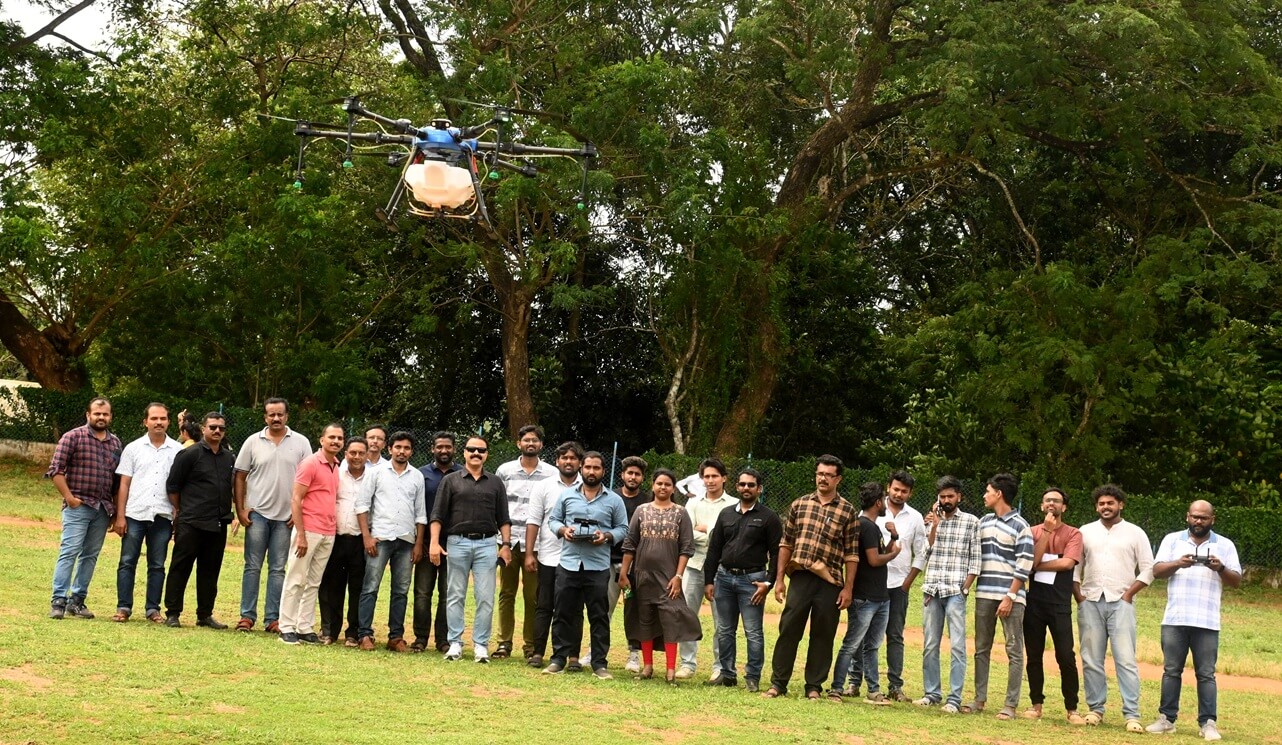
We received complete DGCA approval for drone training two months ago. We’ve completed 5 batches, each accommodating 10 participants.
Our fee structure is highly competitive: INR 25,000 (300 USD) for students, INR 30,000 (332 USD) for FPO members, and INR 40,000 (443 USD) for the general public. Compared to the enormous fees charged by other agencies for similar training, ours is economically feasible to stakeholders. In addition to this special discount, financially eligible FPO members are also provided.
What sets us apart is agriculture-specific training. Other institutions lack agricultural expertise. We include specialised classes by entomology experts on pest management applications, and by pharmaceutical experts on proper chemical mixing ratios and application timing. Non-agricultural institutions cannot teach this agriculture-specific knowledge. Our participants leave not just with a drone license but with a deep understanding of agricultural applications – knowing what chemicals to use, in what ratios, when to spray for different crops, and how to interpret agrarian needs. This makes our program distinctly valuable for agricultural drone operations.
EXTENSION ACTIVITIES: BRIDGING THE GAP
How are you extending ABI services to reach a wider audience?
Reaching our target audience has been both challenging and rewarding. We’ve taken multiple approaches to create awareness about our facilities and opportunities.
I personally conduct classes at related Instruction Centres under Kerala’s Industrial Training Department, various NGOs, and SAMETI (State Agricultural Management and Extension Training Institute). We’ve arranged training programs at Krishi Vigyan Kendras (KVKs) focused on ABI activities, opportunities, and scope. We also contribute articles to every issue of KAU’s Malayalam farm magazine, Kalpadhenu. These traditional extension methods work, but they’re not enough to reach a larger audience.
Recently, at the productive alliance workshop in Ernakulam, I discovered that only 30% of participants were aware of ABI’s functioning and activities. This was eye-opening – it showed that, despite our efforts, we haven’t reached the number of people we need to.
Here’s an interesting observation: our methodologies reach farmers effectively, but we’re still failing to get the industrial segment adequately. However, our clients aren’t restricted to Kerala – we have participants from across India, including Odisha, Assam, Chennai, and Maharashtra. They find us through social media and online platforms.
How has social media helped in extending your reach?
Social media has been transformative. I have almost 12,000 followers on LinkedIn, where I regularly post about our incubation centre’s activities. This is how many people discover our opportunities and services. Similarly, our food processing group on Facebook has 45,000 followers.
Posting on these platforms helps us maintain all-India coverage and keeps attention on our activities, functioning, and success stories. However, there’s a challenge: these platforms don’t necessarily reach farmers, as most may not have Facebook or an active social media presence. Even the younger generation might not see our content, as they’re more active on Instagram than on Facebook. Apart from this, our regular activities are also promoted through our 25 WhatsApp groups, each with around 900 members.
We’re trying to get more active on Instagram now, but honestly, we’re still learning to connect with the ‘vibe’ of that platform. It’s different from LinkedIn’s professional atmosphere or Facebook’s community feel. But we’re doing our best to adapt and reach younger audiences where they actually are.
What role can KVKs and extension services play?
KVKs can easily transform into agribusiness incubation centres if they create the necessary infrastructure. Almost nine standard incubation facilities will be introduced in Kerala, utilising available space from the Department of Agriculture and collaborating with KVKs through the KERA programme. The key challenge for extension services – whether KVKs, NGOs, or the Department of Agriculture – is to create awareness among the ordinary people about our facilities and support systems. Extension workers need to effectively communicate that when people have innovative ideas, there’s a systematic pathway and support structure available. They should identify potential agripreneurs in their areas and connect them with appropriate ABI support services. This is perhaps the most critical role extension can play in promoting agri-entrepreneurship.
BUILDING A STATEWIDE ECOSYSTEM
How is the incubation ecosystem distributed across Kerala?
We have startups from almost every district in Kerala. This geographic diversity is one of our unique advantages. Despite being a narrow state geographically, Kerala has incubation centres spread from Kasaragod to Thiruvananthapuram.
Kerala Agricultural University itself has four solid incubation centres: Vellanikkara, Tavanur, Vellayani and Padanakkad. Additionally, Kerala boasts well-established centres at four ICAR institutes, namely the Central Plantation Crops Research Institute (CPCRI), Central Tuber Crops Research Institute (CTCRI), Indian Institute of Spices Research (IISR), and Central Institute of Fisheries Technology (CIFT). Other incubation centres with which we partner include: CSIR-NIIST Thiruvananthapuram, NIT Calicut, strong KVK facilities in Kannur and Wayanad, IIIT’s Vision Centre in Kottayam, and Kerala Startup Mission’s three major centres in Thiruvananthapuram, Kochi, and Kozhikode.
In total, Kerala has approximately 15-16 state-of-the-art incubation centresdespite having only 14 districts. This density of quality infrastructure makes Kerala one of India’s strongest states for agricultural incubation. This ecosystem isn’t just about numbers – these centresactively collaborate, share knowledge, and collectively strengthen Kerala’s position in agri-entrepreneurship.
BREAKING NEW GROUND: THE EXPORT SUCCESS
Can you tell us about the landmark export achievement?
This is a story that perfectly illustrates what I mean when I say success isn’t just about technology or location – it’s about knowledge, wisdom, and marketing strategy.
Our Common Incubation Facility represents a significant investment and opportunity. Major Stakeholders in the field of banking and business management approached us about developing a project in this facility. After their assessment, they dropped the project, calculating that the risks were too high and that it would end in a loss rather than a profit. We could have been discouraged. We could have questioned our facility or our model.
But then came M/s. Nouka Enterprises. The same facility, the same infrastructure, the same support system. What was different? Nouka valued KAU’s brand, understood our operations, and trusted our commitment to transforming ideas into reality. They didn’t just see equipment and space – they saw partnership and expertise.
Today, M/s. Nouka Enterprises has successfully exported multiple consignments of value-added agri-food products from our KAU RAFTAAR Agribusiness Incubator to the United Arab Emirates. These products include a range of value-added fruits, vegetables, beverages, and dried fruits. This achievement marks a historic milestone – the first time a university-incubated startup exports to international markets.
Nouka’s success wasn’t the facility or the market opportunity. It was vision, commitment, and the willingness to execute with proper planning, homework, perseverance, and marketing strategy. This is what I mean when I say it’s not about people, place, product, or technology alone – it’s about the knowledge and wisdom to market that particular product effectively.
LEADERSHIP, COMMITMENT, AND SETTING BENCHMARKS
What does it take to run a successful ABI?
Let me be very frank about this. If the head of an agri-business incubator centre considers this a 9 AM to 5 PM job, the results we’ve achieved cannot happen.
What we’ve built here is the result of a working team and leadership committed to working far beyond usual working hours and standard working days – often working almost all holidays. The benchmark we’ve set came from steady hard work, unwavering commitment, and the understanding that entrepreneurship doesn’t follow office hours, so neither can entrepreneurship support.
Several university faculties have visited our Incubation Centre as a reference to set up their own. They come to study our structural organisation, functional workflows, and operational plans. We’ve had faculty from the IRRI South Asia Regional Centre (ISARC) campus in Varanasi, as well as from various other institutions, studying our ABI modalities. This recognition validates our approach, but more importantly, it shows that committed, passionate leadership can create models worth replicating.
CHALLENGES, OPPORTUNITIES, AND THE ROAD AHEAD
What are the significant challenges you face?
The biggest challenge remains reaching the right audience at scale. We’ve developed excellent programs, infrastructure, and support systems, but awareness is still limited. Only 20% awareness among participants at professional agricultural events tells us we have significant work ahead.
Sustainability is another ongoing challenge. While we’ve achieved financial sustainability through our revolving fund model, maintaining and upgrading high-tech equipment requires continuous investment. We’ve solved this through our diversified revenue model, but it requires constant attention and adaptation.
Balancing quality with scale is a perpetual challenge. We could easily expand numbers, but we maintain rigorous screening because quality matters more than quantity. Out of 500 applications, selecting only 5% means we say ‘no’ to many potentially good ideas. But this discipline ensures our exceptional success rate.
What opportunities do you see emerging?
The opportunities are immense across all segments. We have scope for any sector if we know how to execute ideas with proper action plans. Success requires more than just technology – it needs extensive homework, detailed planning, perseverance, willpower, marketing strategy, and analytical capacity.
Plant-based proteins, sustainable packaging, precision agriculture, waste-to-wealth initiatives, and innovativefarming technologies – every segment offers tremendous potential. The key is identifying where innovation can create real value for farmers and consumers while building viable businesses.
The export market has now opened up for us. Nouka’s success has shown that KAU-incubated products can compete internationally. This is just the beginning. Many more startups are exploring export opportunities, and we’re supporting them with the necessary quality standards, certifications, and market linkages.
What is your vision for the future?
We envision expanding our model across more locations while maintaining quality. The nine Common Facility Centreswe’re establishing will significantly enhance our reach. Each centre will serve as a hub for entrepreneurship in its region.
We want to strengthen our international connections. The UAE’s export success should be replicated in other markets. We’re working to establish systematic export channels so multiple startups can access global markets.
Technology integration is crucial. We’re developing more sophisticated support systems, improving our digital presence, and making our services more accessible to aspiring entrepreneurs wherever they are.
Most importantly, we want to inspire more institutions to adopt this comprehensive model. It’s not just about creating incubation centres– it’s about building complete ecosystems where innovation, mentorship, funding, market access, and continuous support come together seamlessly. That’s the future of agricultural entrepreneurship.
REFLECTIONS AND FINAL THOUGHTS
The journey of Kerala Agricultural University’s Agri-Business Incubation Centre from its 2014 inception to becoming a nationally recognised model represents more than institutional success – it demonstrates what’s possible when vision meets dedication. With 287 startups facilitated, an exceptional success rate, comprehensive training delivered by India’s finest experts, sustainable operations through innovative revenue models, and groundbreaking achievements such as international exports, the KAU ABI has set new benchmarks for agricultural entrepreneurship.
The model’s strength lies not in any single element but in the integration of rigorous screening, world-class mentoring, practical infrastructure, financial support, market linkages, and post-incubation assistance. The commitment to working beyond conventional hours, the willingness to learn and adapt, and the focus on outcomes over processes have created an ecosystem where agricultural innovations can truly flourish.
As institutions across India visit KAU to study and replicate this model, the broader impact becomes clear. This isn’t just about creating successful startups in Kerala – it’s about establishing a blueprint for how agricultural universities can catalyserural entrepreneurship, engage youth in agriculture, and demonstrate that farming-based businesses can compete globally.
The challenges remain – reaching broader audiences, maintaining quality while scaling, and adapting to new technologies and platforms. But with the foundation firmly established, the team’s commitment unwavering, and a proven track record of transforming ideas into thriving businesses, the KAU Agri-Business Incubation Centre stands poised not just to grow but to inspire a new generation of agricultural entrepreneurs across the nation.
 Basil N. K. is currently pursuing M.Sc. (Agri.) in Molecular Biology & Biotechnology at Sher-e-Kashmir University of Agricultural Sciences and Technology (SKUAST), Jammu. He holds a B.Sc. (Hons.) in Agriculture from Kerala Agricultural University (2022-25) and is passionate about bridging agricultural innovation with practical entrepreneurship, particularly in the agri-biotech sector. He can be contacted at: basilnkmod@gmail.com
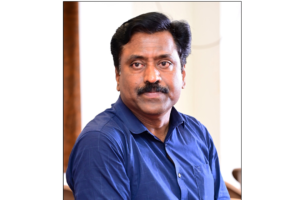
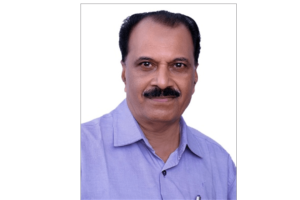
“Congratulations to Dr Sudheer K.P. and his team for the spectacular progress RAFTAAR agribusiness incubator has made in a short very short span. His efforts have proved once again the importance of selection of trainees, dedicated team working with an effective leader and excellent infrastructure, necessary for effective training .
It is incredible to believe that KAU ABI could train 7500 participants in a span of five years and facilitated 282 startups with a very high success rate. It is a good practice to charge the participants for the training and the institutions availing the services offered by the centre which help a long way in its sustainability.
A recent study (SWOC analysis) conducted on KAU, ABI revealed its strengths as product development & refinement and capacity building programmes. The weakness lies in its low publicity about its incubation facilities, shortage of fund and low manpower (Ravichandran and Gopika Somanath, 2025, International Journal of Agriculture and Food Science 2025; 7(7): 362-367). I wish that the centre will try to focus on addressing these weaknesses.
Thanks to Mr N K Basil for sharing his interview with Dr KP Sudheer and to AESA for making it available to us. I wish that the extension professionals especially working in KVKs and Incubation centres learn from such stories”.