


Platform: FAO eLearning Academy
Certification: Free Certification.
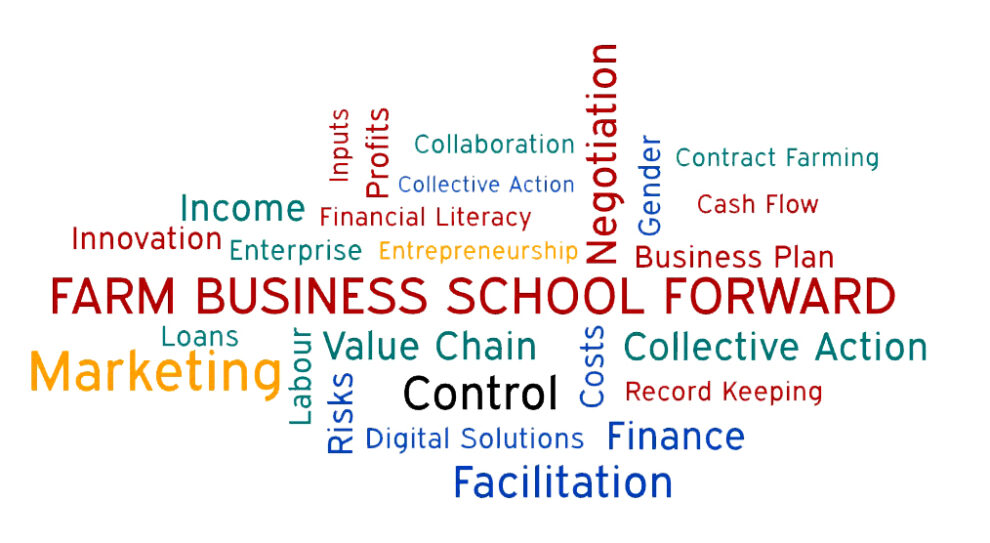
Small-scale agriculture presents significant challenges, and farmers often struggle to secure a sustainable livelihood. This new course, introduced in March 2026, aims to address the urgent need for support in market-oriented decision-making and to help farmers transform their land into profitable enterprises. The primary aim of the course is to cultivate farm business management skills among smallholders while promoting viable rural enterprises, with a specific focus on inclusion, innovation, and collective action.
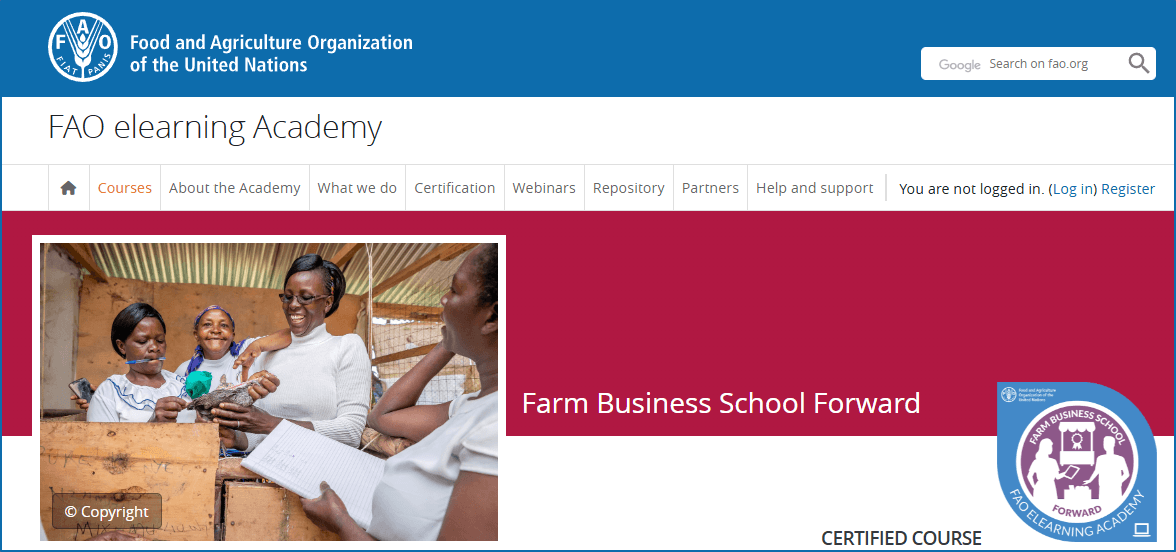
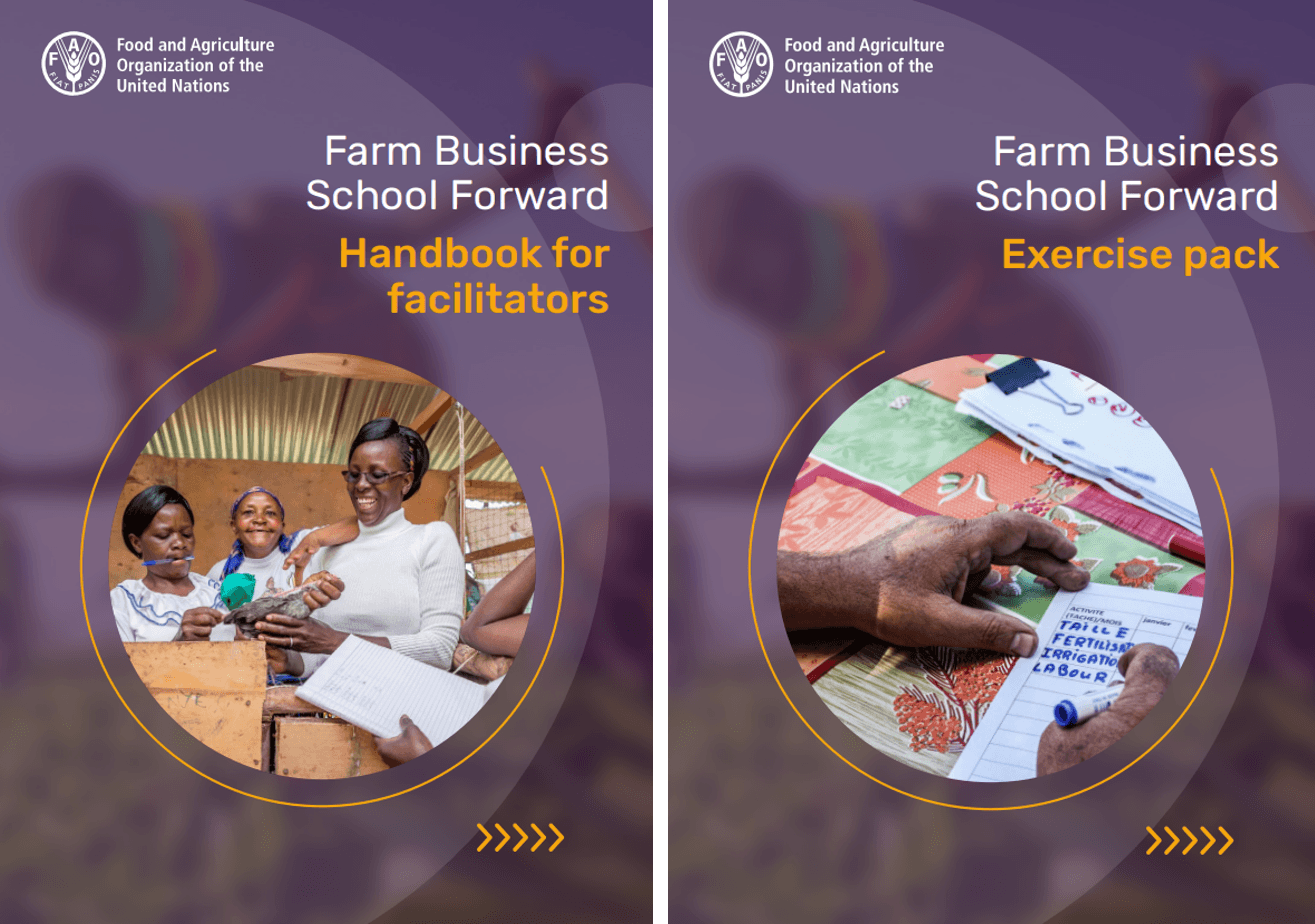
The Farmer Business School (FBS) model evolved from the FAO’s Farmer Field Schools (FFS). While the FFS traditionally focuses on production techniques, the FBS is specifically oriented toward profitability. The course is entirely asynchronous and could be completed in a single day. As a foundational, beginner-level programme, the course is specifically designed for facilitators and trainers, providing them with a deep understanding of the principles, components, and history of the Farmer Business School. Learners are equipped to utilise the FBS Forward training materials, including the Facilitator’s Handbook and Exercise Pack, as primary tools for their own training sessions.
The Facilitator’s Handbook is organised into seven modules, each aligned with a different stage of the farm business cycle. Each section across the modules offers practical facilitation guidance, along with flexible exercises that can be adapted to a range of contexts.
- Prepare to farm as a business
- Assess your farm business
- Plan your farm business
- Implement your farm business
- Finance your farm business
- Work with others to improve your farm business
- Evaluate your farm business
Furthermore, the curriculum emphasises the social and behavioural aspects of facilitation, such as group formation, needs assessment, and group dynamics. By focusing on participant engagement, the course teaches how to foster a successful learning environment that instils an entrepreneurial, inclusive, and collective-action mindset. This coverage spans the entire process, from initial setup to the delivery and ongoing support of the FBS approach.
The learning content is structured into two lessons:
- Lesson 1 (Theoretical Foundation): Covers the aims, objectives, and principles of the FBS. It addresses critical questions, including who should lead the program, the requirements for success, how to identify potential participants, and the overall delivery strategy.
- Lesson 2 (Practical Application): Guides the learner through the complete implementation of the FBS approach. This includes methods for consulting and engaging farmers, adapting FBS materials to local contexts, facilitation techniques, and the essential follow-up process.
By taking this course, one can gain both a conceptual and a practical understanding of topics such as peer and experiential learning and the farm business cycle. Additionally, you will also receive practical tips and lessons from the field on making contact with farmers, engaging communities, holding meetings, and conducting needs assessments. The course also incorporates the Bruce Tuckman model of group development to explain how groups evolve, alongside essential guidance on monitoring and evaluating progress.
Key Features:
- Stop-and-Reflect Sections: Each lesson concludes with guided reflection questions that prompt learners to identify potential challenges and consider practical strategies to address them, encouraging application beyond theory.
- Expert-Led Narrative: The course is shaped by insights from seven experienced facilitators who have led FBS Forward groups. Instead of traditional lectures, the content is delivered through a conversational, experience-driven narrative.
- Active Learning Activities: A variety of interactive exercises—such as drag-and-drop tasks and multiple-choice quizzes—help reinforce key concepts and maintain learner engagement.
- Interactive Learning Tools: Visual elements like interactive infographics, flip cards, cycle diagrams, and expandable lists are used to simplify complex ideas and create a more dynamic learning experience.
- Downloadable Resources: Learners have access to practical templates and tools for needs assessment, monitoring, and timetable planning.
- Quizzes and Assessments: In addition to end-of-lesson quizzes, learners complete multiple-choice assessments that combine knowledge recall with scenario-based questions designed to test real-world problem-solving skills.
The course identifies extension agents as the primary participants for FBS Forward facilitator training. Certification is awarded upon successful completion of the final quiz, with a minimum passing score of 75%. Participants who meet this requirement also receive a digital badge.
I enrolled in this course to deepen my understanding of the FBS approach and to strengthen my skills in facilitating training programs on this topic. Based on my experience, I highly recommend this course to agriculture students, especially those aspiring to build a career in the development sector. For those already familiar with the Farmer Field School (FFS) model, it offers a natural progression—from a focus on production to a more strategic emphasis on marketing and business skills.
This course is also highly relevant for NGOs and international development organizations that have previously implemented the Farmer Field School (FFS) approach. Farmer Business Schools (FBS) represent an evolving extension methodology that places greater emphasis on building business management competencies.
 Ayush Emmanuel Lal is a Junior Researcher at the Centre for Research on Innovation in Science Policy (CRISP). He holds a postgraduate degree in Agricultural Extension and Communication, and his research interests are adoption behaviour and gender issues in agriculture. He can be reached at ayushlal0712@gmail.com.
Interesting one, Ayush Emmanuel Lal, thanks for the insightful review. After reading your review I’d be delighted to join the course and learn something new myself —from Farmer Field Schools to Farmer Business School, extension models are clearly evolving —and so should we.