


As the world marks the International Day of the World’s Indigenous Peoples on 9th August, Luna Panda argues that it is time to stand alongside Indigenous communities in their self-determination and to partner in shaping a sustainable future.
CONTEXT
Every year, global communities gather to celebrate the International Day of the World’s Indigenous Peoples on August 9th, pausing to recognise the voices of the historically marginalised. For twenty-four hours, the airwaves carry a narrative that romanticises their heritage and proclaims them as “custodians of nature and biodiversity”.
However, the development paradox exists precisely because mainstream systems treat these communities as passive recipients of benefits rather than equal partners in the present. Despite numerous legislative guarantees, decisions are routinely imposed from distant glass towers. By idealising indigenous people as mere “custodians” during annual events, these policy frameworks lock them into a structural trap: they are expected to preserve the planet’s ecological balance, even though their lands are targeted for extraction, their land rights remain insecure, and they are denied the basic amenities and dignified living standards.
INDIGENOUS TRIBES IN KORAPUT
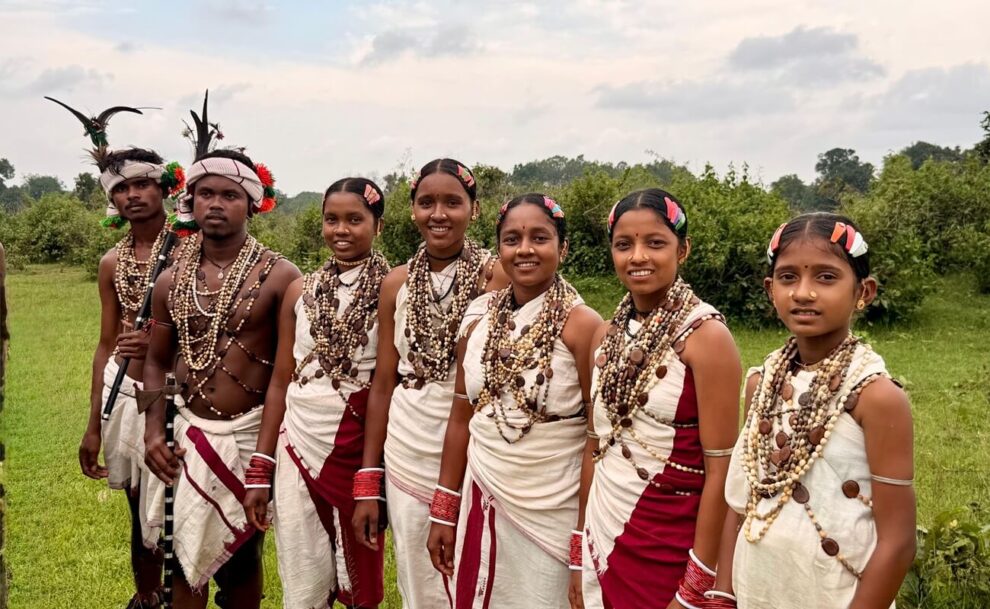
Koraput District is no exception. Recognised globally by the FAO as a Globally Important Agricultural Heritage System (GIAHS) and home to 13 distinct indigenous tribes that constitute over 50 per cent of its population, the district presents a stark picture of deep poverty, with 83 per cent of its inhabitants living below the poverty line. For decades, these communities have been sacrificed at the altar of development—repeatedly displaced by dams, mines, hydroelectric projects, and industrial expansion that strip away their autonomy while offering very little in return for their well-being.
As a personal reflection, looking at the indigenous communities of Koraput on the eve of this August 9th brings a deep dilemma. It forces us to ask: where do these communities genuinely stand along the path of modern development, and on this occasion, what has truly changed for them?
The Changing Landscape: Shrinking Space for Biodiversity and Livelihoods
For centuries, indigenous communities of Koraput have been the true custodians of biodiverse ecosystems. Today, environmental shifts are shattering this physical and cultural sanctuary. Development-induced displacement has also severely affected indigenous communities. Mega projects like the Machhakund Hydroelectric Project and National Aluminium Company Ltd (NALCO) have uprooted thousands, leading to loss of ancestral forestlands, severe cultural dislocation, and economic marginalisation, as rehabilitation colonies often lack basic amenities.
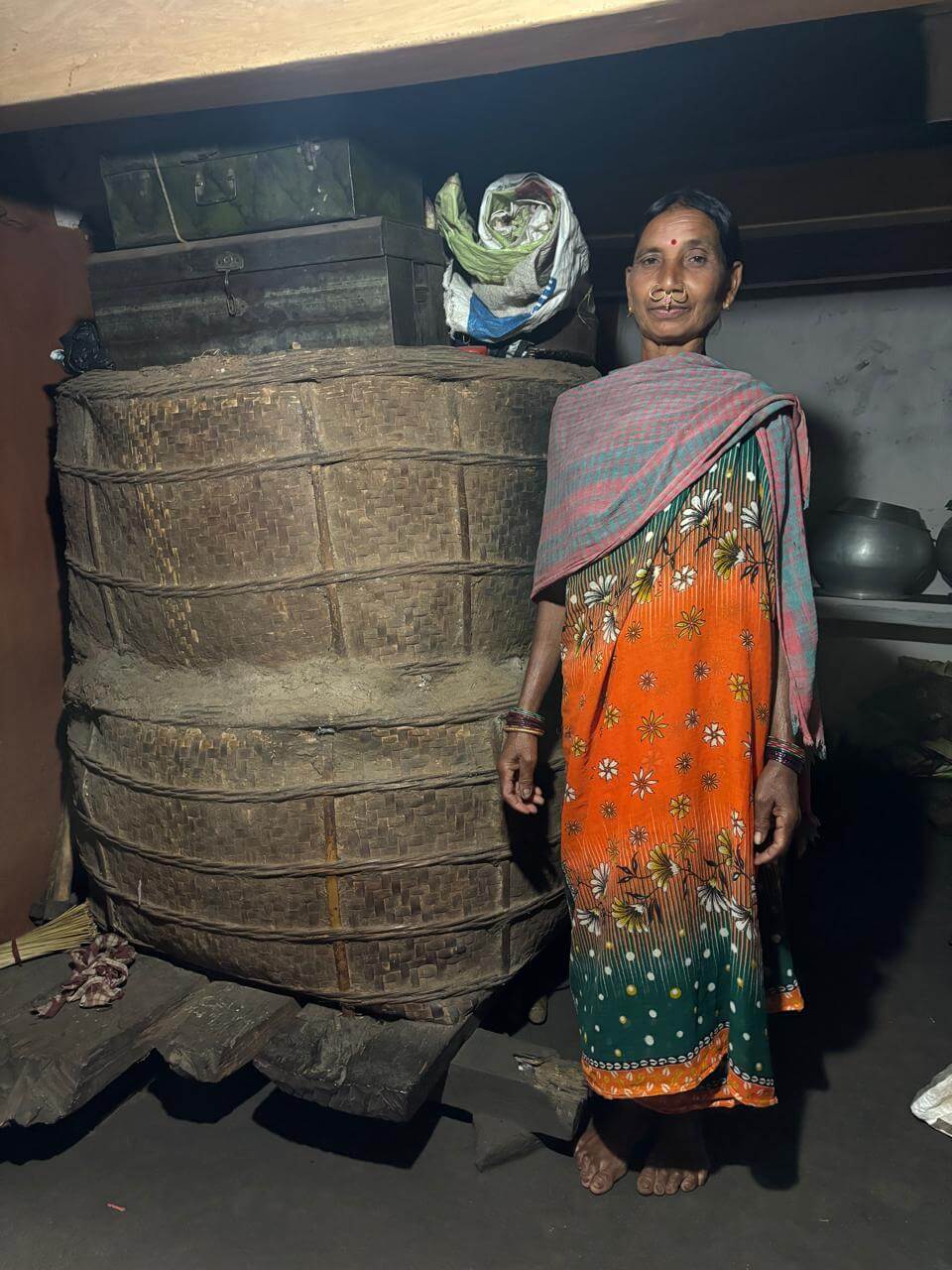
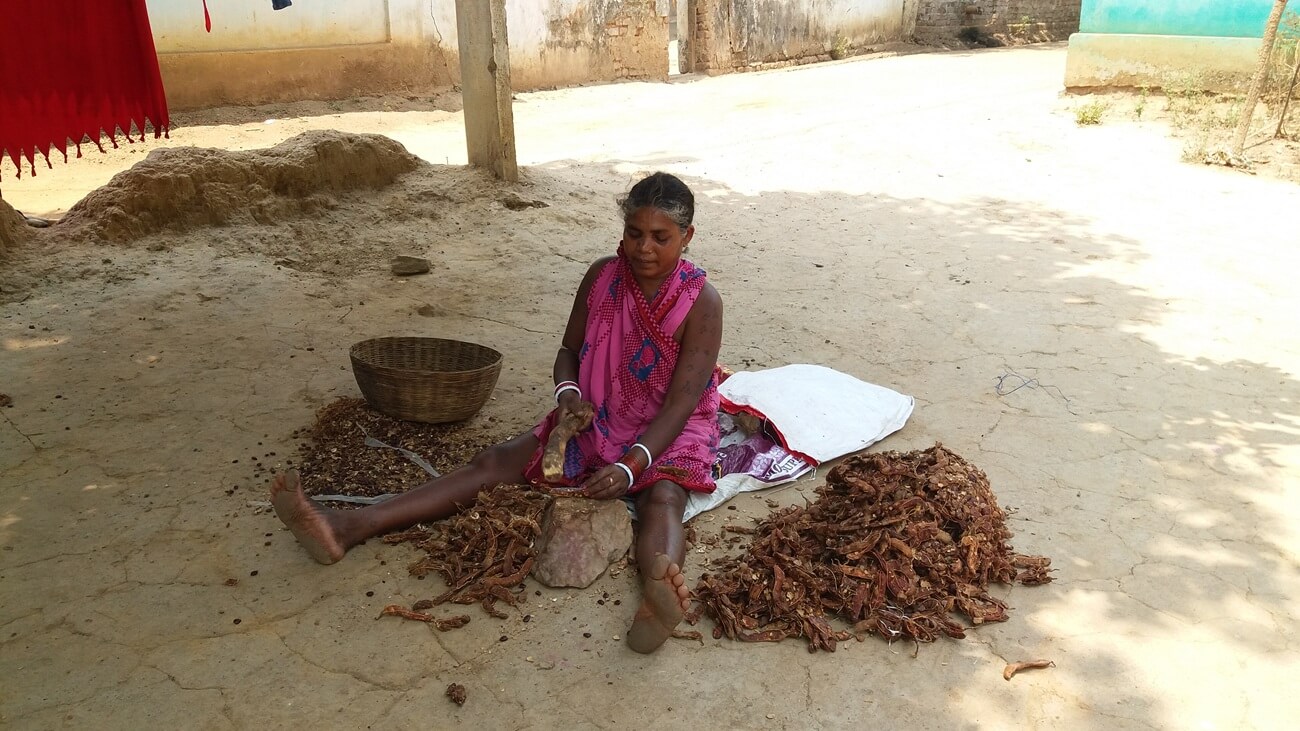
According to Global Forest Watch, Koraput lost 20,000 to 30,000 hectares of tree cover—a 7.6 per cent decrease—between 2001 and 2023, including 759 hectares of primary humid forest. Systemic deforestation, coupled with climate change, has caused natural streams to dry up, while native flora, wild roots, leafy greens, and nutrient-rich tubers are fast disappearing. Consequently, younger generations are losing the ability to identify and harvest traditional uncultivated foods. This collapse in forest food systems has stripped communities of dietary diversity, forcing them into market dependency and wiping out the seasonal income women once earned from forest produce. As women lose financial autonomy, men are forced into distress migration for wage labour, leaving women isolated and vulnerable.
In response to this ecological crisis, indigenous people are asserting their tenacity through community-led conservation, positioning themselves at the centre of restoration efforts. The Forest Rights Act (FRA) has injected crucial hope into this struggle by granting land entitlements that formally restore their dignity—shifting their legal identity from “encroachers” to rightful titleholders.
“Community Forest Rights under the Act offer a legally protected canvas for large-scale forest and biodiversity revival driven by local governance. Yet, the journey toward genuine justice is far from over,” says Surendra Masti, leader of Koraput Jilla Banabasi Sangha, a district-level federation of forest-dependent people in Koraput District. While individual land rights have successfully reached over 40,000 forest dwellers through the enduring efforts of Koraput Jilla Banabasi Sangha, supported by civil society networks and the district administration, structural hurdles remain. Securing titles is merely the first step; the true challenge lies in mobilising these rights to restore dying ecosystems and ensuring that indigenous sovereignty translates into lasting ecological and economic security.
Erosion of Cropping Systems: Cash Crops, Monocultures, and Chemical Invasions
A walk through the valleys of Koraput today reveals an alarming transformation in its agricultural landscape. The traditional tapestry of mixed cropping is increasingly yielding to commercial monocultures like eucalyptus plantations, promoted under the guise of integrating indigenous communities into the market economy by private agencies. These cash crops severely erode local food and nutrition security. Heritage crops—including native finger millets (ragi) and the aromatic Kalajeera rice (the “Prince of Rice”)—are pushed into marginal plots. As a result, self-reliant tribal farmers are trapped in fluctuating trader networks, volatile seed markets, expensive chemical inputs, and, above all, increased vulnerability to climate shocks.
According to FAO data, Koraput is a primary centre of origin for rice, historically harbouring over 1,800 distinct rice landraces in the 1960s. Today, cash-crop expansion and hybrid seeds have not only decimated this genetic library but also stripped indigenous communities of seed sovereignty, eroding traditional knowledge of seed conservation (especially among women) and making them more market-dependent. Preserving these remaining grains is one of the pledges and missions of organisations like Pragati —not as an act of nostalgia, but to validate that hidden within their genetic code are critical traits such as flood tolerance, drought endurance, and natural pest resistance. Surrendering Koraput’s seed heritage to chemical-dependent monocultures will destroy a living genetic pool, crucial for breeding the climate-resilient crops of tomorrow.
The Paradox of Local Self-Governance: (Panchayat Extension to Scheduled Areas):
Despite constitutional mandates under the Panchayat Extension to Scheduled Areas (PESA) and the 73rd Amendment, local self-governance in Koraput District remains in the background. Modern state apparatuses offer a framework for grassroots democracy. Yet, customary institutions like the village council—headed by the Naik (village head), assisted by the Challan (messenger), and spiritually guided by the Disari and Gurumai—continue to command far greater legitimacy in dispute resolution and social regulation. This dual system creates a parallel governance structure in which formal bodies such as the Gram Sabha are underutilised. Tribal participation in local self-governance and at the state level is severely bottlenecked by low legal awareness of rights under PESA, communication barriers, and political apathy preventing paper rights from translating into actual decision-making power.
A critical gender-equity deficit further compounds this institutional disconnect. While PRIs formally mandate space for women, evidence from local Palli and Gram Sabhas reveals that their involvement remains largely symbolic. Marginalised by traditional patriarchies, low literacy and administrative hurdles, women’s participation is very low. The exclusion of women from active deliberation and leadership weakens local accountability. Fulfilling the promise of self-governance in Koraput requires more than administrative will; it demands building institutional capacity, strengthening participatory planning and empowering women to occupy decision-making roles.
The Agrarian Crisis and Distress Migration of Youth
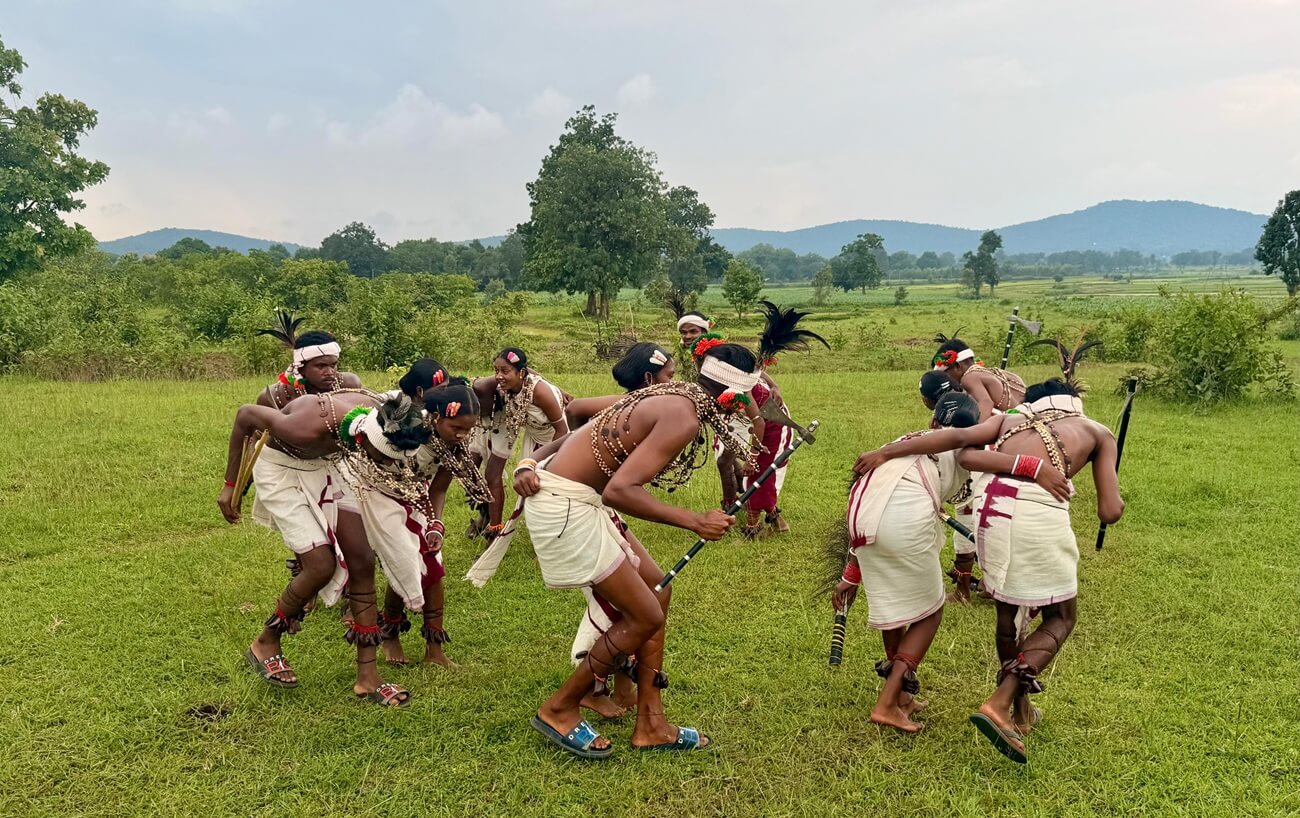
The most vulnerable victims are the indigenous youth. Stand at the bus stops of Jeypore, Koraput, or remote blocks like Lamtaput and Nandapur—or along the district’s railway platforms—and you will witness a quiet, heartbreaking sight of young boys and girls, carrying their belongings in worn bags, standing aimlessly to board vehicles arranged by unlicensed labour contractors. This seasonal exodus is not an ambitious pursuit of employment opportunities, but a structural flight induced by lack of livelihood space in the villages. This structural dislocation is aggravated by an educational framework that actively alienates tribal youth from their heritage. For centuries, the tribal communities were deeply rooted in the land, maintained through climate-resilient multi-cropping, seed stewardship, and shared ecological responsibility. However, erratic weather patterns, climate-induced crop failures, and the aggressive push toward commercial cash crops have eroded the viability of subsistence agriculture.
Disenchanted by their parents’ cycle of backbreaking labour and chronic debt, and lured by urban lifestyles, these young people fall prey to predatory labour contractors. The cash advance binds them to months of gruelling, informal labour in distant brick kilns and construction sites. In this transition, they are stripped of their identities and reclassified as unskilled labourers struggling for survival on the urban periphery. Furthermore, continuous out-migration breaks the intergenerational chain of learning; centuries of specialised ecological knowledge vanish.
Reversing this trend requires a fundamental rewrite of regional policy: formal education must integrate indigenous knowledge. Restoring pride in local food systems, validating ancestral knowledge within schools, and creating viable, ecology-centred local livelihoods are essential steps to heal the intergenerational rift and ensure that the indigenous youth can build a secure future on their ancestral lands.
THE CALL OF THE HOUR
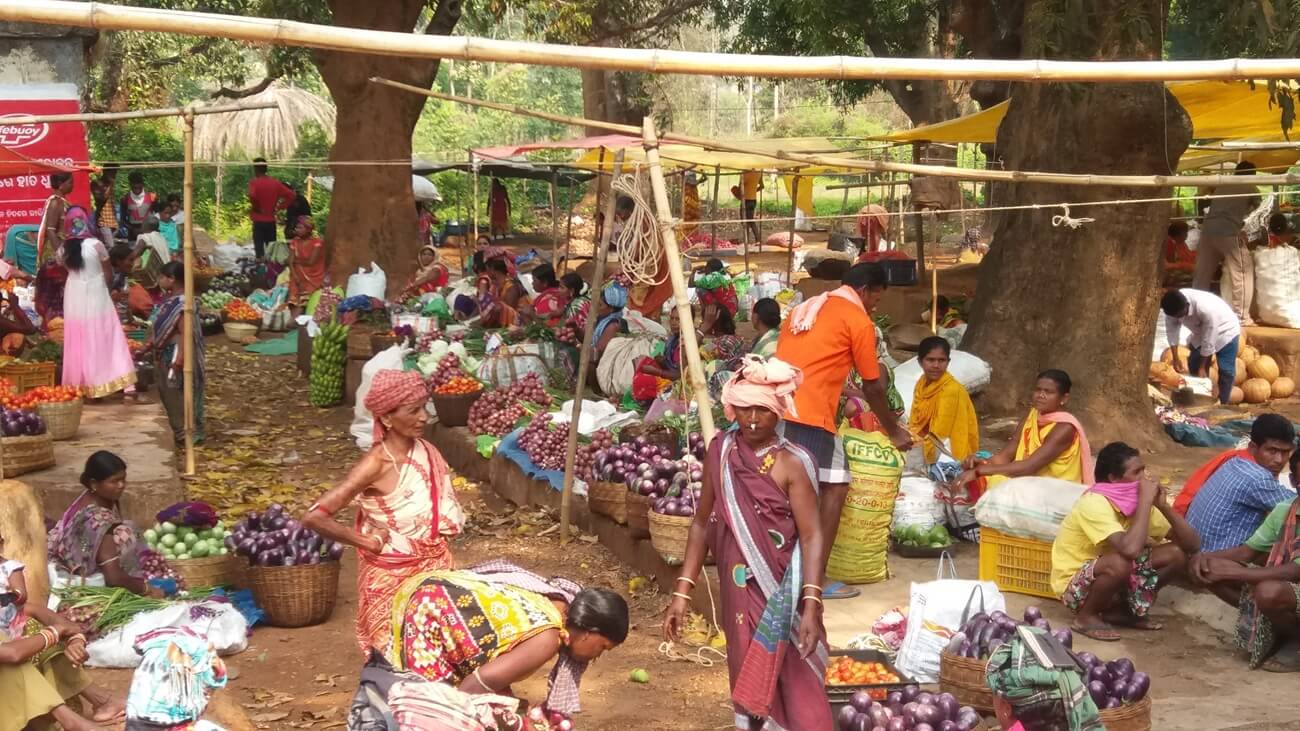
The plight of indigenous communities in Koraput forces us to reflect on the significance of observing the International Day of the World’s Indigenous Peoples. This is not only the tale of the indigenous communities of Koraput, but it is also quite common across the globe, even as the world moves towards the Sustainable Development Goals. Celebrating the tribal communities as passive “custodians of nature” means little while their lands are confiscated for so-called development without any proper substitute for their survival with dignity, their forests continue to perish, their agricultural biodiversity is surrendered to monocultures, hybrids and chemical subsidies, and their youth are driven into distress migration to unknown islands.
True justice cannot be achieved through grand cultural spectacles, commitments by intelligentsia, or simply granting rights without any implementation rollout. It requires a radical realignment of regional development. By honouring indigenous sovereignty, integrating ancestral ecological wisdom into formal education, restoring seed sovereignty, empowering grassroots self-governance, and, above all, including women in decision-making, we can ensure that these communities do not merely survive as living relics of a celebrated past but thrive as dignified architects of a sustainable future.
It is time for mainstream policy to move beyond annual romanticisation and stand alongside them as true partners, recognising that in saving the lands, cultures, and self-determination of indigenous people, we preserve the very blueprint for humanity’s ecological future.
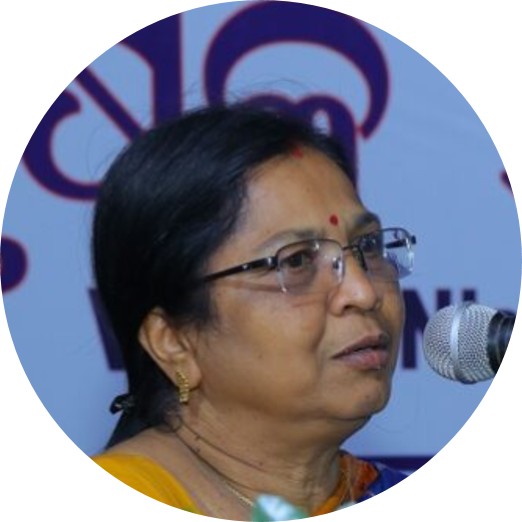 Dr. Edith Luna Panda is the Executive Director of Pragati, Koraput. She has over 20 years of experience in the social sector, primarily working with tribal communities in the Koraput District of Odisha, She can reached at luna@pragatikoraput.org

A thoughtful and inspiring read. It beautifully highlights the resilience, wisdom, and rich cultural heritage of the indigenous communities of Koraput. Stories like these remind us that meaningful and inclusive development begins with listening to communities and valuing their knowledge systems. Indigenous knowledge is not only an important part of our heritage but also offers valuable insights for building a more equitable and sustainable future. Thank you for amplifying these voices and bringing this important perspective to a wider audience.
On a personal note, in 1993, I was posted to Koraput as a young ICAR Agricultural Extension Scientist, but for various reasons I could not take up the assignment. Over the years, I have heard many inspiring stories of Koraput’s development and community-led initiatives. Reading this article brings back that missed opportunity and reminds me how much there is to learn from the region and its people.