
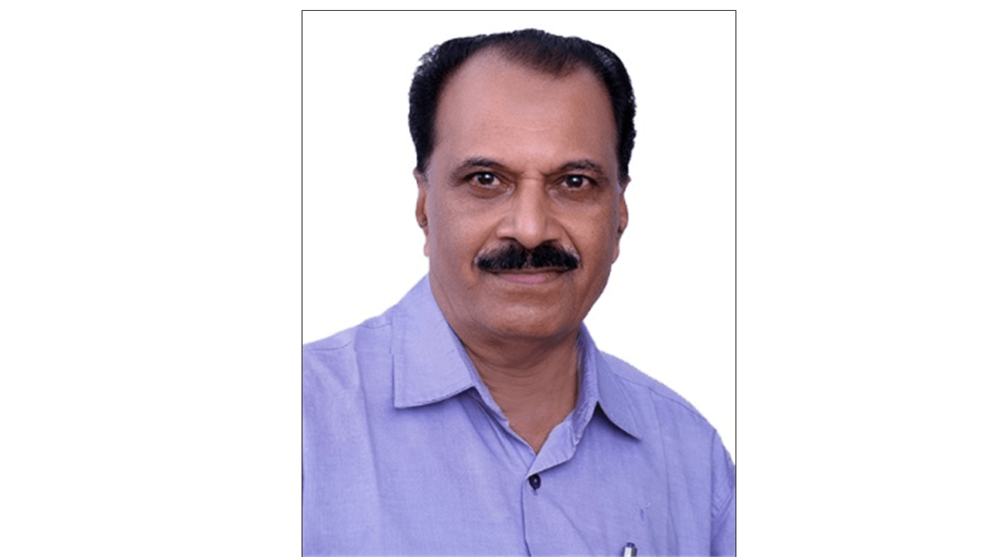
“Despite the dramatic evolution of the media landscape with the rise of television, the internet, and social media, radio remains a vital medium for sharing information and knowledge with farmers. Working as a farm radio journalist provides valuable opportunities to engage with large numbers of farmers, who possess rich tacit knowledge about farming. To make a meaningful impact, one needs a passion for radio journalism, a genuine interest in farmers and agriculture, and strong written and oral communication skills.”
Muraleedharan Thazhakkara
Mr Muraleedharan Tazhakkara is one of India’s most renowned farm radio journalists. He served with All India Radio (AIR) for 28 years and retired from the Trivandrum AIR station in 2019. During his distinguished career, he played a pivotal role in elevating AIR’s Farm and Home (Vayalum Veedum) programme. A prolific author, he has written several books on farmers’ traditional knowledge and currently supports multiple community radio stations across Kerala.
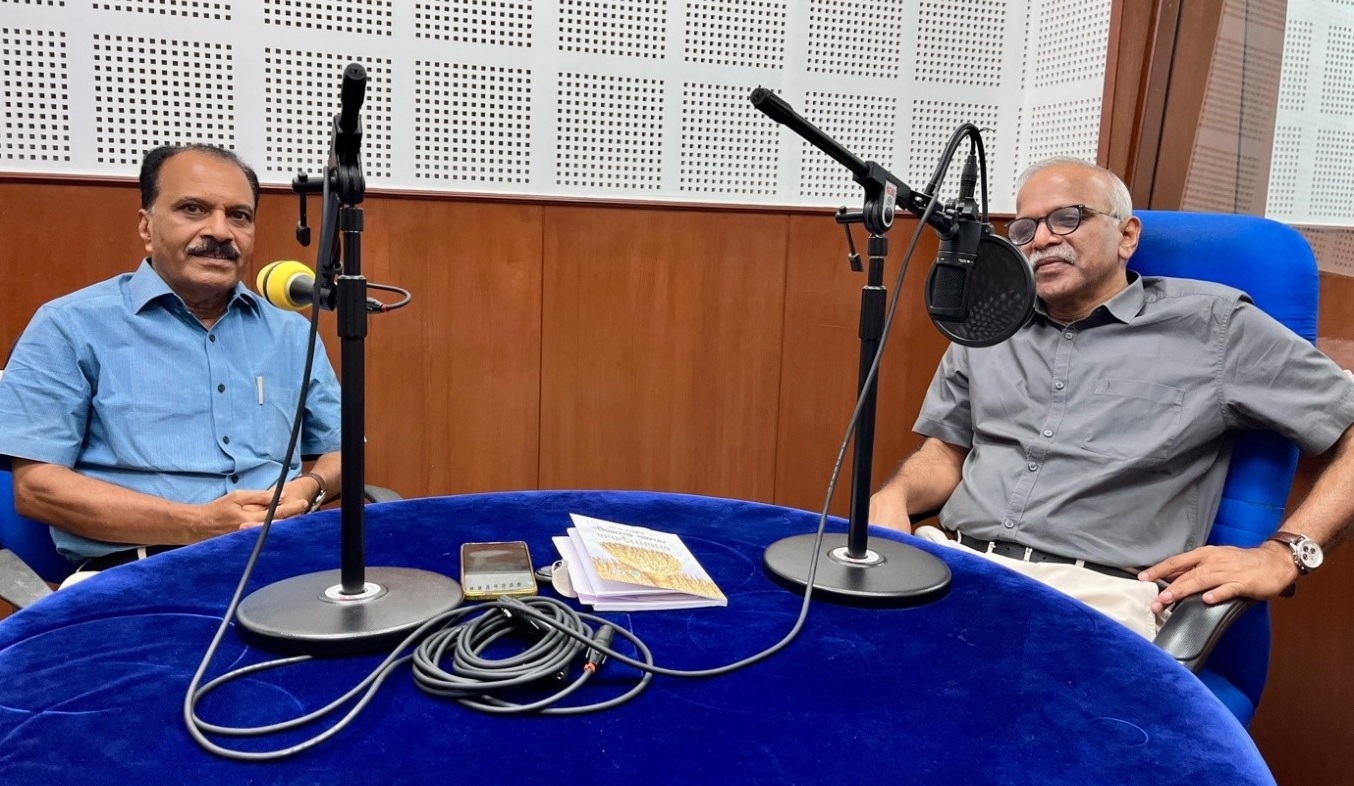
Dr C. Thamban recently interviewed Mr Muraleedharan to discuss the evolution of farm radio journalism in Kerala, innovative field-reporting approaches that have made rural radio programmes more popular and farmer-centric, and the emerging challenges facing the medium today. Excerpts from this conversation are presented below.
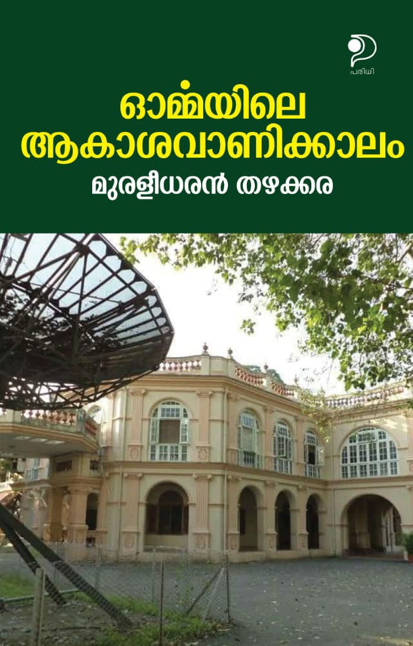 First of all, thank you very much for agreeing to have this conversation for AESA, and congratulations on your new book, Ormayile Aakasavanikkalam (Remembering the AIR Days), which I thoroughly enjoyed. Could you give us a brief insight into your book?
This book is a compilation of my memories and experiences, highlighting the people who influenced and inspired me—both within All India Radio and across the agricultural sector. It reflects my interactions with a wide range of individuals, including agricultural labourers, farmers, researchers, extensionists, Directors of Agriculture, Ministers of Agriculture, and people’s representatives. The book also documents the innovations we introduced to expand the variety of field-based programmes, significantly enhancing the reach and popularity of farm radio broadcasts. In addition, it captures key events and milestones from my three decades of service at All India Radio.
You studied agriculture at Kerala Agricultural University (KAU) and worked there for about 10 years before moving to AIR. But as I understand, you were passionate about agriculture and radio since you were in school. How did you get hooked to both radio and agriculture at such an early age?
I was born and raised in a farming family in the Onattukara region, one of Kerala’s critical agricultural zones. The area is known for its vast stretches of paddy fields, coconut groves, tuber crops, and sesame cultivation. In those days, farming was our only source of livelihood. Both my father and grandfather were farmers, and we practised mixed farming. At home, all the discussions I remember revolved around crop production and animal husbandry—how the income from one season’s harvest could be used to buy new cattle or to purchase additional land.
Like many children in our village at that time, I actively participated in various farm operations. I still have vivid memories of the paddy harvest season, when farm labourers would thresh and dry the paddy in the fields. These early experiences nurtured my deep interest in agriculture, which began during my school days.
My interest in radio, however, developed when I was studying in the 7th or 8th standard. In our village, Thazhakkara, there was a Mathrubhumi Study Circle and Radio Club, of which about fifty children of my age were members. We would gather at a neighbour’s house to listen to the radio. One of our favourite programmes was Bala Lokam (Children’s World), a weekly children’s programme on All India Radio, anchored by Mr P. Gangadharan Nair—fondly known as “Radio Uncle”—a highly respected radio journalist of that era.
The study circle organised several activities every week: some children read stories, some sang songs, and others delivered short speeches. We prepared reports of these activities and sent them as letters to AIR for Bala Lokam. We waited eagerly for the radio programme, filled with excitement at the possibility of hearing our names mentioned.
In fact, perhaps the very first letter I ever wrote in my life was addressed to All India Radio. At that time, the radio was the only medium available to us, and many of my generation were informed and inspired by what we heard through it. Through these activities, we also learned the basics of radio writing and reporting.
In what ways did your formal education in agriculture help you deepen and pursue your interests in both agriculture and journalism?
My formal education in agriculture gave me the scientific orientation I had long sought. Choosing agriculture after completing my 12th standard was, therefore, a natural decision. My studies at Kerala Agricultural University (KAU) provided valuable practical exposure to agricultural science and helped cultivate a strong research orientation toward the subject.
During my years as a student at KAU—and later during the ten years I worked there after completing my education—I regularly wrote articles on agricultural topics for newspapers. At the same time, I actively participated in several farm programmes broadcast by All India Radio. Throughout this period, my ambition was to join AIR, and I patiently awaited an opportunity, which finally came in 1992.
In summary, a combination of factors—my personal interest in agriculture, fascination with radio, formal agricultural training, experience in writing on agriculture for newspapers, and participation in farm radio programmes—collectively prepared me for a career in farm radio journalism.
So you joined AlR in Kozhikode in 1992 as a farm radio reporter. How was your experience there?
During my time at KAU, I regularly participated in farm radio programmes and wrote agricultural articles for Malayalam newspapers. As a result, when I joined AIR Kozhikode, I was already familiar with many of the staff through my interactions in the media, which helped me feel comfortable from the very beginning. Moreover, Kozhikode was a wonderful place to work, known for its kind-hearted and supportive people.
As a farm radio reporter, I travelled extensively across Kozhikode, Wayanad, and Malappuram districts, interacting closely with farmers. These field visits not only enriched the programmes but also helped us identify progressive farmers to invite to the studio for recordings.
During this period, I had the opportunity to meet several innovative and successful farmers, as well as district-level officials from agriculture and allied sectors. I also interacted with professionals involved in agricultural research, extension, NGOs, and rural development. Many of these individuals were members of the advisory committee for the Farm and Home programme, which met once every three months. The topics for broadcast, along with the selection of appropriate experts—including farmers—were primarily based on the committee’s recommendations.
What were the main topics then, and what broadcasting format did you use during those days?
The Farm and Home programme, broadcast daily at 6:50 PM for 30 minutes, covered a wide range of topics, including crop production, animal husbandry, fisheries, soil conservation, and environmental issues. The programme primarily followed interview and documentary formats. We consciously avoided lecture-style presentations and instead focused on conversations with farmers and on developing documentaries on specific themes. These documentaries often brought together the experiences and perspectives of multiple stakeholders within a single programme.
Typically, the 30-minute slot combined an interview and a short documentary. However, when the focus was on an agricultural research station, we produced a full-length 30-minute documentary. This format allowed us to include the experiences of scientists, farm managers, and individuals visiting the station to purchase inputs or farm produce, thereby presenting a comprehensive picture of the institution’s activities and impact.
To incorporate more voices from the field, AIR organised an annual Farm and Home Agriculture Fair (Vayalum Veedum Karshika Mela), during which we recorded several live sessions and interviews with farmers. Although organising such an extensive event required careful planning over two to three months and close coordination with local institutions such as Panchayats, I personally enjoyed being involved in these fairs. They made the Farm and Home programme more farmer-centric and helped build a strong and loyal listener base for agricultural broadcasts. During these events, I actively identified farmers who could articulate their experiences well and who possessed valuable knowledge to share with a broader audience through radio.
In addition, we broadcast a daily five-minute agricultural news programme in the morning, based on content provided by the Department of Agriculture’s Farm Information Bureau. This segment informed listeners about the availability of artificial insemination services, access to quality seeds and new cattle breeds, application procedures for financial assistance, and details of training programmes on various agricultural topics. Many farmers later shared that this brief news bulletin was their primary source of such information and that it significantly helped them access essential services.
As I understand, you moved to Trivandrum AIR in 1998. What prompted your move from Kozhikode to Trivandrum, and how was the experience there in the initial days?
I moved to AIR Thiruvananthapuram for personal reasons, as my home was closer to the city than Kozhikode. However, the experiences I gained at AIR Kozhikode were a major source of inspiration and strongly influenced my work over nearly two decades at AIR Thiruvananthapuram.
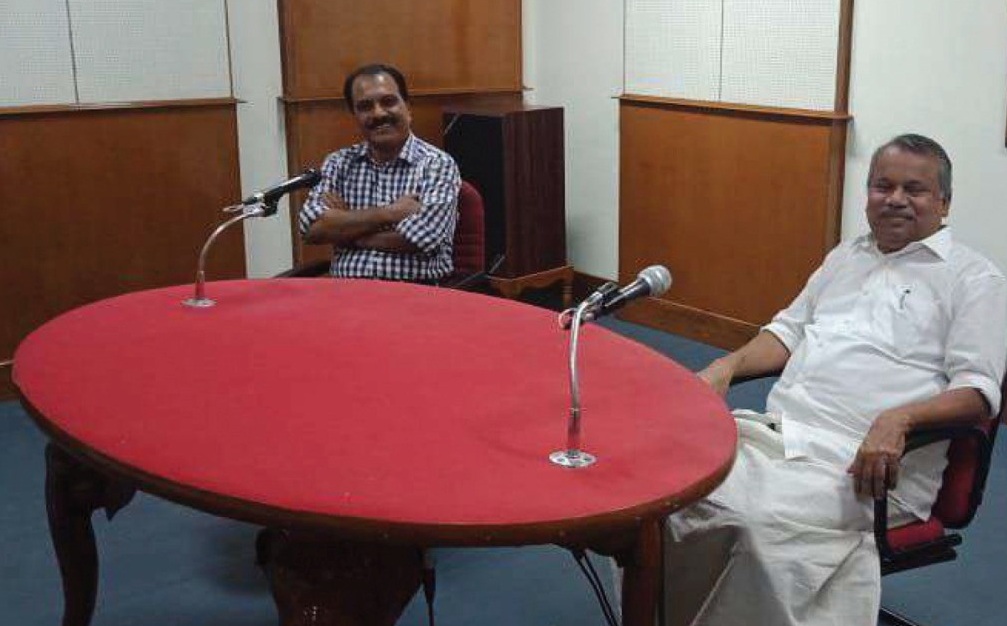
By 1995, AIR had begun recording an increasing number of programmes outside the studio. This shift from studio-based recordings to field-based productions was a policy decision taken at the higher administrative level. Over the past two decades, I spent a significant amount of time working in the field—often around fifteen days each month—travelling to different locations to record programmes that captured voices and experiences directly from the ground.
The quality of any programme depends on feedback, and for radio programmes we need to hear from our listeners. What mechanism was used to collect the audience feedback?
In the earlier years, farmers regularly wrote letters to the Director of AIR, offering detailed feedback on specific programmes. We also gathered audience responses during the Farm and Home Agriculture Fair, where dedicated feedback sessions were organised. In these sessions, farmers were encouraged to share their opinions freely and even critically evaluate the content and format of the programmes.
With the advent of social media, our feedback mechanisms evolved significantly. We began creating dedicated WhatsApp groups for each programme and collected the mobile numbers of all participants. Discussions within these groups now serve as an essential tool for assessing audience response, understanding listener needs, and improving programme content and presentation.
How has broadcasting technology changed over the past two decades, and how has it influenced the quality of the programmes?
All India Radio has a long tradition of recording and broadcasting live programmes. Even in its early years, AIR organised live broadcasts of major events such as the renowned Nehru Trophy Boat Race and the Makaravilakku at Sabarimala. However, the quality of live recordings in those days was limited when compared to the high-quality recording capabilities available today, even though mobile phones.
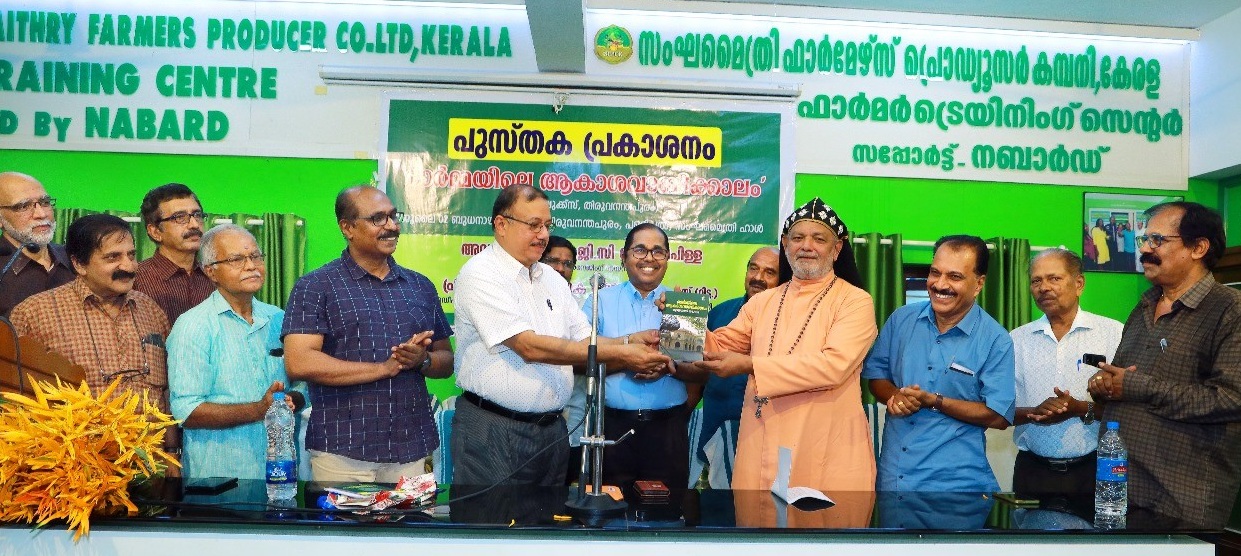 At the launch of Ormayile Aaskasvanikkalam by Muraleedharan Thazhakkara, His Excellency Most Rev. Dr Joshua Mar Ignathios received the first copy of the book from Dr T. K. Jose, IAS (Retd), Former Additional Chief Secretary, Government of Kerala.
With rapid advances in recording technology, live recording is no longer a technical challenge. In the early days of broadcasting, radio was the only medium capable of recording and transmitting live events. Today, however, hundreds of television channels can record and telecast events live with superior audio-visual quality. As a result, audiences with access to television often prefer to watch events live rather than listen to them on the radio.
How has the content broadcast through the Farm and Home programme changed over the years?
Over the past decade, the scope of the farm programme has expanded beyond its traditional focus on improving production and the quality of farm produce. Greater emphasis is now placed on value addition, employment generation in agriculture—including agripreneurship—and the marketing of agricultural products.
As you are aware, several television channels currently broadcast farm programmes. Do you think this has impacted listening to the radio for farm information?
The growth of visual media has, to some extent, affected radio listenership for agricultural programmes, as people often prefer viewing to listening when both options are available. Today, the majority of farm radio listeners tend to be relatively older. However, this shift should not diminish the importance of radio for the farming community. Radio remains the only medium that enables rural audiences to access new agricultural knowledge while simultaneously carrying out daily activities—working in the fields, feeding and milking cattle, or even cooking in the kitchen. Many listeners have shared that they benefited from AIR’s farm radio programmes, which provided practical, timely information they could readily apply while managing their routine chores.
At the same time, there is a clear need to make agricultural programmes more engaging to attract new listeners. At AIR Thiruvananthapuram, we introduced innovative segments within the Farm and Home programme, such as Radio Gramarangam, Grameenakeralam, and a five-minute satirical drama titled Kundum Kuzhiyum. Kundum Kuzhiyum, which was broadcast for eight years, became especially popular due to its creative and entertaining format. These experiences demonstrate that sustaining and expanding listenership requires continuous innovation in both content and format to keep programmes relevant and interesting.
Another significant development in recent years is the emergence of community radio, which plays a crucial role in providing locally relevant information to rural communities. In Kerala, several community radio stations are actively developing and broadcasting programmes that address the information needs of rural populations within a 25–30 km radius of the station. This demonstrates that radio remains an essential medium for strengthening the rural sector, and I believe it will continue to be so, warranting greater attention and support.
The potential of FM radio to promote agricultural and rural development is also largely untapped. Currently, FM stations focus predominantly on entertainment, especially music. If the Ministry of Information and Broadcasting (MoI&B) were to implement policy changes encouraging FM channels to devote at least 40% of their airtime to agriculture and rural development, it could significantly enhance the medium’s impact in these areas. Moreover, agricultural content could be made more engaging by integrating songs, music, and other creative elements, making the programmes both informative and appealing to a broader audience.
Over the last 2-3 decades, you have interviewed a large number of individuals from diverse sectors, including agricultural labourers, senior researchers, extension staff, vice-chancellors, and even legends such as Dr M S Swaminathan. How did you manage to address the varying levels of literacy, education or their expertise when you interview them?
It is pretty simple, really. The first step is to shed the feeling that you are an important functionary of the national broadcasting corporation. The second is to make your guest feel comfortable and valued, helping them realise that their insights and knowledge are worth sharing with a broader audience. Encourage them to speak freely, as if they were talking to a friend. I give the same respect to a farm labourer who comes to the studio to share his lifelong experience of preparing a paddy nursery as I do to a university Vice-Chancellor whom I am interviewing about new research findings. The key is to be genuinely interested in the person sitting opposite you; when that interest is sincere, everything else falls into place.
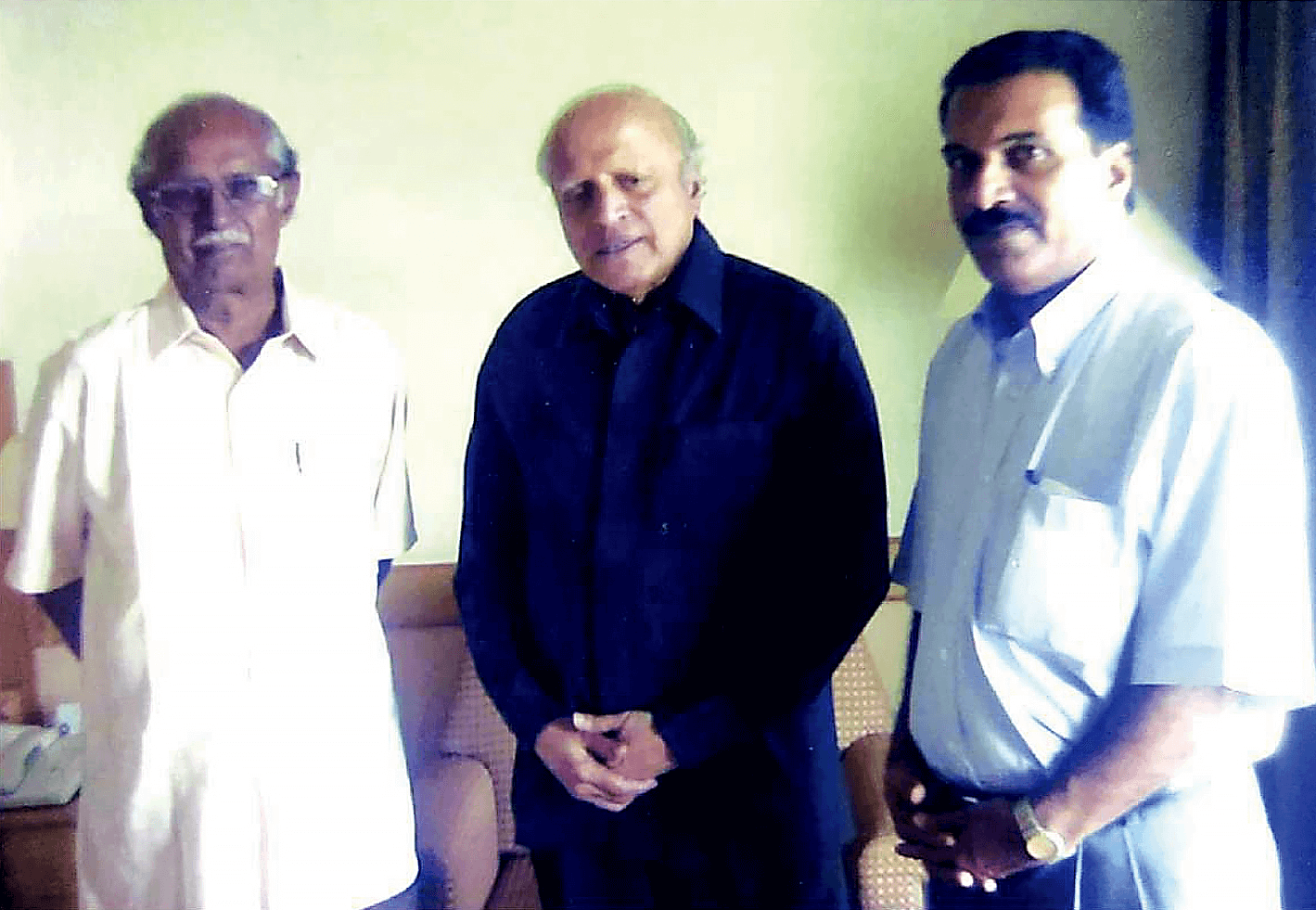
I vividly recall my interview with Dr M. S. Swaminathan in Ernakulam. He kindly agreed to be interviewed on very short notice at the request of Dr R. Hely, the former Director of Agriculture in Kerala and a pioneer of farm journalism in Malayalam. While discussing the Green Revolution, Dr Swaminathan highlighted the vital role of radio in disseminating agricultural knowledge, particularly in its early days. Radio was instrumental in educating farmers about the potential of High-Yielding Varieties (HYVs), the use of chemical fertilisers, and the practices needed to enhance food production and productivity.
Now is the age of social media, and everyone is seeking new information there. Is AIR using social media to promote its programmes?
Currently, every AIR programme—whether in drama, music, health, education, or agriculture—prepares social media content, such as posters and short reels, to promote the programme. These materials are shared on social media platforms in advance of the broadcast to generate interest and reach a wider audience. For instance, the AIR Thiruvanthapuram has its own Facebook page at, which has more than 24,000 followers.
Do you think the agricultural extension machinery in Kerala has fully utilised the potential of radio to promote new technologies and disseminate information?
Yes, I believe so. The potential of radio has been extensively harnessed not only in agriculture but also by agencies working in health and consumer protection. While we have already discussed its role in promoting agricultural knowledge, radio has also played a significant part in public health initiatives, such as promoting vaccination campaigns across the state. Similarly, it has been effective in raising consumer awareness.
To encourage the adoption of new knowledge and motivate people to take necessary action, messages need to be repeated consistently, and radio has proven to be a powerful medium for promoting positive behavioural change. In agriculture, there is a pressing need for more people to engage in farming to produce better, more nutritious food. Radio could be strategically used to make agriculture more appealing to youth, agripreneurs, women’s collectives, and startups, thereby inspiring greater participation and innovation in the sector.
You have published several books on agriculture. How did you manage your time to do this while you were busy recoding, writing scripts, and interviewing people?
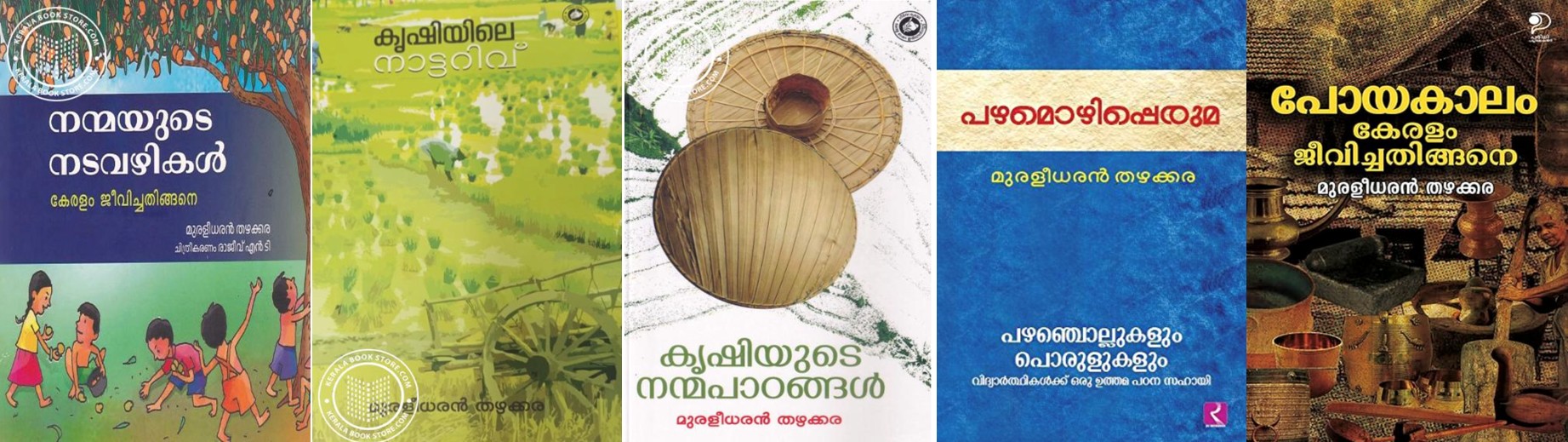
I believe the credit goes to AIR, which allowed me to meet and interact with numerous farmers with years of hands-on field experience. During countless conversations, they generously shared their knowledge and insights, which I would record in my notebook every day before going to sleep. The wisdom they shared ranged from preparing land for paddy sowing to practices that ensure better-quality bananas. I continue to draw on this invaluable knowledge when writing books on farmers’ practices. Excerpts from my books are also incorporated into Malayalam textbooks for the Kerala State syllabus and CBSE. These include Kappavattu in the 8th class textbook, Nattupookal in the 10th class CBSE textbook, and Pathaayam in the 4th class textbook until last year.
Based on your experience, what are the key qualities that one should have to become an effective farm radio journalist?
First and foremost, a farm radio journalist must have a genuine interest in farming and the farming community. The role should be seen as a valuable opportunity to interact with many farmers who possess extensive tacit knowledge of agriculture. If the job is viewed merely as a source of income, it is unlikely to be fulfilling. In other words, this work can be performed effectively only if one has a true passion for both agriculture and journalism, along with strong written and oral communication skills.
What is one of the most memorable moments in your 3-decade career with AIR that you cherish?
One of the most memorable events of my career was organising the 50th Anniversary celebrations of the Farm and Home programme at AIR Thiruvananthapuram in 2017. The four-day event drew participation from farmers across the state and featured a variety of activities. A quiz competition was held for farmers selected from all 14 districts of Kerala, with prizes sponsored by NABARD and presented by the then Hon’ble Governor of Kerala (Retd.). Justice P. Sadashivam. The celebrations were also graced by the Hon’ble Chief Minister of Kerala, Mr Pinarayi Vijayan, along with several other dignitaries.
The event included seminars on specific agricultural topics and an exhibition of farmers’ produce. Overall, it was a vibrant cultural festival celebrating the spirit of farmers—a scale and energy that the city of Thiruvananthapuram had rarely witnessed before.
Do you think AIR’s Farm and Home programme is receiving the necessary human and financial support to continue and expand farm broadcasting?
All India Radio operates under Prasar Bharati, an autonomous statutory body established by an Act of Parliament, serving as India’s public broadcaster. AIR is a public institution that relies on government support. Over the years, however, many key positions in the Farm and Home units have remained unfilled, resulting in a shortage of qualified personnel. Running a unit like Farm and Home with temporary staff is challenging, and this issue needs to be addressed urgently to ensure the programme’s continued effectiveness and quality.
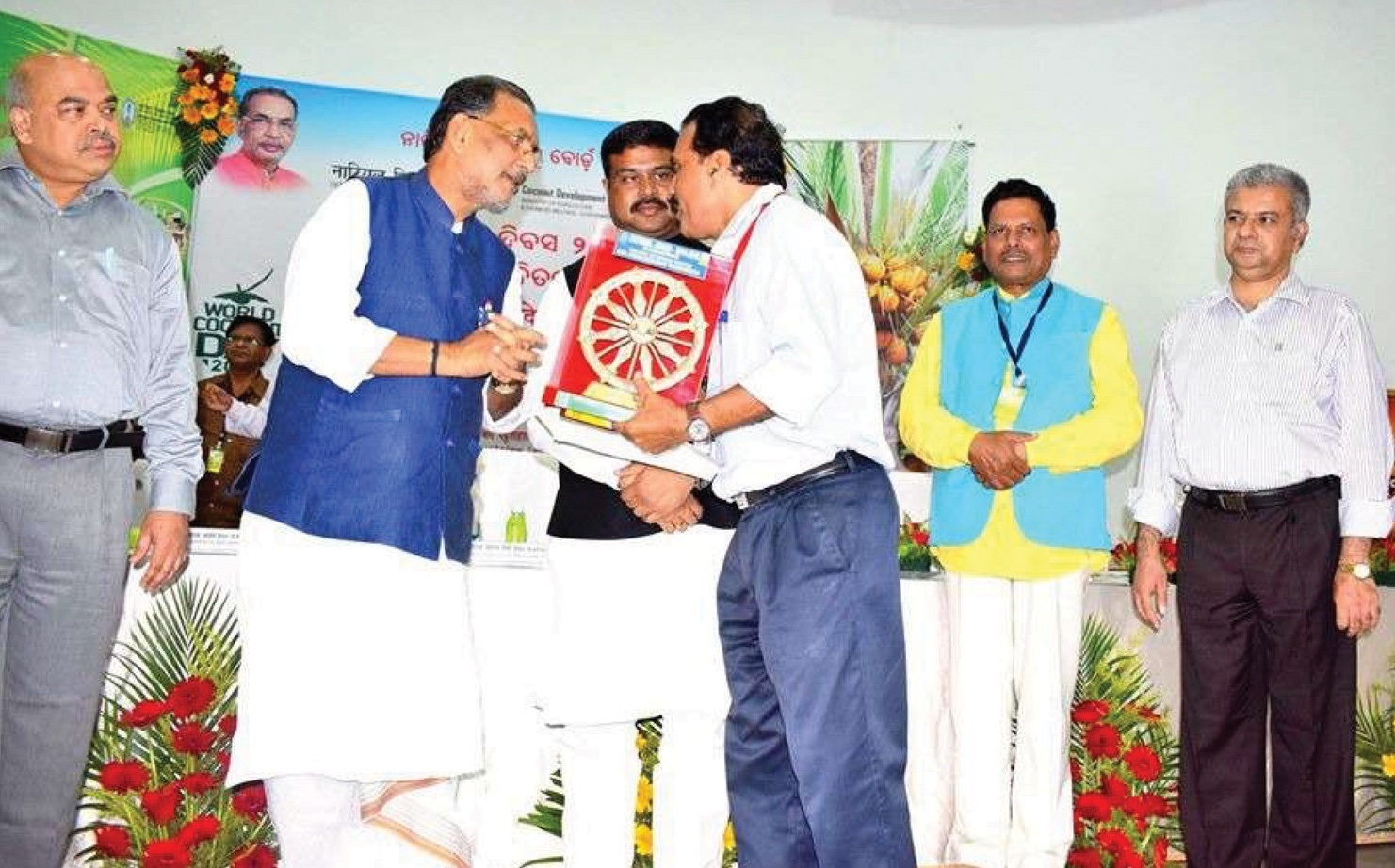 Receiving the National Award for Best Extension Worker, instituted by the Coconut Development Board from Mr Radha Mohan Singh, the then Union Minister for Agriculture, Government of India, during the World Coconut Day Celebrations organised by the Coconut Development Board on 2nd September 2016 at Bhubaneswar, Odisha
You received several awards during your illustrious career, and I am keen to share some of them with our readers. Could you share some of your notable wins?
During my career, I have received several awards, which I regard as recognition of the sincere efforts I have put into my work. Each award has been a source of inspiration to strive for even higher standards, and this has certainly been true in my case. Some of the notable awards include:
- The National Award for Best Extension Worker, instituted by the Coconut Development Board.
- The Dr B. R. Ambedkar Radio Media Award for the best documentary, instituted by the Department of Scheduled Castes and Scheduled Tribes.
- The Haritha Mudra Award, instituted by the Government of Kerala, recognises contributions to agricultural extension activities.
- The Guru Pooja Award, from the Kerala Sangeeth Natak Academy.
- Most recently, the Karshaka Bharati Award, instituted by the Government of Kerala, for outstanding contributions to agricultural journalism.
 How do you engage yourself in your field of interest post-retirement?
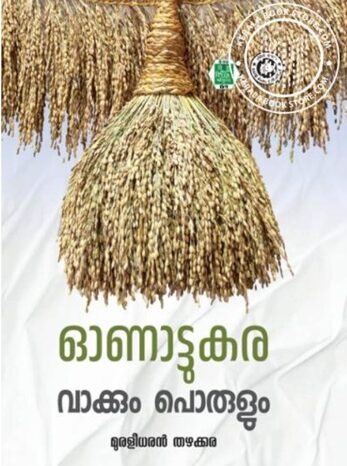
I am currently supporting community radio stations in Kerala, including Chetana Community Radio and Radio Media Village 90.8 FM. In addition, I continue to pursue my passion for writing. I recently published a book on the language, traditional proverbs (pazhnachollukal), and agricultural traditions of Onattukara, the region I hail from. I am presently working on a new book titled Onattukara Vakkum Porulum, as well as another project, Mannil Thotta Pazhamozhikal, which focuses on traditional proverbs used in agriculture.
 Dr C. Thamban recently retired as Principal Scientist (Agricultural Extension) from the ICAR–Central Plantation Crops Research Institute (CPCRI). He is currently supporting the project activities of the MS Swaminathan Research Foundation (MSSRF)’s Community Agrobiodiversity Centre in Wayanad. Over the past three decades, Dr Thamban has presented more than 200 radio programmes on All India Radio, sharing his expertise and insights with a broad audience (c.thamban@gmaill.com).
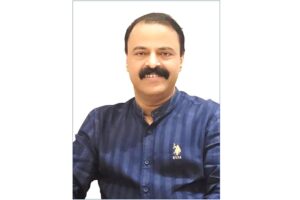
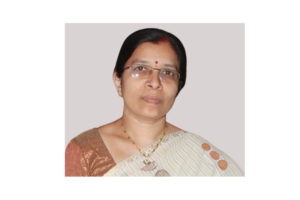
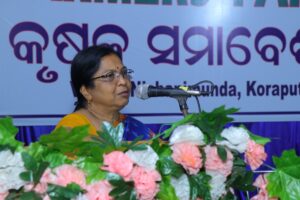
I thank AESA for this insightful account of the experiences of Mr. Muraleedharan Thazhakara, a renowned radio farm journalist. The interview effectively traces the evolution of farm journalism in All India Radio and highlights radio as a powerful extension tool that enables diverse farming communities to access agricultural information, technologies, and innovations across regions, languages, and gender.
The narrative brings out successful innovations in format and content, integrated with advances in communication modes, reflecting three decades of professional experimentation and experience. It also demonstrates how agricultural research has been translated to farm-level adoption and market linkages in the context of climate change, global market influences, and ethical considerations. The personal experiences shared underscore principles of leadership and purposeful content creation with the farming community at the core.
“The conversation between Mr Muraleedharan Thazhakkara and Dr. C Thamban had a smooth natural flow and harmonious blending since in my opinion both of them are real, field-oriented extension professionals. I appreciate their conversation for AESA in simple language without any academic jargons and confusing narratives. Thanks AESA for the insightful conversation.
I personally know Muraleedharan Thazhakkara as a renowned farm radio journalist, who played a crucial role in transforming AIR’s ‘Farm and Home’ programme as the dearest and most sought after educational programme of the farmers in Kerala. Muraleedharan’s role in making the programme acknowledged as ‘dear and near’ by the entire farming community needs special mention.
His publication in Malayalam titled ‘Ormayile Akashavanikalam’ is a compilation of his efforts and experiences, which also presents innovations introduced by him to scale up the programme for both reach and publicity. I earnestly request that an English translation of the publication may be brought out for reaching a wider audience outside Kerala”