
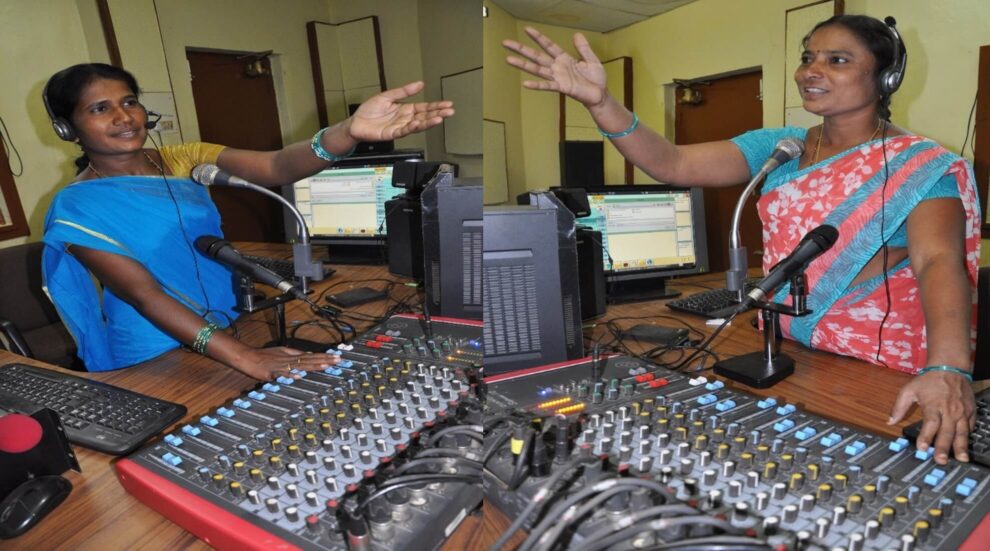
Sangham Radio is India’s first community radio station and the first to be operated entirely by Dalit women. In this blog, Nalgindla Narasamma, Masanagari Narasamma, Pagadala Sai Priyanka, Divya Veluguri, and C. Vara Prasad reflect on the journey of Sangham Radio and share the lessons they have learned along the way.
CONTEXT
In 1998, a group of Dalit women in Pastapur began recording programmes on cassette tapes. They didn’t have a broadcast license. They didn’t have fancy equipment. What they had was a conviction that their knowledge mattered about seeds, crops, food traditions, festivals and that mainstream media would never tell their stories.
There was a saying in their community: “When you’re working in a landlord’s house, surviving on daily wages, who will listen to your words? And even if someone listens, why would they broadcast what you say?” However, those women fought for a decade to obtain a radio license and eventually built Sangham Radio, India’s first community radio station, operated entirely by Dalit women.
WHY COMMUNITY RADIO?
“Our community and our knowledge were never seen or heard anywhere,” Narasamma begins. “No print media and no big media platforms talked about poor people like us. We have skills, knowledge, and face many challenges in our daily lives, but we never had a place to share any of it.”
The programmes on All India Radio or Doordarshan weren’t connected to them. They weren’t about their crops, their food practices, their indigenous knowledge systems, or the problems they faced every day. Dalit and indigenous people hold a great deal of traditional knowledge, but it was not respected socially. The women felt completely disconnected from outside media no access, no know-how, and no confidence that their voices mattered.
That’s when they realised, they needed their own radio a radio that belongs to their community, where they can speak in their own language, about their lives, their farming, their food, and their knowledge.
THE TEN-YEAR STRUGGLE
The biggest challenge was the lack of a clear policy for community radio. Radio work at the Deccan Development Society (DDS) began in 1998, but they struggled for almost ten years to obtain a proper broadcast license. Many people, including government officials, didn’t believe that poor, Dalit women could run a radio station.
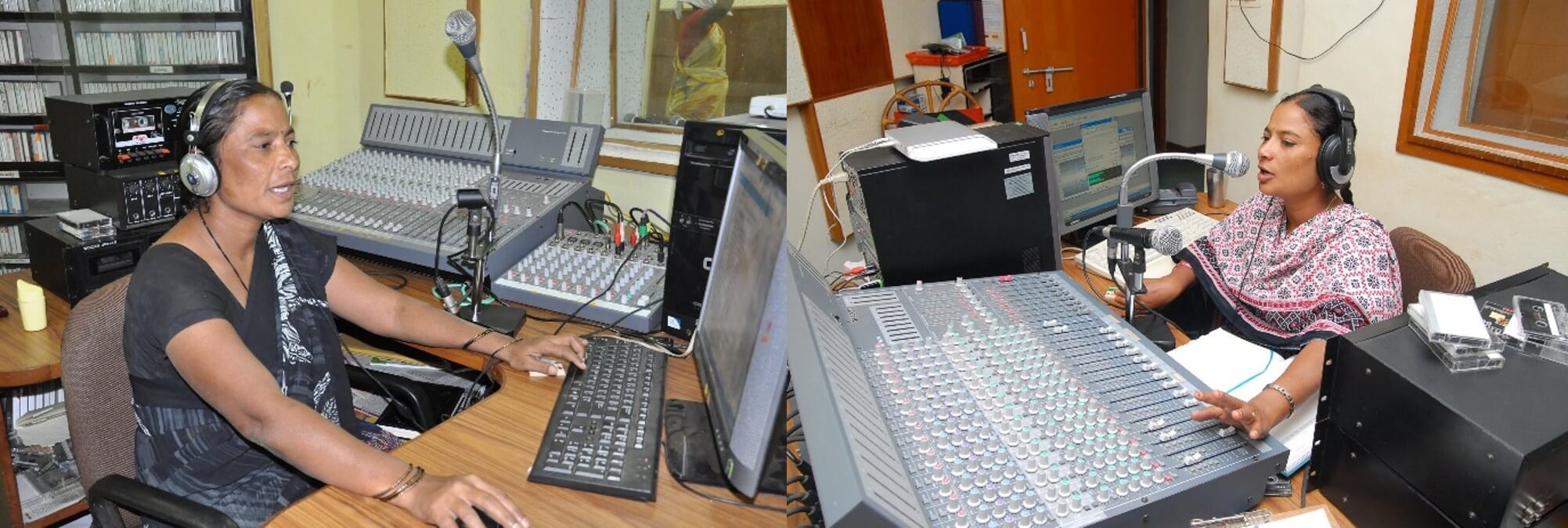
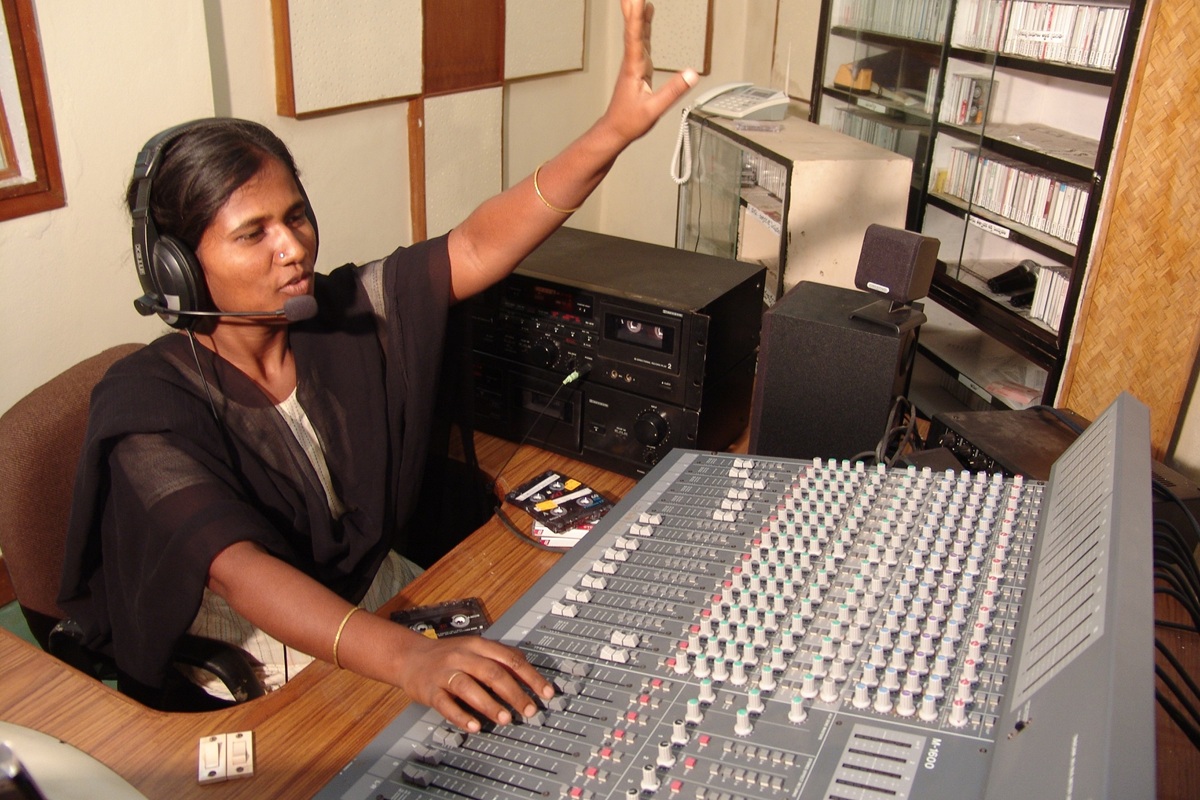
Without a license, they found their own way. They recorded half-hour programmes in a small recording room everything done manually on tape recorder cassettes. For every programme, they made 15 cassette copies. Each of the 15 Sangham supervisors would take one cassette and travel from village to village, playing it for women’s groups. For almost 15 days, they would move from one village to another. Women listened together, discussed the content, and gave feedback. That feedback shaped the next recordings. Even without a license, this process kept the radio spirit alive.
Different groups working on radio across the country formed the Community Radio Forum in 1999. Every year, they would meet for three days, conduct workshops, share experiences, and collectively push for a community radio policy.
When the Community Radio Policy was finally announced in 2006, it created opportunities for civil society organisations like DDS to institutionalise community-owned media formally. With collective efforts, they received the broadcast license in 2008, and Sangham Radio went on air from Zaheerabad.
P.V. Sateesh, founding director of DDS and a former television professional, played a key role in training the women. He taught them the basics of reporting, recording events, and documenting village happenings, first through tape recorders. Step by step, he introduced them to community radio operations how programmes are planned, recorded, edited, and shared. This hands-on learning helped women gain confidence and technical skills.
Once broadcasting began, the difference was clear. Through FM radio, they could reach around 150 villages simultaneously. Women started calling the station to give feedback, request songs, and topics. All Sangham groups could listen together at the same time. That’s when they truly felt the power of community radio.
LEARNING TECHNOLOGY AGAINST THE ODDS
None of the women had technical backgrounds. Most were illiterate. Their learning started in 1998, when P.V. Satish began training them patiently. For six months to a year, he taught recording basics what the red button does and how to start, pause, and stop. He’d give them tasks: record a piece of news from your village. Then he’d listen, point out mistakes, explain background noise, and voice clarity. Slowly, recording became an art.
Later, M.B. Patil from Doordarshan trained them in mixing technology. Stalin, a sound engineer from Loyola College, taught computer-based editing. Vijender Patil from Pune provided additional training all practical, hands-on sessions. No certificates, just practice.
“Even today, we still face challenges,” Narasamma admits. “Whenever a new technical problem comes up, we often have to call others for help. Not because we’re incapable of handling the technology, but because most of the technology speaks only in English.”
Language becomes a barrier. When menus, instructions, and error messages are in English, it pushes them back. If these systems were available in local languages, they could solve many problems independently. That’s the very reason they brought Sangham Radio into being to feel confident in their own language and accent.
PERSONAL TRANSFORMATIONS
Over the years, there have been many personal, social, and leadership changes. These didn’t happen overnight, but through their work at Sangham Radio.
Narasamma remembers one incident clearly. A respected elderly man from Kashimpur came looking for one of their radio producers and asked whether the “radio woman” was available. P.V. Satish proudly told him she was busy running the radio station. That moment showed how their work had given them dignity and recognition no longer just village women, but professionals with responsibility.
During COVID, a lesson about Sangham Radio was taught at Narasamma’s daughter’s school. Her daughter stood up in class and said, “This is my mother. This lesson is about my mother.” Her teachers and classmates came to interview her. “That moment made me realise how our work had changed not just our lives, but also how our children see us.”
The District Collector publicly questioned and reprimanded the Sarpanch for failing to recognise or support Sangham Radio. Through such interventions, their contributions began to be publicly acknowledged. Sangham Radio is regularly invited to public spaces, malls, social events, and political platforms to speak about community radio. Recently, a PhD scholar from Pondicherry University completed his doctoral research based on fieldwork at Sangham Radio.
“Sometimes, while giving interviews like this, I feel that we are still underestimated in our leadership,” Narasamma reflects. “We have been running and managing a community radio station for so many years, completely operated and controlled by women. That itself is a big leadership achievement.”
HOW CONTENT WORKS
At Sangham Radio, everything starts from the community. Village women are involved at every stage deciding programmes, producing them, and presenting them.
Sangham supervisors identify women from different groups who have real experience and expertise in health, crop practices, seed selection, and farming activities. These are not outside experts; they’re women who practice and live this knowledge every day.
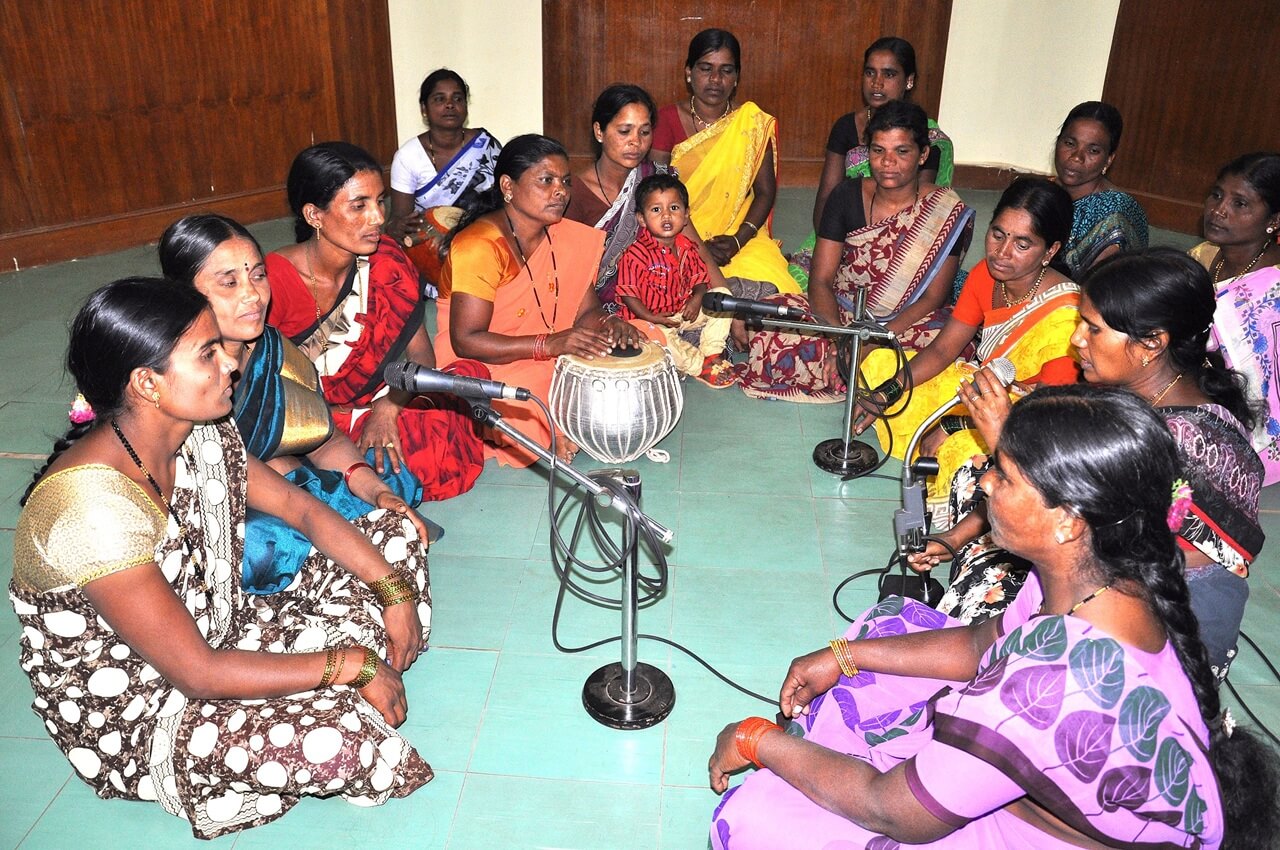
They regularly conduct radio planning meetings that include Sangham women, radio operators, and supervisors. Together, they discuss which programmes are needed, which topics to take up, and who should speak. The expert is always a Sangham woman. When recording a single programme, they usually invite six to seven women from different villages. They sit together, share experiences, talk freely, and respond to each other. This makes the programme lively and real.
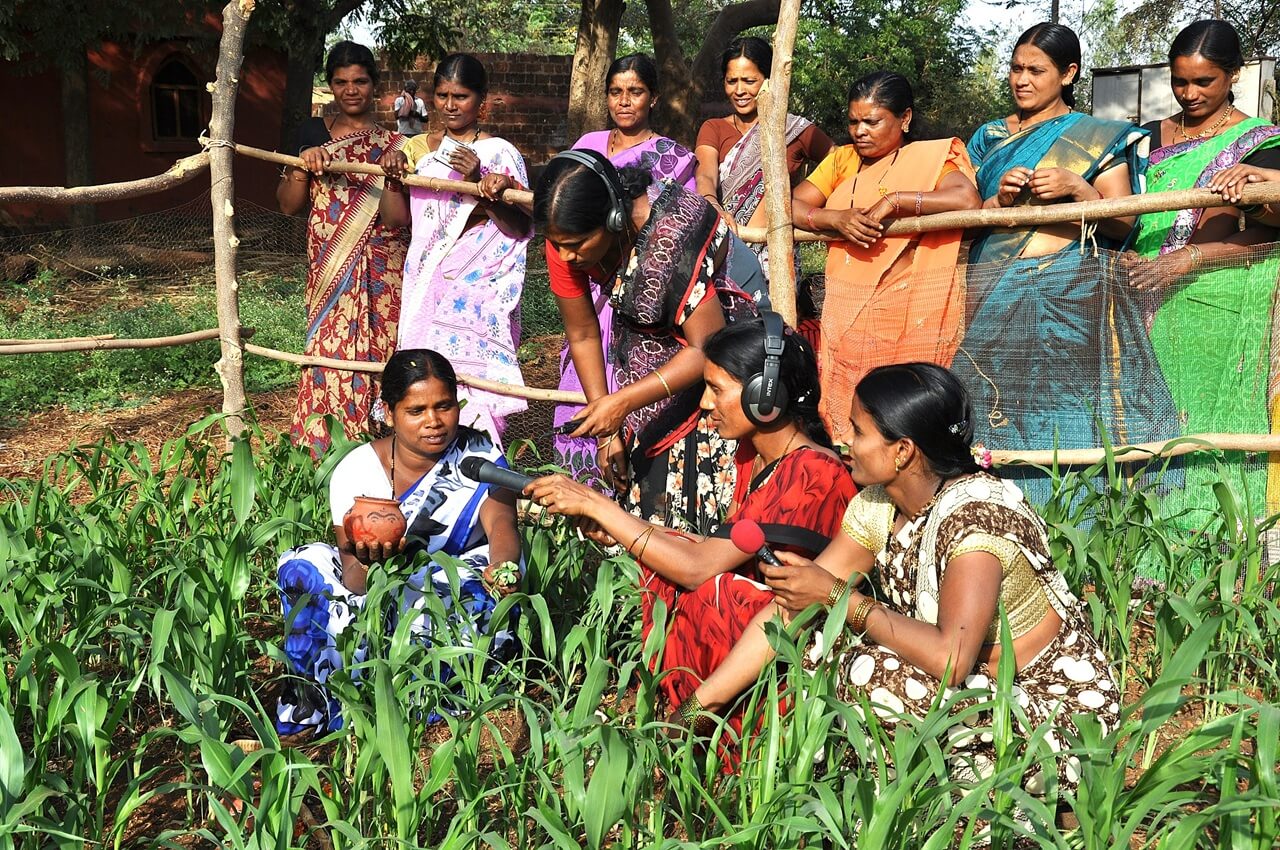
“In mainstream media, programmes are usually short, time-bound, and tightly structured. But our people don’t speak like that,” Narasamma explains. “They speak in detail, with emotions, experiences, and stories. Outside media often can’t handle this way of speaking. Their women are not trained speakers, not formally educated. Their language, accent, and way of narrating life are different.”
Even if a woman speaks at length or goes off on tangents, they carefully edit and use her words across relevant programmes. What may not fit one format can be useful in another. Their programmes reflect their lifestyle, history, and way of thinking. That’s why their stories must be told by them, in their own voices.
WHAT THEY BROADCAST
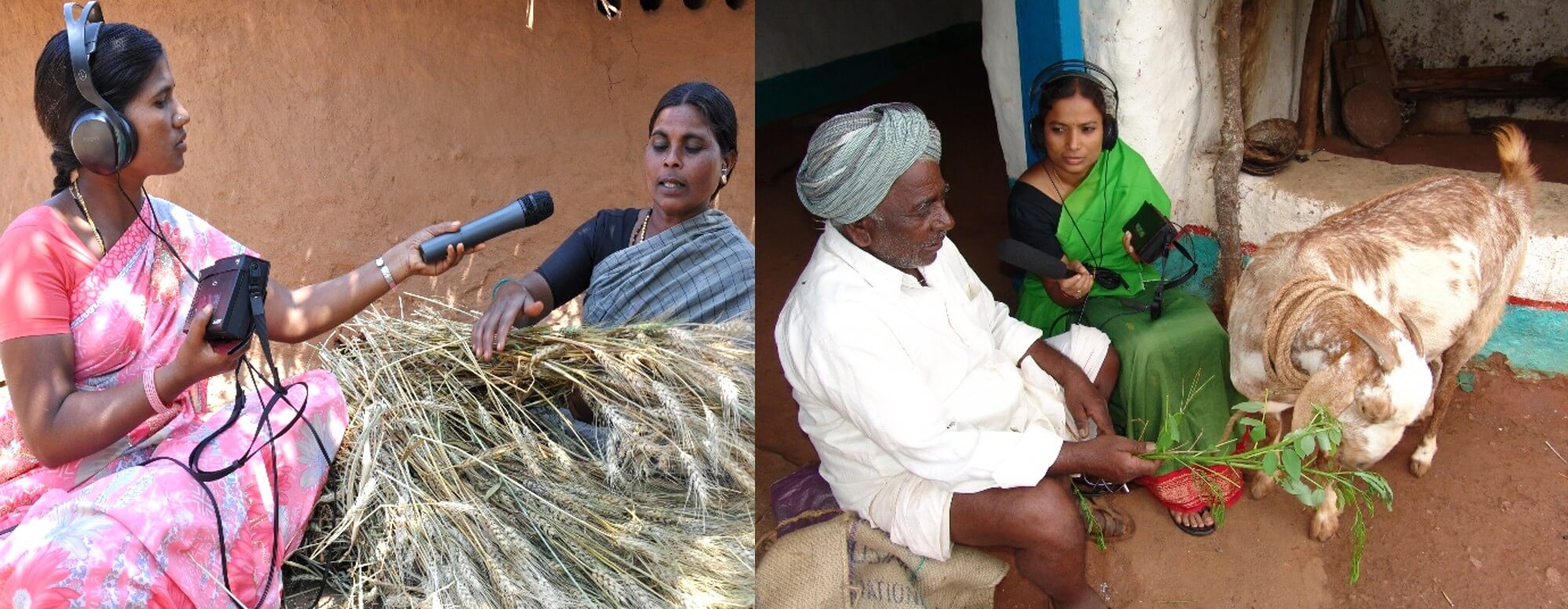
They broadcast two hours daily (7-9 PM) focusing on livelihoods, ecological farming, horticulture, women’s issues, health, food, and education. Programmes are carefully planned throughout the week, adapting to the seasons and community needs.
Mondays and Tuesdays focus on health and agriculture crop diseases, advisories, soil issues, traditional practices, and folk songs. Tuesday also features Balanandam for children. Wednesday broadcasts Savidi katta, which addresses legal and social issues women face, including domestic violence, household disputes, women’s rights, and legal support. Thursday focuses on local recipes and indigenous foods.
Everything is season-based. Crop advisories change with crop stages. Food programmes follow seasonal availability. Health messages respond to current village issues. Seasonality and community needs decide what they broadcast and when.
CURRENT REACH AND ADAPTING DIGITALLY
Sangham Radio currently broadcasts on 90.4 FM, reaching about 9-10 kilometres and covering around 12 villages. This is down from earlier years when they covered 150 villages across 35 kilometres. Policy changes and transmitter regulations reduced their range they now use lower-power BASIL transmitters instead of the earlier TASCAM and NOMAD systems.
They’ve adapted by going digital. Their YouTube channel streams programmes live daily, reaching listeners beyond FM range migrants, youth, people who’ve moved away but want to stay connected. They also run a toll-free helpline (1800-425-4085) from 10-11 AM daily, receiving 15-20 calls an hour. This feedback guide’s programme content.
LISTENER FEEDBACK SHAPES CONTENT
During an agriculture programme, they spoke about a crop traditionally believed to help with knee pain. A woman from Machnoor village came directly to the radio station, shared her health problem, and asked about such remedies. This made them realise their programmes were creating real expectations and trust. They redesigned and strengthened health-related programmes in response to her concerns.
From listener responses, they understood people wanted to hear more folk songs, not just short clips. They increased the length of folk songs and interspersed them between discussions. This made programmes more engaging and relatable people felt the radio reflected their own culture and rhythm of life.
PRESERVING WHAT’S DISAPPEARING
They regularly air language programmes in the Zaheerabad-based Telugu accent, explaining local words and meanings so younger generations can continue using them. Words like Kunam Pattinava (recognising), Malasa (many), Mili (glass) everyday speech that’s slowly fading.
They run programmes on local history and village art traditions, documenting oral histories that have never been written down. Mana Panthalu discusses the relationship among crops, soil, and festivals. Festivals like Yennulu katte punnami, during the millet harvest, are explained in detail including rituals such as tying arrows to the house beam as a symbolic celebration.
They also promote Pata Pantala Jatra, a mobile biodiversity festival organised by DDS for 26 years, which focuses on millet cultivation and seed conservation. They highlight Aku Kurala Pandaga, a festival of uncultivated green leafy vegetables that promotes biodiversity and traditional nutrition.
Sangham Radio doesn’t broadcast religious or political content. Their focus is purely on culture, livelihoods, health, and community wellbeing.
SUPPORTING SUSTAINABLE AGRICULTURE
They work closely with ICAR-Krishi Vigyan Kendra (KVK) trainings. Training on organic farming, natural farming, and scientific practices is translated and broadcast on the radio in the local language, so farmers can easily understand and apply these practices in the field.
Their programmes consistently discuss seed conservation, seed selection, soil health, and environmental protection. They remind farmers that conserving seeds and following organic practices protects land for future generations. If knowledge and technology remain with community members, they can grow their own food, protect their soil, and remain independent.
A farmer from Khasimpur, Rangamma, once forgot to plough her one-acre field at the right time. After listening to the radio, she was reminded, went back, and completed the ploughing at the correct stage. That small reminder made a big difference to her crop.
WHAT’S NEEDED FOR SUSTAINABILITY
They need support at many levels. Institutionally, they need recognition from media houses and institutions, basic infrastructure support, and cross-learning opportunities. Financially, they depend almost entirely on DDS. Earlier, Sangham women contributed small amounts, but that has since decreased. To scale up and maintain equipment, they need stable funding and regular mechanisms.
For policy support, their broadcast power and coverage radius need to be increased to reach more villages. Technology is changing fast, and many new formats don’t match their old systems. They need policy support to upgrade technology and access schemes meant for community radios. A separate budget allocation would help. They need a strong support system to survive and grow.
LOOKING BACK, LOOKING FORWARD
Over 17 years, the changes aren’t always measurable in monetary terms, but they’re visible in village life. Folk songs connected to festivals, crops, and rituals were being forgotten. By repeatedly airing them, they’ve kept traditions alive. Local folk art forms like Burakatha and Chitikelata now reach multiple villages and younger listeners.
Their long-term vision is to grow with time without losing community roots. They see digital platforms like YouTube as extensions, not replacements. As the media landscape changes, they want to train the next generation especially young women and students in community radio production and digital storytelling.
They believe community-owned media plays a crucial role in building a democratic media ecosystem because it speaks in local languages, reflects real-life issues, and is accountable to people rather than to markets or political interests. Given the opportunity, they would like to expand their coverage, contribute content to wider networks, and engage with more themes that matter to communities, while staying rooted in their values.
“As long as we get the opportunity,” Narasamma says, “we would like to expand our coverage and engage with more themes that matter to communities, while staying rooted in our values.”
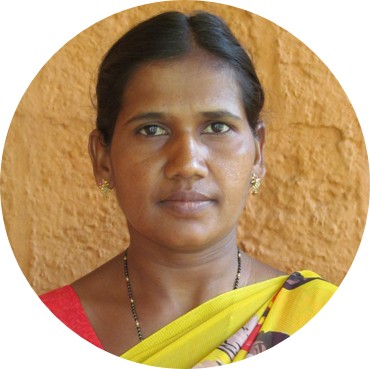 Mrs Nalgindla Narasamma is a grassroots professional with deep expertise in community video production, traditional seed conservation, and seed bank management. As a supervisor with the Deccan Development Society (DDS), she works closely with Sangham groups. She leads a Self-Help Group of women engaged in value addition, who collectively process and market their produce to strengthen livelihoods and food sovereignty. sanghamradio@gmail.com
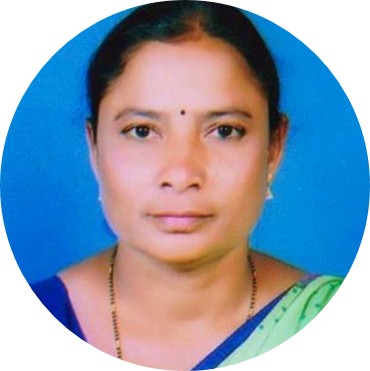 Mrs Masanagari Narsamma is a senior women’s leader and supervisor with the Deccan Development Society (DDS). She has been actively involved in various DDS activities for many years, working closely with village women, millet restaurant and community institutions, supporting grassroots communication, collective learning, and women-led development processes. sanghamradio@gmail.com
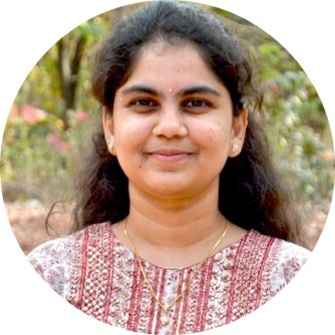 Dr. Pagadala Sai Priyanka serves as Subject Matter Specialist (Agricultural Extension) at DDS Krishi Vigyan Kendra, Sangareddy, Telangana. She leads outreach and capacity-building initiatives, strengthening linkages between research institutions and farming communities. Her work focuses on extension research, technology assessment and feedback studies, with particular interest in nutrition-sensitive agriculture and agribusiness development to enhance sustainable rural livelihoods. (saipriyanka.ddskvk@ddsindia.org)
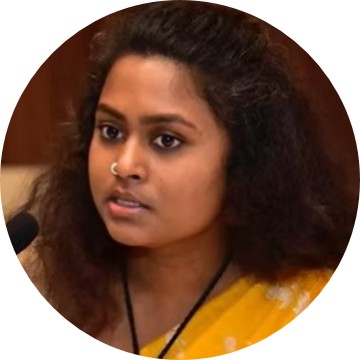 Dr. Divya Veluguri is the Executive Director of the Deccan Development Society (DDS), where she provides strategic leadership in advancing community-led development, sustainable agriculture, and women’s empowerment initiatives. She works closely with grassroots institutions, promoting ecological farming, biodiversity conservation, and inclusive development models that strengthen rural livelihoods. Her work emphasizes policy engagement, knowledge building, and amplifying marginalized voices through community-driven platforms. (ed@ddsindia.org)
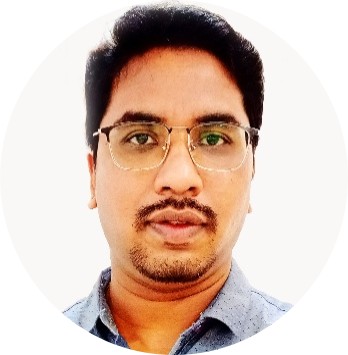 Dr. C. Vara Prasad, Senior Scientist and Head of DDS Krishi Vigyan Kendra, works to strengthen agricultural extension by building farmers’ capacities and improving rural livelihoods through innovative and sustainable farming practices.He actively promotes the use of ICT and modern agricultural technologies to empower farming communities and enhance knowledge dissemination at the grassroots level.(varaprasad.ddskvk@ddsindia.org)

Add Comment