


“My experience suggests that investing in human resources is the most sustainable investment for transforming agricultural extension systems. The agricultural extension discipline must prioritise evolving changes and mentoring the next generation of professionals to evolve and maximise its impact”.
– Dr Saravanan Raj
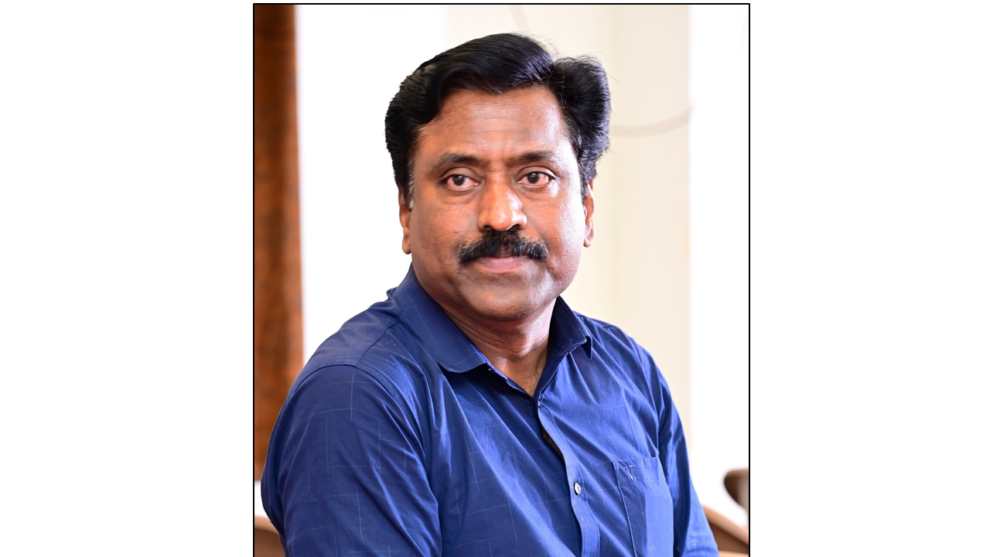
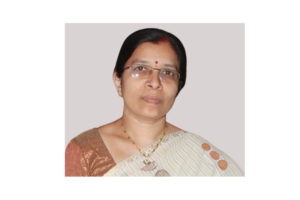
Dr Saravanan Raj is the Director (Agricultural Extension) at the National Institute of Agricultural Extension Management (MANAGE), Hyderabad, India, and his contributions reflect a deep commitment to empowering extension professionals, strengthening institutions, and building a new generation of agricultural extension professionals.
In an engaging conversation with D. Alagu Niranjan and Raahalya Sandipamu, Dr Saravanan Raj reflects on strengthening the capacities of the next generation of extension professionals through the MANAGE–National Young Professionals Development Program (NYPDP) and shares his vision for advancing the discipline of agricultural extension.
Could you share how you began your career and when you became a part of MANAGE?
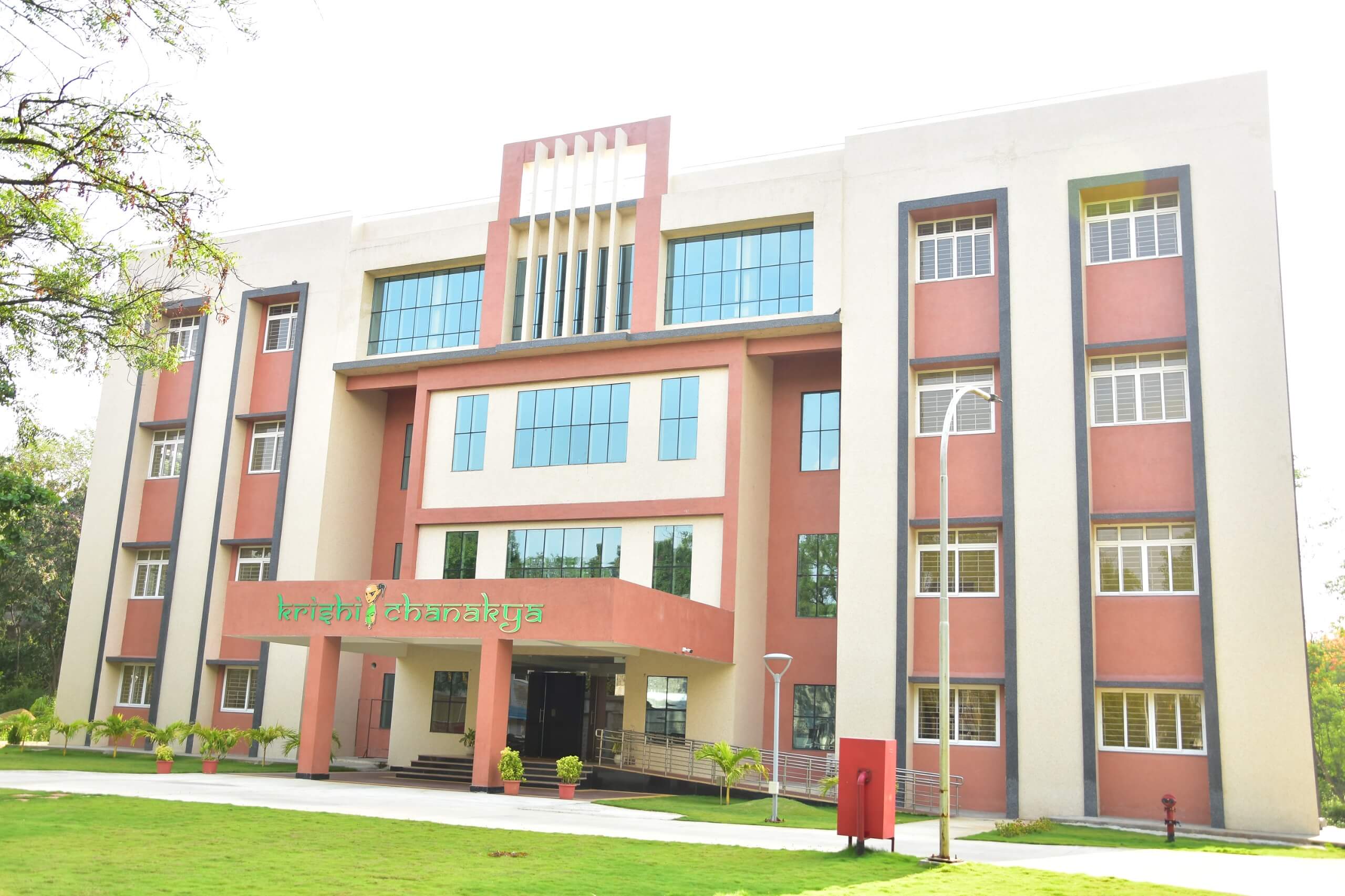
I joined the Central Agricultural University (CAU) in 2002 as an Assistant Professor after completing my PhD in Agricultural Extension from the University of Agricultural Sciences (UAS), Bengaluru. At CAU, I served for 14 years, initially in Arunachal Pradesh and later in Meghalaya. In February 2016, I joined the National Institute of Agricultural Extension Management (MANAGE) as Director (Agricultural Extension), and this year I have completed ten years of service with MANAGE.
You started training and mentoring programs for young extension professionals at MANAGE, involving students as facilitators. How did you find that experience?
Beginning in 2016, MANAGE made a conscious effort to engage young extension professionals and postgraduate students in meaningful capacity-building. The basic idea was that students interested in areas such as ICTs, extension methodologies, Agricultural Innovation Systems (AIS), or communication for development should have opportunities to participate directly in training programmes related to these themes.
Announcements were shared on social media, inviting interested students to join ongoing training programmes aligned with their interests. Selected students were allowed to participate without paying programme fees, but were expected to cover their own travel expenses.
These student facilitators participated in both on-campus and off-campus training programmes. Their role extended beyond observation. They assisted in programme coordination, supported resource persons, documented sessions, and prepared meeting notes and reports.
Through this engagement, students not only strengthened their subject knowledge but also gained hands-on exposure to training design, facilitation, and programme management. Participants came from institutions such as ICAR–NDRI and several agricultural universities across the country.
This initiative continued through 2017 and became one of the earliest informal mentoring efforts to nurture the next generation of extension professionals.
How did the MANAGE 30 programme evolve?
MANAGE 30 began as a simple idea during the 30th anniversary of the National Institute of Agricultural Extension Management. Over time, it became clear that while extension professionals often possess strong technical knowledge, effective work in today’s agricultural environment requires much more than technical expertise alone. Confidence, the right mindset, and practical professional skills are equally important.
MANAGE 30 was designed with this understanding—to provide young extension professionals with a space to grow not only as learners but also as confident professionals. The programme brought together young professionals aged 24 to 35 from the agriculture and allied sectors, representing both public and private organisations. One of its core principles was the train-the-trainer approach. Participants were encouraged to take their learning back to their organisations and regions and share it with others.
Gradually, this helped create a sense of shared purpose and a growing community of practice among extension professionals. The first MANAGE 30 programme was held from 1 to 21 November 2017 at MANAGE, Hyderabad. Beyond technical sessions, the programme emphasised values such as service to farmers, teamwork, and responsibility toward strengthening the agricultural extension system.
Participants were encouraged to reflect deeply on their roles and explore ways to make extension services more responsive and meaningful for farming communities.
In many ways, MANAGE 30 marked a turning point. It shifted the focus from routine training to a more holistic approach to preparing young professionals for leadership roles in agricultural extension. The programme demonstrated that when young professionals are trusted, mentored, and given the right exposure, they begin to see themselves not merely as extension workers but as future leaders shaping the direction of extension systems.
When did you begin the MANAGE Internship Programme? How’s it going for you so far!
In 2017, MANAGE launched a full-time residential Internship Programme to provide students with deeper, more meaningful exposure to agricultural extension. The intention was not simply to keep students engaged for a few months but to create an environment where they could explore research ideas, work on contemporary topics, and understand how research connects with real-world extension practice. The programme aimed to nurture curiosity, professional dynamism, and a strong research orientation among extension students.
The first batch of interns joined the programme from 1 August to 31 October 2017. Students came from agricultural universities and institutions nationwide, bringing diverse academic backgrounds and perspectives.
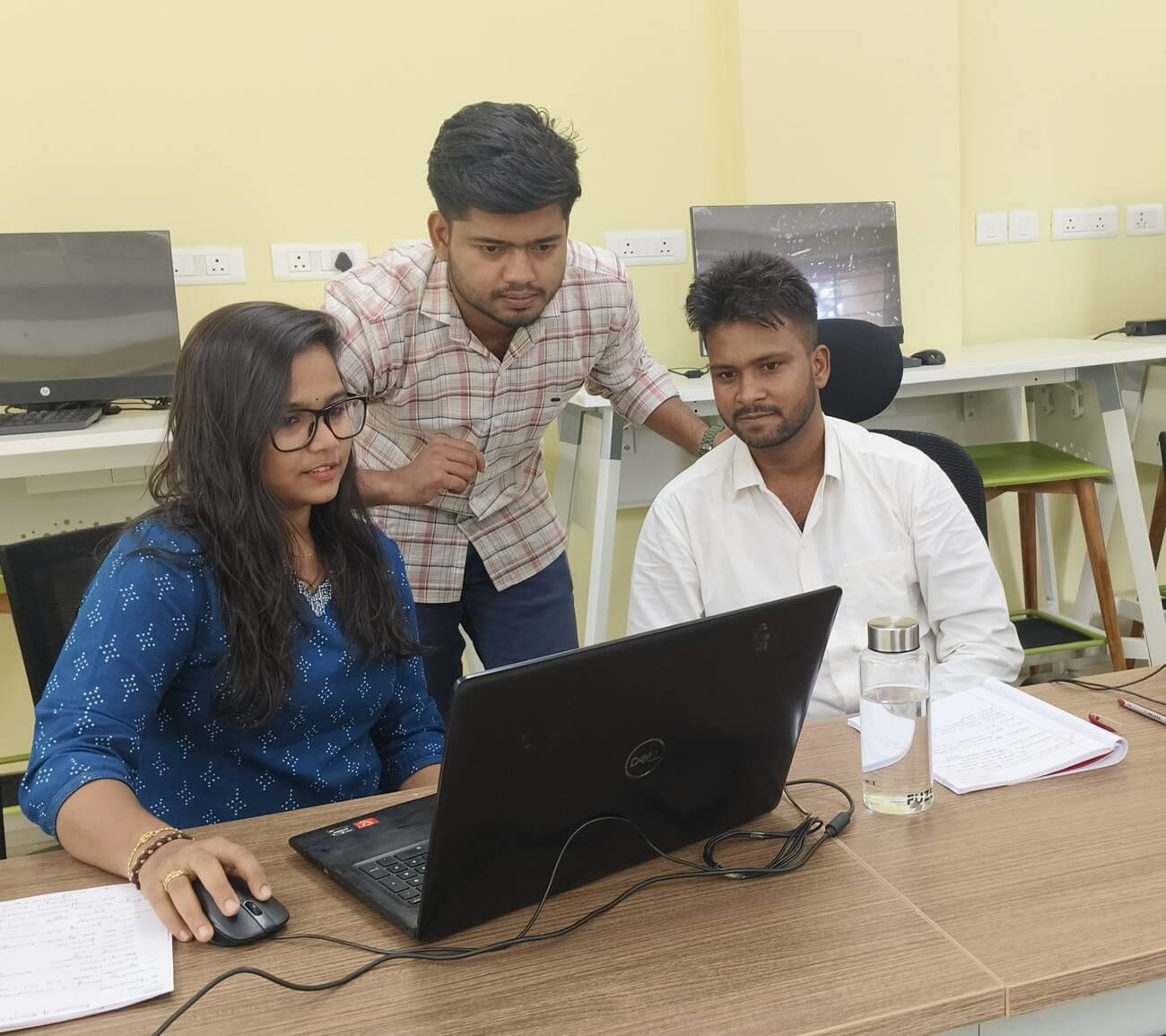
Because the programme was residential, interns had the opportunity to interact daily with faculty, researchers, and professionals. This enabled them to understand both the research process and the operations of a national-level extension institution. To support students financially, a stipend of ₹10,000 per month was provided for the three-month internship. Later, a six-month internship option was introduced for those seeking a deeper engagement with research and institutional activities, with a stipend of ₹35,000 per month. Between 2017 and 2025, 58 students completed the internship programme.
By the end of the internship, students were encouraged to produce tangible outputs, including discussion reports, summary reports, research papers, review articles, and policy briefs. These outputs helped strengthen their analytical thinking, research writing, and communication skills.
More importantly, the experience encouraged many students to see agricultural extension not merely as an academic subject but as a field that integrates research, practice, and real-world impact.
You also started the Evening for Learning (E4L) series. What inspired this idea, and how did it go?
Evening for Learning (E4L) began with a simple question: how can we reach young people interested in agriculture and extension who may not always be available during regular academic or office hours?
The idea was to create a relaxed yet meaningful learning space where conversations about agricultural extension could take place openly and accessibly. Through E4L, extension was presented not merely as a conventional service role but as a field full of possibilities within a rapidly changing agri-food system.
The series brought together individuals with diverse professional journeys—experienced extension practitioners, young professionals exploring new career paths, and experts with national and international exposure. Listening to their experiences, challenges, and successes helped participants connect theoretical knowledge with real-world practice.
E4L primarily reached undergraduate students in agriculture and postgraduate extension scholars. For many participants, these sessions were eye-opening, helping them understand the wide range of roles extension professionals can play in modern agriculture.
One factor that significantly contributed to E4L’s success was its timing. Sessions were held in the evening when participants were more relaxed and free from daily commitments. This simple decision helped maintain high participation from students, practitioners, and professionals.
The enthusiasm and engagement during these sessions demonstrated how flexible and thoughtfully designed learning platforms can make capacity-building more inclusive and accessible.
Beyond these structured interventions, what other ways do you use to mentor the next generation of students?
Mentoring students has always extended beyond formal training programmes. Whenever possible, I make it a point to visit universities, colleges, and institutions to interact directly with students and young professionals.
While training programmes offer valuable mentoring platforms, interacting with students within their own academic environments often creates greater openness and dialogue. These interactions allow conversations to extend beyond structured sessions and help build deeper professional connections.
Discussions during such visits go beyond academic topics. They often focus on emerging competencies required of future extension professionals amid rapid changes in agriculture, digital technologies, and advisory systems.
Attention is also given to emerging career opportunities, evolving roles of extension professionals, and new research priorities within agricultural extension.
These voluntary engagements have reinforced my belief that mentoring is most effective when it is accessible, informal, and responsive to students’ contexts. Meeting students within their universities allows us to support their professional thinking at an early stage and encourage them to view extension as a field rich with opportunities for learning, innovation, and meaningful impact.
What was the MANAGE induction and early-career training in advancing agricultural extension?
The programme was designed to develop strong technical and functional competencies among newly recruited/early-career agricultural extension professionals, while nurturing leadership qualities, team spirit, and a commitment to professional excellence. Emphasis was placed on enhancing digital skills, strengthening documentation capabilities, and fostering positive values and behavioural transformation, all of which are essential for effective extension service delivery.
Over the course of the programme, participants were exposed to a diverse range of themes, including the changing roles of agricultural extension, global best practices and innovation in extension, gender- and nutrition-sensitive approaches, climate change adaptation, ICT applications in extension, and key soft skills for professional development. Structured institutional visits further enriched the learning experience by providing hands-on exposure to relevant technologies, methodologies, and innovative practices that officers can meaningfully apply in their engagement with farmers.
MANAGE organised a comprehensive two-week Induction Training Program for the 85 and 83 newly recruited Meghalaya Agricultural Service (MAS-III) Officers of the Department of Agriculture and Farmers Welfare, Government of Meghalaya during October 2022 and October 2026, respectively. A similar program was launched for other state early-stage extension professionals, but responses were not forthcoming.
What inspired the idea to conduct the New Generation Entrepreneurial Skill and Entrepreneurship Development Programs (EDPs) for Undergraduate students at MANAGE?
The New Generation Entrepreneurial Skill and Entrepreneurship Development Programs (EDPs) for undergraduate students at the National Institute of Agricultural Extension Management (MANAGE) were designed to nurture an entrepreneurial orientation, innovation capacity, and startup readiness among young agricultural graduates. In the context of the rapidly evolving agri-startup ecosystem in India and the growing opportunities for agribusiness entrepreneurship, the programme aimed to expose students to emerging business models, agritech innovations, and the broader agri-innovation ecosystem.
Considering the increasing emphasis on entrepreneurship in agricultural education and based on the demand expressed by agricultural universities during the implementation of the National Agricultural Higher Education Project (NAHEP), supported by the Indian Council of Agricultural Research and the World Bank, the New Generation Entrepreneurial Skills Training and Internship Programme was organised during 2022, 2023, and 2024. Through this initiative, a total of 1,605 undergraduate students from leading agricultural universities—including Chaudhary Charan Singh Haryana Agricultural University, Hisar, Haryana; Acharya N. G. Ranga Agricultural University, Andhra Pradesh; University of Horticultural Sciences Bagalkot, Karnataka; and Keladi Shivappa Nayaka University of Agricultural and Horticultural Sciences, Shivamogga, Karnataka—participated in the programme and were exposed to entrepreneurial skills, startup ecosystems, and experiential learning opportunities in agribusiness and innovation.
Could you share why the decision was made to host the National Young Professionals Development Programme (NYPDP) on a national level? Also, how’s it been progressing so far?
The idea of launching the National Young Professionals Development Programme (NYPDP) emerged from a broader reflection on the future of agricultural extension in India.
 Over time, it became evident that although agricultural extension education has a strong academic foundation, it requires renewed alignment with field realities, emerging technologies, and evolving career pathways.
This thinking gained momentum through an initiative led by MANAGE in collaboration with around 30 agricultural universities, forming the MANAGE–University Alliance for Advancing Agricultural Extension and Advisory Services. The alliance aimed to revitalise extension education by making it more practice-oriented, future-focused, and responsive to the evolving needs of farmers and advisory systems.
A significant milestone in this process was the National Workshop on “Agricultural Extension: Time to Change”, held from 14–16 February 2017 at MANAGE, Hyderabad. The workshop initiated a national dialogue involving faculty, researchers, extension professionals, students, and development practitioners who shared concerns about the relevance and direction of extension education.
Following this workshop, MANAGE established a Committee on Agricultural Extension Curriculum Reforms, working closely with the ICAR Broad Subject Matter Area (BSMA) Committee and stakeholders from agricultural universities, ICAR institutes, NGOs, and extension organisations.
The outcome was a revised curriculum that emphasised practical relevance, interdisciplinary thinking, and the development of multidimensional competencies needed to address complex advisory systems, technology transfer, and rural innovation processes.
Against this backdrop, NYPDP was conceptualised and launched in 2024. The programme was designed not as a one-time training event but as a national platform to orient young scholars, faculty members, and early-career professionals to contemporary themes in agricultural extension research, practice, and policy.
Agriculture today is undergoing rapid transformation driven by digital technologies, climate challenges, evolving value chains, and the growing demand for inclusive, evidence-based extension services. Consequently, the next generation of extension professionals requires a very different skill set compared to traditional systems.
NYPDP was therefore envisioned as a platform where young professionals could develop a broader understanding of extension—one that includes digital agriculture, sustainability, entrepreneurship, value-chain perspectives, and policy engagement alongside conventional advisory roles.
Equally important was the goal of building a national network of young extension professionals who could learn from each other, collaborate across regions, and contribute to extension reforms within their institutions and states.
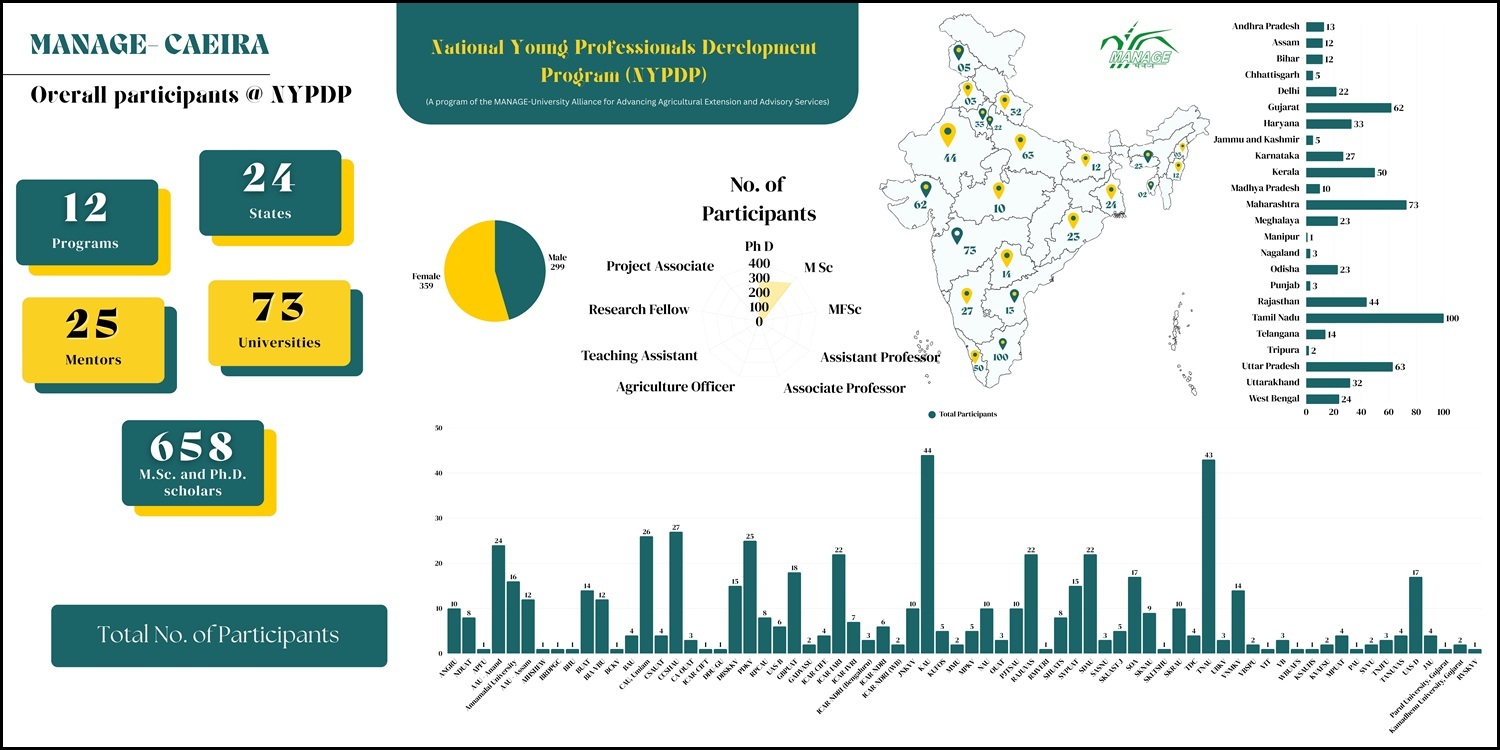
The response to the programme has been highly encouraging. Since its launch, 12 cohorts have been completed, reaching 658 young professionals from 73 agricultural universities across 22 states.
Participants have shown strong engagement with lectures, group discussions, and field-oriented learning components. Many have shared that the programme fundamentally changed how they perceive agricultural extension—from a narrow advisory role to a broader, systemic, research-driven, and innovation-oriented profession. One of the most rewarding outcomes has been the emergence of an informal yet active national network of young extension professionals. Participants continue to remain connected beyond the programme, collaborating across states, exchanging ideas, and initiating new research and outreach activities inspired by their NYPDP experience.
What makes the NYPDP stand out from other training programs? What are you truly preparing young professionals for?
What differentiates the National Young Professionals Development Programme (NYPDP) from other training initiatives is not merely the content we deliver, but the transformation we seek to initiate. From the outset, we recognised that a five-day programme cannot and should not attempt to replicate what students already learn in their universities. That is not the purpose of NYPDP.
NYPDP is the first nationwide programme of its kind initiated by MANAGE, and it was deliberately designed to address a gap that conventional training programmes often overlook. Our primary focus is on shaping the mindset of young extension professionals—how they perceive the discipline of agricultural extension and their role within it.
Many participants enter the programme with limited clarity about the discipline. Some view agricultural extension as a secondary subject with fewer career prospects compared to other agricultural sciences. As a result, they often arrive uncertain about the field’s scope and their own professional future within it.
For this reason, the programme begins not with lectures but with a fundamental question: What do you want to learn, and why? If participants want a repetition of university content, the programme would add little value. Instead, we encourage them to explore what agricultural extension represents today, the career opportunities available, and the competencies required to succeed in these roles. This shift in perspective is essential.
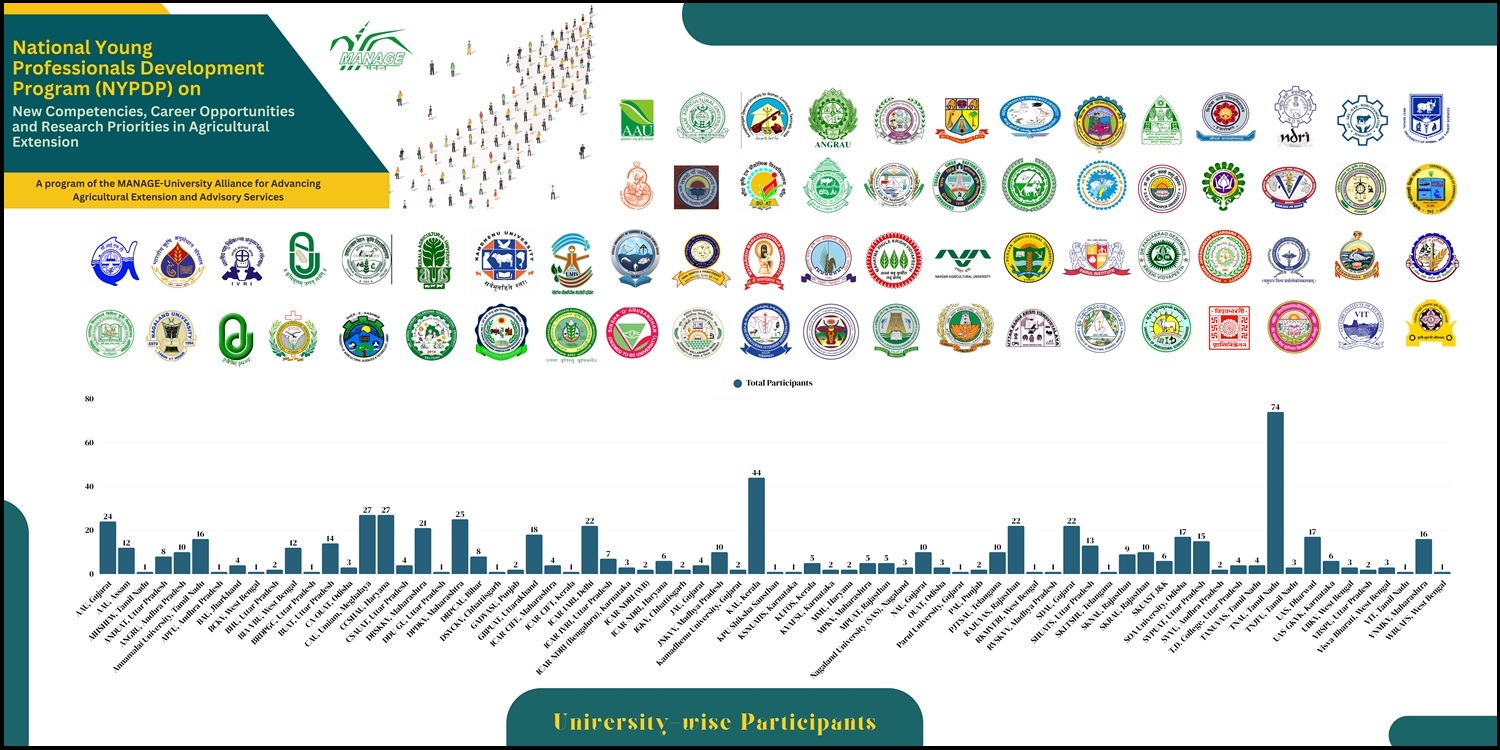 University: wise participation in the NYPDP Programme
Throughout the programme, we emphasise emerging competencies, evolving career pathways, and new research priorities in agricultural extension. Discussions focus on how extension is adapting to digital technologies, addressing sustainability challenges, integrating value chains, fostering entrepreneurship, and engaging with policy. Understanding the evolving relevance of the discipline within a rapidly changing agricultural landscape becomes the first and most important lesson.
We are transparent about the fact that NYPDP cannot cover everything in five days. Our goal is to create a shift in thinking—how participants approach the discipline, their careers, and their responsibilities as future professionals. Once that shift occurs, learning continues long after the programme ends. Participants begin to explore new areas independently, rethink their research directions, and approach extension with renewed confidence and purpose.
Ultimately, that is what we are training young professionals for—not merely to acquire information, but to understand agricultural extension differently, recognise its relevance, and position themselves as meaningful contributors to its future.
How is the NYPDP making a positive difference in the lives of young professionals?
The impact of NYPDP is best understood not through institutional claims but through the voices of the participants themselves. From the beginning, we believed it would be far more meaningful for participants to articulate how the programme influenced them rather than for us to describe its benefits.
This led to the introduction of NYPDP Diaries, where participants document their learning journey and reflections throughout the programme. These diaries vividly capture how the programme helps participants rethink their perception of agricultural extension and their own professional identity. Many reflections reveal a shift from uncertainty and self-doubt to confidence and clarity. Participants often begin to see themselves not merely as students but as future change-makers within the extension system. This internal transformation is one of the programme’s most significant outcomes.
Another noticeable change is in the way participants engage with professional networks. Many young professionals began actively using platforms such as LinkedIn to connect with extension practitioners, researchers, and policy professionals at national and international levels. They also developed the habit of continuous learning and reflection by sharing insights and engaging in discussions online. Over time, this collective engagement has helped build a strong professional network.
 Today, MANAGE CAEIRA facilitates an agricultural professionals’ community of over 42,500+ members, creating ongoing opportunities for dialogue, collaboration, and knowledge exchange. The programme has also influenced participants’ willingness to pursue internships and experiential learning opportunities. Earlier, many students expressed hesitation and self-doubt about their ability to take up internships or professional assignments. After participating in NYPDP, this hesitation has noticeably reduced. Students now apply for internships with greater confidence and engage more actively with institutions and organisations. Many are currently working and learning across various regions and institutions, reflecting the programme’s role in strengthening professional readiness.
Additionally, participants increasingly take the initiative to enhance their competencies beyond formal education. Several young professionals have enrolled in specialised courses, skill-based programmes, and short-term training aligned with their interests and career goals. This shift toward self-driven learning demonstrates that NYPDP has successfully instilled a mindset of continuous professional development.
Overall, the impact of NYPDP extends beyond immediate learning outcomes. It is most visible in the long-term behavioural and attitudinal changes among participants. The programme has enabled young professionals to build confidence, expand their networks, explore new opportunities, and position themselves more proactively within the agricultural extension ecosystem.
What are your ideas for moving NYPDP forward?
Looking ahead, the goal is to ensure that the National Young Professionals Development Programme gradually reaches every extension professional in the country—either directly or indirectly.
Over time, we have seen growing interest from students and young professionals across different regions. Many actively express a desire to participate in the programme, indicating that NYPDP addresses a genuine need within the extension ecosystem.
So far, the programme has covered a wide range of themes, including ICTs, climate change, emerging research priorities, policy engagement, organic farming from an extension perspective, monitoring and evaluation, and the role of NGOs in strengthening agricultural extension. While this broad exposure has been valuable, the next phase aims for deeper and more focused engagement.
To achieve this, we plan to introduce the NYPDP Thematic Series, where each programme will focus on a specific domain. This will allow participants to engage deeply in areas aligned with their core interests and build stronger competencies rather than spreading their efforts across multiple themes.
Another important initiative is the introduction of NYPDP volunteering opportunities for future programmes conducted at MANAGE. Many past participants already serve as informal ambassadors by sharing their experiences at their universities and encouraging peers to explore agricultural extension more seriously. Formalising this pathway will strengthen peer-to-peer learning, create leadership opportunities, and sustain engagement beyond the programme period.
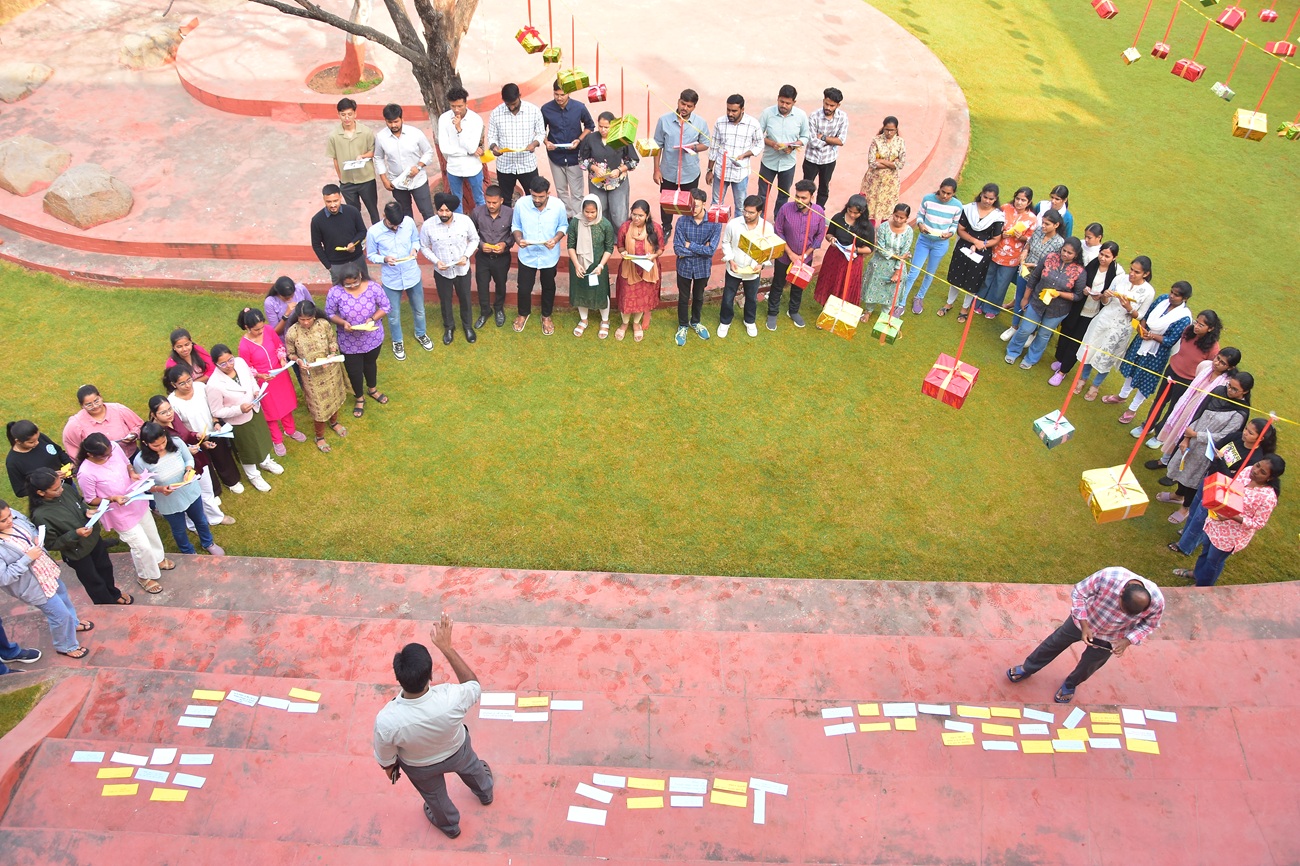
While NYPDP has primarily focused on postgraduate and doctoral scholars, there is also a plan to reach undergraduate students interested in careers in agricultural extension gradually. Early exposure can be more effective than later intervention, and introducing extension as a meaningful and opportunity-rich career path at the undergraduate level can help shape clearer professional trajectories.
Ultimately, the long-term vision is not simply to run a programme, but to help build a stronger, more confident, and future-ready extension workforce.
As young extension professionals are closely connected with digital media, how were digital tools used during NYPDP?
Young extension professionals today are already deeply connected with digital media and online learning environments, and this was clearly visible during NYPDP. Many participants were already exploring digital resources through online courses, webinars, and learning platforms.
Instead of introducing digital tools as something entirely new, the programme sought to build upon these existing practices and help participants use them more strategically and purposefully.
During NYPDP, a dedicated session titled “Enhancing Digital Competencies for PG and PhD Scholars in Agricultural Extension” was organised. In this session, my colleague Dr Raahalya discussed the courses students were pursuing as part of their academic programmes and the additional competencies they needed to remain relevant as extension professionals.
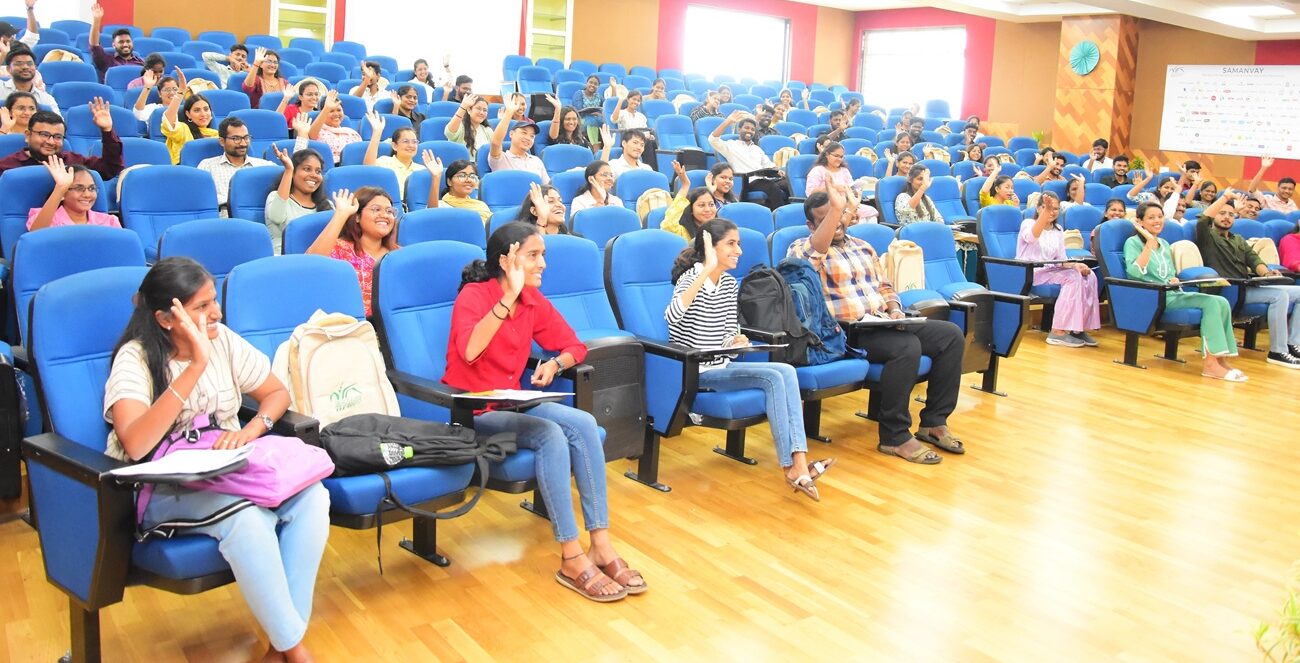
Participants were encouraged to reflect on the gap between academic learning and practical skill requirements, and to explore how digital platforms could help bridge it. They collectively discussed the types of courses they should pursue. They explored digital learning options, including MOOCs, online certification programmes, webinars, digital extension podcasts, and social media for professional learning and outreach.
These discussions helped participants recognise digital tools not just as sources of information but as valuable platforms for continuous learning, professional networking, and knowledge exchange.
As you help prepare the next generation of extension professionals for the future, how do you see the evolution of the discipline unfolding?
In many ways, the discipline of agricultural extension appears to have changed very slowly over the decades. In several cases, curricula and teaching approaches still rely heavily on textbooks and perspectives from the 1970s, which often do not reflect current realities such as global extension systems, ICT-enabled advisory services, and new forms of agricultural innovation.
This realisation has reinforced the need for transformation within the discipline. Despite years of discussion, many core challenges remain unchanged, creating a perception that the field itself has remained stagnant. This is why I have consistently advocated for curriculum reform and initiatives like NYPDP, which emphasise practical exposure, field engagement, and the integration of modern technologies.
Agricultural extension must evolve continuously to remain relevant. Practical field experience, modern digital tools, and interdisciplinary collaboration must become integral parts of both teaching and research.
My experience suggests that passion and persistence are critical in driving change. Even when institutional constraints exist, sustained efforts and a commitment to the discipline can gradually lead to meaningful transformation. The future of extension depends on integrating teaching with field practice and mentoring the next generation of professionals willing to innovate and adapt.
Considering NYPDP experiences, what is the outlook for the future of next-generation extension professionals?
Based on the experiences from NYPDP, the future of the next generation of extension professionals appears highly promising. One of the most encouraging observations is the shift in how young professionals perceive agricultural extension. Instead of viewing it as a narrow advisory role, they increasingly recognise it as a dynamic, interdisciplinary, and opportunity-rich field. Many participants enter the programme with uncertainty but leave with greater clarity, confidence, and a broader vision of their professional role.
The new generation of extension professionals is digitally confident, globally connected, and self-motivated. They actively use digital platforms for learning, networking, and professional engagement. Rather than waiting passively for opportunities, they explore diverse career pathways across research institutions, development organisations, policy spaces, NGOs, startups, and private advisory services.
Another positive trend is their growing ability to think systemically. Through programmes like NYPDP, participants begin to understand extension in relation to digital innovation, climate change, sustainability, value chains, entrepreneurship, monitoring and evaluation, and evidence-based policymaking. This systems perspective enables them to move beyond local problem-solving and contribute to programme design, research prioritisation, and policy dialogue.
Equally important is the shift in professional attitude. Young professionals show increasing confidence, leadership orientation, and willingness to collaborate across institutions and regions. The strong peer networks formed through NYPDP demonstrate a commitment to continuous learning and collaboration.
From our observations, the future extension professional is likely to be adaptive, reflective, collaborative, and impact-oriented. With the right mentoring, exposure, and platforms like NYPDP, this generation has the potential not only to strengthen extension services but also to redefine the role of agricultural extension in a rapidly changing world.
 Dr D. Alagu Niranjan is a Research and Knowledge Management Officer with the Centre for Research on Innovation and Science Policy (CRISP), Hyderabad, India. He can be reached at: alaguniranjan@crispindia.org.
 Dr Raahalya Sandipamu is an Innovation Scaling Specialist at the MANAGE Fisheries Innovation and Startup Hub (MANAGE–FISHub), National Institute of Agricultural Extension Management (MANAGE), Hyderabad, India. She can be reached at: sandipamuraahalya@gmail.com

The initiatives taken by MANAGE under the leadership of Dr Sarvanan Raj, NYPDP and Evening for Learning in particular have been very inspiring and transformative for young extension scholars. I guess, these programs are very unique and other countries in global South may consider adopting them for building capacities of extension faculties, young scholars and students. Looking forward these initial continue and many more.
It’s a unique initiative to chronicle the milestones of some dedicated professionals like Dr Saravanan. I have known him ever since his master’s studies. He has always toyed with new ideas and initiatives. This conversation with him must certainly inspire the new gen extension professionals.
Great insights shared. Strengthening the next generation of extension professionals is critical, especially as agriculture moves towards more technology-driven and sustainable solutions. Bridging research, innovation, and field application through skilled professionals will define the future of the sector.
Admirable. Dr Sarvanan Sir is building the Real New Generation Extension Specialists with his visionary devotion towards rural transformation.
Kudos