



M.K.S.L.D. Amarathunga and M. W. A. C. S. Wijetunga argue about the importance of ground-level conversations with farmers in shaping practical and responsive agricultural policies, drawing on their participation in the UWU Farmers’ Forum organised on 18 July 2025 in Uva Province, Sri Lanka.
CONTEXT
The agricultural sector in the Uva Province of Sri Lanka (Box 1) faces numerous challenges, including climate variability, market instability, and persistent rural poverty. These challenges create an urgent need for innovative, community-centred solutions tailored to the unique circumstances of local farming communities. While these pressures often deepen the uncertainty faced by farmers, they simultaneously present new opportunities for innovation, value addition, technology adoption, and policy reform specific to the region. However, what remains critical is establishing a comprehensive platform that effectively integrates farmers’ experiences, scientific research, and institutional support. This integration is essential to fostering resilience and advancing sustainable agricultural practices in Uva Province.
In July 2025, the Department of Export Agriculture, in collaboration with Uva Wellassa University (UWU) and the Uva Provincial Department of Agriculture, organised the UWU Farmers’ Forum 2025. Its main objectives included identifying major problems faced by farmers in Uva Province, particularly in Badulla and Moneragala Districts, and formulating short-term and long-term solutions to improve agricultural productivity, efficiency, and household incomes. Additionally, it was intended to develop a comprehensive policy document for the Government that addresses key issues, their economic and social implications, and offers practical policy recommendations to enhance farmers’ well-being and promote sustainable agricultural development in Uva Province.
| Box 1: Agriculture in Uva Province Agriculture is the primary livelihood for over 95% of the population in Uva Province, with the 2014 census reporting 370,276 agricultural operators. Despite cultivating 484,778 acres, the region faces significant socioeconomic challenges, including a poverty headcount ratio of 15.4%, down from 37% in 2002 but still among the highest in Sri Lanka. The Badulla and Monaragala districts exhibit particularly concerning rates of 12.3% and 20.8%, respectively. The limited availability of off-farm employment exacerbates persistent poverty and hampers overall economic development. Key challenges faced by Farmers in Uva Province include the impacts of climate change (such as droughts and floods), economic crises (such as fertiliser bans that affect crop yields), inadequate infrastructure, limited market access, high costs, and pressures from pests and diseases. Wildlife damages (elephant–human conflict and crop damage by animals). These factors significantly hinder their income and food security. Additionally, there is a lack of adequate Agricultural Extension Services and effective communication channels to facilitate dialogue among farmers, key stakeholders, and policymakers on pressing issues. Addressing these challenges, including enhancing agricultural productivity and diversifying employment opportunities, will help combat poverty and foster sustainable growth in Uva Province, thus improving the living standards of its residents. |
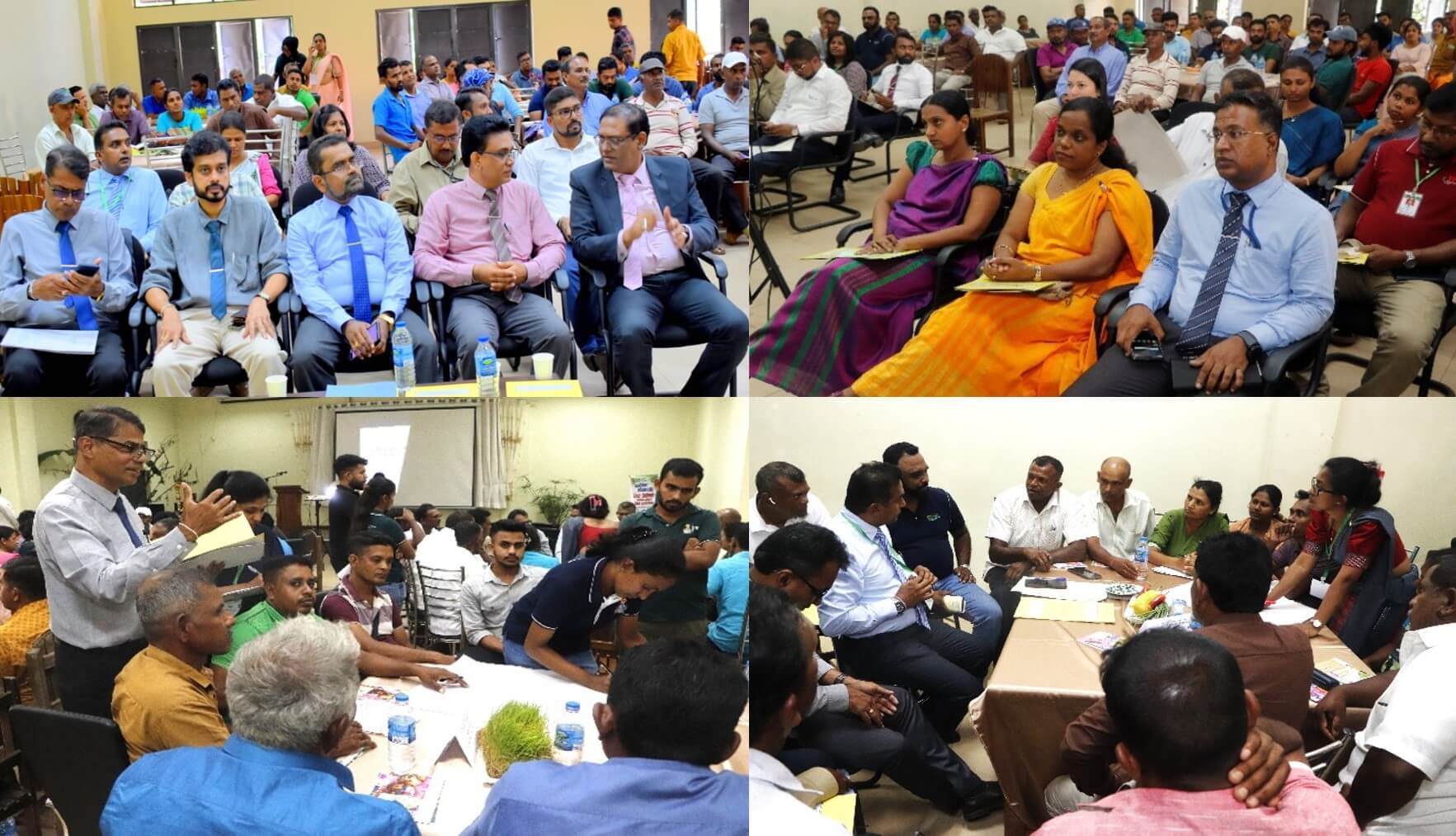
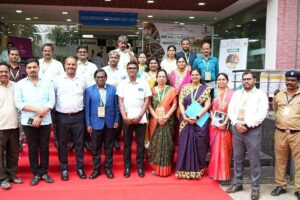
The event fostered a vibrant atmosphere with notable guests, including Senior Prof. Kolitha B. Wijesekara (Vice Chancellor), Prof. Saman K. Herath (Dean, Faculty of Animal Science and Export Agriculture), Mrs N.P. Wanasinghe (Secretary of the Uva Provincial Ministry of Agriculture), and Mr S.K.P. Jayalath (Uva Provincial Director of Agriculture). Beyond a typical gathering, the forum provided a dynamic platform for farmers to voice concerns, analyse challenges, and develop actionable solutions for sustainable agricultural practices (Box 2).
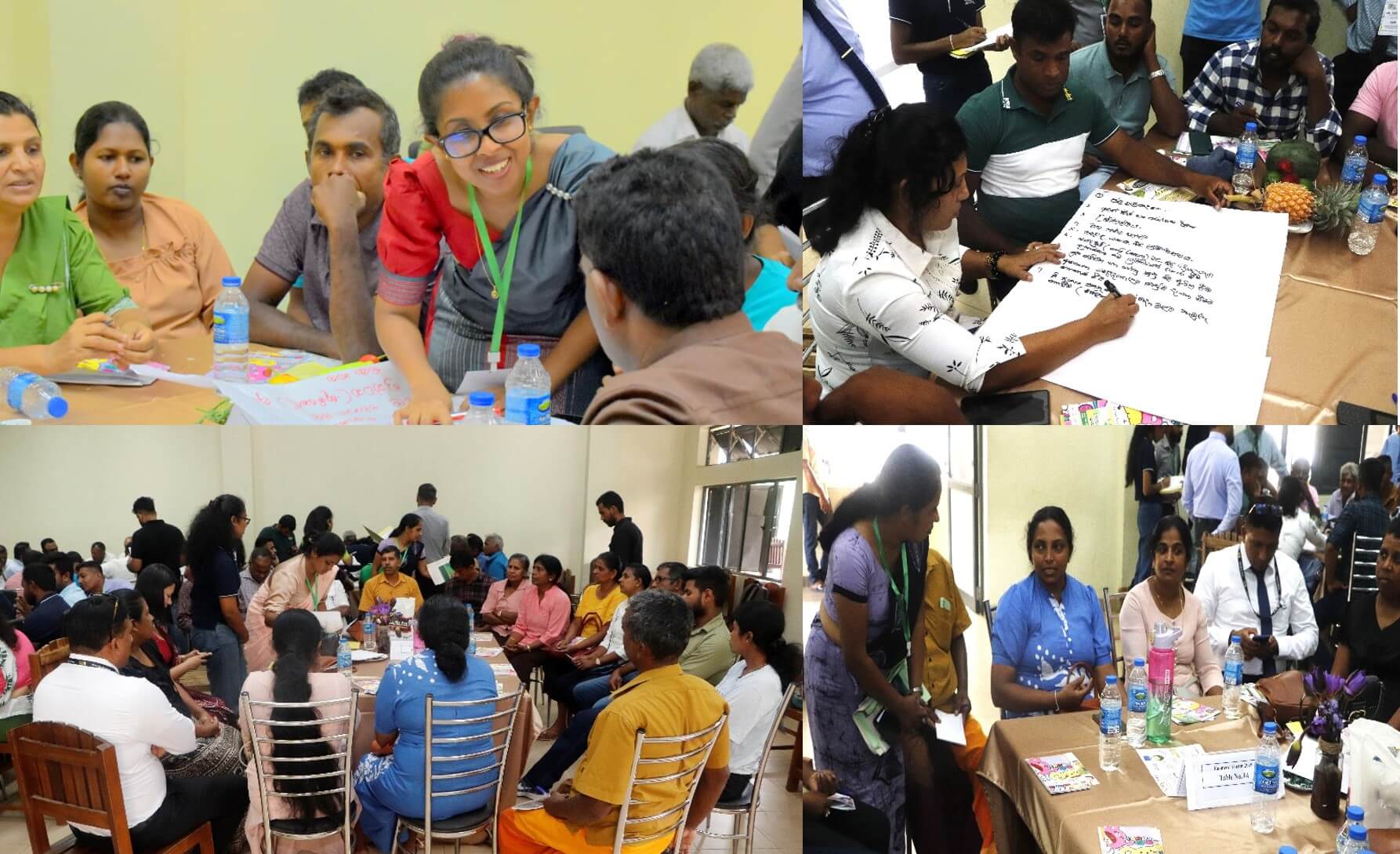
| Box 2: New Way of Listening to Farmers: What sets this forum apart is its farmer-first philosophy. Instead of viewing farmers as mere recipients of information, the event prioritised their voices and experiences. Farmers from across the Uva Province, representing sectors such as paddy, vegetables, fruits, floriculture, and high-tech agricultural enterprises (part of the Agriculture Sector Modernisation Project), came forward to share their insights, challenges, and ideas. Their narratives illuminated the everyday realities of agriculture in the region, highlighting issues such as erratic rainfall, rising production costs, difficulties securing insurance and credit, barriers to market access, and systemic challenges that hinder technology adoption. |
The expert presentations enriched the forum by offering new ideas and technologies while also respecting farmers’ existing knowledge. Presentations focused on good agricultural practices, modern cultivation technologies, financial literacy, crop insurance schemes, and pension benefits. By bringing together government officials, private agribusiness leaders, and researchers, the forum created a holistic learning space where different knowledge systems could meet. These narratives created the foundation of the entire program.
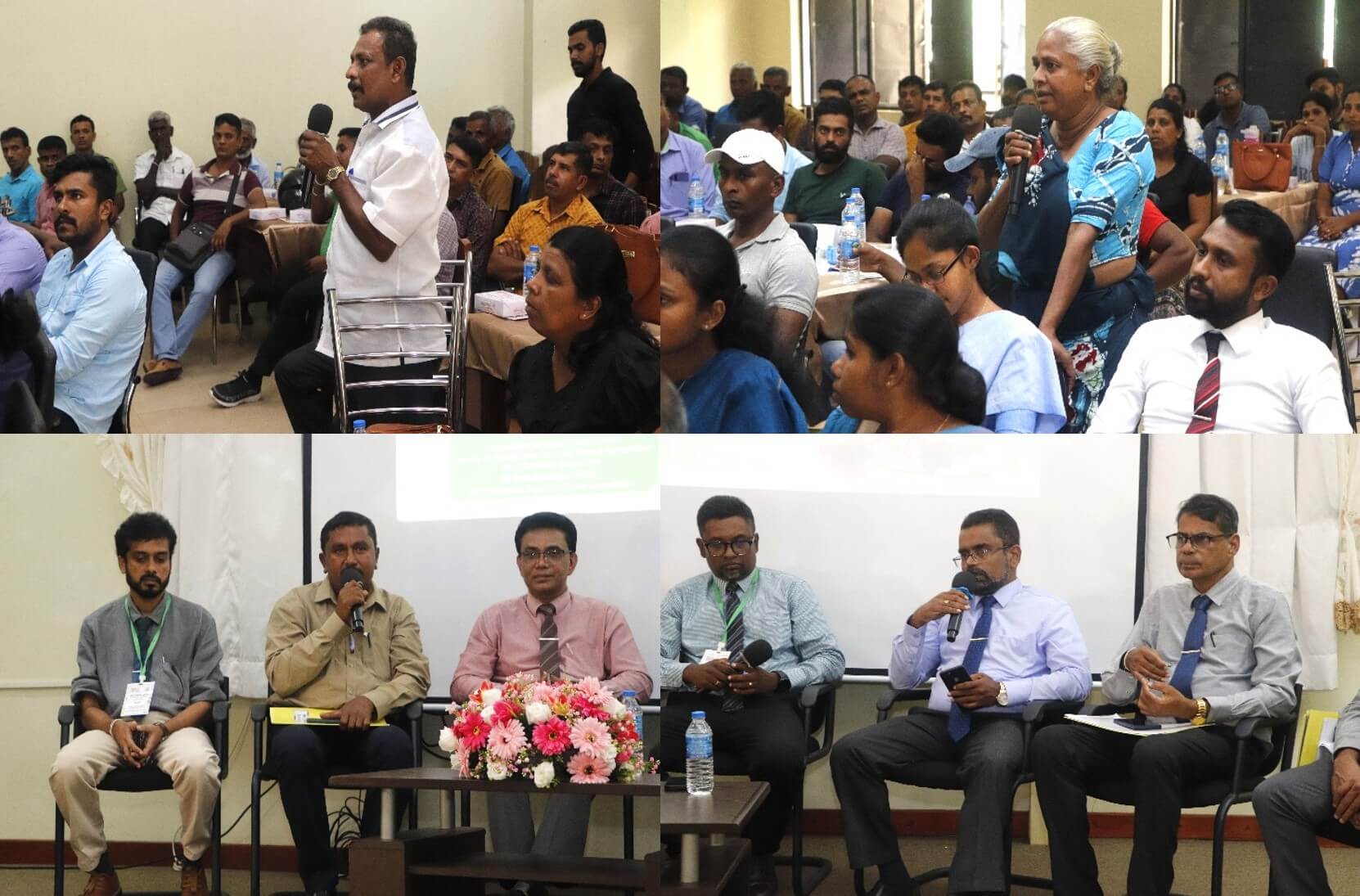
Experts from government institutions, private companies, and the university did not simply deliver lectures; instead, they responded to the issues raised by farmers. This two-way communication created a dynamic and inclusive learning environment. It also reflected a broader shift in global agricultural development, one that recognises farmers as innovators and partners in designing solutions. The interactive session facilitated farmers in articulating their concerns, engaging in structured group discussions, and proposing solutions, thereby fostering collaborative problem-solving under the guidance of academic facilitators. In addition, a roundtable discussion was held to address key issues affecting agriculture in Uva Province and to identify sustainable approaches to agricultural development.
Group discussions at the UWU Farmers’ Forum revealed that farmers across cereals, fruits, vegetables, floriculture, and minor export crops face typical and sector-specific constraints that limit productivity and income growth. Key issues include low productivity and high production costs stemming from limited access to high-quality seeds, fertilisers, mechanisation, and soil-testing services. Market volatility, weak bargaining power, dependence on intermediaries, and exposure to imports (particularly rice and potatoes) prevent farmers from obtaining fair and stable prices.
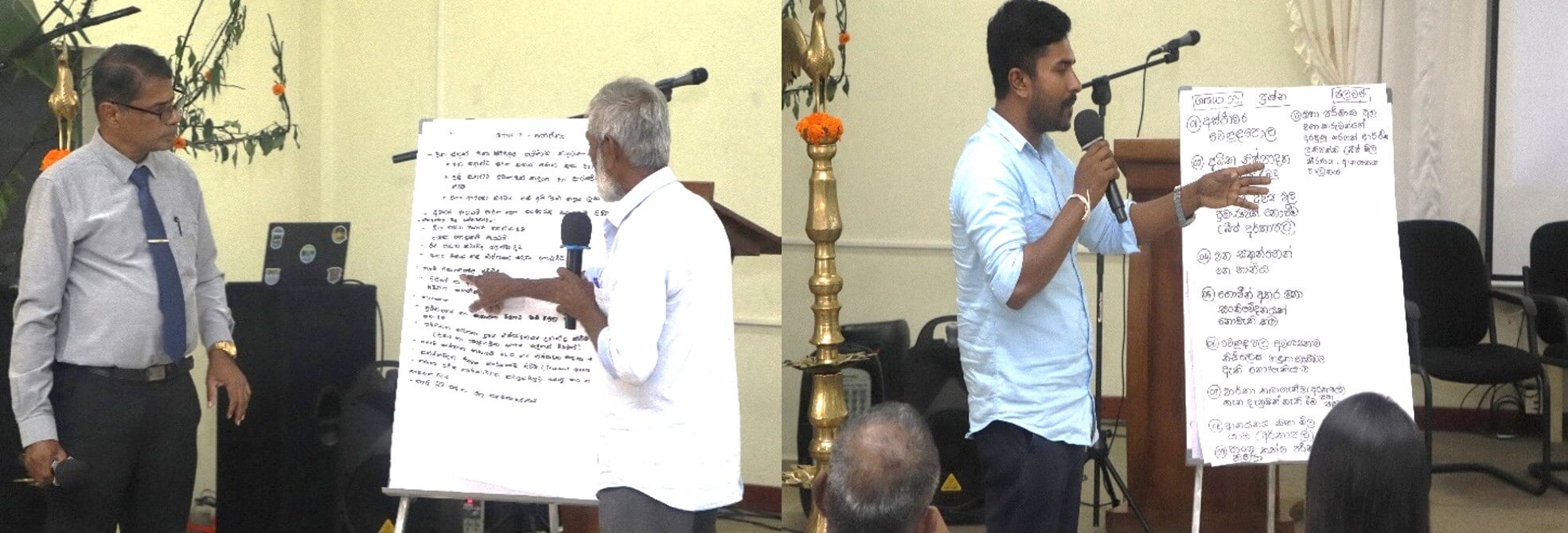
Environmental stresses such as erratic rainfall, prolonged droughts, pest outbreaks, and severe human–wildlife conflict cause significant yield losses, especially in Monaragala. Post-harvest losses of 25–30% persist due to inadequate storage, cold-chain facilities, and value addition infrastructure. Institutional challenges—including fragmented governance, weak extension services, limited access to finance and insurance, and poor coordination among agencies—further constrain farmers. At the same time, youth disengagement and gender disparities threaten the sector’s long-term sustainability.
Policy Pillars and Strategic Direction
The policy document finalised during the event proposed a set of integrated policy pillars designed to address the structural, market, institutional, and environmental challenges faced by farmers in Uva Province.
- Market Access and Fair Pricing was identified as a core pillar to strengthen collective bargaining, improve price transparency, promote value addition, and stabilise farm incomes through minimum support prices and forward contracts. storage and cold-chain facilities, processing hubs, developing youth-focused Agri-tourism, and delivering training programs and branding/certification of Uva products.
- Sustainable Water and Irrigation Management focuses on improving irrigation efficiency, rehabilitating minor tanks, expanding micro-irrigation systems, promoting solar-powered drip systems, introducing alternate wetting and drying techniques in rice, and creating a Land Bank to utilise abandoned state lands productively. And strengthening collective water management to enhance climate resilience.
- Integrated Pest and Agrochemical Management aim to reduce excessive chemical use by scaling up integrated pest management, biological controls, and safe input practices.
- Soil Fertility and Input Quality Assurance emphasise soil testing, Input and Technology Access – Ensuring timely availability of certified quality seeds, fertilisers, machinery, and ICT-enabled advisory to improve land productivity while reducing costs
- Post-Harvest Management and Export Readiness target the reduction of post-harvest losses through improved storage, cold chains, quality compliance, and stronger linkages to domestic and international markets.
- Institutional Strengthening and Farmer Empowerment seeks to enhance extension services, strengthen farmer organisations and producer companies, and promote youth and women participation in agriculture, establishing dedicated floriculture and export authorities, and providing agribusiness training along with tailored credit and insurance schemes.
- Risk Management and Climate Resilience addresses climate variability and human–wildlife conflict through climate-smart agriculture, crop diversification, introducing climate-smart insurance mechanisms, and community-based mitigation measures, promoting drought-tolerant and disease-resistant crops, expanding community fencing, introducing climate-smart insurance, developing youth-focused Agri-tourism, and delivering training programs.
Together, these pillars form the strategic foundation proposed by this policy document to transform Uva Province into a resilient, inclusive, and farmer-driven agricultural system.
Limitations and Risks
The implementation of proposed interventions faces several practical and systemic risks. Fiscal constraints may limit large-scale investments in irrigation, storage, and infrastructure, necessitating phased implementation and external financing. Institutional overlaps and weak coordination among multiple agencies risk duplication and policy inconsistency.
Farmer adoption of new technologies may be slow due to high upfront costs, risk aversion, and reliance on traditional practices. Market uncertainty and policy volatility, including sudden changes in import or subsidy policies, can undermine price-stabilisation efforts and farmers’ confidence. Intensifying climate variability may offset productivity gains, while human–wildlife conflict mitigation requires careful balancing between farmer protection and conservation goals. Finally, without targeted inclusion strategies, smallholders, women, and youth may not fully benefit from policy interventions.
Bridging Academic Knowledge and Real-World Needs
The forum represented a remarkable fusion of academic learning and community engagement. Students studying agricultural policies, project management, development economics, marketing, extension, and agribusiness had a rare opportunity to engage directly with the farming community.
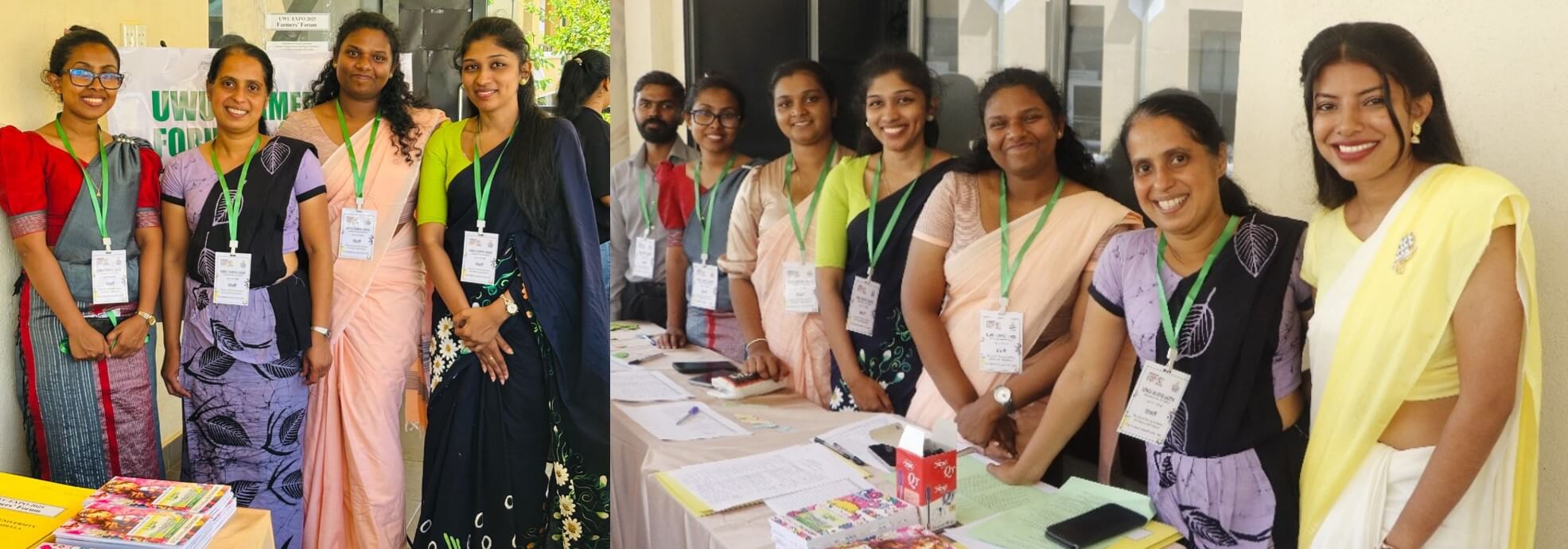
This interaction helped students understand the complexity of real-world agriculture, where economic theories meet natural uncertainties, and where policies convert into practice—or fail to do so. Participating in group discussions, documenting farmers’ challenges, and facilitating conversations allowed students to learn in ways that cannot be replicated through lectures alone. Globally, universities are pushing toward experiential learning, community-based research, and problem-solving approaches. What UWU achieved through this forum is a strong example of turning these educational ideals into reality.
From Discussions to Policy Impact
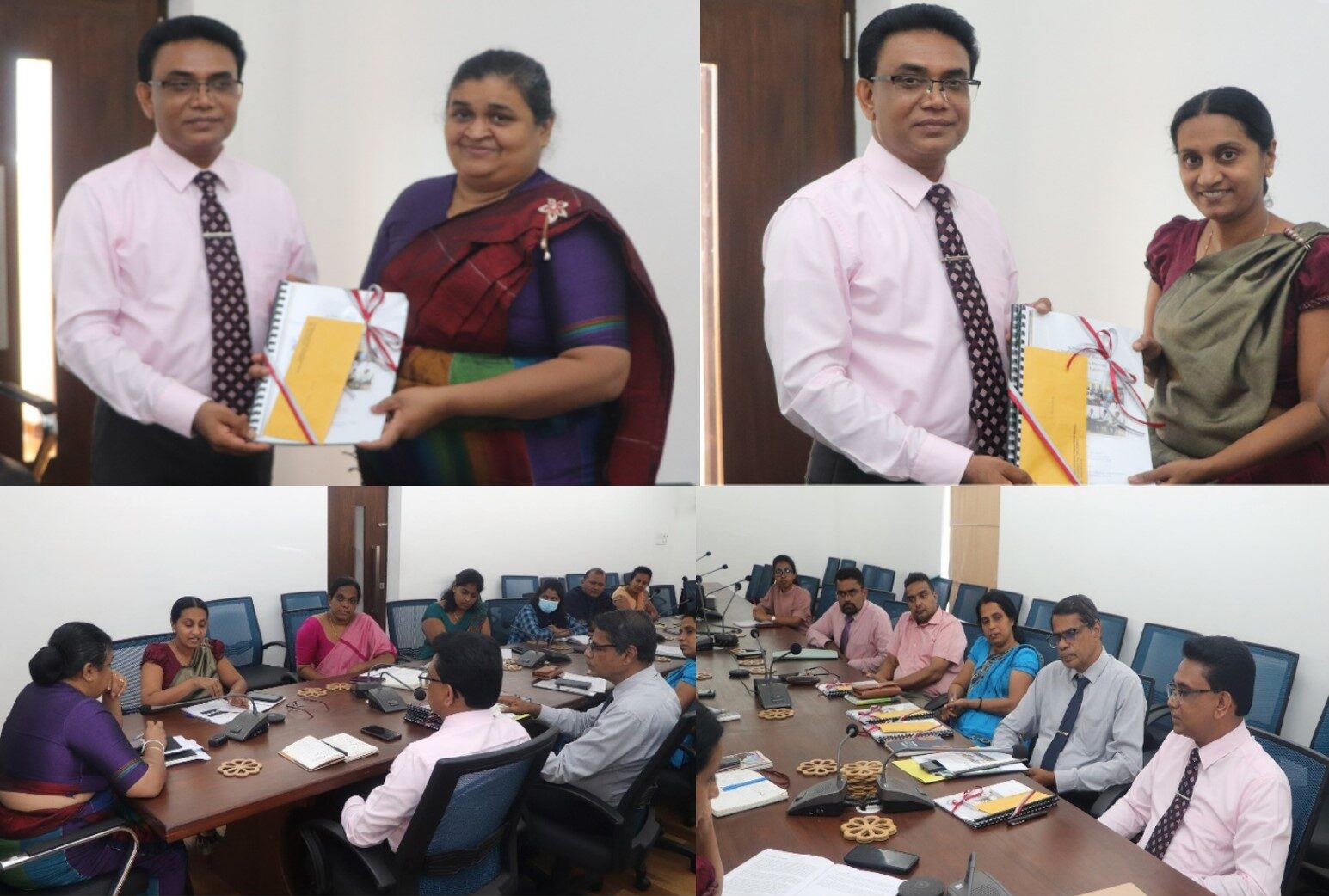
One of the most impressive outcomes of the UWU Farmers’ Forum was its ability to translate discussion into action. Throughout the program, farmers and experts collaborated in structured group sessions to develop practical and strategic solutions. These solutions were not left in notebooks or classrooms; they were compiled into a detailed policy document. In a significant step, the final policy document was based on issues and suggestions raised during the interactive sessions of the Farmers’ Forum 2025 was handed over to the, Uva Provincial Ministry of Agriculture, Irrigation, Animal Production, and Inland Fisheries, in the presence of Chief Secretary and the representatives of other department officers of the agriculture sector on November 03, 2025 at the Uva Provincial Council.
The UWU Farmers’ Forum 2025 offers a replicable model that can benefit agricultural systems worldwide. Its success lies in its simplicity: bring people together, listen to lived experiences, connect knowledge systems, and allow policy to grow from the ground up.
END NOTE
The UWU Farmers’ Forum 2025 exemplifies how universities can bridge the gap between education and real-world agriculture. By integrating student learning with community needs, it not only solved immediate problems but also built a foundation for long-term sustainability.
For countries seeking low-cost, high-impact strategies to strengthen rural development, this approach provides a roadmap. It positions universities not just as institutions of learning, but as active partners in community transformation. It treats farmers as equal collaborators in building a more resilient, equitable, and sustainable agricultural future.
In an era where global food systems are under immense pressure, forums like this remind us that meaningful solutions often begin with dialogue, respect, and shared commitment. Sri Lanka’s UWU Farmers’ Forum has shown how powerful this approach can be and why it deserves attention beyond national borders.
Acknowledgement
Our sincere gratitude to the Vice Chancellor, UWU, Prof. Kolitha B. Wijesekara, Dean Prof. H. M. Saman K. Herath, Faculty of Animal Science and Export Agriculture, and the dedicated organising committee comprising Dr M.K.S.L.D. Amarathunga, Head, Department of Export Agriculture, Dr M. W. A. C. S. Wijetunga, UWU Farmers Forum Event Coordinator, Dr R. A. P. I. S. Dharmadasa, Dr M. G. P. P. Mahindarathne, Ms M. A. E. K. Jayasinghe, Ms V. R. Thanthrige, Ms K. A. D. P. Kumarasinghe, and the supportive staff of Uva Wellassa University. Special Appreciation is also extended to the resource persons, partner institutions, and lead farmers whose contributions enriched the event. Sincere thanks are extended to the Provincial Secretary of Agriculture and the Director of Agriculture, and to their teams, for their continued support, which played a vital role in the success of the Farmers Forum.
 Dr. M.K.S.L.D. Amarathunga is a Senior Lecturer in Agricultural Extension and the Head of the Department of Export Agriculture at Uva Wellassa University. With a strong focus on enhancing agricultural practices, he has pioneered the Public-Private-Producer Partnership (4PS) Extension Approach, specifically tailored for the Tea Small Holdings Sector in Sri Lanka. His work aims to foster collaboration among stakeholders, ultimately benefiting the agricultural community and promoting sustainable practices within the sector. Email: lalithsenaka30@gmail.com
 Dr M. W. A. C. S. Wijetunga is a Senior Lecturer in Agricultural Economics at Uva Wellassa University’s Department of Export Agriculture. Specialising in Agricultural and Resource Economics, she is committed to enhancing research and education in sustainable agricultural practices. For inquiries, contact her at chaturawijethunga@yahoo.com.
Add Comment