
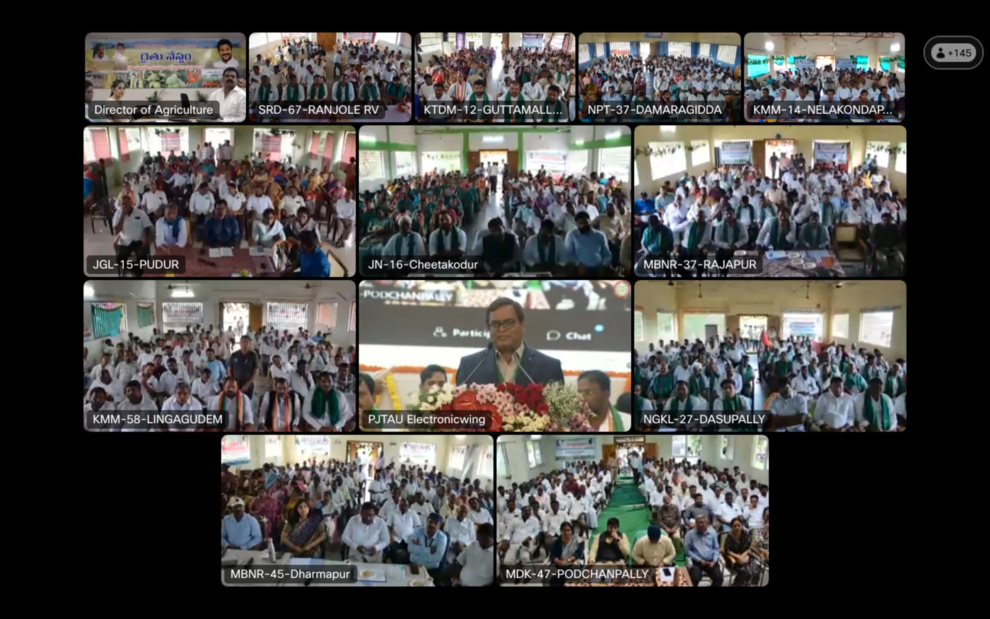
In this good practice note, M Sreenivasulu, J S Sudharani, V Ravinder Naik, Shivakrishna Kota, Jagan Mohan Reddy and M Yakadri reflect on the Rythu Nestham programme and how this programme is supporting the adoption of new technologies by farmers in Telangana
CONTEXT
Farmers across Telangana, particularly small and marginal holders, often face challenges in accessing timely, reliable, and location-specific agricultural advisories. Despite a structured extension system, nearly 60% of farmers remain unreached, resulting in delayed decision-making, poor pest and disease management, and reduced productivity. The problem is more pronounced in remote areas where access to scientists and extension personnel is limited.
Traditional extension approaches, relying on physical visits and linear communication, have proven insufficient due to staffing constraints, multiple duties, delayed information flow, and weak feedback mechanisms. This gap restricts farmers’ access to expert guidance. To address these challenges, Professor Jayashankar Telangana Agricultural University (PJTAU), in collaboration with the Department of Agriculture, Telangana, introduced an innovative digital extension model—“Rythu Nestham Live Video Conference”—to deliver real-time expert advisories and strengthen farmer decision-making through active participation.
GOOD PRACTICES
Participatory Problem Diagnosis through Live Interaction
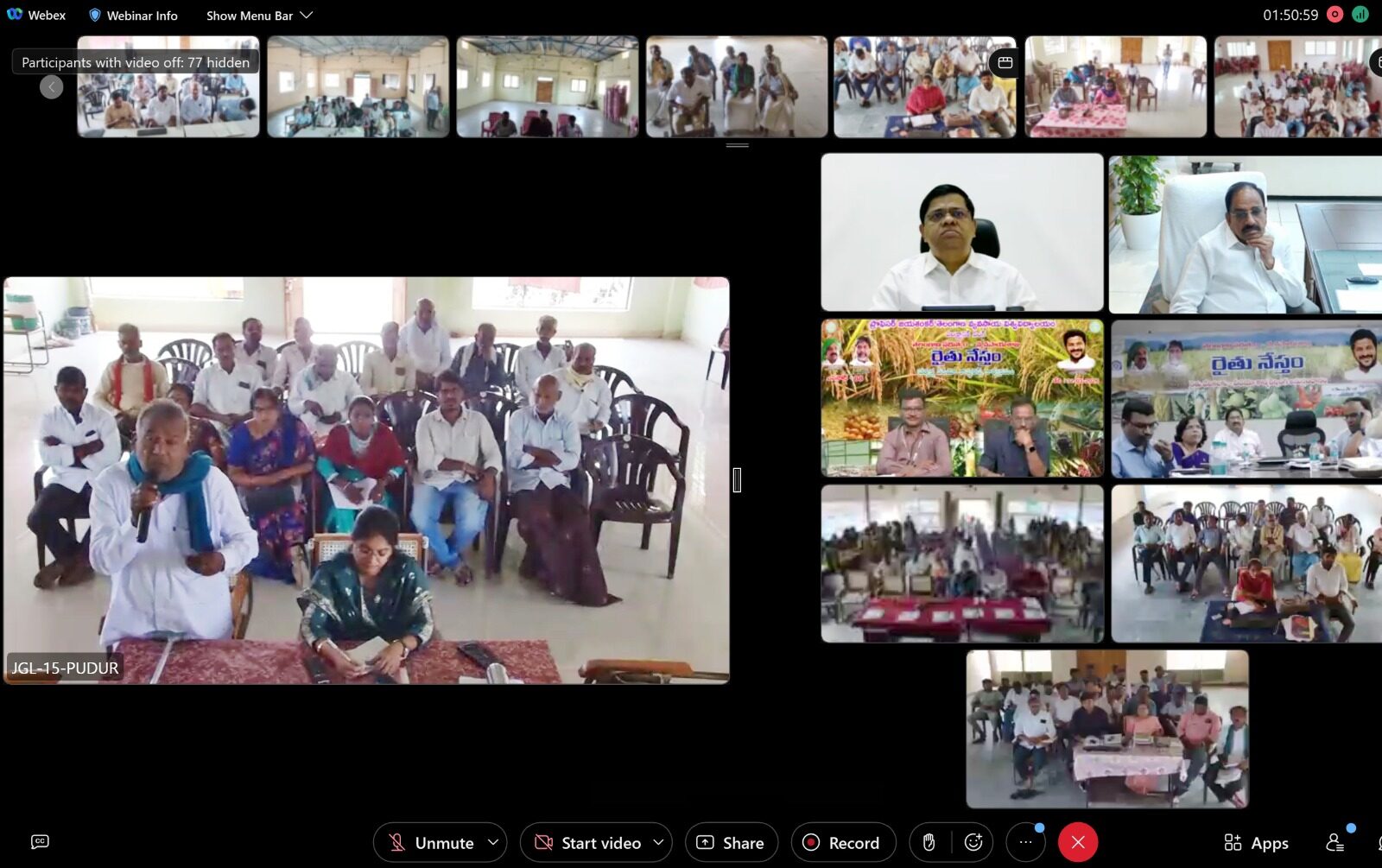
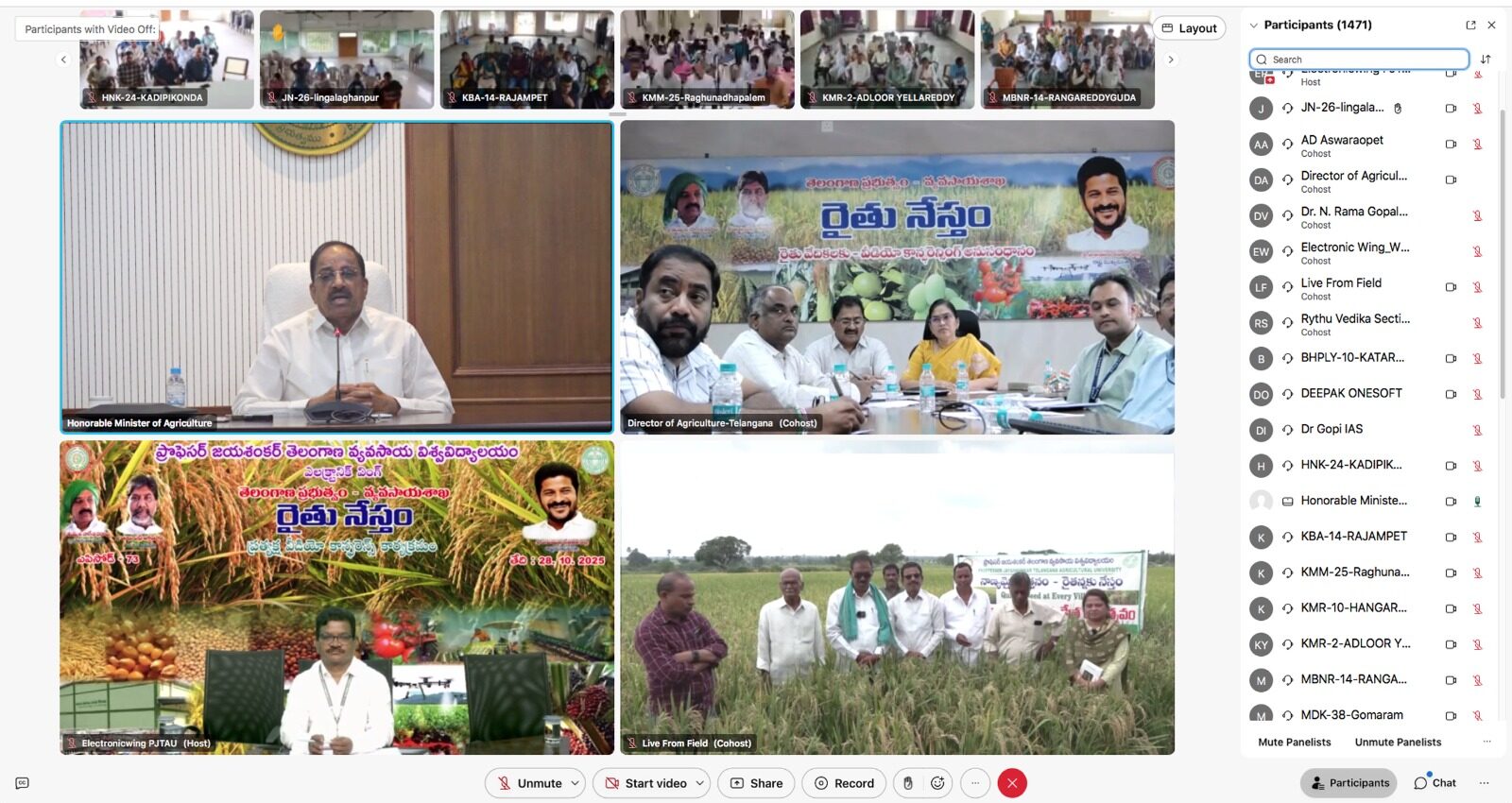
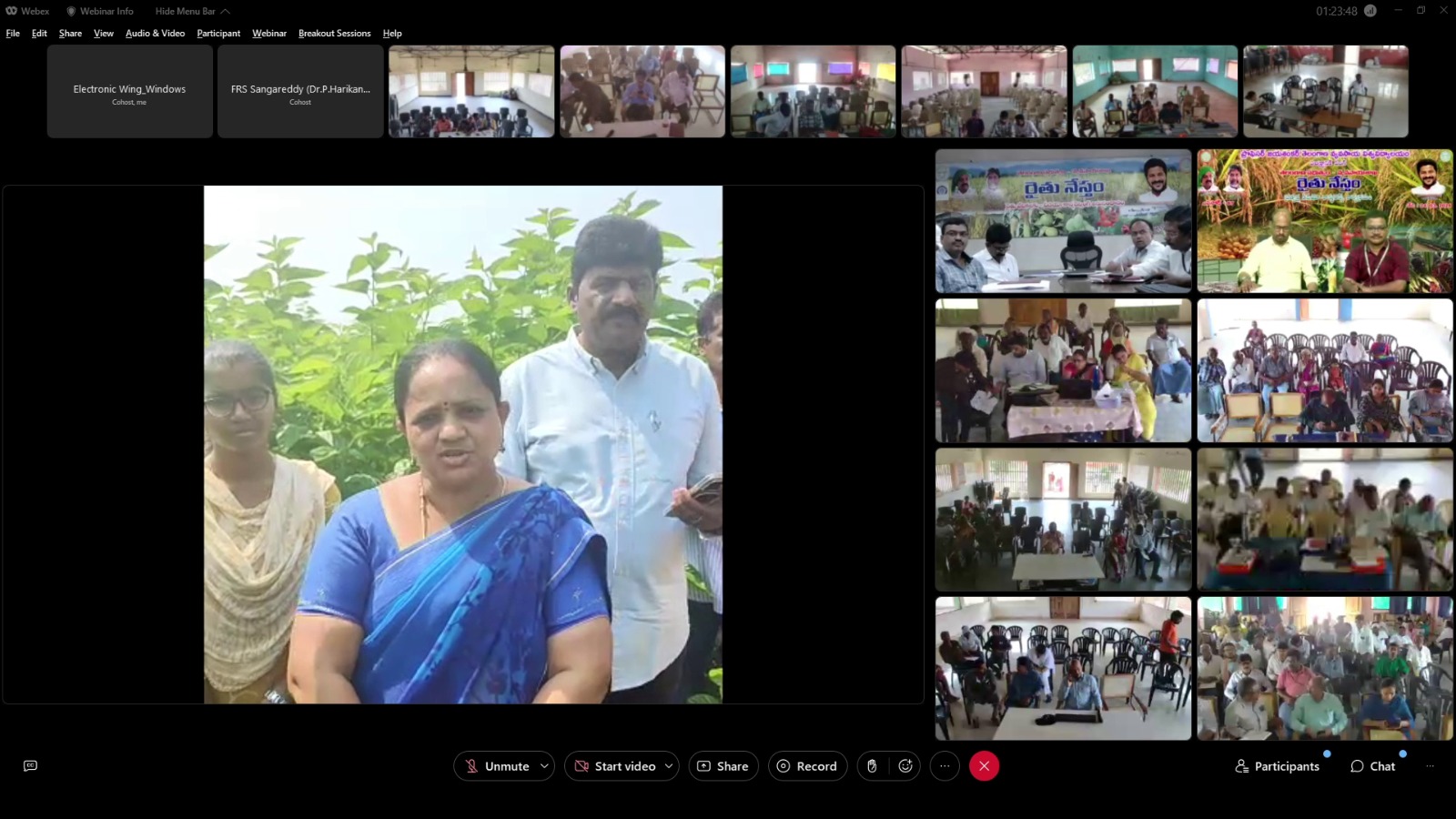
Live online Webex sessions are organised by PJTAU on Tuesdays from 10.00 AM to 11.30 AM, with about 1600 Rythu Vedikas across the state. Rythu Vedikas are special buildings constructed by the Government of Telangana for clusters of villages as a platform for farmers to discuss, share experiences, and receive expert advice to improve agricultural returns. Farmers assemble there to interact directly with scientists, share field observations, and receive instant solutions. Issues like pest incidence and nutrient deficiencies are discussed collectively in these sessions. Each of these sessions is attended by about 25 to 30 farmers on average. Officials of the Department of Agriculture and allied sectors also participate in these sessions at the Rythu Vedika. Thus, every week, PJTAU reaches a total of 40,000 to 50,000 farmers across the state.
Selection of topics before the live interaction
Topics for the live interaction are selected in consultation with farmers and experts. Agricultural Extension Officers engage with farmers registered in cluster-wise WhatsApp groups under them and identify topics where they need more expert advice. Based on their suggestions, topics for live interactions are decided before the event.
Digital Expert System for Real-Time Advisory
The Electronic Wing of PJTAU coordinates experts across disciplines to provide location-specific advisories in real time, supported by live demonstrations and visuals. Scientists at PJTAU, extension officers (of the state Department of Agriculture, Horticulture and Animal Husbandry), and farmers are connected through a digital platform, and they use simple language and visuals to enhance understanding among diverse farmer groups. Question-and-answer sessions are held at the end of each episode and streamed on YouTube (provide the link here) to reach a wider audience.
Collective Learning at Rythu Vedikas
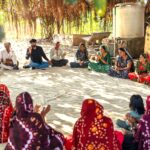
Every week, farmers gather at Rythu Vedikas to watch live programmes, discuss recommendations, and collectively validate practices. These group-based learning sessions encourage peer learning, as the discussion among farmers continues even after the expert session ends.
Sri Rami Reddy from Pudur village, Jagtyal district, expressed his happiness with the Rythu Nestham live programme, which helped him make better decisions about the appropriate fertiliser dosage and crop diversification to sustain his income.
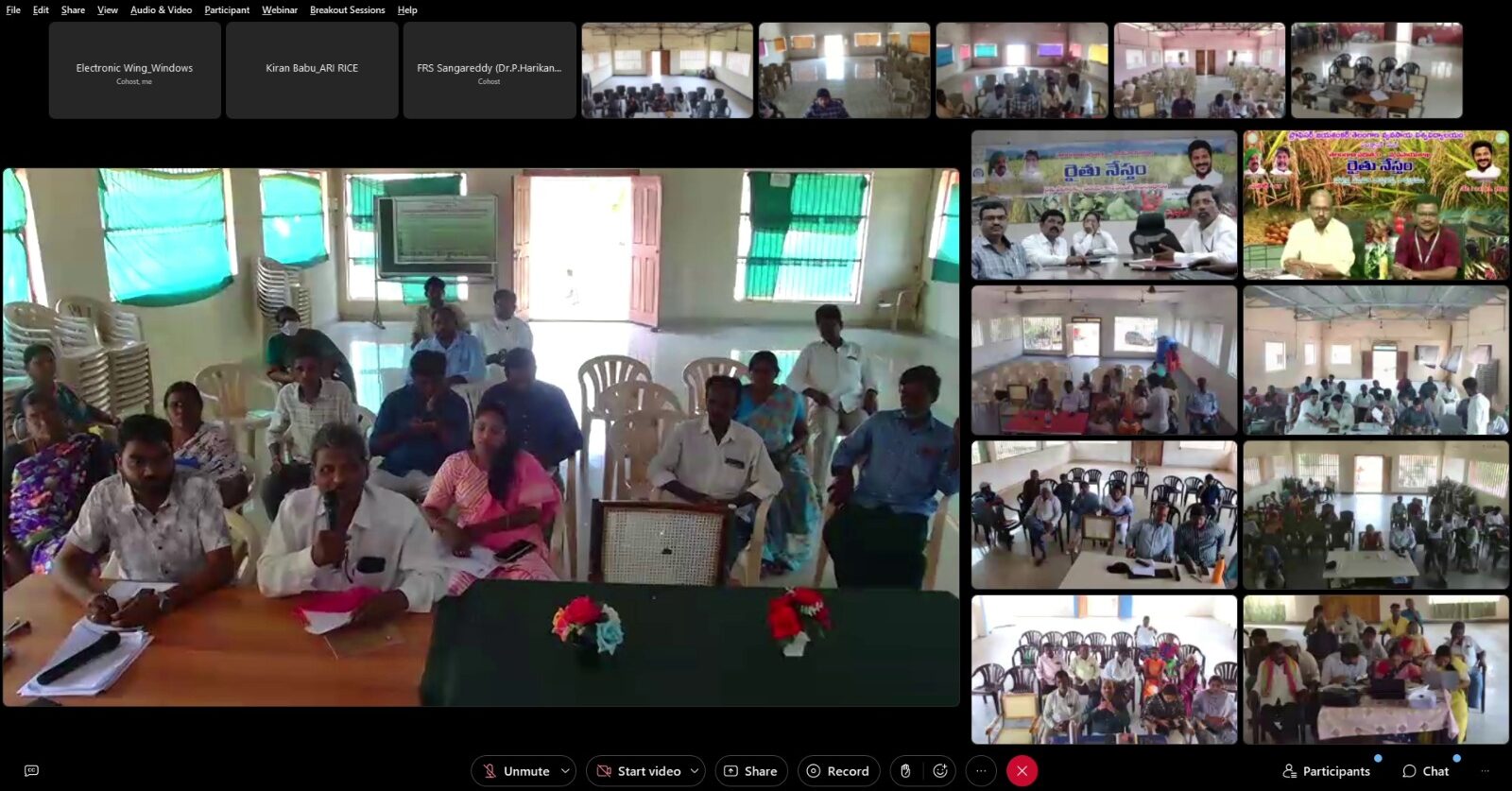
Sri Ramakrishna from Nelakondapally village in Khammam district was impressed by the information provided on drone technology in agriculture. He has started applying the advanced techniques highlighted in the episode on farm mechanisation.
Convergence of Institutions and Expertise
Weekly, three to four experts from agriculture, horticulture, and veterinary sciences, along with officials of line departments and bankers, participate in this program to provide holistic solutions. PJTAU has created a roster of subject-matter experts and institutional partners aligned with crop seasons and local needs and has assigned a coordinator. At the Rythu Vedika level, Agricultural Extension officers and the Mandal Agriculture Officer act as coordinators to ensure smooth communication, timely participation, and accountability of all stakeholders.
Collection of Feedback
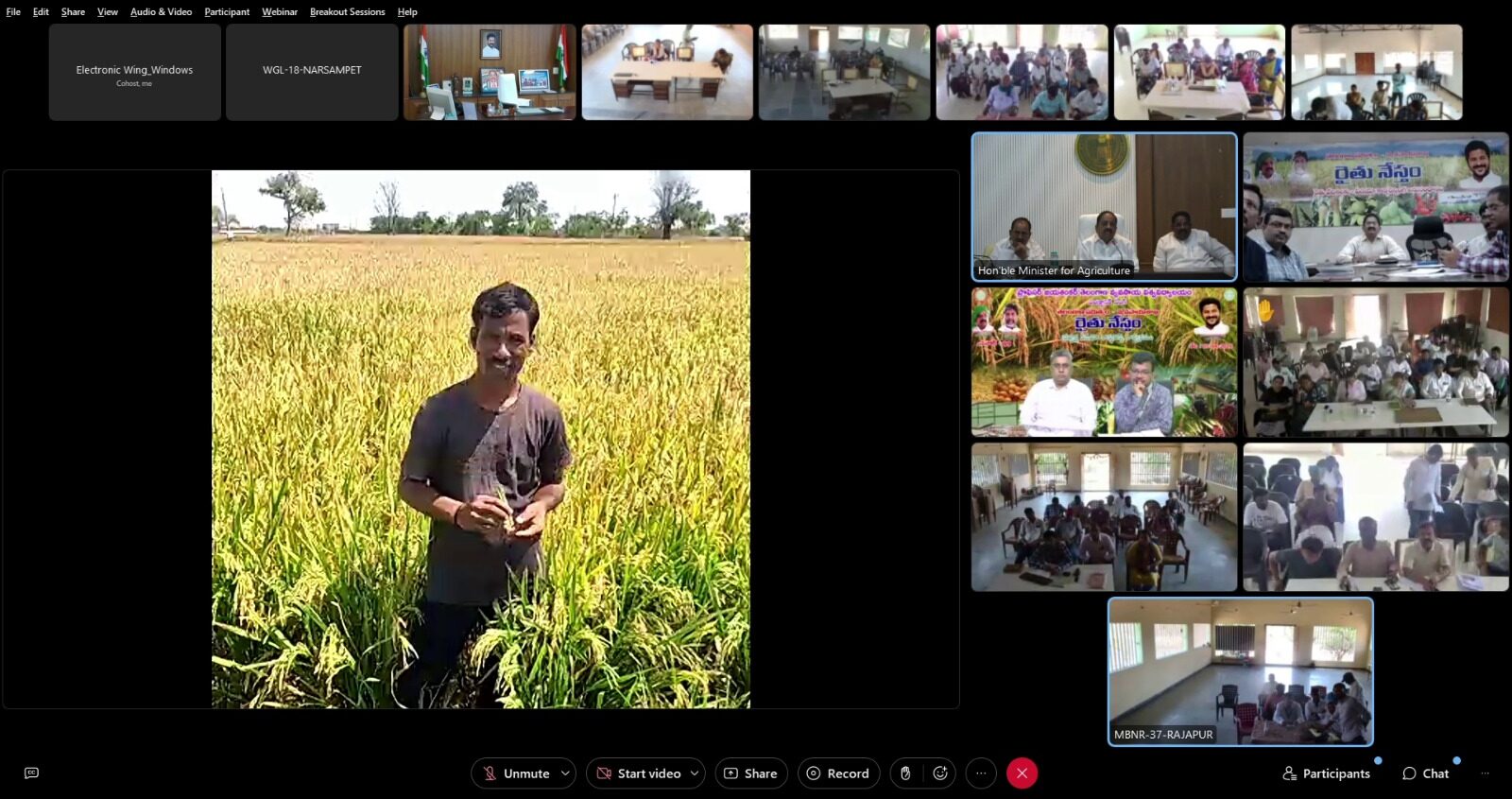
Feedback is collected online by scientists of the electronic wing, and offline queries are collected by respective department officials at Rythu Vedikas and compiled at the Electronic Wing, PJTAU. Based on the feedback received, measures are being taken to improve topic selection and the pattern of information sharing.
BENEFITS
As discussed earlier, the programme reaches almost 40,000-50,000 farmers every week through the 1,600 Rythu Vedikas spread across Telangana. By March 2026, 87 live sessions had been organised, and the programme had reached nearly 20 lakh farmers. This has helped improve real-time problem-solving and pest/disease management, and has enhanced farmer confidence and adoption of technologies. The initiative has also helped in strengthening convergence among key stakeholders engaged in agricultural development.
CHALLENGES
The programme faces a few minor challenges.
One of these is connectivity issues in remote areas, as most of the Rythu Vedikas are located in rural and remote regions where internet and mobile network coverage is often weak or unreliable. This problem is being addressed by laying out optical fibre connectivity by BSNL & T- fibre.
Another challenge is the need for continuous capacity building of extension personnel, especially agricultural extension workers, on new technologies and the use of digital platforms. Though the Rythu Nestham live programme has helped enhance these capacities in using social media and digital platforms and updating their technical knowledge, a lot more needs to be done to enhance their capacity to address farm problems in real time.
SUSTAINABILITY AND SCALABILITY
We believe that this model is highly scalable and can be replicated in other states by leveraging existing extension infrastructure such as KVKs and farmer groups, along with digital platforms. It offers a cost-effective approach to reach unreached farmers. Farmers are encouraged to speak and share local observations to strengthen research, extension and farmer linkage. Simple language supported by visuals is used to enhance understanding among diverse farmer groups. By forging convergence with other agencies, creating a roster of subject-matter experts, selecting topics based on crop seasons and local needs, and assigning a dedicated coordinator to ensure smooth communication, this programme can be successful.
SUCCESS FACTORS
Strong institutional support from organisations such as PJTAU, SKLTHU, PVNRTVU, as well as the Agriculture and Allied Departments, NGOs, FPOs, private firms, and progressive farmers has contributed to the success of this programme. Effective deployment of digital platforms such as Webex for managing the live interactions and YouTube for knowledge dissemination are other key factors that contributed to its success. The involvement of a multidisciplinary team of experts ensures that farmers receive comprehensive and well-rounded guidance. Regular scheduling and structured interactions help maintain consistency and engagement, while a farmer-centric and need-based approach ensures that the activities remain relevant and beneficial to the farming community.
LESSONS LEARNED
Some of the lessons we learnt with the implementation of the programme are as follows:
- Online tools work best when farmers also actively participate, ask questions, and share their experiences—not just listen.
- Real-time expert interaction significantly improves decision-making among farmers, and they are adopting new recommended technologies without hesitation. In agriculture, conditions such as climate, soil health, pest dynamics, and market trends are constantly changing, so a one-time recommendation is rarely sufficient.
- Continuous feedback obtained through live interaction from farmers helps identify what works in real field conditions and what does not, allowing experts to refine their recommendations based on farmers’ experiences, local challenges, and outcomes. For example, if a recommended crop variety or fertiliser practice does not perform well under certain conditions, feedback from farmers helps modify or replace that advisory with more suitable alternatives. Such feedback also helps identify relevant research topics.
CONCLUSION
The Rythu Nestham Live Video Conference represents a successful integration of ICT tools with participatory, real-time, and knowledge-driven agricultural extension. It stands as an innovative digital extension practice that enhances farmers’ decision-making and active participation in sustainable agro-ecosystem management.
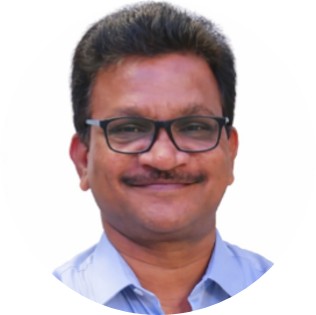 Dr. M. Sreenivasulu, Principal Scientist (Agricultural Extension) & Coordinator, Electronic wing, ARI, Rajendranagar, Hyderabad-500030. He can be reached at: msrinu70@gmail.com
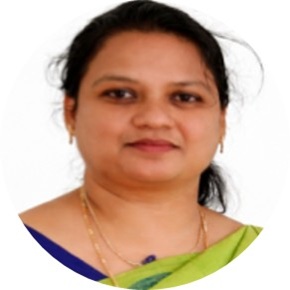 Dr. J.S.Sudharani, Senior Scientist (Agronomy) Electronic wing, ARI, Rajendranagar, Hyderabad-500030. She can be reached at: sudharaniscientist@gmail.com
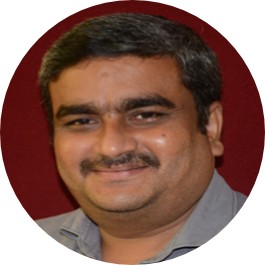 Dr. V. Ravinder Naik, Associate Dean, Agricultural College, Warangal 506002. He can be reached at: naikvr2016@gmail.com
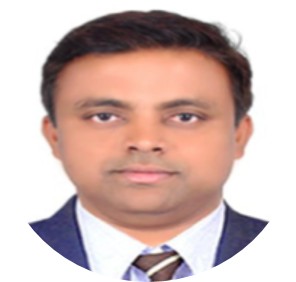 Dr. Shivakrishna Kota, Asst. Professor (Agricultural Extension), College of Agriculture, Warangal 506002. He can be reached at: kotashivakrishna@gmail.com
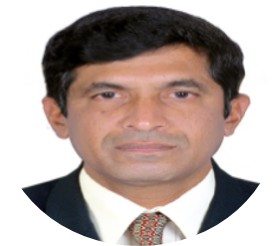 Dr. M. Jagan Mohan Reddy, Director, Extension Education Institute (EEI), Southern Zone, Rajendranagar, Hyderabad-500030. He can be reached at: jaganmaligi@gmail.com
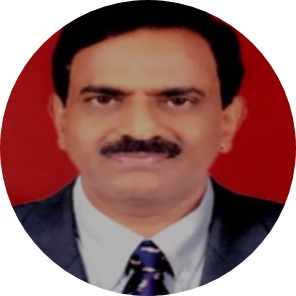 Dr. M. Yakadri, Director of Extension, PJTAU, Hyderabad- 500030. He can be reached at: de@pjtau.edu.in
Add Comment