


Despite pastoralists’ vital contributions to India’s livestock sector, their knowledge, production systems, and challenges are largely unaddressed in veterinary education, research, and extension services. Integrating pastoralism into these systems is not optional: it is essential for developing a deeper understanding of pastoral practices, recognizing pastoralists as stewards of fragile ecosystems, shaping supportive policy, and ensuring their perspectives actively influence livestock sector debates, argue P.V.K. Sasidhar and S.V.N. Rao.
CONTEXT
Pastoralists’ contributions have rarely been recognized, as mainstream society has often seen pastoralism as an outmoded way of life. To raise awareness of the importance of rangelands and pastoralists, the United Nations has designated 2026 as the International Year of Rangelands and Pastoralists (Box 1).
|
Box 1. 2026-International Year of Rangelands and Pastoralists |
Pastoralism, an age-old human survival strategy, took shape thousands of years before the inception of agriculture and other subsistence methods (Box 2). This ancient practice thrives in diverse geographical regions across India, illustrating the profound sustainability and ecological balance embedded in this traditional way of life. By nurturing livestock and fostering a deep connection with the land, pastoralists embody resilience as they manage their resources in harmony with the environment. In truth, they are custodians of India’s remarkable animal diversity and significant contributors to our dairy and meat markets. Pastoralist mobility, an adaptive response to climatic extremes, also has many vital lessons in the context of climate change.
|
Box 2: Pastoralism and its contributions to the Indian Livestock Sector |
PASTORALISM AND MIGRATION OF ANIMALS
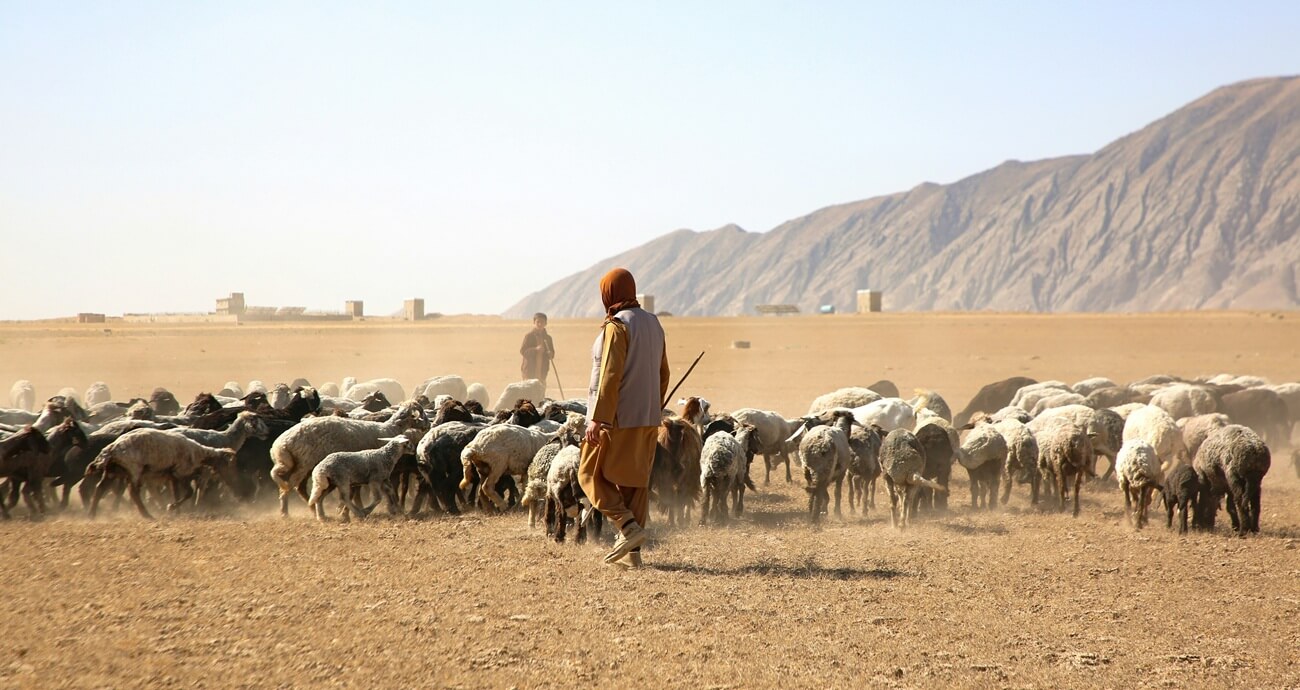
Animal migration of different species of livestock is observed in several parts of India. Transhuman pastoralism is when herds are moved seasonally or periodically between two regions of different climates, e.g., mountain/valley. The pastoralists occupy a permanent residence in one of these regions (Box 3).
|
Box 3. Pastoralism in the Indian Himalayas |
The animal keepers are forced to migrate to other regions or areas because of the scarcity of fodder and water resources during periodic droughts or hot summer seasons. The migration period varies from a few weeks to a few months, depending upon the season, availability of fodder and water resources in other areas or regions. During migration, the animals thrive on common property resources, waste lands, fallow lands, forests, etc. The animal owners face several constraints during the migratory period, which include inaccessibility to veterinary services, disease outbreaks, abortions, mortality of young ones due to poor care of pregnant animals, and walking for long distances, theft of animals, etc.
Cattle Migration
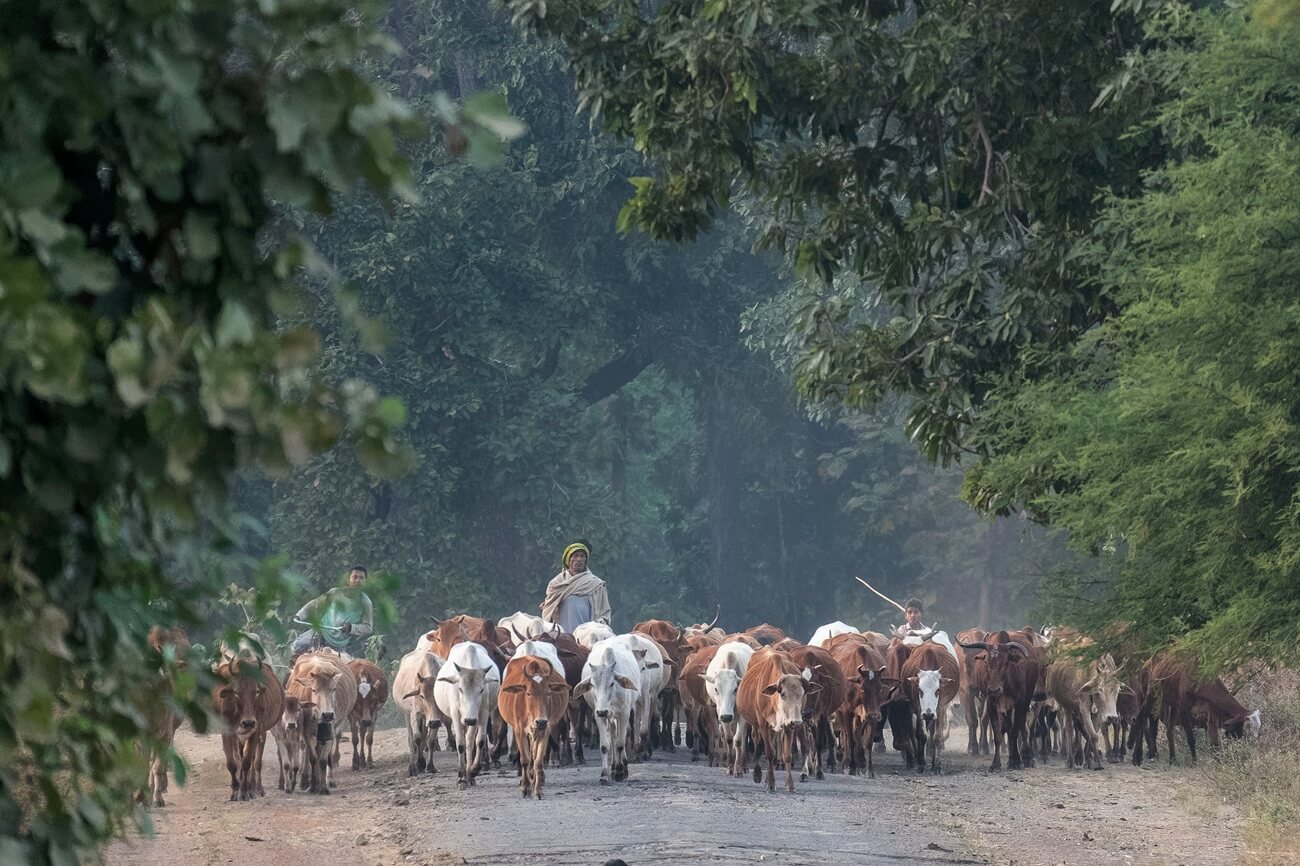
Migration of large herds of Kankrej cattle from Rajasthan to Haryana is observed during the hot summer months. Migration of animals continues to be a permanent feature to save the animals during droughts and hot summer seasons. The migratory cattle keepers derive their income mainly through the sale of animals and the rent they get for enriching the lands during night shelter. Through migration, they aim to sustain the lives of the animals, with little or no concern for productivity. In the process, they move along with their animals hundreds of kilometres in search of grass and water.
Sheep Migration
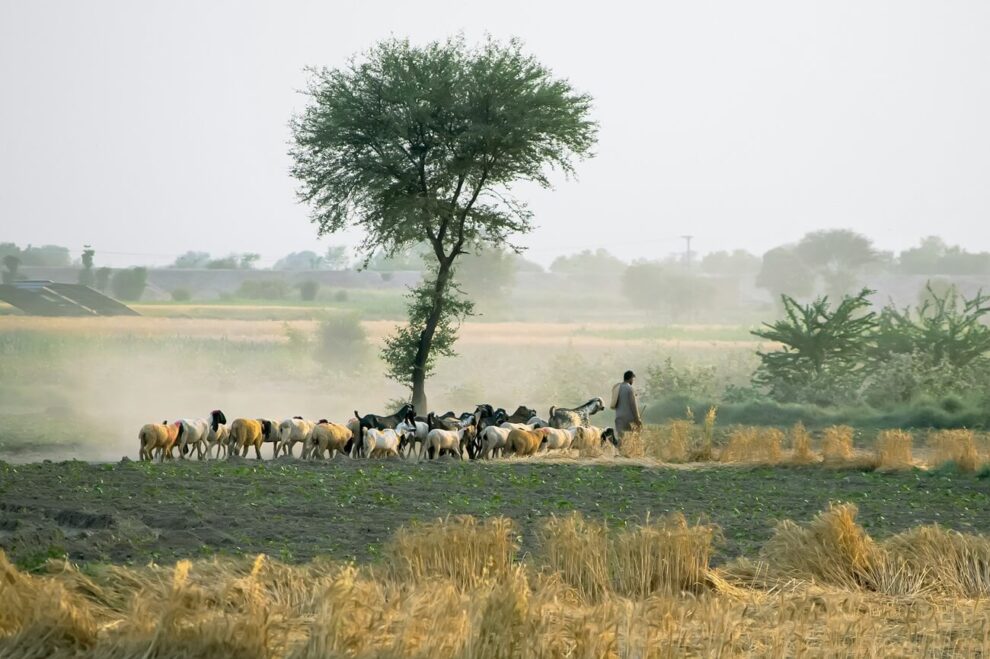
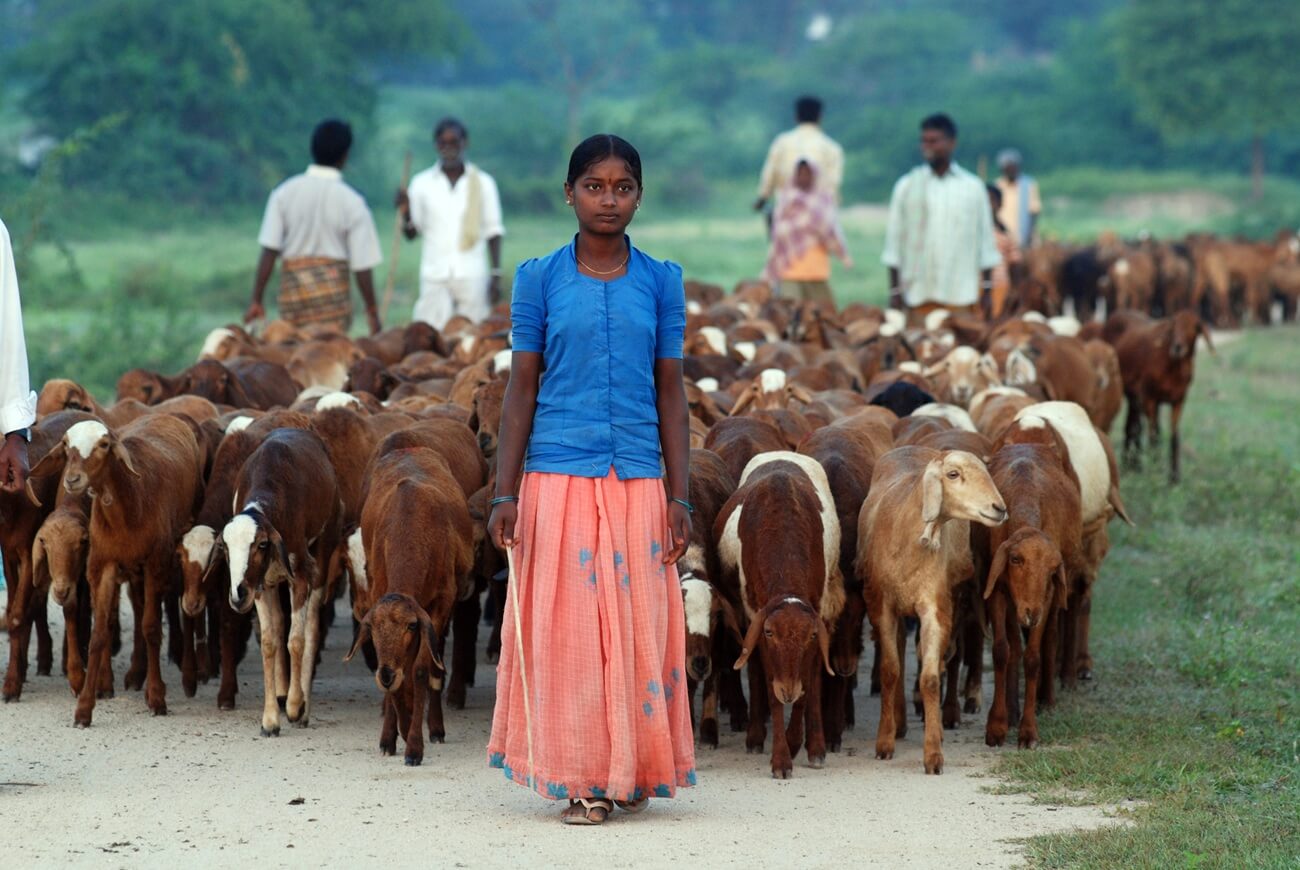
It is a predominant feature in Telangana and Andhra Pradesh, where the migratory period usually spreads from the first week of January to the third week of February based on the migratory routes, except in Southern Telangana, where year-round migration was observed. The majority of migratory sheep farmers return to their native villages from April to June. About 20 migratory routes are operational based on the onset of the dry season. The termination was based on the onset of the monsoon. In Telangana, sheep travel a distance of 25 km to 260 km, spread over 60 to 213 days. In Andhra Pradesh, on average, sheep travel 84 km. Each flock size varies between 500 and 2000 sheep, which is manned by 4–5 shepherds, and manning is done on rotation by the respective owners and their family members. During migration, the penning/night sheltering of sheep flock in cultivable land fetches cash income for its manure. Some shepherds are nomadic in nature and spend most of their time along with their flocks in forests, river belts, and remote villages, facing the most unfavourable conditions (Rajanna, 2011).
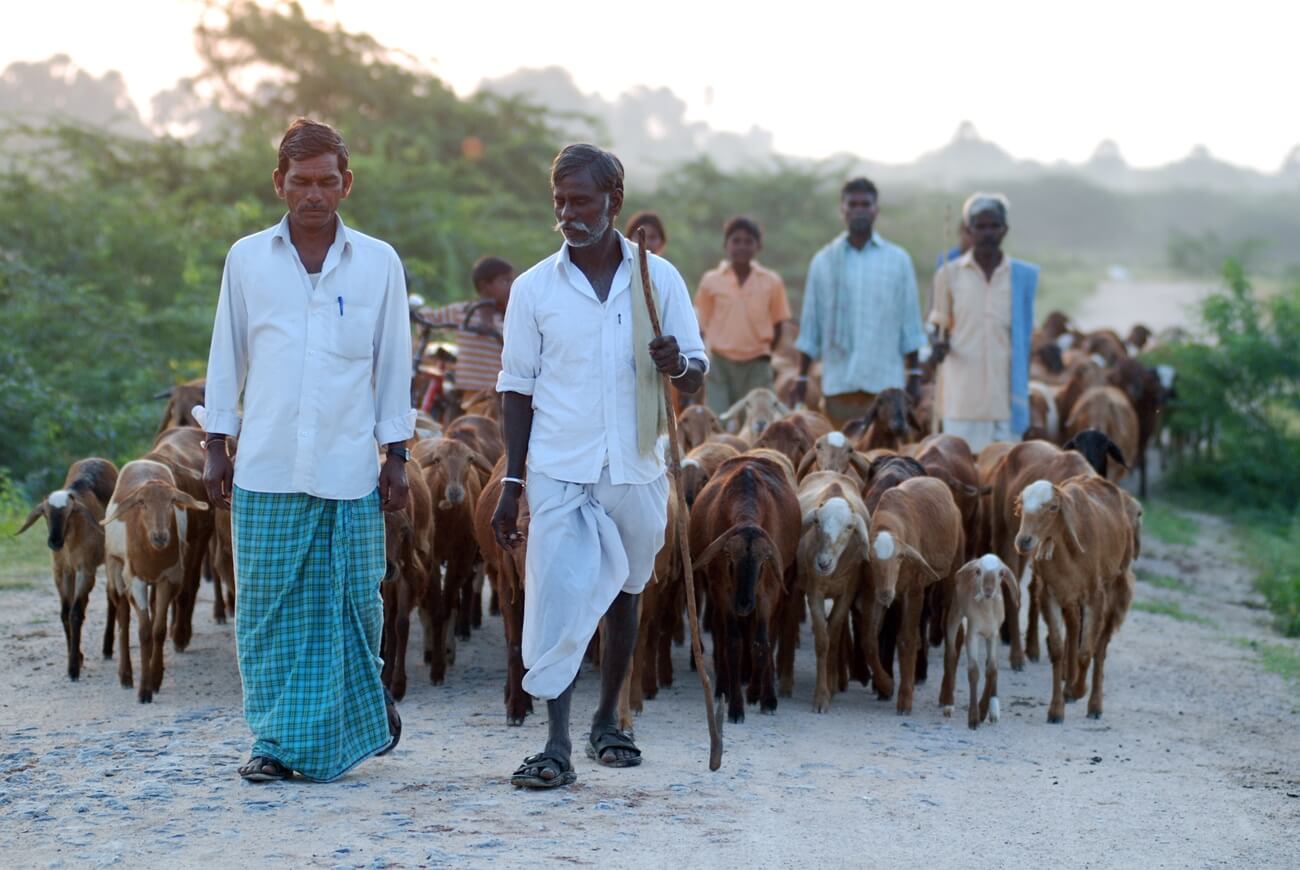
Migration is also commonly noticed in western Rajasthan. Sheep from the southern parts of Jodhpur and Jaisalmer reach up to the river beds in Baroda and Surat (Gujarat) through the Bali-Abu road and Palanpur. The sheep from northern parts move towards the riverbank in Mathura (Uttar Pradesh) through Sawai-Madhopur. The shepherds migrate during the winter season and return to their native villages with the onset of the monsoon. This migratory period is about 2 months. In other districts of Rajasthan, such as Churu, Junjhunu, and Sikhar, sheep flocks migrate for a very short period from their native villages to nearby grazing areas in neighbouring villages (DAHD, Rajasthan). The main community rearing livestock in western Rajasthan was the Raika, and the migratory flock/herd size varied from 42 to 250 small ruminants and 35 to 220 cattle in Rajasthan (Louhaichi et al., 2014).
Nomadic Duck Migration
In India, duck is one of the indigenous species of poultry, reared traditionally by poor people for their livelihood. India’s duck population in 2025 is estimated to be around 33.51 million. Ducks are reared mostly in West Bengal, Assam, Kerala, Bihar, Andhra Pradesh, Odisha, and Tamil Nadu. Nomadic duck rearing is one of the traditional farming systems that favour duck production in India. Ducks are good foragers reared in extensive free-range systems by the rearers in flocks (The Hindu, 2013). Duck rearing is not well recognized as a farming system in most of the paddy-growing states except Kerala, Assam, and West Bengal, the dominant states in the consumption of duck eggs and duck meat. Ducks are reared under backyard conditions mainly in Assam and Kerala and, under integration with crop-livestock, Colocasia field, and fish ponds in Chhattisgarh and Odisha, respectively (Jham Lal et al., 2022; Ramarao et al., 2008).

The entire population of ducks in India accounts for 4.25 % of the poultry population, and out of which the total duck egg production is about 1 percent. Although several million poor people depend upon duck rearing for their livelihood, even rough estimates on nomadic duck rearing and its contribution to the state or national economy. There are very few studies conducted on duck rearing, and the focus is only on a few states (Gajendran and Karthikeyan, 2009; Islam et al., 2002; Tamizhkumaran et al., 2013).
PASTORALISM IN THE CURRICULUM OF VETERINARY AND ANIMAL SCIENCES
The BVSc & AH curriculum of the Veterinary Council of India (VCI) has not given much importance to livestock rearing by pastoralists, maybe because it considers the contribution of pastoralists to be negligible. In addition, the faculty, which is part of the development of the curriculum, also has similar views. The curriculum only emphasized adapting to extensive farming conditions, managing livestock in dryland areas, and assessing the economic impact of these practices on the livestock sector.
The word ‘pastoralism’ is completely missing in the current BVSc & AH curriculum of VCI. However, pastoralism is indirectly covered under the classification of farming systems and ethno–veterinary practices. While not always taught as a distinct, isolated subject, the principles of pastoralism are covered indirectly under five departments, viz., Livestock Production and Management, Instructional Livestock Farm Complex, Livestock Economics and Marketing, Veterinary and Animal Husbandry Extension Education, and Veterinary Medicine (Box 4).
Box 4. Indirect Coverage of Pastoralism in BVSC & AH Curriculum
|
Integrating pastoralism into veterinary and animal sciences curricula in India is essential for several reasons.
- First, it enhances students’ understanding of the diverse cultural and economic practices of pastoral communities, which play a vital role in India’s socio-economic fabric.
- Second, by studying pastoralism, students can learn about the intricate relationship these communities have with their environment, including sustainable grazing practices and biodiversity conservation.
- Third, incorporating pastoralism into education helps to raise awareness about the challenges faced by these communities, such as climate change, land use conflicts, and policy neglect.
- Fourth, educating the younger generation about these issues can foster empathy and a sense of responsibility toward preserving traditional livelihoods and protecting natural resources.
- Fifth, promoting sustainable development through this integration encourages innovative solutions and collaborative efforts between pastoralists, policymakers, and educators.
Overall, embedding pastoralism in the educational framework not only enriches the students’ knowledge but also contributes to the broader goals of sustainability and cultural preservation in India.
A self-reflection by the varied stakeholders in the livestock sector on a few related questions is also important here. These include:
- Are the state Agricultural and Veterinary Universities (SAUs / SVUs), along with Animal Husbandry Departments (AHDs), adequately addressing the importance of this topic in their teaching, research, and extension activities?
- Do the curricula set forth by the Veterinary Council of India (VCI), Minimum Standards of Veterinary Education, provide comprehensive coverage of the subject matter?
- How have livestock researchers and extension specialists articulated their strategies to assist this sector? If they are actively providing support, it is crucial to explore the specific methods and programmes they are implementing. Conversely, if there is a lack of support, what are the underlying reasons contributing to this gap?
- What potential roles could livestock extension services play in bolstering the strength and resilience of this sector? Identifying effective strategies and initiatives for extension services could further enhance the development and sustainability of livestock production and animal husbandry practices.
Ensuring that graduates are well-equipped with the necessary knowledge and skills is critical for developing professionals who can effectively contribute to and support the growth of this sector. Hence, it is essential to incorporate relevant content and practical applications in their curricula to prepare future professionals for the challenges of the sector.
PASTORALISM IN LIVESTOCK RESEARCH
The Indian government does not officially classify “pastoralism” as a category. As a result, there is not much research on these communities (Rollefson and Kishore, 2021). BAIF was involved in the development of pastoralists in some states of India. In the process, a lot of information about the culture, way of life, production systems, and objectives of pastoralists in Gujarat and Rajasthan was studied (Rangnekar and Rangnekar 1993).
In SAUs/ SVUs / ICAR-Animal Science Research Institutes, very few studies are conducted on this topic, although livestock rearing is an important livelihood option for several million pastoralists. Of late, only a few researchers have taken an interest in this topic and brought out certain glaring facts that need to be taken into account while formulating policies.
Pastoral communities in India are large in number, but they do not get much legal recognition and policy support. All previous livestock census since 1919 did not identify pastoral communities separately; instead, they grouped them under a broader ‘nomad’ category. This grouping does not provide essential demographic research information about these communities. However, the latest 21st livestock census is historic for being the first to enumerate pastoral communities and their livestock, filling a 105-year data gap (Box 5). It aims to map transhumant herds, understand their socio-economic status, and improve policies for sustainable, nomadic livelihood systems (Bhagirath, 2024).
| Box 5. Key Features of the 21st Livestock Census on Pastoralism First-Ever Enumeration: For the first time since 1919, the census will specifically count livestock and households involved in nomadic and transhumant pastoralism. Purpose: The goal is to officially recognize and document the contribution of pastoralism to the rural economy, which has previously been largely unmapped. Scope: The census covers over 30 crore households across all states/UTs, incorporating data on the mobility, breed, and herd size of animals reared by these communities. Data Usage: The data will help create tailored policies for sustainable livestock management, animal health, and resource planning for nomadic, pastoralist, and herder communities. Methodology: The census is fully digitized, utilizing mobile apps, geo-tagging, and, in some cases, photo-documentation of breeds to ensure accurate data. This initiative aligns with the government’s focus on sustainable, climate-resilient livelihoods, particularly for traditionally marginalized pastoral communities. |
ROLE OF ANIMAL HUSBANDRY DEPARTMENTS IN PASTORALISM
The animal husbandry department’s role is negligible in livestock rearing by pastoralists primarily because of the migration of animals in search of fodder and water. The cattle rearers do not get their cattle vaccinated against any disease, and they employ traditional wisdom to treat the sick animals. But the migratory sheep rearers usually get their sheep vaccinated against Enterotoxaemia, a highly contagious disease with a high mortality rate. They also deworm their sheep by getting medicine and advice from the local medical shops. They do not seek the assistance of veterinarians to get their sick animals treated. Instead, they slaughter and sell /consume the meat. In the case of migratory ducks, the contractors or agents will arrange for getting their birds vaccinated against duck plague. Here, too, they do not seek the assistance of AHD to get their sick birds treated. They would rather slaughter the sick bird and consume the meat.
As the veterinary services are neither sought by the pastoralists nor provided by the veterinarians, the mortality rate in animals reared by them is high. In the case of migratory ducks, it was reported to be as high as 30 per cent in a year of production period. All odds are against their survival, but still, they are surviving, and their role in preserving biodiversity with little or almost nil veterinary health care is phenomenal. Pastoralists consider it a way of life, and movement along with animals is inevitable for their survival, and they have proved that their livelihoods are ecologically sustainable.
ROLE OF LIVESTOCK EXTENSION IN PASTORALISM
There is a lot of scope to increase the quantity as well as the quality of milk, meat, eggs, wool, etc., coming out of the pastoralists’ livestock rearing. It is also possible to reduce morbidity and mortality through the following technological interventions.
- Documentation of the number of pastoralists whose livelihoods depend upon livestock rearing and their contribution in terms of production, income, and socio-cultural aspects. Over and above, it is worth studying their traditional wisdom in livestock management and the health care of different species of animals they rear.
- Identification of the pockets/ routes of migratory animals.
These two interventions could be done through UG student assignments and PG student research programmes.
- Educating the pastoralists on various aspects of livestock rearing. This is comparatively difficult unless the AH extension departments take a proactive role in reaching the migratory pastoralists.
- If not the treatment, the AHD must provide preventive services like deworming and vaccination free of cost to the livestock being reared by the pastoralists. Vaccinating migratory animals near the boundaries (state or district) is a must to prevent the spread of diseases. It could be a win-win situation if the AHD and the Veterinary College work out a strategy for deworming and vaccinating the animals. A few days could be allotted during the internship programme to reach the unreached pastoralists.
- There are 54 veterinary colleges in the country, and most of them are offering the MVSc programme in Veterinary and Animal Husbandry Extension. The PG students, if allotted topics under livestock rearing by pastoralists in different regions/ areas, a database based on pastoralists could be prepared in a short span of time, and this helps in formulating appropriate policies to promote pastoralism and sustain the interests of pastoralists.
CONSTRAINTS IN PASTORALISM
Firstly, the government neither recognises their existence nor their contribution in terms of production. As a result, the government policies and forest laws are not in favour of pastoralism. For instance, the government is aiming at increased production of crossbreds and indigenous animals, but not local or desi animals. The local animals are being sustained only by pastoralists, as these animals are comparatively sturdy, withstand adverse climatic conditions, and require less care and management. The existing forest laws do not allow these nomads to graze their animals in the forests, posing a serious problem for them to sustain their animals, which depend upon extensive grazing.
Secondly, the movement of animals covering long distances makes these animals stressed and vulnerable to both infectious and non-infectious diseases, resulting in both morbidity and mortality in these animals. In addition, they become a potential source of infections in transmitting diseases (especially Foot and Mouth Disease, Hemorrhagic Septicaemia, Enterotoxaemia, Blue tongue, PPR, Swine fever, etc.) from one area to another, as most of these animals are not vaccinated against diseases and may also act as carriers. Because of their low contact with livestock extension personnel, their knowledge of scientific rearing of animals will be low, which impacts the production of animals.
Thirdly, exploitation by the middlemen in marketing of their produce, as their knowledge of demand, supply, and prices will be low. The contract duck farming in the southern states of India is a glaring example of how the contractors exploit the duck rearers by paying them a paltry rearing fee. The livelihoods of these duck rearers solely depend on nomadic duck rearing, and for generations, they continue to thrive on this.
Ayushi (2024) suggested the following five priority areas that are to be included in the action plan to support pastoralism in India (Box 6):
Box 6: Priority areas for supporting pastoralism in India
|
ENDNOTE
Currently, pastoralists are largely overlooked by livestock researchers and extension workers, with only a few NGOs focusing on their needs. One major challenge is the difficulty in reaching these migratory pastoralists. Frankly speaking, pastoralists are absent from the VCI curriculum, government policies, and animal husbandry development programs. The initiatives being undertaken are largely driven by the personal interests of a small number of researchers, extensionists, and NGOs. It is crucial to integrate pastoralism into veterinary education, research, and extension programs in India. By doing so, we can significantly improve our support for pastoral communities and better address their unique needs and aspirations. This approach will not only enhance animal care and management but also cultivate a deeper sense of compassion for these essential communities that need our help the most.
ACKNOWLEDGEMENT
The authors wish to express their gratitude to Dr. Rasheed Sulaiman V, Director, CRISP, for the trust he placed in the authors by inviting them to write this blog.
 Dr. P.V.K. Sasidhar is Professor, School of Extension and Development Studies, Indira Gandhi National Open University, New Delhi. He can be contacted at: pvksasidhar@ignou.ac.in
 Dr. S.V.N. Rao retired as Professor and Head, Department of Veterinary and Animal Husbandry Extension Education, Rajiv Gandhi Institute of Veterinary Education and Research (RIVER), Puducherry. He can be contacted at: svnrao1953@gmail.com


I fully agree with the authors that the Pastoralists continue to remain largely invisible in livestock research, extension systems, and even in formal veterinary education in India. Also true, much of the work being done in this space is driven by the personal commitment of a few dedicated researchers, extension professionals, and NGOs.
I am so glad this issue is finally being realized and fervently hope that veterinary and animal science curricula are adapted to reflect the enormous importance of pastoralists for India’s food security.
The article was very timely as we are observing the International Year of Rangelands and Pastoralists. As highlighted in the article, we have conveniently neglected the pastoralists’ contribution to the livestock sector. I had an opportunity of discussing with them at Pulikulam in the Sivagangai district of Tamil Nadu in 2018 during project survey work. Hopefully we shall have some concrete statistical evidence in the ensuing 21st livestock census, and based on it we shall be in a better position to initiate project work on this important issue. My sincere thanks to the authors for very well articulating the issue and sensitising us.