



As we mark World Cotton Day on 7 October, Saleena Pookunju explores how the Better Cotton Initiative (BCI) supports cotton-growing communities in India.
CONTEXT
India’s connection to cotton cultivation is ancient, at least as ancient as the Indus Valley Civilisation, according to historical evidence from archaeological sites. Why, then, has a relatively new cotton standard system like the Better Cotton Initiative (BCI), launched just over two decades ago, resonated so strongly with farmers whose families have cultivated the land for generations? To understand this, we need to look at cotton’s recent history in India (Box 1).
|
Box 1: Cotton cultivation in India According to data available from the International Cotton Advisory Committee (ICAC), in the 2024-25 season, Indian cotton used 7,769 tonnes of synthetic pesticides. That is 17% of the total pesticides used in agriculture in India that year. This share increased to 19% in the 2025-26 season, resulting in an average of 1.59 grams of pesticide applied per kg of lint produced. For reference, a medium-sized lightweight T-shirt contains approximately 200 grams of lint cotton. In the 2024-25 season, India used 0.62 kg of synthetic pesticides per hectare of cotton cultivated. Some of these pesticides were Highly Hazardous Pesticides (HHPs). One of the most widely used in cotton cultivation in India is an HHP called Monocrotophos; and according to WHO, ingestion of 1200mg of this HHP is enough to kill a human. |
BCI EFFORTS IN REDUCING PESTICIDE USE IN COTTON IN INDIA
India was one of the first countries to implement the Better Cotton Initiative (BCI) programme, with the first harvest of BCI Cotton produced in 2011. As an agronomic and environmental standard, BCI requires farmers in the programme to either not use HHPs or adopt a plan to phase them out within a prescribed timeline. Monocrotophos is one such HHP that our partners and farmers across India have worked hard to eradicate from cotton production.
According to BCI’s 2026 Global Impact Report, published today (7 October), total synthetic pesticide use in India in 2024-25 declined to 0.4kg/Hectare from 1kg/Hectare in the 2016-17 season. While we’re seeing evidence of progress from this 0.6kg/Hectare reduction over 9 seasons across the BCI India programme, we also see that, on average, BCI Cotton used at least 220 grams fewer synthetic pesticides per Ha than cotton not grown to BCI’s standard. In our case, most of this reduction has happened in the HHP category of pesticides. For example, 57% of licensed farmers used HHPs in 2016-17. This reduced to just 8% in the 2024-25 season. Given that pesticide exposure is a major cause of pollution and health issues in rural areas, the social and public health benefits of this reduction are not yet clearly accounted for.
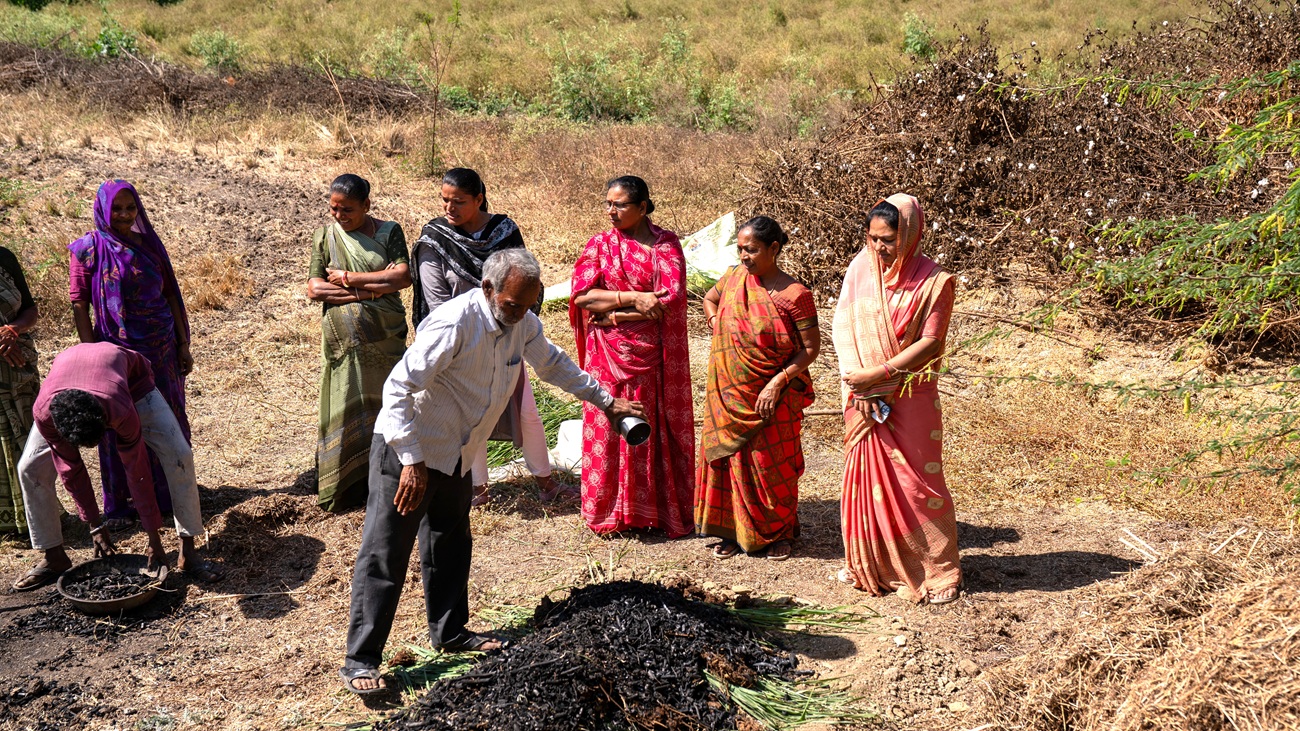
In the 2024-25 season, Indian cotton used 131 kg synthetic nitrogen per Ha, whereas BCI farmers used 34kg less nitrogen for the same area. For the 1.31 million ha cultivated under the BCI programme in India that season, this reduced synthetic nitrogen use by 0.45 million tonnes. In addition to production cost savings and improved soil health from not using excessive amounts of synthetic fertilisers, this contributes to significant savings in subsidies and foreign exchange for the country due to India’s heavy reliance on urea imports, along with greenhouse gas (GHG) emission reductions.
What’s more, while the average overall cotton yield in the country remained low at 453 kg lint/Ha, BCI Cotton’s yield was significantly higher at 701 kg lint/ Ha. Although this is partly explained by more BCI area under irrigated conditions than the corresponding state averages, part of the explanation also lies in the extension support and services BCI provides to Programme farmers.
BCI APPROACH
How did we make this progress, which some might describe as a sort of quiet revolution in how Indian cotton is grown? From the beginning, our approach has supported many areas (across 7 major cotton-growing states in India) now associated with regenerative agriculture, a holistic approach to farming that gives back to nature rather than taking from it. We support locally relevant practices and drive continuous improvement, with a specific focus on regenerative outcomes that include restoring and enhancing soil health, improving water-use efficiency, enhancing biodiversity, increasing carbon storage, and reducing greenhouse gas emissions.
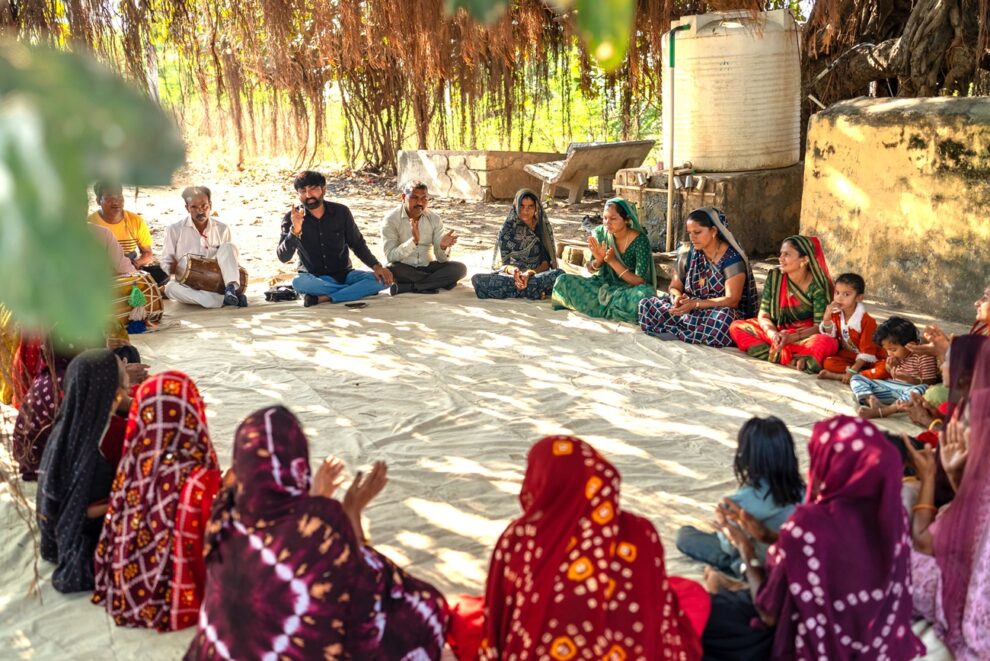
This quiet revolution is made possible by the 2,470 extension workers (working with our 13 programme partners) we have deployed in 5,535 villages in India, who effectively transfer knowledge of innovative and sustainable cotton production practices to farming communities. While the number of participating farmers in India has come down to approximately 800,000 this season, women farmers’ participation in our programme increased to 15%. To effectively support the women farmers driving the adoption of regenerative practices, our partners have recruited 30% women extension workers and committed to retaining them despite many social challenges to women’s employment in rural India that go beyond the agriculture sphere.
The key here is the massive knowledge transfer enabled by BCI’s programme, as a dedicated network of Programme Partners provides tailored support to farming communities. This includes knowledge about Integrated Pest Management, where farmers are trained to identify the pests and beneficial insects of the cotton crop, and trained to make decisions on when to intervene if the pest pressure is changing, and what the right intervention is for the crop, for farmers’ wallets, and for the environment.
This knowledge is also about Integrated Nutrient Management – how to understand soil, the deficiencies and excesses of nutrients in the soil, how to interpret soil testing results, what the alternatives to synthetic fertilisers are, how to produce and apply those, and how to manage the residue of crops on farms.
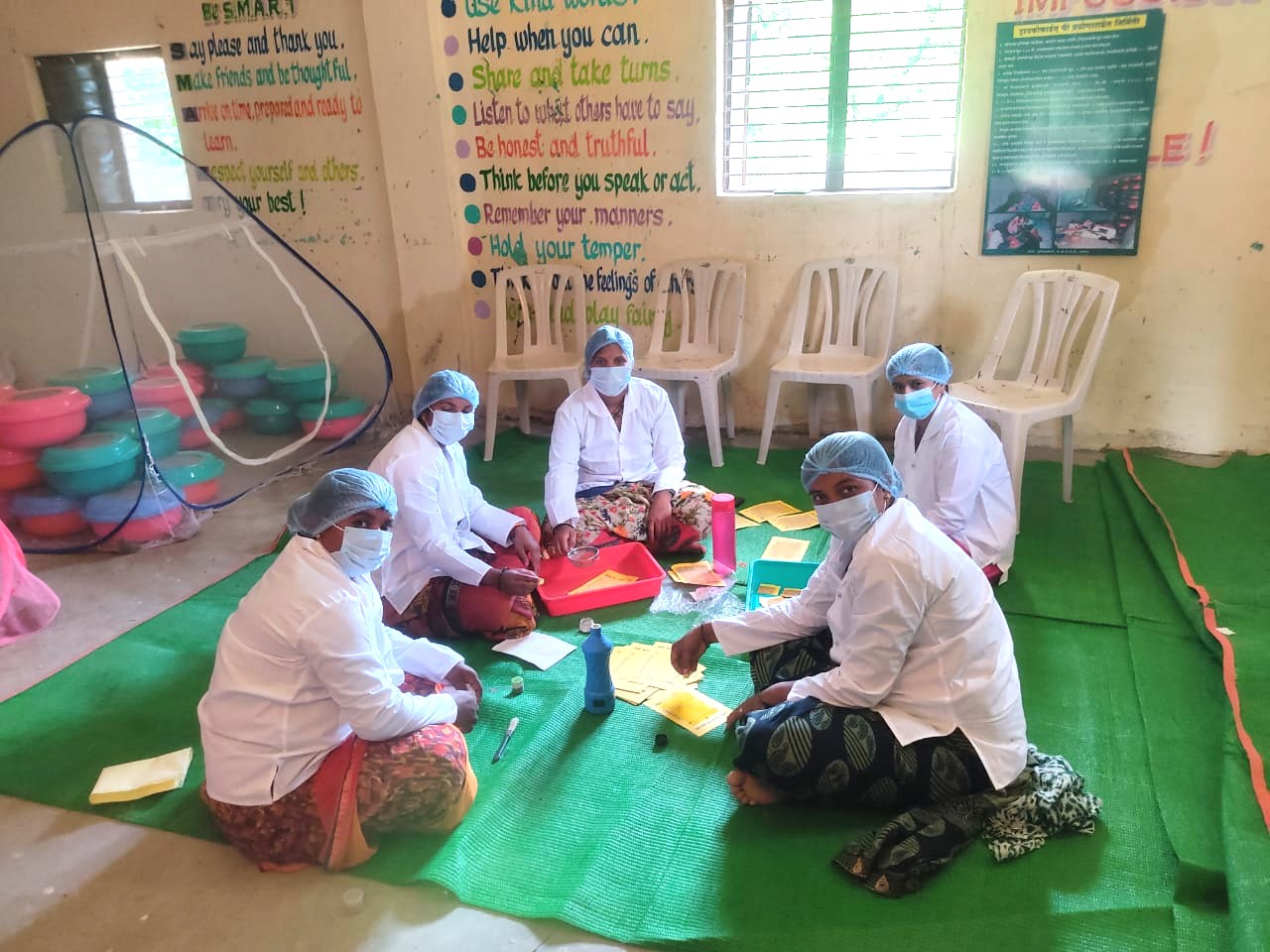
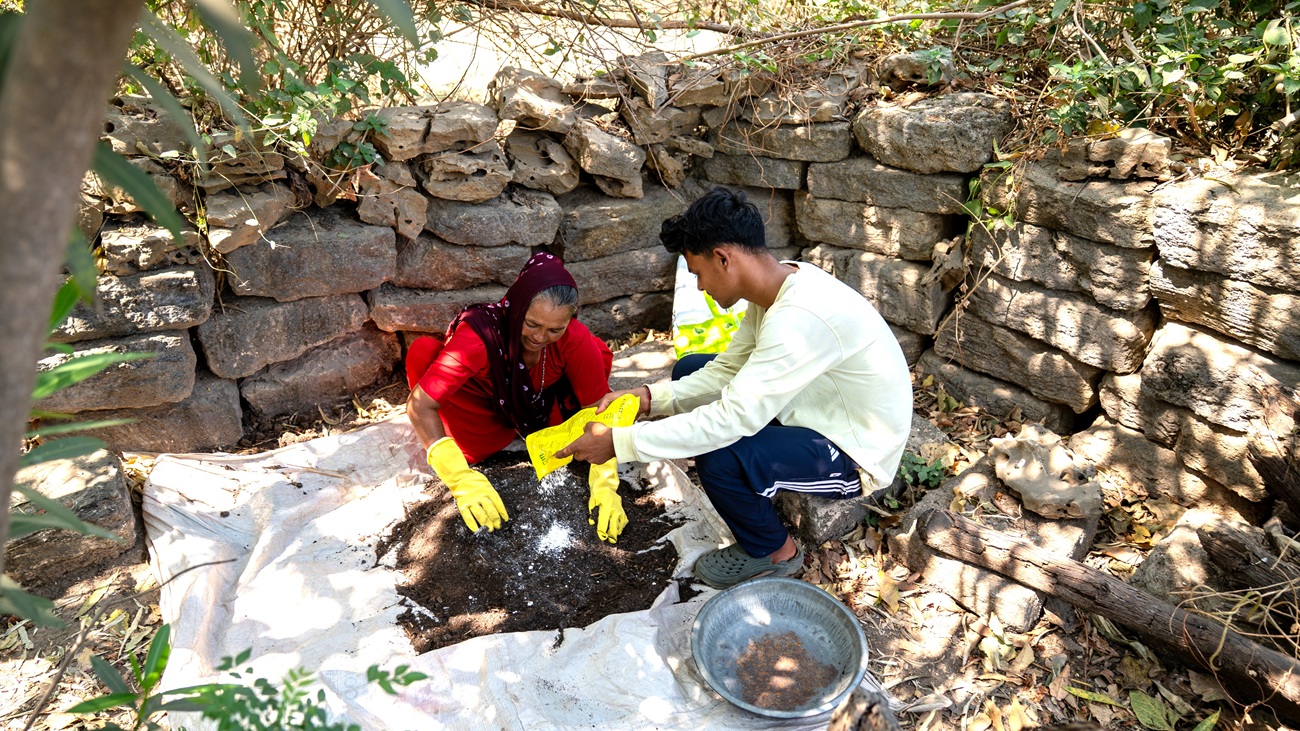
We achieve this partly through 14,000 demonstration plots and nearly 700 bio-input production centres established across the country, and by leveraging the existing community of institutions. We have a lot to be thankful for – especially the unrelenting support BCI has received in India from its many collaborators.
ENDNOTE
Through the work we do in India with our 13 Programme Partners, BCI covers only 13% of India’s 6 million cotton farmers across Andhra Pradesh, Gujarat, Karnataka, Maharashtra, Punjab, Rajasthan, and Telangana. Nevertheless, we have become a force that delivers on its promises to the world and its stakeholders. On this World Cotton Day, this is a tribute to all of BCI’s partners and farming communities in India – without your continued support and effort, none of what we have achieved would have been possible.
 Saleena Pookunju is a Senior Programme Manager associated with the Better Cotton Initiative (BCI) India. She is an economist by training, and before joining BCI, she worked on labour and human rights issues in India’s apparel supply chain. She was also associated with Asia Floor Wage, a living wage campaign for Asian garment workers. She can be reached at saleena.pookunju@bettercotton.org


Add Comment