


“For pastoral communities, forests, grazing spaces and common lands are not merely physical resources; they sustain livestock, seasonal mobility and community economies. Protecting pastoralism means protecting our traditional grazing rights, indigenous livestock breeds and the landscapes that sustain our communities.”
C Rajiv Gandhi
Rajiv Gandhi is President of the Tamil Nadu Federation of Pastoral Peoples Sangams (TFPPS), which works to protect pastoral rights, rangelands and the indigenous way of life of Tamil Nadu’s herding communities. He also serves as Editor of Kidai, a Tamil magazine focusing on the pastoral economy and culture.
In this conversation with Juno Ashok, he discusses the challenges facing pastoralists in Tamil Nadu and the federation’s efforts to strengthen community organisation, protect grazing rights, connect pastoralists with research and extension institutions, and build links with pastoral networks in India and beyond.
What led you to work on pastoral issues and become involved with TFPPS?
I come from a pastoralist family in Kalaiyarkovil, Sivaganga district. After completing my master’s degree in 2016, I became increasingly interested in working for the welfare of pastoral communities. Being part of this community, I understood the challenges pastoralists face, particularly the lack of an inclusive collective platform to represent our concerns. No dedicated sangams adequately addressed pastoralism and issues such as access to grazing lands and pastoral rights. This motivated a few of us to establish TFPPS as a common platform to organise pastoral communities and strengthen their collective voice.
Tamil Nadu Federation of Pastoral Peoples Sangams (TFPPS) was initiated in 2021 and formally registered in 2023. It is a state-level federation representing communities whose traditional way of life and primary livelihoods are based on pastoralism and livestock herding. The federation works to protect their rights, livelihoods, traditional knowledge, cultural heritage and common grazing lands across Tamil Nadu.
TFPPS currently works with more than 10,000 members. Its taluk-level and breed-based associations bring together communities associated with Pulikulam, Alambadi, Malaimadu and Bargur cattle, alongside other regional livestock traditions.
Access to grazing land is essential for pastoral livelihoods. How is TFPPS working to protect pastoralists’ rights over these lands?
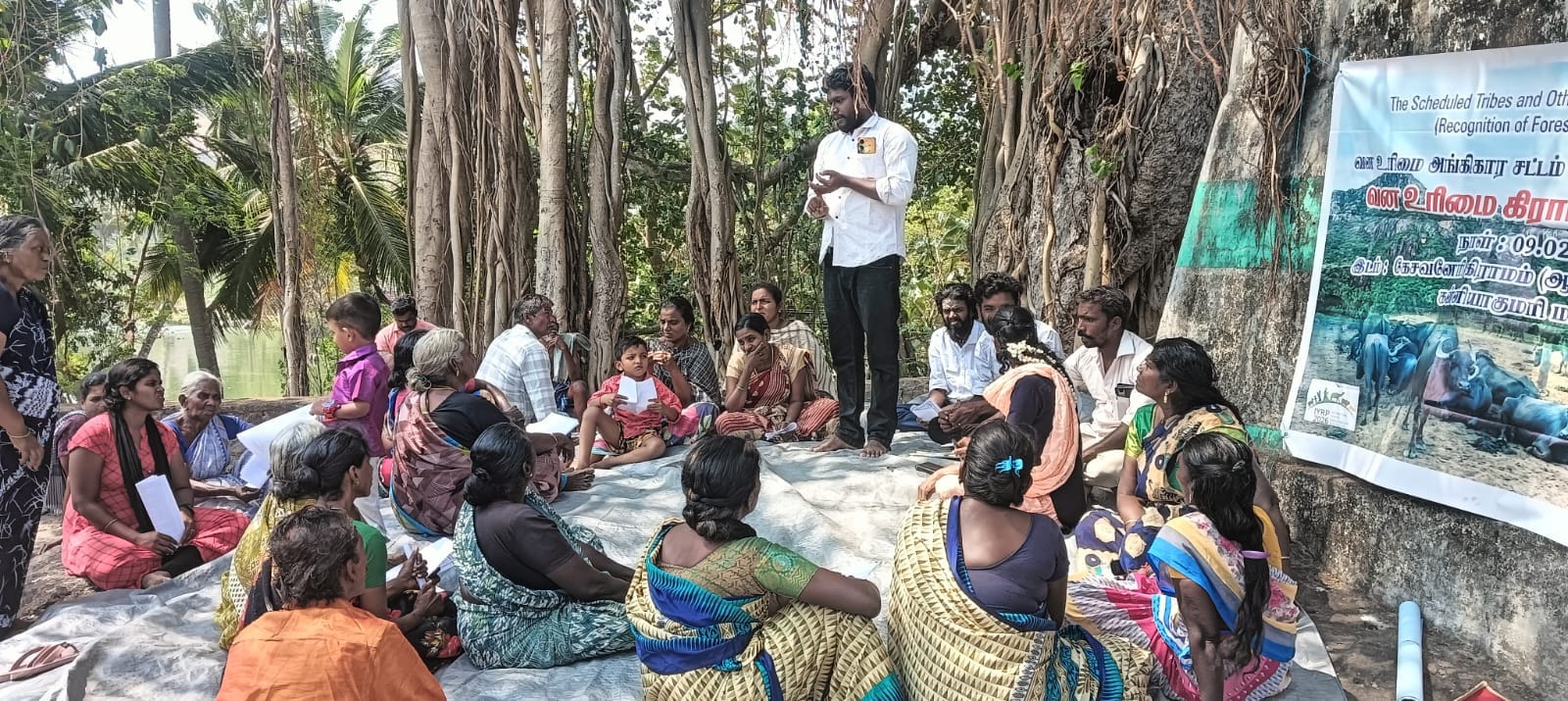
For pastoral communities, forests, grazing spaces and common lands are not merely physical resources; they sustain livestock, seasonal mobility and community economies. TFPPS is working to secure recognition of pastoral communities’ traditional rights under the Forest Rights Act (FRA), 2006, including through claims under Section 3(1) (d), which concerns the grazing and other traditional rights of pastoral and nomadic communities. However, this process has not yet formally recognised grazing rights. We facilitate awareness programmes, support the formation and functioning of Gram Sabhas, and explain the distinction between the Forest Rights Act and other legislation relating to tribal communities. We also organise FRA awareness workshops, including youth-focused activities.
A recent incident illustrates these challenges. On 27 October 2026, forest officials detained a pastoralist grazing livestock in the Velichanatham forest area of Madurai district. TFPPS intervened and, following discussions with the District Forest Officer and the District Ranger Officer, helped secure his release by explaining the protections and rights being claimed under Sections 3(1)(d) and 4(5) of the Forest Rights Act, 2006. Section 4(5) provides that eligible forest-dwelling communities should not be evicted or removed from forest land until the recognition and verification process is complete.
In another instance, a pastoralist was arrested by a forest ranger in Madurai while grazing livestock and was taken to the forest office. The federation intervened, explained the relevant rights of forest-dependent communities and helped secure his release. We also met the District Collector to explain the difficulties pastoralists face and the need to recognise their traditional livelihood practices. We have also been advocating for a dedicated Pastoral Development Board in Tamil Nadu. We prepared and submitted a concept note to the Minister for Veterinary and Animal Husbandry outlining the need for a separate institutional mechanism to address the livelihood, welfare, and resource-access requirements of pastoral communities.
Pastoralists move across landscapes, while public services often follow fixed administrative boundaries. How does this affect their access to essential services?
Livestock move across districts, but veterinary services, welfare schemes and administrative records are often organised around fixed boundaries. For instance, official records commonly associate Pulikulam cattle with Sivaganga, although pastoralists also rear them in Ramanathapuram. The federation advocates separate identity cards for pastoralists to facilitate access to water resources, vaccination, and government schemes during migration.
Pastoralists are also facing difficulties due to the expansion of reserved forest areas and restrictions on traditional grazing spaces. Migratory pastoralists sometimes encounter resistance from local communities while moving across landscapes. Another growing concern is livestock-involved highway accidents during migration. These challenges make it important to recognise pastoral mobility and consider pastoral requirements in local planning. We are also working with Gram Sabhas to identify and map the regions where pastoral activities take place. In a related initiative, the Coexistence Champions programme at the University of Trans-Disciplinary Health Sciences and Technology, Bengaluru (TDU), is documenting the traditional grazing routes of Tamil Nadu’s indigenous livestock breeds, pastoral mobility patterns, and the grazing landscapes that sustain pastoral communities and their livestock.
Such documentation is important for protecting these landscapes and ensuring that pastoral concerns are considered in local planning.
How is TFPPS building relationships between pastoral communities and research institutions?
Building relationships with research institutions is an important part of TFPPS’s work. Before the federation was formed, interactions between pastoralists and research institutions were limited. TFPPS has developed linkages with five institutions of the Tamil Nadu Veterinary and Animal Sciences University (TANUVAS).
- Bargur Cattle Research Station
- Kangayam Cattle Research Station
- Pulikulam Cattle Research Station
- Alambadi Cattle Breed Research Centre
- Livestock Research Station, Kattupakkam
Our interactions with researchers are helping them better understand the requirements of pastoral communities and bringing pastoral concerns into scientific discussions. We urge researchers to recognise pastoralists’ traditional knowledge and engage them as knowledge partners. The federation has also demanded specialised training facilities for pastoralists within universities and research centres.
As I understand it, pastoral knowledge is built over generations through close interaction with livestock and landscapes. How is this knowledge being recognised in research and extension programmes?
Our collaboration with research institutions has helped improve how livestock research is organised. One example is the revival of Kidai Pongal, which the federation has undertaken over the past four years in collaboration with TANUVAS. The practice reflects traditional crop–livestock relationships. Earlier, livestock were familiar sights in agricultural fields, where they contributed to nutrient cycling and traditional agricultural management. Reviving this practice is not only about preserving culture; it also creates an opportunity to revisit knowledge that modern agricultural systems may have overlooked.
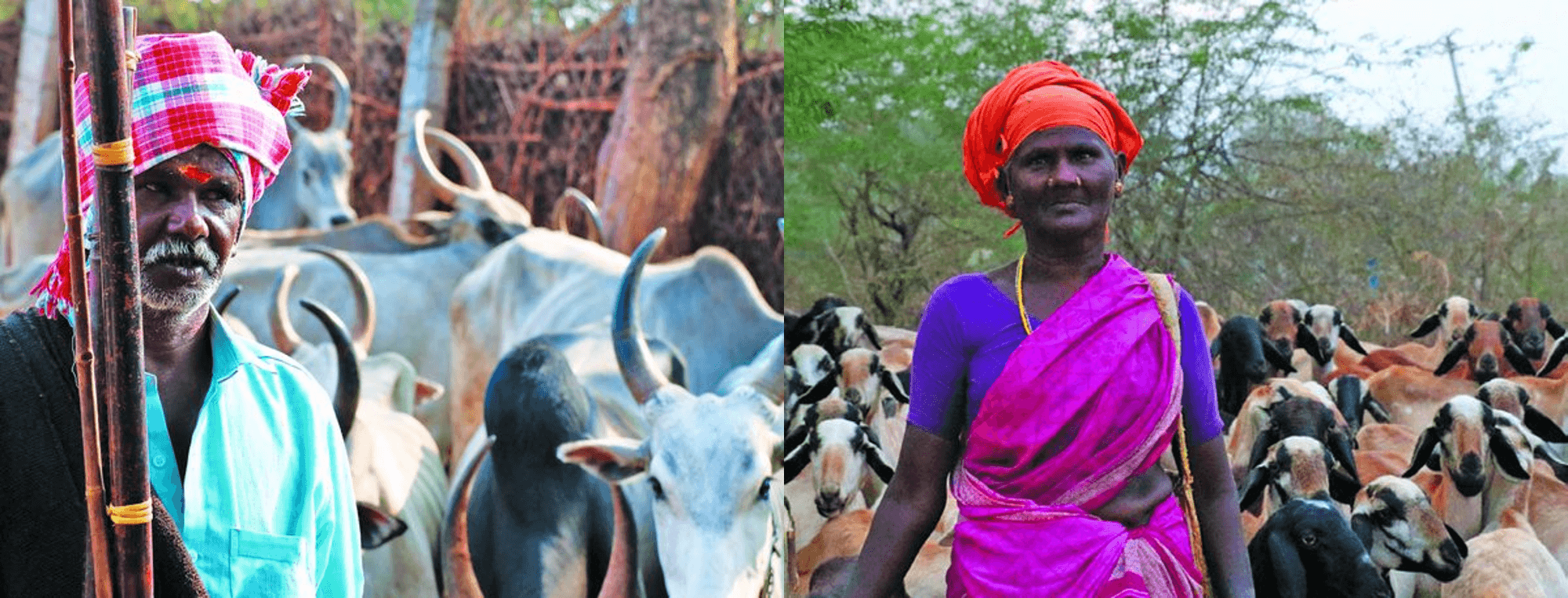
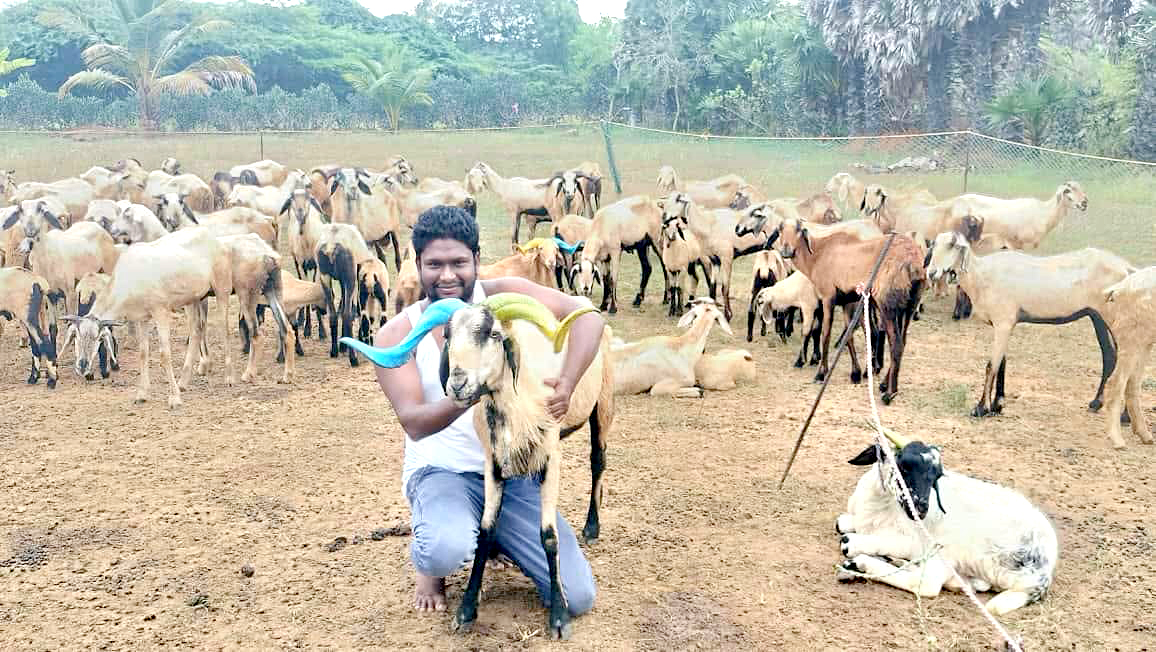
Another important area is conserving indigenous livestock breeds. Tamil Nadu has ten registered sheep breeds, including Mecheri, Vembur, Ramnad White, Nilgiri and Katchaikatti Black. Some local sheep populations are declining, and awareness about their conservation needs to be strengthened. Through the ICAR-National Bureau of Animal Genetic Resources (NBAGR) Breed Conservation Award, the federation is helping local livestock custodians obtain institutional recognition. One individual from its network received the award last year, and four applications were submitted in the current cycle. We will know the outcome when the award results are announced.
We are also working to recognise and conserve indigenous livestock breeds maintained by pastoral communities. Particular communities still maintain some traditional breeds but have not yet received formal recognition in government records. For instance, Theni Malai Maadu and certain other local breeds require attention for documentation and registration. TFPPS is identifying these breeds and facilitating the steps needed for recognition, with institutional support. We are also guiding livestock custodians associated with breeds such as Bargur cattle in applying for the ICAR-NBAGR Breed Conservation Award.
How does TFPPS promote awareness of livestock health and responsible veterinary practices among pastoral communities?
TFPPS launched a month-long Chemical-Free Pastoralism Campaign on 1 November 2026 under the theme “Healthy Herds; Living Rangelands!” The campaign aims to create awareness about livestock healthcare and environmental responsibility. It highlights the close relationship between livestock health and the ecological health of grazing landscapes.
During a community interaction near Ilayangudi in Sivaganga on 6 November 2026, pastoralists discussed the judicious use of veterinary medicines, traditional herbal healthcare, access to government vaccination services and the proper disposal of veterinary waste. In some cases, pastoralists administer vaccinations and veterinary medicines themselves, but they do not always handle and dispose of veterinary medical waste appropriately.
We are also concerned about the gradual decline in the use of traditional herbal veterinary practices. With the guidance of Padma Shri Punniyamoorthy, we are facilitating training on traditional herbal approaches to livestock healthcare. Through the campaign, we aim to promote awareness of responsible veterinary medicine use, proper waste disposal and the preservation of traditional knowledge. Our objective is not to discourage necessary veterinary treatment, but to encourage appropriate practices that protect both livestock and grazing environments.
Indigenous breeds are maintained not only through scientific institutions but also through the everyday practices of livestock keepers. Conservation policies must therefore recognise the communities that sustain these genetic resources.
But beyond livestock management, pastoral communities also hold knowledge about migration, grazing patterns and ecological relationships. How is TFPPS working to document and conserve this knowledge?
 Our work on traditional knowledge extends beyond livestock management. Pastoral communities possess practical understanding of seasonal migration, grazing patterns, herbal veterinary practices and human–wildlife interactions. These experiences deserve systematic documentation and recognition, particularly during the International Year of Rangelands and Pastoralists (IYRP) 2026.
We encourage Gram Sabha resolutions to document indigenous breeds, grazing lands, and migration routes in People’s Biodiversity Registers. We are also seeking pastoral representation in Biodiversity Management Committees and the Tamil Nadu State Board for Wildlife.
We have raised the possibility of scientifically assessing and legally authorising prescribed burning in suitable grazing landscapes to encourage grass regeneration and manage invasive vegetation, drawing attention to regulated practices in countries such as Australia and South Africa. Such proposals require ecological assessment and appropriate legal safeguards. Pastoral knowledge should inform landscape management decisions, rather than excluding communities from conservation discussions.
Women contribute significantly to pastoral livelihoods through fodder collection, livestock care, grazing management, milking and processing dairy products. What initiatives has TFPPS taken to support pastoralist women?
Women contribute at every stage of pastoralism, but their work often remains less visible. TFPPS has facilitated a separate Self-Help Group for pastoral women, with training in livestock healthcare, veterinary medicine-related practices and value addition of pastoral products.
Women’s knowledge, collective enterprise, product value addition and diversified livestock activities are equally important to livelihood sustainability. Extension interventions must recognise these dimensions instead of treating pastoral households as a single, undifferentiated beneficiary group.
TFPPS has also helped establish a NABARD-supported Farmer Producer Organisation (FPO) for pastoralists in Sivaganga district. The initiative is in its early stages and is known as the Kidai Goat and Sheep Farmer Producer Company. The Sangam is also continuing its pastoral tourism initiatives to showcase pastoral life, traditional practices, cultural heritage and grazing landscapes. Through these initiatives, it seeks to increase the visibility of pastoral communities and raise awareness of their distinctive livelihoods and relationship with the landscape.
Are TFPPS and its members connected with pastoral initiatives and networks beyond Tamil Nadu?
Yes. Although pastoral livelihoods are rooted in specific landscapes, the challenges pastoralists face often extend across geographical and national boundaries. TFPPS engages with pastoral networks nationally and globally, creating opportunities to share local experiences, participate in discussions on pastoralism and learn from different contexts.
I serve as a working member of the IYRP 2026 Working Group on Pastoralist Youth. I am also connected with the South Asia Pastoral Alliance and pastoral youth networks representing different Indian states.
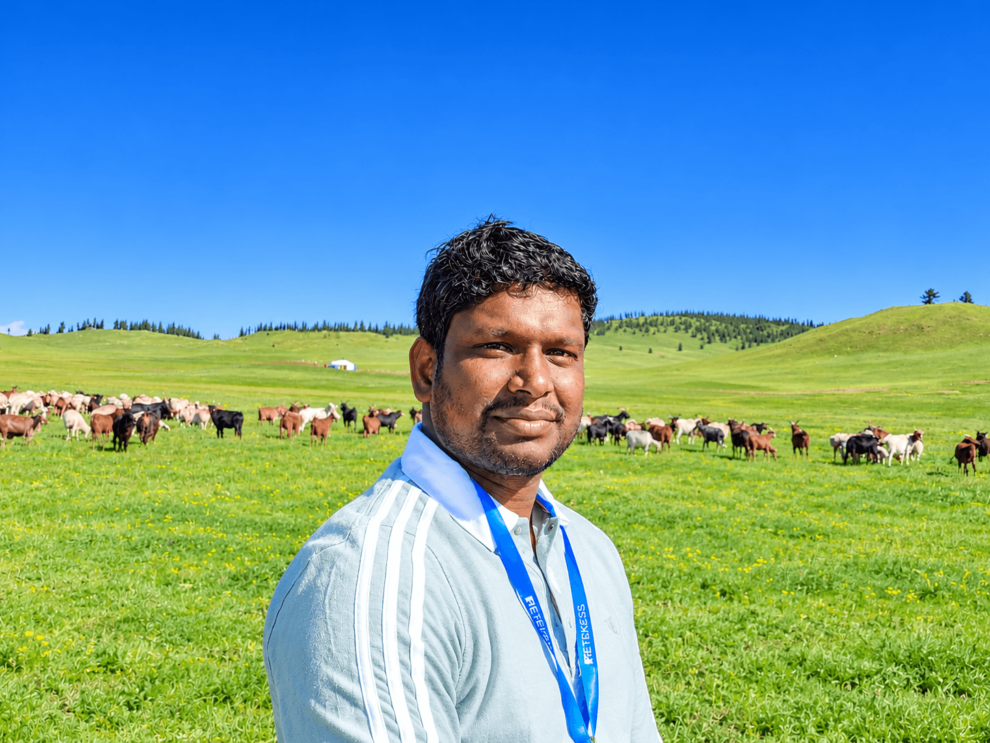
I participated in the Global Pastoralist Gathering and Conference held in Mongolia from 10 to 15 August 2026. I represented pastoral communities in Tamil Nadu alongside pastoral representatives from Rajasthan and Ladakh. The gathering brought together pastoralists from different countries to discuss shared concerns about rights, mobility, rangeland conservation, and livelihood sustainability. The meeting resulted in the Ulaanbaatar Declaration 2026, along with declarations on women and youth pastoralists. Such platforms enable us to bring grassroots experiences from Tamil Nadu into wider discussions and build connections across pastoral networks, while recognising the distinct contexts in which different communities live and work.
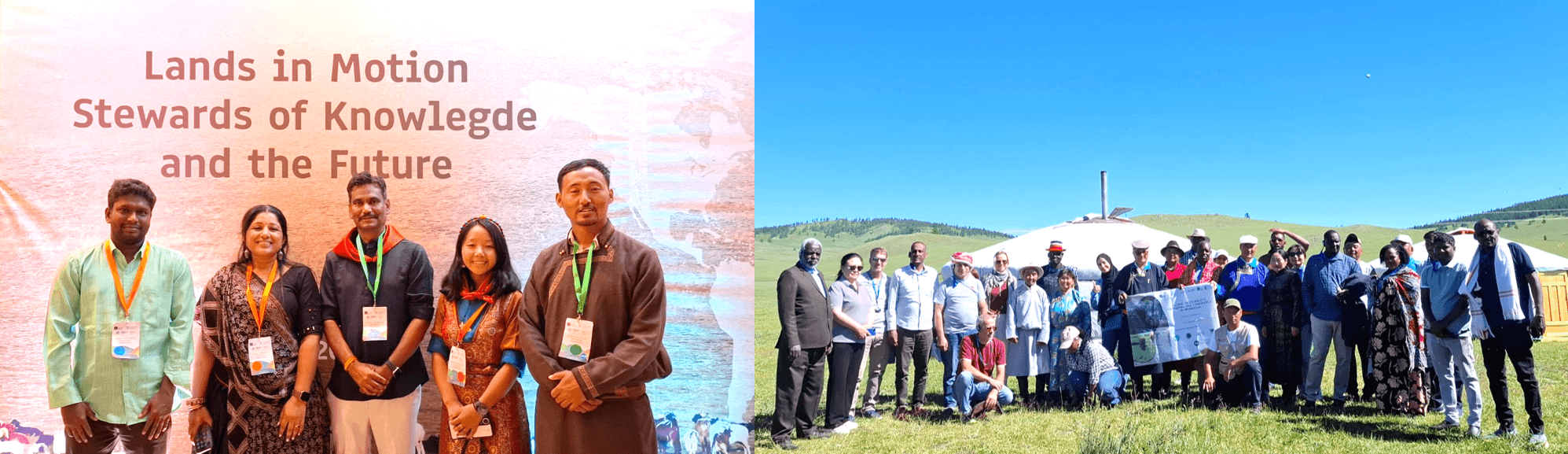
Participants at the Global Pastoralist Gathering and Conferences (Mongolia, August 2026), exchanging experiences and perspectives on pastoral livelihoods and rangeland conservation.
I recently read an issue of your magazine, Kidai. What prompted you to start the magazine, and what are its objectives?
Knowledge must also reach the communities that generate it. That is the idea behind publishing Kidai, our quarterly Tamil magazine, first published in 2023. So far, we have published ten issues. Through the magazine, TFPPS documents pastoral experiences, information on indigenous breeds, community challenges and traditional practices. Its publications on forest rights and organic farming further extend this communication effort.
Inspired by the ancient Tamil ecological philosophy of the Thinai concept, which reflects Tamil Nadu’s traditional relationship between nature, land, culture, and livelihoods, we work to unite the communities of the four traditional landscapes of Tamil Nadu –Kurinji (Mountains), Mullai (Pastoral Lands), Marutham (Agricultural Lands), and Neithal (Coastal Lands). Our movement brings together Indigenous communities, pastoral communities, traditional farmers, fisherfolk, and other local traditional communities to collectively protect their rights, livelihoods, cultural heritage, natural resources, and traditional knowledge. Our vision is to strengthen people’s rights, protect ecological and cultural diversity, and ensure community sovereignty over their traditional lands and resources.
Livestock extension services remain limited in many parts of India. How would you assess the extension support available to pastoral communities in Tamil Nadu?
Pastoral communities require more than conventional livestock advisory services. Their livelihoods depend on mobility, access to natural resources, indigenous breeds, community institutions and knowledge developed through generations of interaction with the environment.
They need access to mobile veterinary support and specialised training. They also need recognition as knowledge producers and conservation partners, and representation in decision-making bodies so they can articulate their concerns and demands. They need more extension support to document pastoral practices and promote community-led communication.
The challenge for agricultural extension is not simply to take existing services to pastoral communities. It is to understand their realities and ensure that interventions strengthen pastoral livelihoods. At present, livestock extension support for pastoralists is limited, but we are working with different agencies to improve it.
 Juno Ashok is currently pursuing an M.Sc. in Agricultural Extension Education at Tamil Nadu Agricultural University, Coimbatore and is an AESA Volunteer. She can be reached at amjuno2001@gmail.com.



Add Comment