


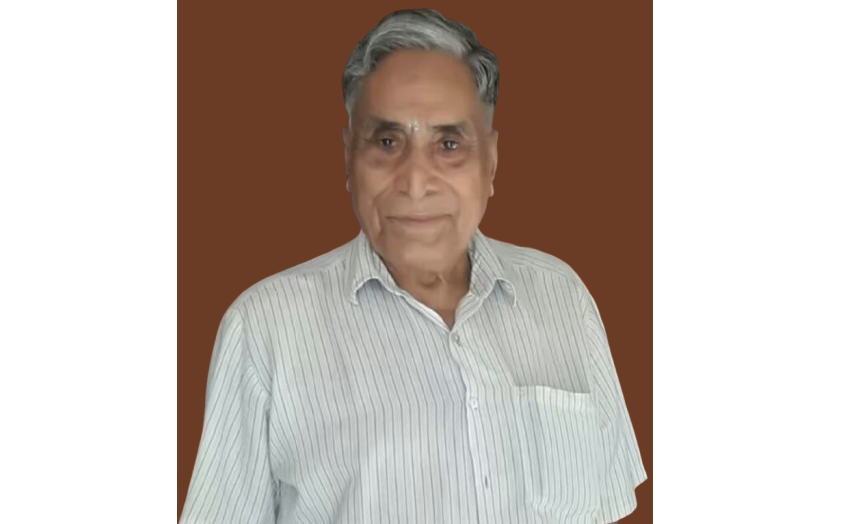
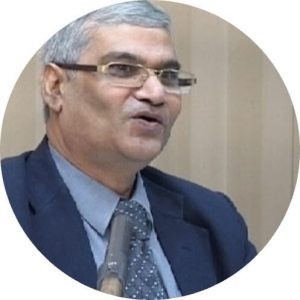
Dr Gopalji Trivedi: Extension Practitioner with a Human Face
Dr Gopalji Trivedi received the Padma Shri in 2026 for his work in Science and Engineering, especially in agriculture. This award recognises his long career of over 60 years, during which he has helped Indian farmers through better farming methods, training, and direct support in villages.
He was born on January 15, 1930, in Matlupur village, Muzaffarpur district, Bihar, into a middle-class farming family. His early education was in his village, and he excelled at Pusa High School, earning the highest marks in his class. He later studied science at Langat Singh College in Muzaffarpur, Bihar, before earning a B.Sc. in Agriculture.
Following his father’s death, he paused his studies to help his mother on the family farm. Later, with her encouragement and guidance from local leaders like Pandit Yamuna Karjee, he resumed his education. He applied for admission to the agricultural university at Pusa and gained entry based on merit. He earned his bachelor’s and master’s degrees there, followed by a PhD from the Indian Agricultural Research Institute in New Delhi.
His career started in 1961 at Dholi Agriculture College as an assistant professor, after which he took on various roles. From 1988 to 1991, he served as Director and later Vice Chancellor of Rajendra Agricultural University (now Dr Rajendra Prasad Central Agricultural University), Pusa. Throughout his leadership, he consistently prioritised supporting farmers directly.
His main contributions include:
- In 1964, he co-created the Pareek-Trivedi Socio-Economic Scale with Professor Udai Pareek. This widely adopted tool assesses the socio-economic standing of rural families in India by evaluating nine key factors: caste, occupation of the family head, education level of the head, social participation, landholding size, type of residence, farm power sources (such as draught animals and equipment), material possessions (e.g., bullock cart, bicycle, radio, TV), and whether the family is joint or nuclear. Each factor receives a score, and the aggregate determines one of five class categories, ranging from upper to lower. The scale has been widely used in studies of rural livelihoods, agriculture, public health, community development, and extension programs. It continues to serve as a standard reference, with subsequent researchers making revisions and adaptations to keep it relevant for modern nationwide studies.
- Efforts to rejuvenate old litchi orchards through improved tree care and canopy management have successfully revived ageing gardens in Muzaffarpur, leading to increased fruit yield and bolstering both local and export markets. His focus was on the renowned Shahi litchi, celebrated for its sweet flavour, juicy pulp, strong aroma, and smaller seed. Mainly cultivated in Muzaffarpur and surrounding districts, Shahi litchi was granted a Geographical Indication (GI) tag in 2018, establishing it as a protected, premium Bihar product. Bihar accounts for over 40% of India’s litchi production, and Shahi plays a vital role in boosting exports to the UK and major Indian cities.
- Promoting scientific cultivation of makhana (fox nuts) and water chestnuts in flood-prone and waterlogged regions of north Bihar has transformed previously regarded useless lands into reliable sources of income for farmers. Dr Trivedi’s early efforts laid the groundwork for the crop’s expansion in the area. Recently, the government has advanced this initiative by establishing the National Makhana Board in September 2025, as announced in the Union Budget 2025-26. The board aims to enhance makhana production, processing, value addition, marketing, and exports, with Bihar contributing about 90% of India’s total output. It also provides training, support, and access to schemes to help farmers build on these advancements.
- Developing extension strategies centred on farmers for crops such as winter maize, short-duration arhar (pigeon pea), and millets. These methods were innovative at the time, helping farmers adopt new cropping patterns tailored to Bihar’s conditions, boosting yields, and promoting diversification beyond traditional crops like rice and wheat.
- Leading integrated rural development efforts in adopted villages under Rajendra Agricultural University (RAU, now Dr Rajendra Prasad Central Agricultural University), Pusa. He guided practical programs that combined better farming techniques, livelihood options, and community support to directly improve rural life.
- Supporting integrated farming and practising these methods himself on his land to demonstrate their effectiveness for both income and the environment. After retiring in 1992, he returned to his village and established Bihar Aquaculture-Based Agriculture (BABA) to continue teaching these ideas to farmers.
- Dr Trivedi was part of the first batch to complete postgraduate studies in Extension Education at Bihar Agricultural College, Sabour, where formal training and research in agricultural extension started in India during the 1950s.
During social unrest in Mushahari, Loknayak Jayaprakash Narayan urged him to help resolve farmers’ issues through improved agriculture, and he continues to guide farmers even in his mid-90s actively.
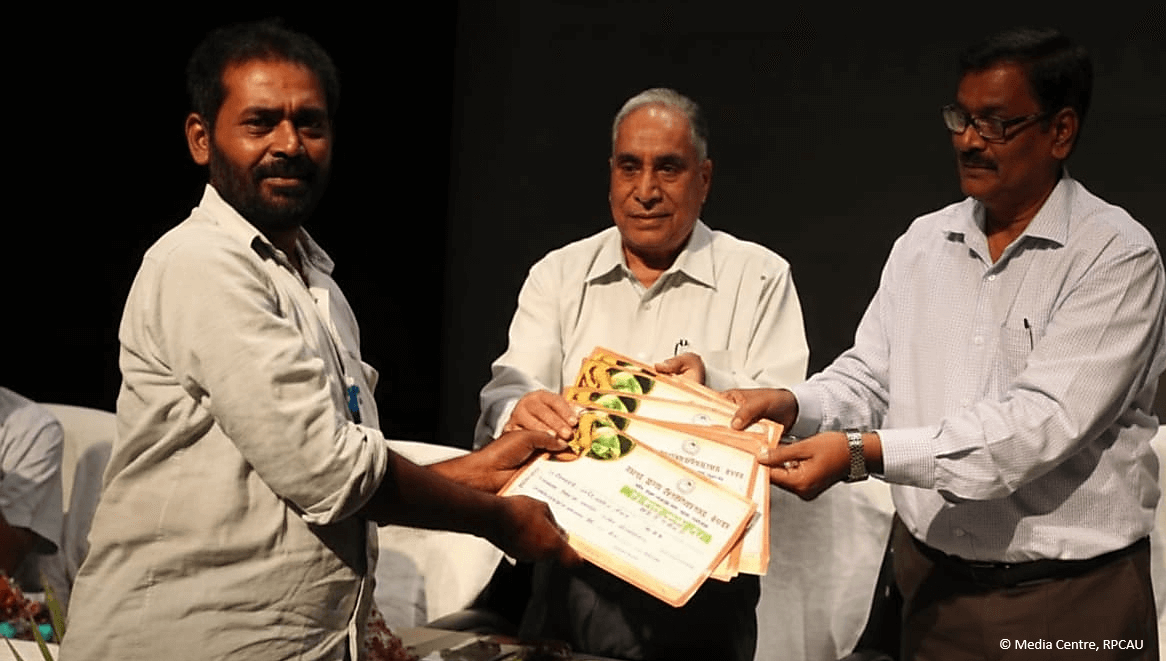
His work has earned recognition from the President and the Prime Minister, as well as membership in national committees. In 2018, Bihar Agricultural University, Sabour, started the “Dr G. Trivedi Best Extension Worker Award” to honour good work in farmer support.
 Dr Aditya Sinha is an Assistant Professor (Agricultural Extension Education) at Bihar Agricultural University, Sabour, Bihar; Email: inc.aditya@gmail.com
 Dr Birendra Kumar is Director, ISAB Centre for Excellence, Greater Noida, and Former Scholar-in-Residence at Dr. Rajendra Prasad Central Agricultural University, Pusa, Bihar; Email: birenk1953@gmail.com


Add Comment