
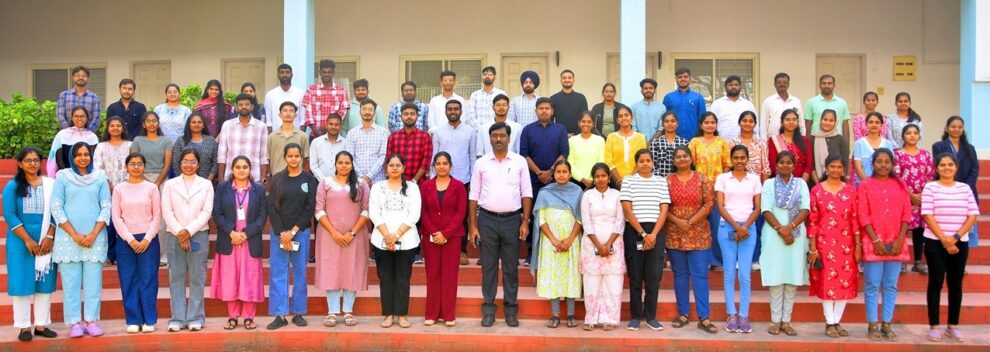
In this meeting note, Aseemudheen reflects his learning from the NYPDP of MANAGE, Hyderabad.
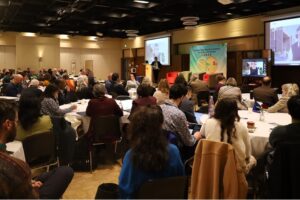
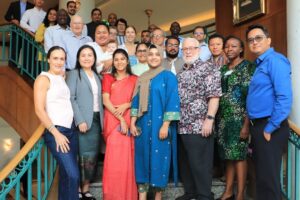
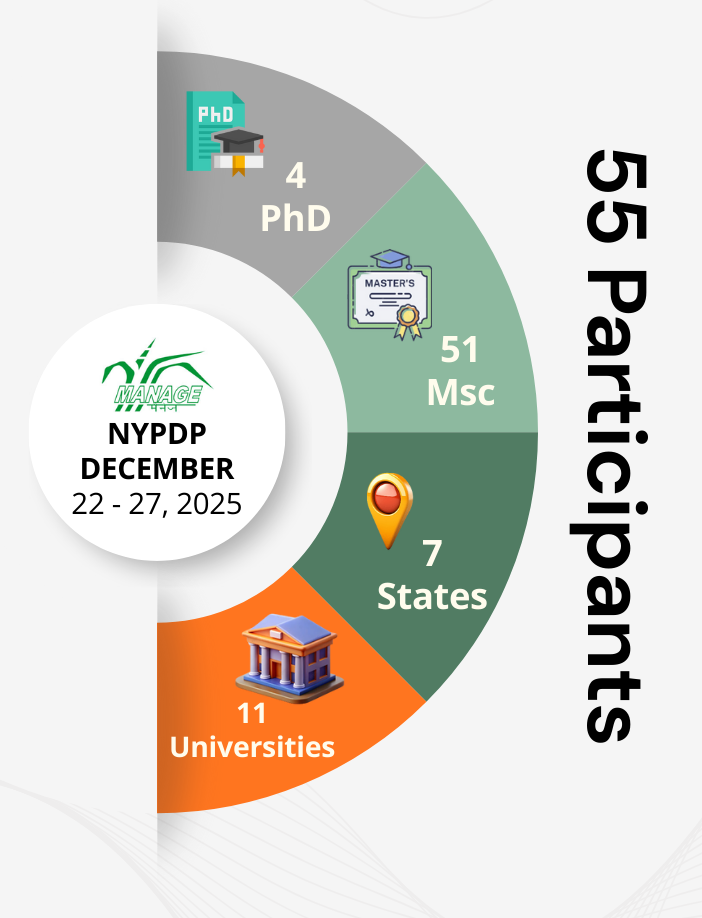 The National Young Professionals Development Programme (NYPDP) was held at the National Institute of Agricultural Extension Management (MANAGE) in Hyderabad from December 22 to 27, 2025. There were 55 participants in total, including 4 PhD scholars and 51 MSc students from 7 states and 11 universities. Being part of such a mixed group itself was a learning experience for me. Everyone brought different backgrounds, expectations, and experiences, enriching the discussions.
I joined this programme at a time when I was looking for clarity about my direction in Agricultural Extension, not just about skills. NYPDP did not feel like a regular training. It felt more like a space where I could pause, think, and gradually come to a better understanding of my discipline and myself.
Re-seeing Agricultural Extension and the Professional Self
Before this programme, I mostly saw Agricultural Extension in a limited way – as communication work, advisory services or technology transfer. As the days went on, that picture started to change.
I began to realise that Extension is much bigger than a single job or role. It connects research, farmers, institutions, development programmes and policy. There are many paths within Extension, not just one straight road. Understanding this itself reduced a lot of the confusion I had about careers.
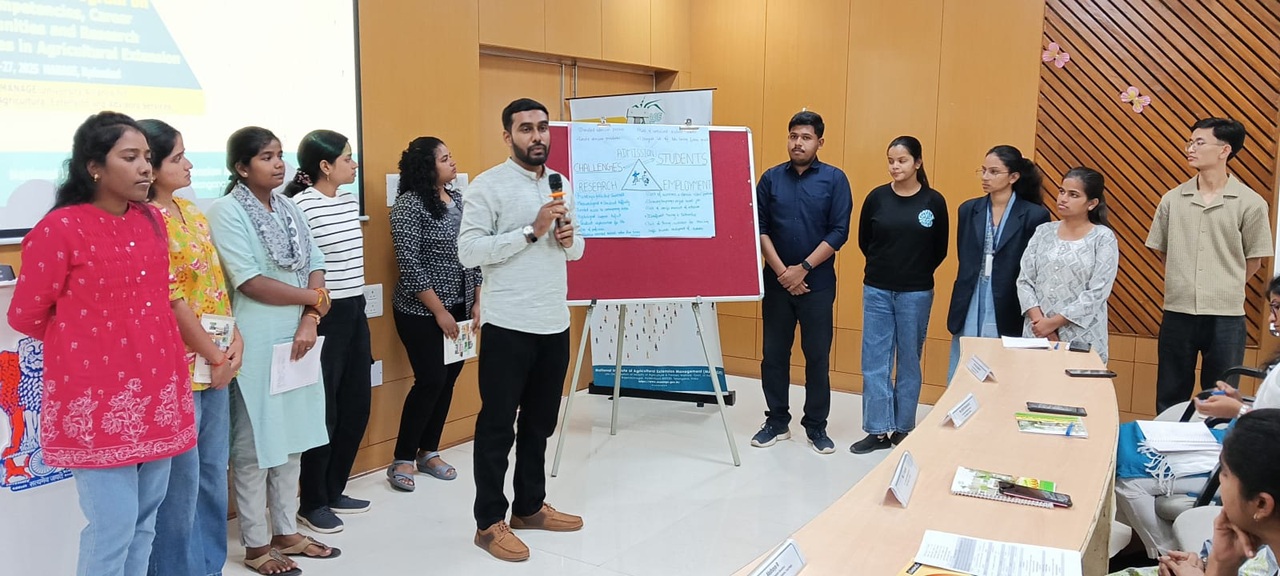
Another important thing I learnt was that clarity in Extension starts from inside. The programme repeatedly made me reflect on my strengths, weaknesses, and interests. I understood that many problems we face in our profession are not only due to systems but also to the way we see the discipline. Even observing how MANAGE functions, the planning, teamwork and professionalism taught me what Extension values look like in real life.
What stayed with me: Extension is not just a job option. It is a broad field, and I need first to understand myself before I can find my place in it.
Learning to Unlearn: Research Orientation and Digital Preparedness
 One strong message throughout the programme was the importance of unlearning. I gradually realised how many ideas I had taken for granted – about what success means, what good research looks like, and what kinds of roles Extension people should take.
The programme helped me accept that Extension roles keep changing. What worked earlier may not be enough today. My thinking about research also changed. I realised that while linking research to big priorities is helpful, honest and careful research always has value. Good research starts with genuine interest and responsibility, not only with trends.
We were also introduced to many learning platforms and courses. This made me realise that today, no one can rely solely on their degree. Continuous learning and digital skills are now part of being professionally ready. Talking to peers and alums helped me a lot here. Their stories made my own doubts feel normal and manageable.
What stayed with me: To grow in Extension, I must be ready to unlearn, update myself and keep learning.
From Methods to Meaning: Evidence and Evaluation in Extension
Another area that really changed my thinking was Monitoring and Evaluation (M&E). Through the sessions, it was very clear that M&E is a continuous learning process that helps us understand what is actually changing on the ground and how our work can be improved.
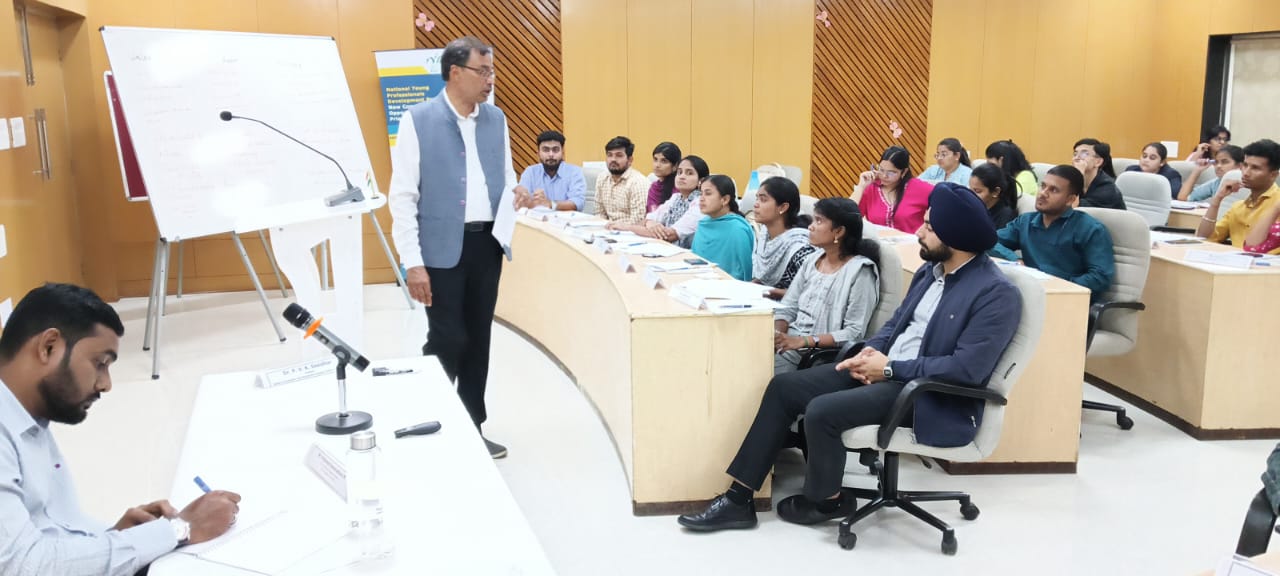
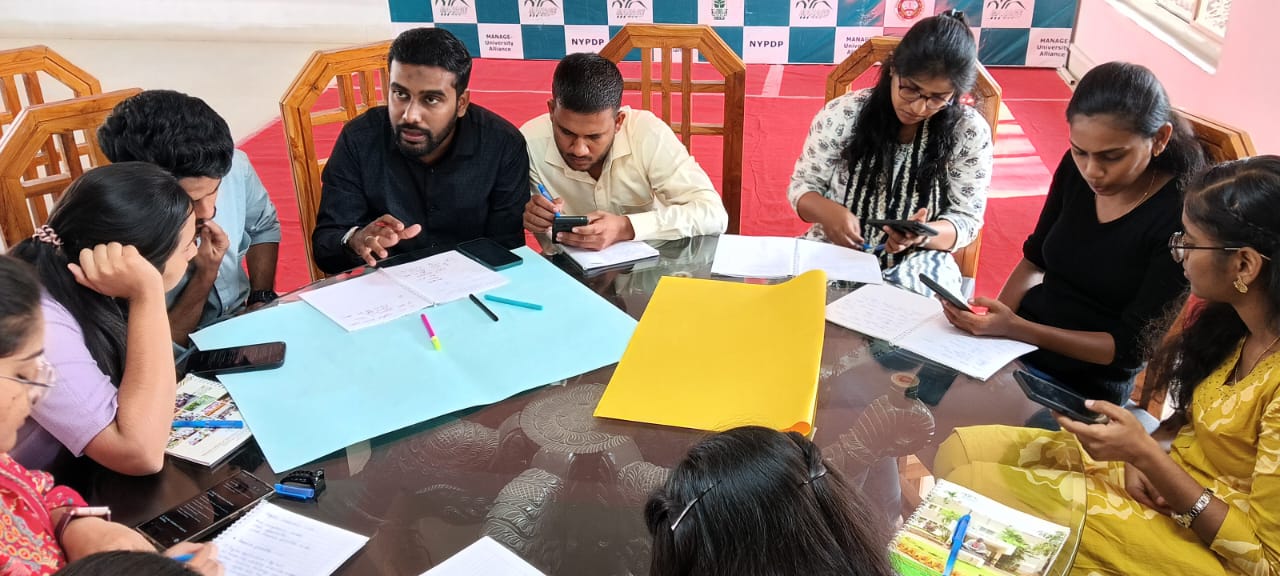
The hands-on sessions on Focus Group Discussions (FGD) were very meaningful for me. Serving as an assistant moderator during the hands-on FGD training made me realise how critical listening is in Extension. It helped me understand the value of qualitative data—sometimes people’s experiences explain realities that numbers alone cannot.
Sessions on entrepreneurship, gender, and organic farming further showed how sincere field-level efforts can create a broader impact. Overall, this part of the programme reminded me that real success in Extension comes from evidence-based work, consistency, sincerity, and long-term commitment.
What stayed with me: Extension work becomes meaningful only when it is rooted in learning, honest reflection and sustained effort.
I felt that the sessions on NGOs, enterprises, and practical tools were critical. They showed me what Extension looks like outside the classrooms.
I started seeing NGOs as places where Extension professionals actually live the realities of farmers and communities. They deal with real problems, real limitations and real change. Exposure to innovative, sustainability-based practices also broadened my thinking. It showed me that Extension can support both livelihoods and environmental care. These experiences made one thing very clear to me: reading and listening are important, but seeing and engaging make learning real.
What stayed with me: To become a good extension professional, we need a strong connection with field realities.
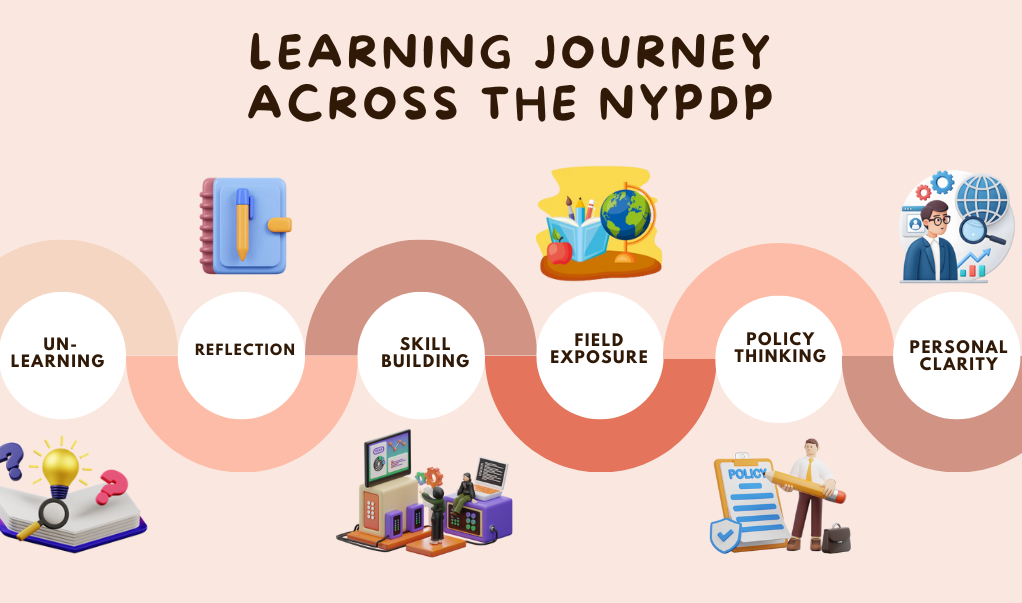
Thinking Beyond Field Work
As the programme progressed, discussions gradually shifted from fieldwork to institutions and policy. Research and field experiences gain greater meaning when they help shape programmes and decisions. We also learned about different Extension networks and platforms. This made me understand that today, Extension professionals are part of a much larger community. Our learning and work are not limited to one place. This gave me both motivation and a sense of responsibility.
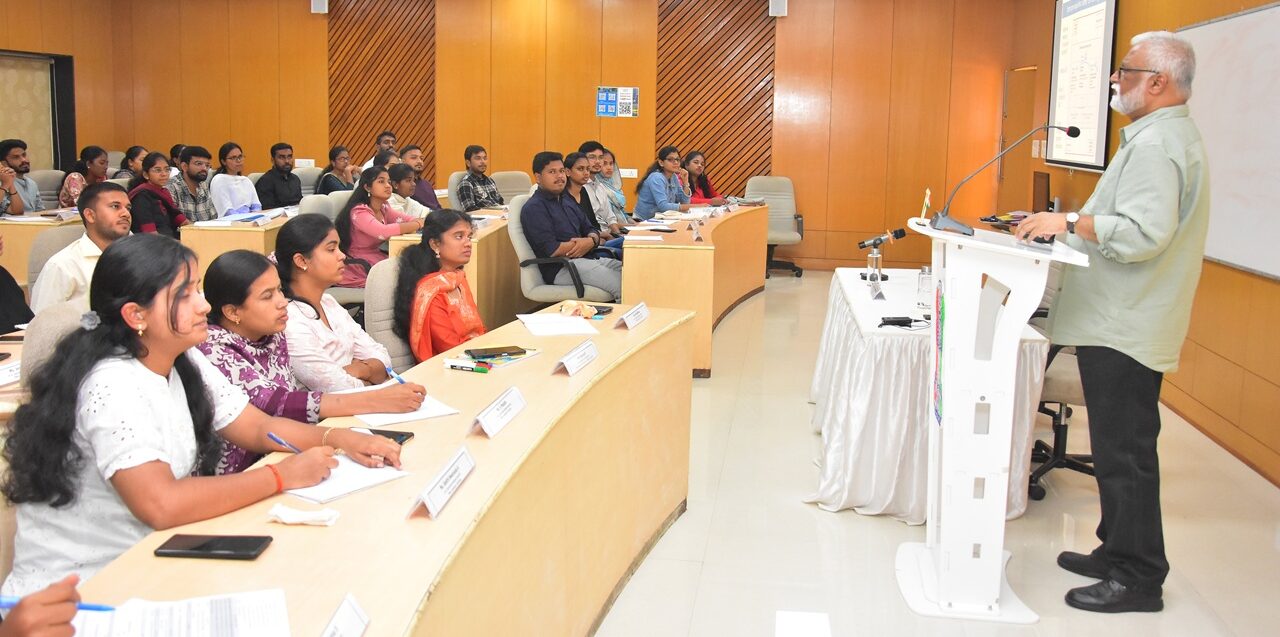
What stayed with me: Extension today connects villages, institutions, and broader knowledge spaces.
Learning from People, Not Only from Sessions
Some of the best learning moments came from conversations. Talking with participants from different states and universities helped me see how varied Extension situations are, yet how similar our questions are—sharing thoughts, listening to others, and reflecting together created confidence. It made me feel that I am not alone in this journey. These interactions made the programme more meaningful than any single session.
What stayed with me: Extension grows through people and relationships, not only through content.
A Personal Change
I felt an apparent inner change. I stopped seeing Extension only as a profession and began to see it as a responsibility. I realised that Agricultural Extension, as a discipline, is already strong and broad. The question is not whether Extension has scope. The real question is whether I am growing enough to match its scope.
The most crucial thought I am taking with me is that empowerment begins from within. If I want to contribute meaningfully, I must build my own clarity, confidence and commitment. I also clearly understood that careers are not built by chasing titles but by developing the right skills.
How I Will Carry This Forward
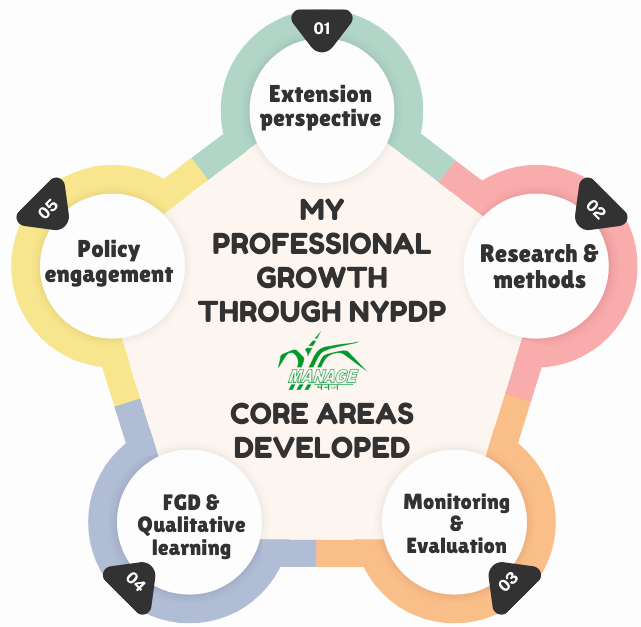
After NYPDP, I want to become more serious and conscious about my professional preparation. I plan to further develop my skills, especially in research methods, monitoring and evaluation, and digital engagement. I want to shape my research around real needs, without losing the core values of Agricultural Extension.
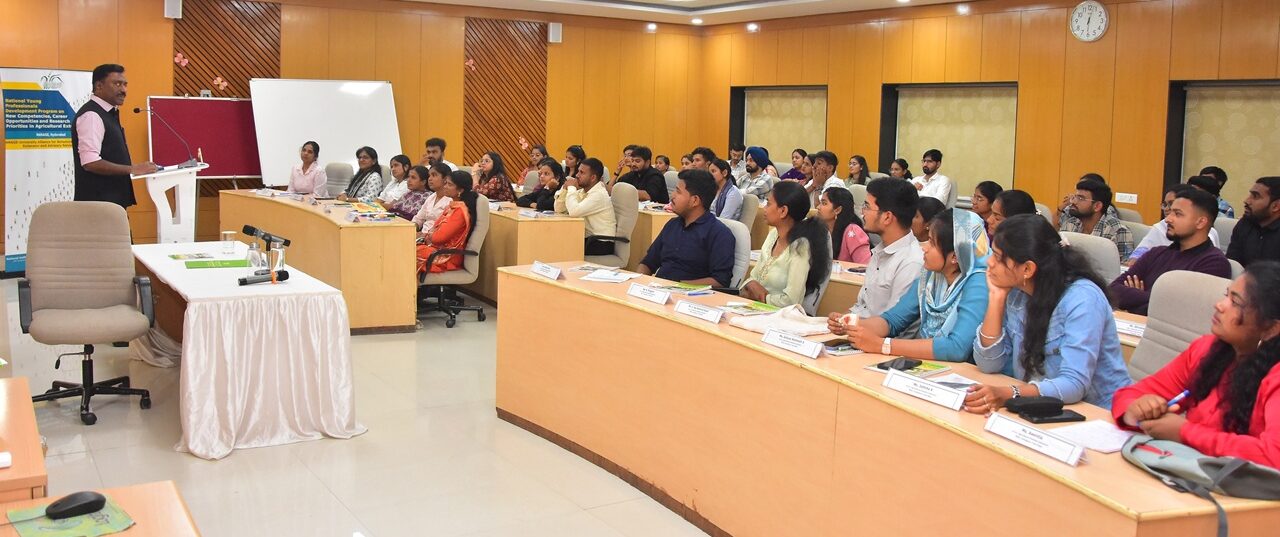
I also want to speak more openly about Extension with my friends, juniors, and classmates. Many students feel unsure about this field. If my learning can help even a few people gain clarity and confidence, I think that, in itself, is meaningful Extension work.
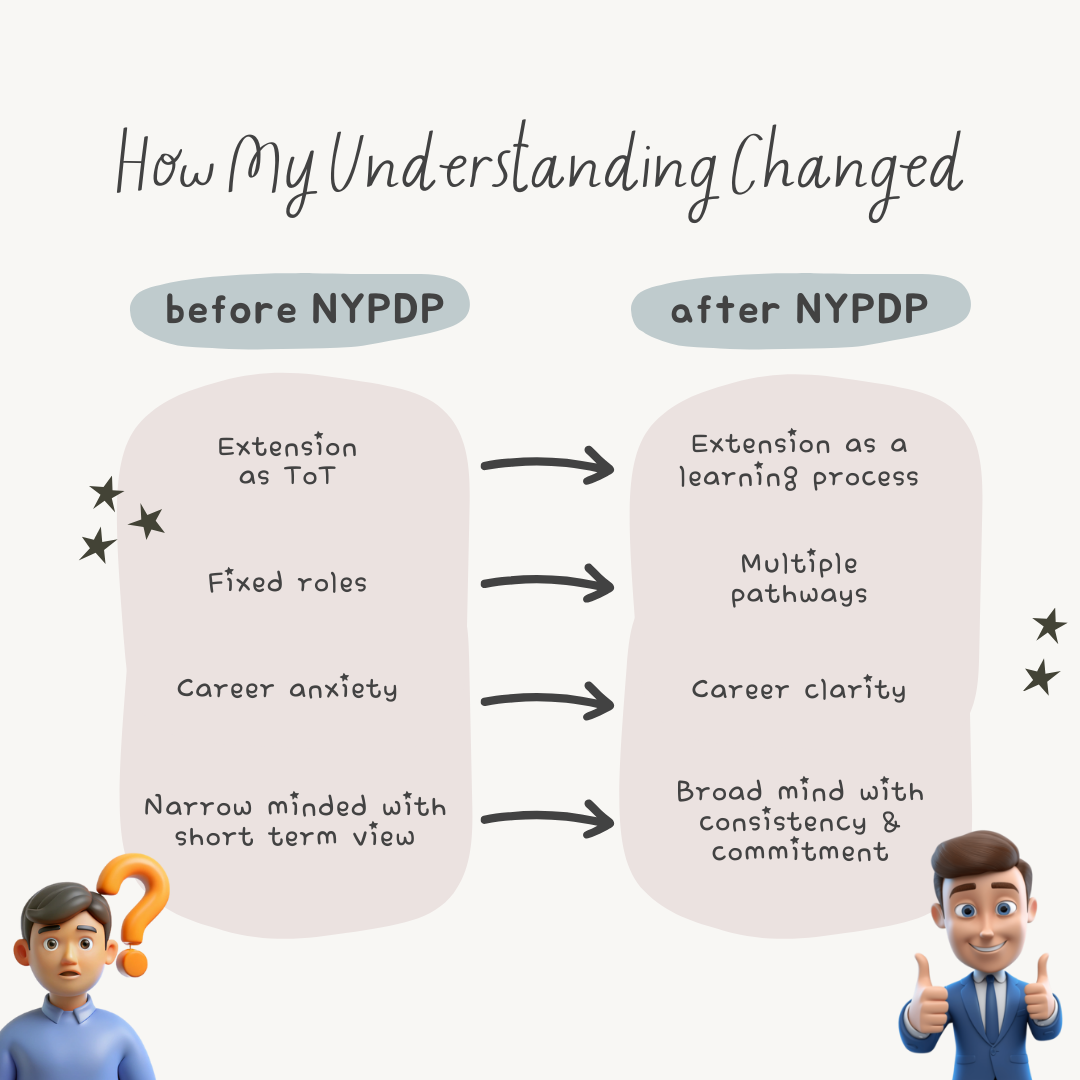 One strong personal mantra I am taking from this programme is: Search more. Read more. Seek more. Grab opportunities. Before running behind job titles, I want first to understand job descriptions, real roles, and required competencies. With commitment and consistency, I want to build myself so I am truly ready for the opportunities Extension offers.
Final Thoughts
NYPDP helped me understand where I stand and where I need to grow. It gave me confidence, but also responsibility. More than knowledge, it gave me readiness – to think better, to work sincerely and to walk my path in Agricultural Extension with greater purpose.
Acknowledgement
I am truly grateful for the opportunity provided by MANAGE, Hyderabad, and sincerely thank Dr Saravanraj (Director – Agricultural Extension) and the entire MANAGE team for organising this meaningful programme. I am also very grateful to Dr C. Karthikeyan (Professor & Head, Department of Agricultural Extension & Rural Sociology, TNAU, Coimbatore) and Dr M. Ramasubramanian (Programme Coordinator, ICAR–Krishi Vigyan Kendra (KVK), Virudhunagar) for motivating and encouraging me to participate in this training programme.
 Mohamed Aseemudheen M is currently pursuing Ph.D. in Agricultural Extension Education at Tamil Nadu Agricultural University, Coimbatore. He can be reached at aseem1264@gmail.com.
Add Comment