


The 2025 theme for World Soil Day on December 5th is “Healthy Soils for Healthy Cities.” It emphasises the importance of urban soils and the increasing problems caused by soil sealing. In this blog, Shinogi and Sudeshna examine why tackling these issues is crucial and explore ways extension and advisory services can play a role in improving urban soil health.
CONTEXT
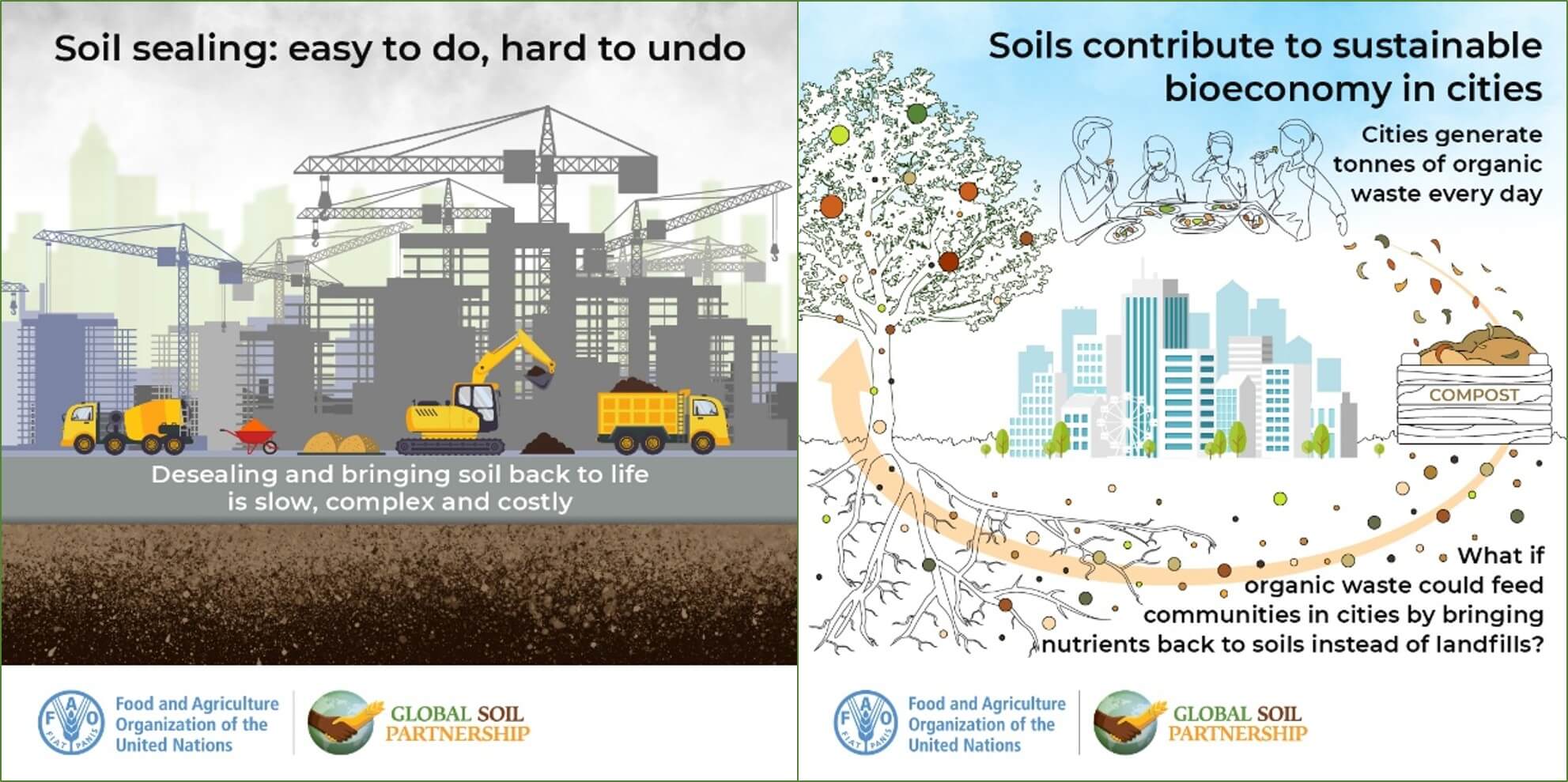
The close connection between soil health and agriculture is well recognised. Therefore, soil is primarily viewed as a requirement for plant growth. Apart from its role as a foundation of agriculture, soil plays many other vital roles, supporting our lives from promoting biodiversity to providing a wide range of essential ecosystem services. However, with rapid urbanisation and industrial development, large areas of productive soil are sealed beneath buildings, roads, parks, pavements, and other structures. While these developments are necessary to improve our living standards, they also increase the pressure on remaining soils to meet the needs of the growing population, eventually leading to their degradation. In fact, compacted soils have very low capacity for gas exchange, carbon storage, nutrient cycling and other ecosystem services. Still, they continue to influence climate, biodiversity, hydrology, and overall environmental health.
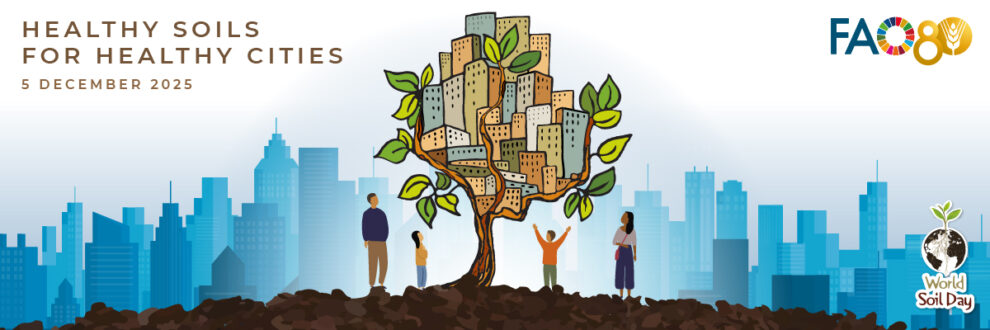
 The 2025 theme of World Soil Day, “Healthy Soils for Healthy Cities,” focuses on urban soils and the challenges of soil sealing. It highlights the role of sustainable soil management in supporting resilient cities, biodiversity, and food security.
In the urban context, soil health is affected not only by soil sealing but also by contamination from city waste, hospital waste, industrial effluents, and poorly managed sewage water (Box 1). All these issues- many of which we assume “have nothing to do with my life” have far greater implications than we can imagine.
| Box 1: Consequences of ignoring the quality of soil health in urban areas The unhealthy condition of soils in urban areas is closely linked to their land-use history. For example, many common leisure areas and parks in cities are built on old landfill sites. Studies have shown that soils of these areas often contain persistent organic pollutants that can harm environmental and human health. The situation worsens when rainwater carries landfill leachate containing these pollutants into the underlying soil and water resources. Furthermore, the contaminated soil from indiscriminate dumping of industrial waste has led to a contaminated food chain with toxic heavy metals, which are causing havoc on our health. These challenges have made “urban soil health” increasingly important in recent years. Increasing flash-flood events in cities during the rainy season, due to the loss of natural infiltration surfaces and rising temperatures driven by urban heat-island effects, are just a few examples. |
IMPORTANCE OF SOIL HEALTH IN URBAN AREAS
Healthy urban soils are directly linked to several Sustainable Development Goals (SDGs), including SDG 2 (Zero Hunger), SDG 3 (Good Health and Well-being), SDG 11 (Sustainable Cities and Communities), SDG 13 (Climate Action), and SDG 15 (Life on Land). This shows that soil health plays a crucial role in supporting multiple dimensions of human well-being in urban environments.
Healthy urban soils contribute to:
- Development of urban green infrastructure by supporting the growth of trees and urban forests, which function as the “lungs of the city.”
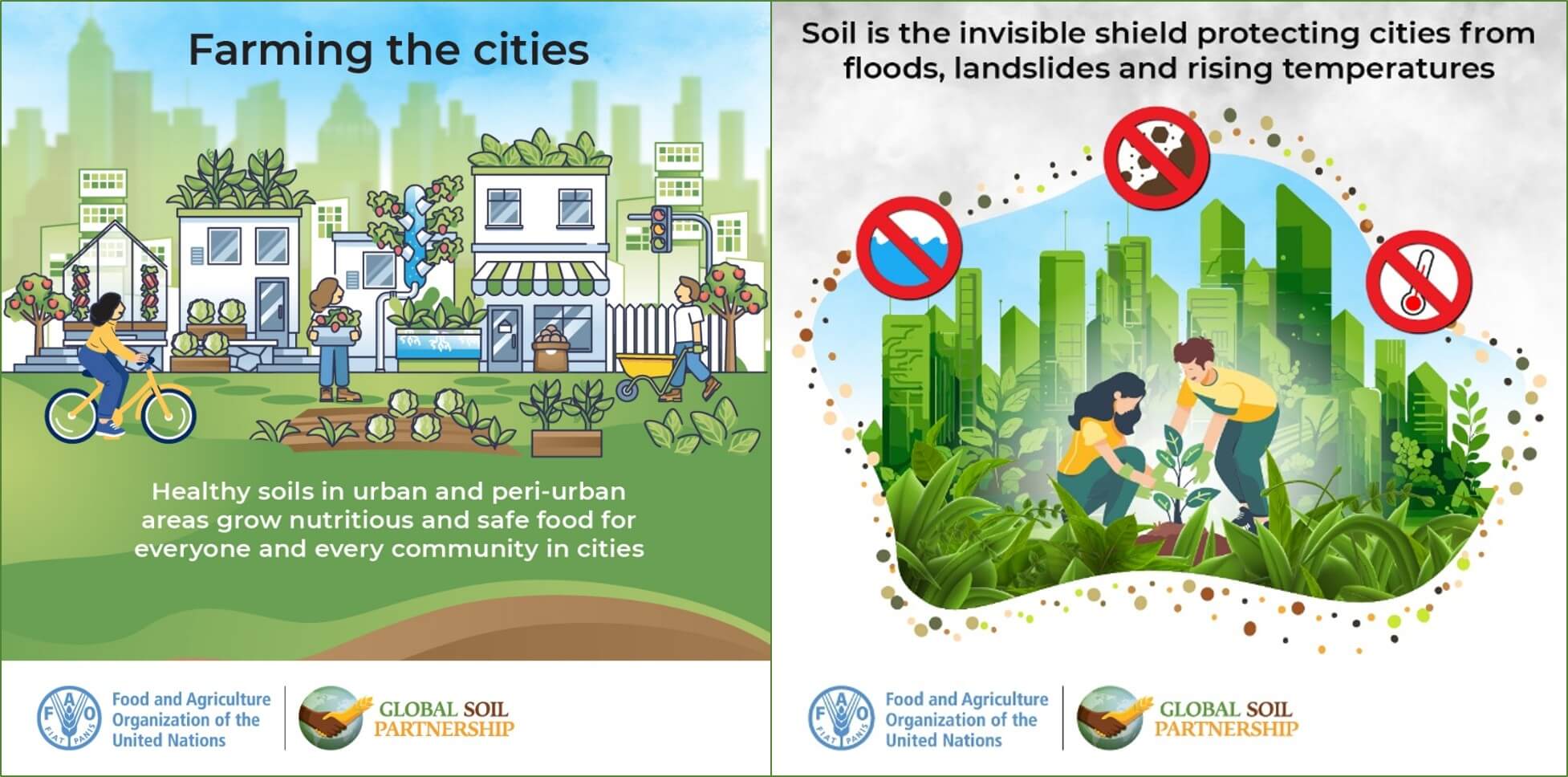
- Heavy precipitation regulation and flood mitigation through reduced runoff and enhanced water infiltration
- Climate resilience and urban heat-island reduction by enabling healthier green spaces within the cities that can moderate local temperatures and reduce greenhouse gas emissions.
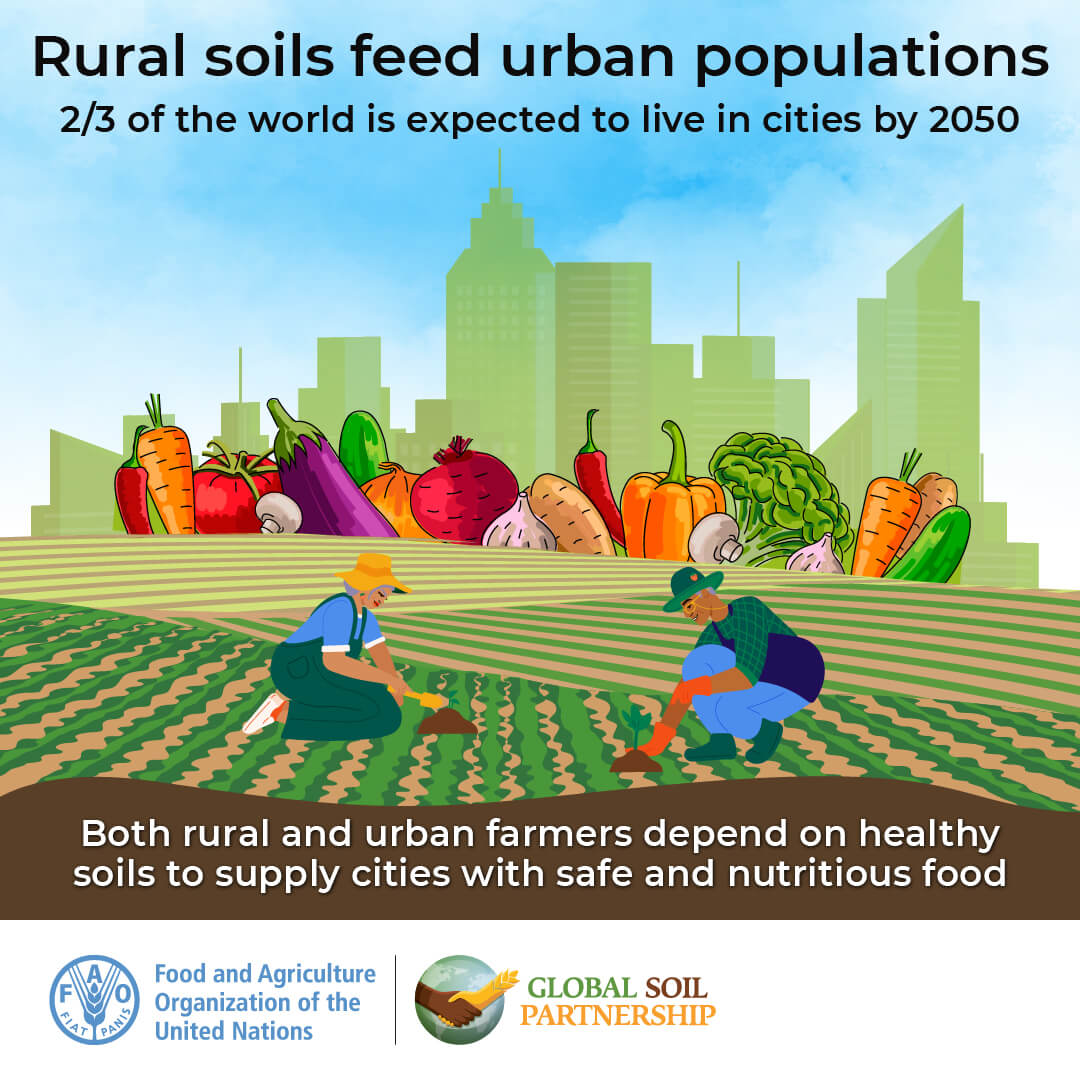
- Strengthening the urban food system by supporting the establishment of community gardens, edible landscapes, and urban food forests
- Public health and pollution buffering by creating a cleaner urban environment through contaminant filtering, dust reduction, and overall improvement in environmental quality.
STRATEGIES FOR CONSERVING & RESTORING HEALTH OF URBAN SOILS
Although urban soils are often unsuitable for agriculture due to pollution and contamination concerns, they can still be used for farming with appropriate care—especially as soil availability declines with urban expansion. The health of urban soils can be enhanced by expanding green spaces and minimising human activities that contribute to soil degradation. The following practical and feasible approaches can play a vital role in building crisis-resilient urban communities.
1. Nature-based Solutions (NbS)
Nature-based solutions are the most effective approaches for conserving and restoring soil health in urban areas. Increasing the area of permeable surfaces is particularly important for enhancing infiltration and reducing runoff. Groundwater recharge becomes limited in cities where natural wetlands and water bodies are destroyed or modified during development. Expanding permeable surfaces helps restore natural hydrological processes, improve water availability, and strengthen flood protection.
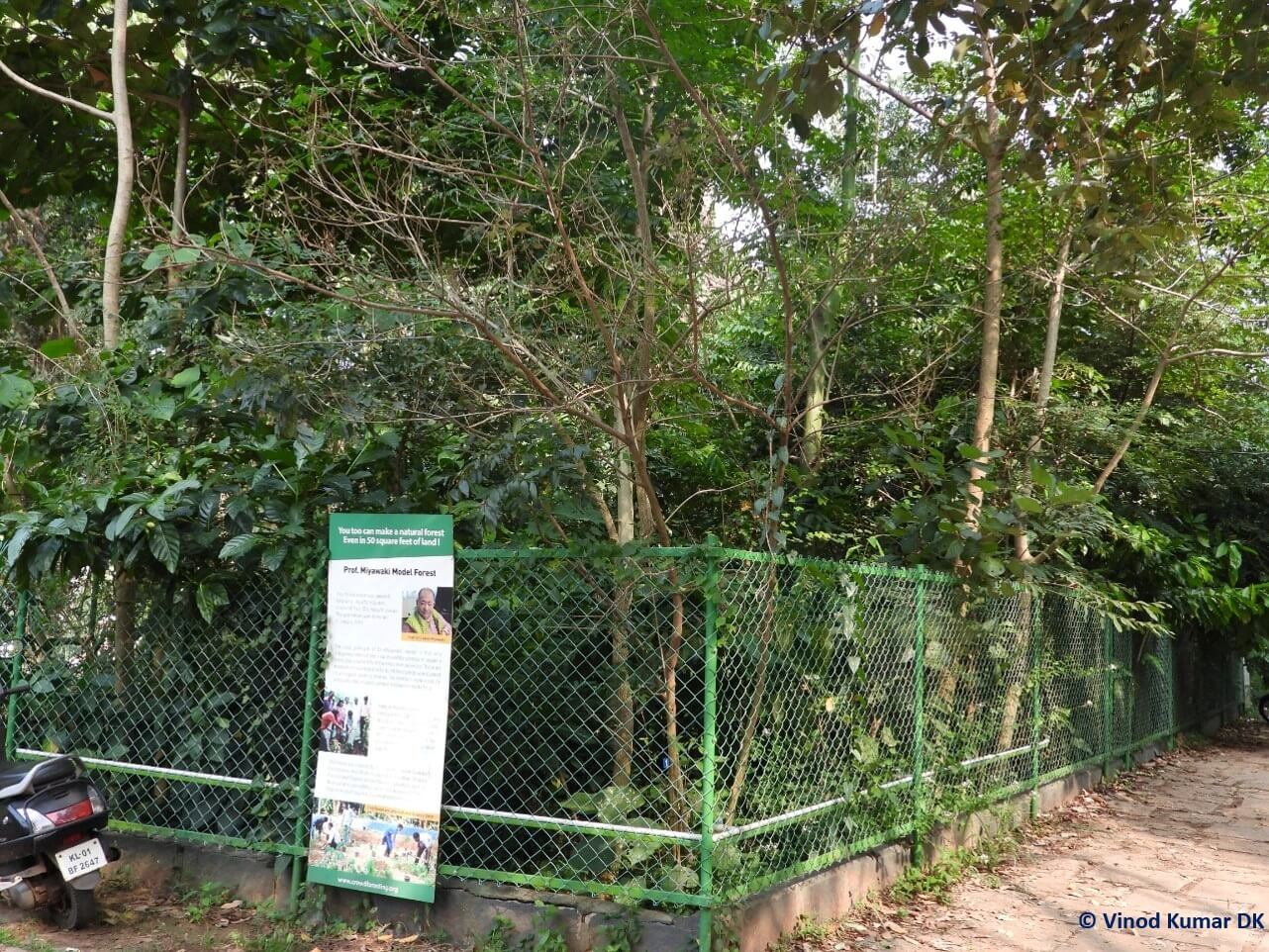
This can be achieved by creating small urban forests and community parks, and by using natural-grass pavements instead of concrete. These interventions not only reduce urban temperatures but also enhance soil health and support biodiversity. This is one of the best options for urban institutions and commercial areas to contribute to the urban soil health initiatives.
Recycling biodegradable waste through household or community composting is another key NbS. This not only reduces waste build-up in landfills but also helps improve the overall health of remaining unsealed soils by enriching them with soil organic matter, enhancing carbon sequestration, and promoting greater soil biodiversity, which ultimately regulates soil ecosystem functions.
In industrial areas, the application of phytoremediation techniques, such as growing water hyacinth in polluted urban water bodies, wastewater channels, and constructed wetlands to absorb and reduce heavy metal concentrations, and bioremediation techniques, such as the application of microalgae at the in-situ level, can eventually reduce heavy metal loads on urban soil.
2. Small-Scale Urban Farming Units
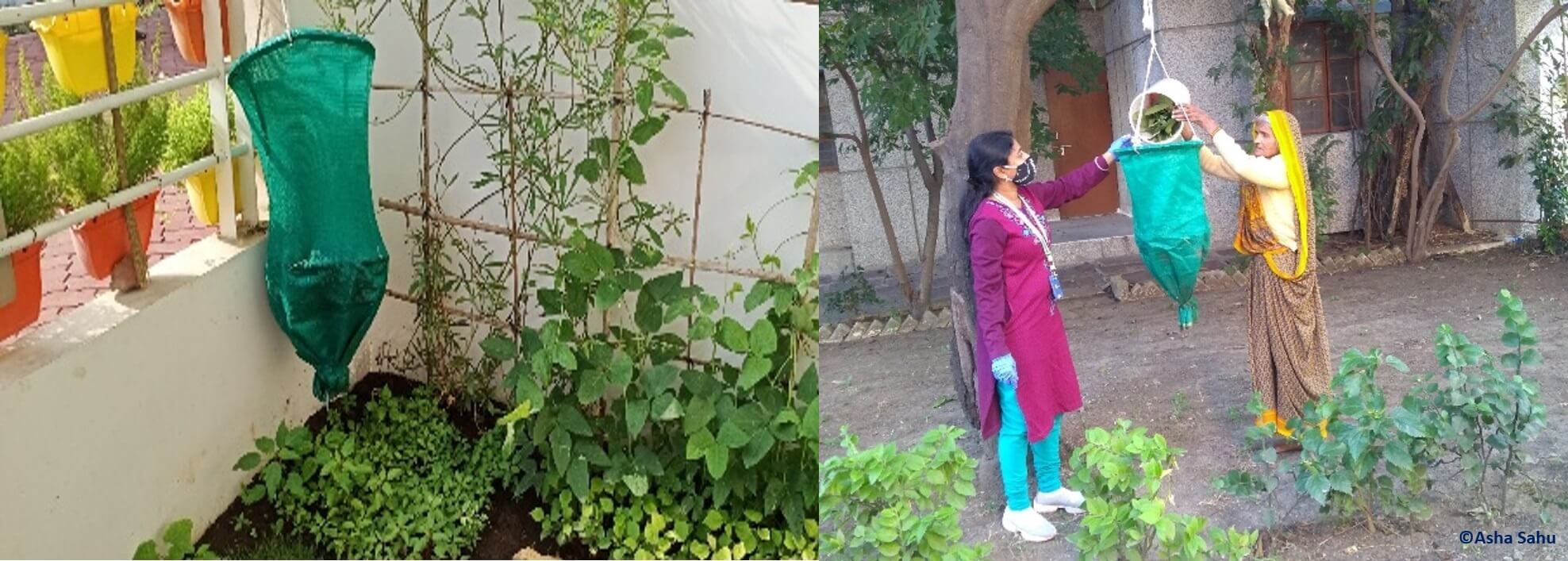
City homes often have small backyards, and people often cover them with tiles and concrete to reduce maintenance. However, such covered surfaces reflect heat, increasing the temperature inside the home. Growing vegetables and leafy greens in these small spaces, using compost made from household waste, not only adds homegrown produce to the family diet but also protects the soil. Rooftops offer additional space for urban farming, ranging from simple container gardening to more small-scale greenhouses for high-tech agriculture. Engaging in farming during free time has proved beneficial for mental well-being, as it offers a chance to stay calm in nature within the urban environment.
3. Community-led Actions
Active community involvement is essential for ensuring the long-term sustainability of soil health initiatives in cities. Community participation helps maintain momentum, especially when some individuals lose interest; others can encourage and motivate them, keeping activities effective over time. This is particularly important in practices such as community composting and the maintenance of urban forests or shared green spaces, which require continuous care. Collective action by a group of motivated community members also supports awareness programmes, the formation of volunteer groups, and regular monitoring of on-ground activities. Such collaborative efforts strengthen urban environmental stewardship and help create cleaner, greener, and healthier neighbourhoods.
4. Policy and Planning Approaches
Sustainable management of urban soil health needs proper planning, strong governance, and efficient regulatory frameworks. Integrating soil health considerations into urban planning is necessary for building and maintaining healthy soils in cities. This approach ensures the protection of existing healthy soils and the restoration of degraded soils through proper remediation measures. Policies that encourage the reuse and recycling of waste are the key tools for promoting a circular bio-economy. Additionally, incentivising the development of green infrastructure helps expand green spaces, thereby enhancing soil functions and ecosystem services.
IMPLICATIONS FOR EXTENSION
 In urban settings, where soil health influences environmental sustainability more than agricultural productivity, Extension and Advisory Services (EAS) has a vital role in informing and motivating the urban population about the importance of healthy urban soils for human wellbeing. Since traditional extension systems and approaches are designed primarily to serve rural farmers, there is a need to restructure organisational structures and extension methodologies to address soil health challenges and opportunities in the urban context.
Establishing special EAS units for urban soil health management is essential to initiate educational programmes for urban dwellers and officials involved in town planning and waste management. There is a need for educational media to illustrate how anthropogenic activities contribute to environmental and climate crises that ultimately affect human health.
Soil health extension personnel in urban settings should receive adequate training, especially in diagnosing soil and water pollution, assessing soil health and compost quality, expanding green cover, and treating polluted soil and water when used in urban and peri-urban agriculture. These approaches will help urban communities better understand, appreciate, and actively participate in conserving and restoring urban soil health.
Along with developing volunteer-based stewardship networks similar to those in countries like the USA, using digital platforms to share information and advisories on urban soil health can greatly enhance outreach. Motivating stories from local neighbourhoods and QR-linked flyers providing site-specific soil health information can further enable rapid, widespread knowledge of soil health to the urban audience.
Efficient urban soil stewardship also requires cross-sector collaboration among government agencies, non-governmental organisations, waste management bodies, pollution control authorities, urban planners, and volunteer groups. Urban extension units should act as the connecting link between these agencies to ensure coordinated efforts towards sustainable urban soil health management.
END NOTE
Urban soils are the unsung heroes of city life; they maintain urban biodiversity, control temperature, filter water, and foster vegetation. However, their health is rapidly deteriorating due to urbanisation, pollution, and soil sealing. Restoring the health of these soils is crucial for sustaining both human health and the ecosystem’s equilibrium. Expanding green areas, composting organic waste, and utilising natural solutions are simple and effective ways for restoring soil vitality. EAS can play a critical role in this by promoting active involvement of local communities and by incorporating soil health into urban design and policy. Cooler neighbourhoods, healthier lifestyles, and cleaner air are all produced when we preserve and improve the soil underlying our cities. Let’s give back to the land that supports us, because healthy soils lead to healthy cities.
 Dr. Shinogi K. C. is a Senior Scientist specialising in Agricultural Extension at ICAR–Indian Institute of Soil Science in Bhopal, India. Her expertise lies in farmers’ participatory research, including soil health assessment, technology transfer, and farmer-led problem identification. She emphasises practical, sustainable solutions to improve soil health and crop yields. She can be reached at shinojikallely@gmail.com
 Dr. Sudeshna Bhattacharjya is a Senior Scientist at the ICAR–Indian Institute of Soil Science in Bhopal, India. She specialises in soil biogeochemical cycling and microbial processes that facilitate carbon sequestration. Her research covers long-term fertiliser trials, various land-use systems, biochar–soil interactions, and thermophilic lignocellulolytic microbes for sustainable residue management. She can be contacted at sudeshna.bb@outlook.com.

Add Comment