


Drawing on field insights, Hridya Sasikumar, Sreedhar Vijayakrishnan, and B. S. Meena explore how extension-led conservation education fosters informed farmer–wildlife coexistence.
CONTEXT
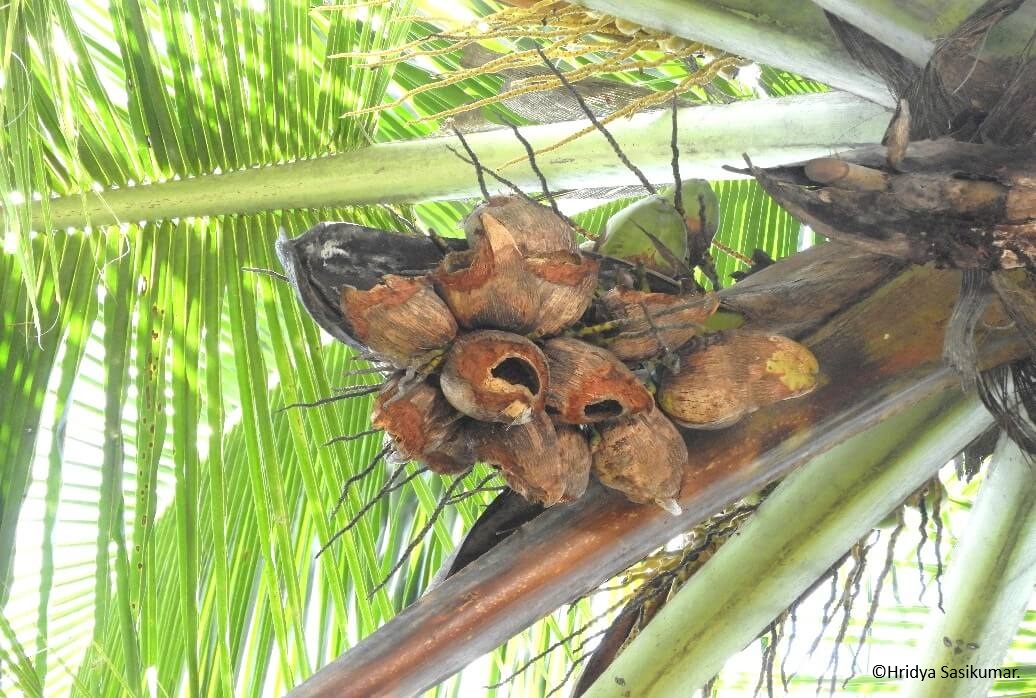
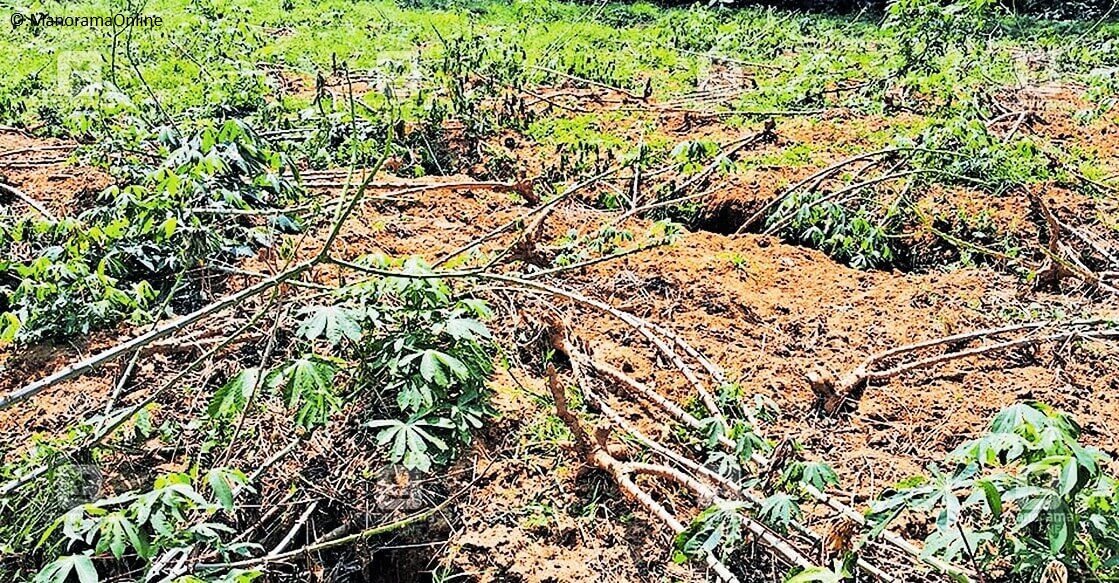
Kuriakose, a 54-year-old farmer from Nenmeni in Wayanad, Kerala, cultivates coffee, coconut, and rubber on his 3.5-acre land while rearing four cattle. Yet much of his produce rarely reaches harvest. Spotted deer (Axis axis) consume fodder, while Malabar giant squirrels (Ratufa indica) and bonnet macaques (Macaca radiata) take coconuts before maturity. “I don’t even get to see them mature,” he explains in despair. When coffee ripens, macaques pluck the berries, leaving damaged branches and scattered fruit. Repeated raids by wild boar (Sus scrofa) have forced him to abandon banana and cassava. “There is no point! They will dig it up before harvest.” Even young coconut saplings are destroyed, with boars burrowing from below before they can establish. He also lives with the constant fear of losing cattle to predators such as tigers or leopards.
For farmers like Kuriakose, wildlife damage is not a singular dramatic event but a gradual erosion of effort, income, and hope. Beyond economic loss, it produces chronic fear. When such experiences persist, and institutional responses remain slow or inadequate, fear often hardens into frustration, resentment, and hostility, directed not only at wildlife but also at the institutions involved in managing it.
HUMAN–WILDLIFE CONFLICT: A GOVERNANCE CHALLENGE
Human–wildlife conflict (HWC) is a global challenge, particularly acute in tropical and developing countries, where agriculture sustains livelihoods and communities live near forests and protected areas. These interactions are rooted in long-term landscape transformations shaped by changing land use.
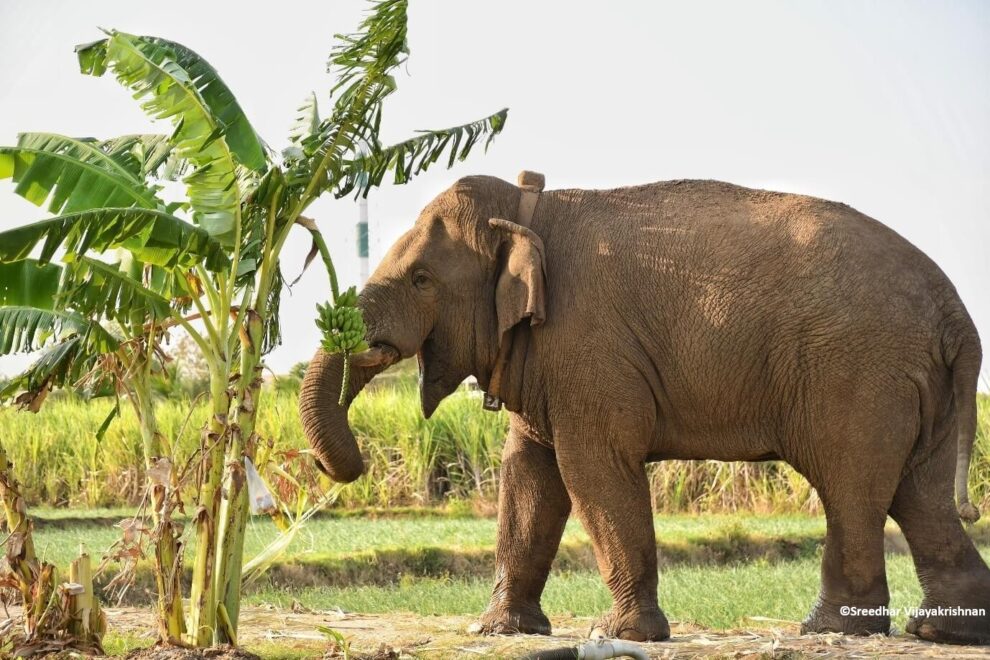
In recent years, however, conflicts have intensified. Habitat loss, forest degradation, and changing climatic conditions have reduced the availability of food and water within forests, increasing overlap between wildlife habitats and human-use landscapes. In Kerala, where plantation agriculture has expanded alongside forested areas over decades, these pressures are particularly visible. As of March 2024, about 4,975 hectares of forest land remain under encroachment, largely in high-range regions. At the same time, some species increasingly use agricultural landscapes, often finding crops more accessible and palatable than wild forage.
Consequently, crop loss and livestock predation have become routine challenges for small and marginal farmers with limited resilience. In the absence of reliable support systems, repeated losses can push farmers towards defensive or retaliatory practices, undermining conservation efforts. At its core, HWC is not only ecological but also institutional, a challenge of governance, trust, and communication. Expecting coexistence without addressing farmers’ emotional and structural vulnerabilities is unrealistic.
FROM FEAR TO FURY: UNDERSTANDING FARMERS’ RESPONSES
Humans and wildlife have shared spaces since early human history, as depicted in the ancient texts and cave paintings. Long before the Neolithic Revolution, humans lived as hunter-gatherers, coexisting with or subsisting upon wild animals. Survival depended on the fight-or-flight response, a physiological reaction triggered by fear when confronted with danger. Despite millennia of interaction, this instinct continues to influence human responses towards wildlife.
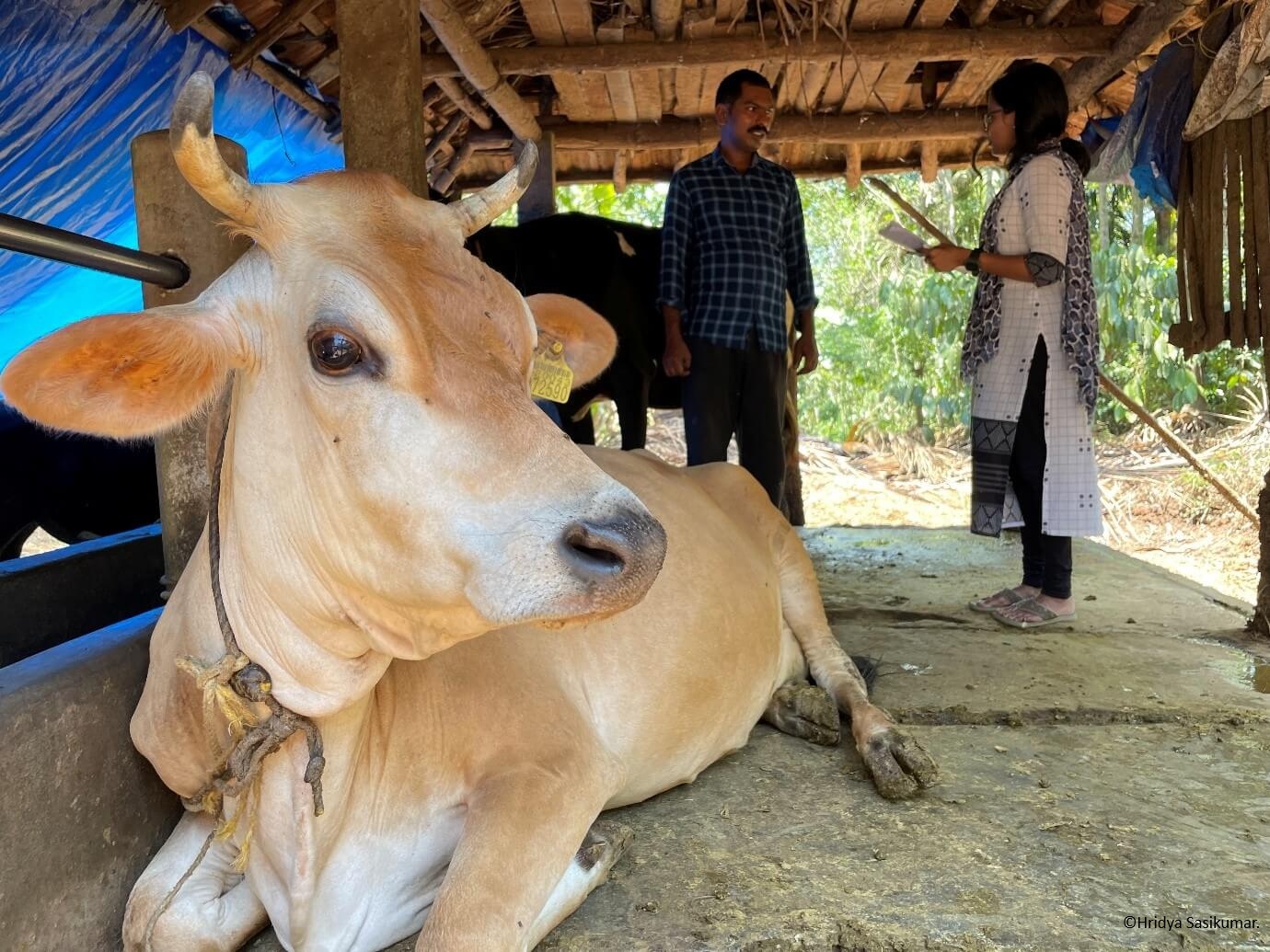
In ecology, “landscape of fear,” a concept popularised by Joel S. Brown and colleagues, explains how prey species alter their movement, feeding, and habitat use in response to predation risk. Fear restructures behaviour. For farmers living along forest fringes, a similar landscape of fear exists. Fields become spaces of uncertainty. Nights demand vigilance. Fear is often the first response, fear of losing crops nurtured for months, livestock that sustain households, sleep interrupted by night guarding, and at times, personal safety.
When damage becomes chronic and unpredictable, fear gradually transforms into frustration resulting from:
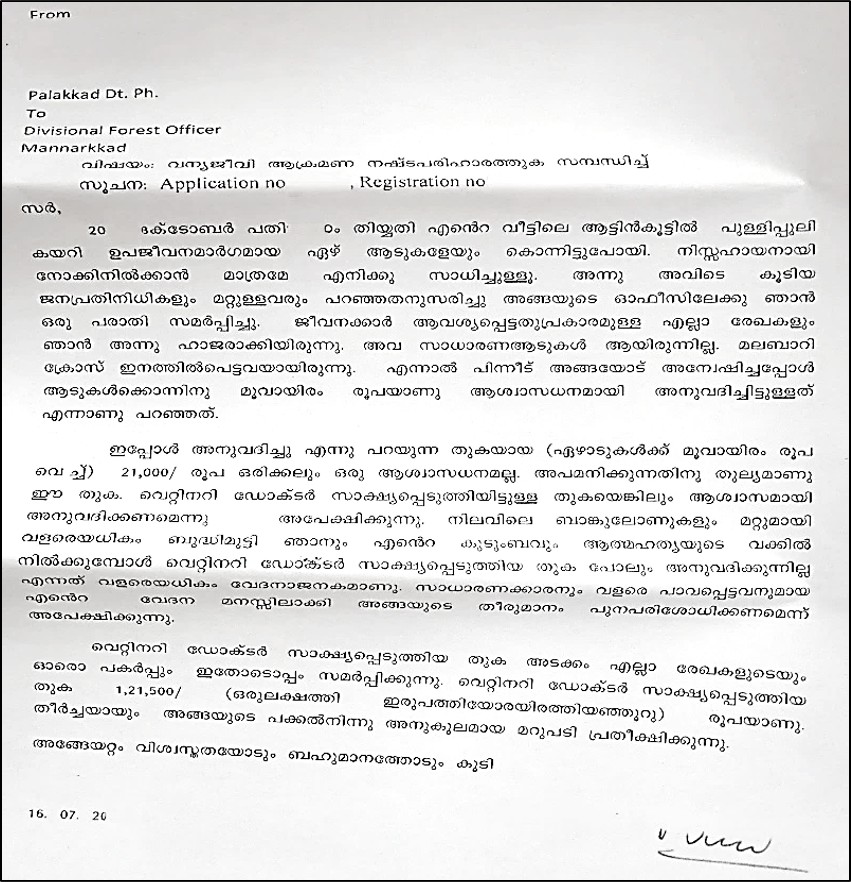
- Inadequate or delayed compensation
- Complex and time-consuming procedures
- Rising financial and labour costs for protection
- Perceived inequalities in conservation costs and benefits
- Feeling unheard or blamed for living near wildlife habitats
- Perceptions that wildlife is valued above livelihoods
- Institutional inefficiency or inaction
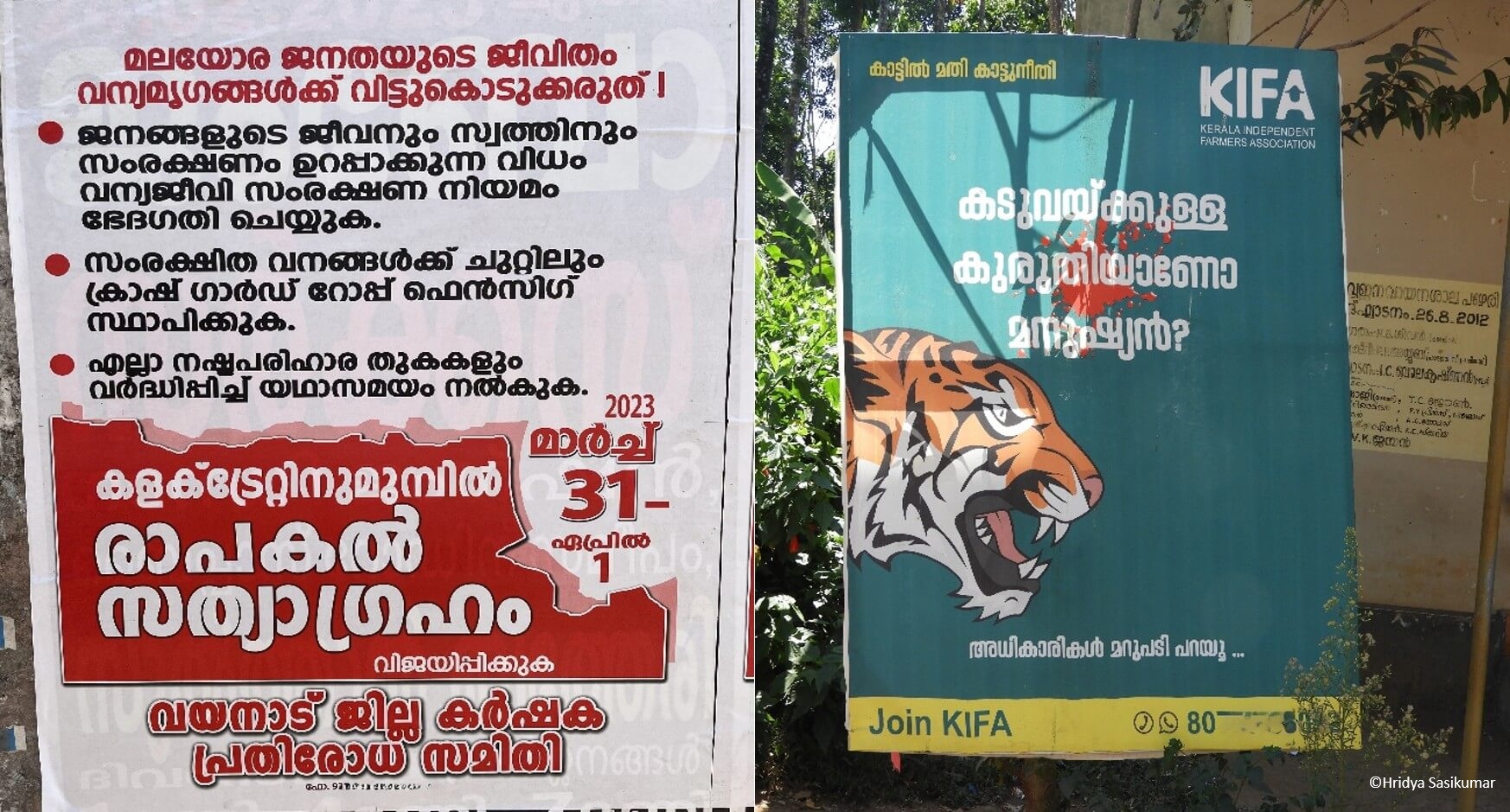
Over time, this emotional strain may manifest as hostility towards wildlife, government officials, conservation organisations, and even researchers, resulting in resistance to conservation initiatives, disengagement from formal reporting systems, and non-cooperation in conflict management. In some cases, it escalates into defensive practices such as poisoning, electrocution, habitat destruction, or illegal resource extraction.
Recognising this emotional trajectory is critical for designing effective interventions. Farmer responses are not impulsive reactions; rather, cumulative outcomes of repeated loss and unaddressed anger and mistrust tend to make conservation actions perceived as coercive rather than collaborative.
WHY CURRENT MANAGEMENT TOOLS ARE NOT ENOUGH
Policy responses typically rely on physical barriers, ex gratia payments, strict regulation, and occasionally the translocation of “problem” animals. While necessary, these measures are insufficient. Fences and trenches require regular maintenance and cooperation, while compensation is often delayed, partial, or procedurally cumbersome. Although wildlife laws are essential for conservation, they can leave farmers feeling less valued than the wildlife involved.
More importantly, such approaches neglect the psychological dimensions of conflict – fear, anger, mistrust, and perceived injustice. Also, policy frameworks often overlook investing in communication, learning, and behavioural change. Without addressing these dimensions, even well-funded technological solutions may fail in the long run.
WHERE CONSERVATION EDUCATION COMES IN
Conservation education is not merely awareness-building about ecological significance or wildlife laws, nor about persuading farmers to become wildlife enthusiasts. Rather, it enables farmers to understand, anticipate, and respond to wildlife interactions in ways that minimise harm and restore a sense of control.
Studies suggest that conservation education can improve knowledge, attitudes, and behavioural responses in HWC contexts by enabling affected communities to:
- Understand wildlife behaviour and conflict hotspots
- Learn how institutions regulate wildlife populations
- Adopt locally applicable preventive measures
- Access compensation and insurance mechanisms confidently
- Engage constructively with authorities
- Recognise cultural dimensions of wildlife conservation
- Understand trade-offs inherent in conservation policy
When uncertainty declines, fear often reduces, even if losses do not completely stop. Better understanding also improves compliance with regulations and reduces the likelihood of retaliation.
What Changes with Education?
Conservation education may not prevent or eliminate wildlife damage, but it can shape how farmers perceive and respond to it. Evidence from research and field experiences shows that better-informed and supported farmers are more likely to:
- Adopt non-lethal deterrents consistently
- Report wildlife movements
- Distinguish between species and risk levels
- Use formal compensation channels
- Participate in collective mitigation efforts
- Communicate effectively with institutions
- Demonstrate tolerance even in high-risk landscapes.
WHY AGRICULTURAL EXTENSION IS IMPORTANT IN CONSERVATION EDUCATION
Agricultural Extension and Advisory Services (EAS) are well placed to support conservation education in conflict-prone regions. As increasingly pluralistic multi-actor systems, they facilitate knowledge exchange among farmers, government agencies, research institutions, and non-governmental organisations (NGOs), enabling the co-creation of locally relevant solutions. This networked positioning, along with their evolution beyond technology transfer, enhances their capacity to address complex challenges such as HWC.
Although HWC is not a core mandate of most public extension systems, local innovations are emerging. For instance, in Kerala, local governments, in coordination with Forest and Agriculture Departments, promote less palatable crops (e.g., ginger, turmeric, pepper) and build trenches under schemes such as Rashtriya Krishi Vikas Yojana. This highlights the potential for extension systems to play a more proactive role.
Strengthening this role requires:
- Improved coordination between Forest, Revenue, Agriculture, and allied departments for timely information sharing.
- Capacity-building of extension staff on wildlife ecology, behaviour, and mitigation strategies.
- Integration of wildlife risk management and conservation literacy into routine agricultural advisory and farmer training (e.g. Farmer Field Schools), in collaboration with forest departments and NGOs (Box 1).
- Farmer-to-farmer knowledge exchange platforms to share practical mitigation experiences and locally tested solutions.
- Stronger community-based conflict preparedness, enabling collective planning and coordinated responses at the village level.
- Establishment of structured communication channels between EAS and farmers to foster dialogue, trust, and timely grievance redressal.
While forest departments focus on regulation and wildlife management, extension personnel maintain more frequent, livelihood-oriented engagement with farmers. These differences shape perceptions—extension agents are seen as approachable and supportive, while forest officials are viewed as regulatory authorities.
| Box 1: Conservation Education for Human–Wildlife Coexistence – Global Efforts Nature Conservation Foundation (NCF) (India): Engages communities, students, and citizens through Education and Public Engagement initiatives, fostering ecological awareness and empathy through multilingual resources, curriculum integration, and citizen science. Wildlife Trust of India (WTI) (India): Integrates conservation and education through school and community outreach near protected areas, promoting coexistence through interactive learning, conflict-awareness training, and capacity building under programmes such as Animal Action Education, Gaj Yatra, and Sundarban Education Centres. Centre for Conservation and Research (CCR) (Sri Lanka): Implements evidence-based, community-driven coexistence strategies in high human–elephant conflict areas, combining GPS tracking with community-managed solar fencing. African People and Wildlife (East Africa – Tanzania): Adopts the ACTIVE (Access, Connect, Team, Implement, Verify, Evolve) model to build local conservation capacity, focusing on youth education, practitioner training, and community-led stewardship. Wildlife Conservation Society (WCS) (Global): Operates in over 55 countries, building conservation capacity through scholarships, graduate programs, and field-based training, while linking New York zoos with global field sites and collaborating with Indigenous and local communities. |
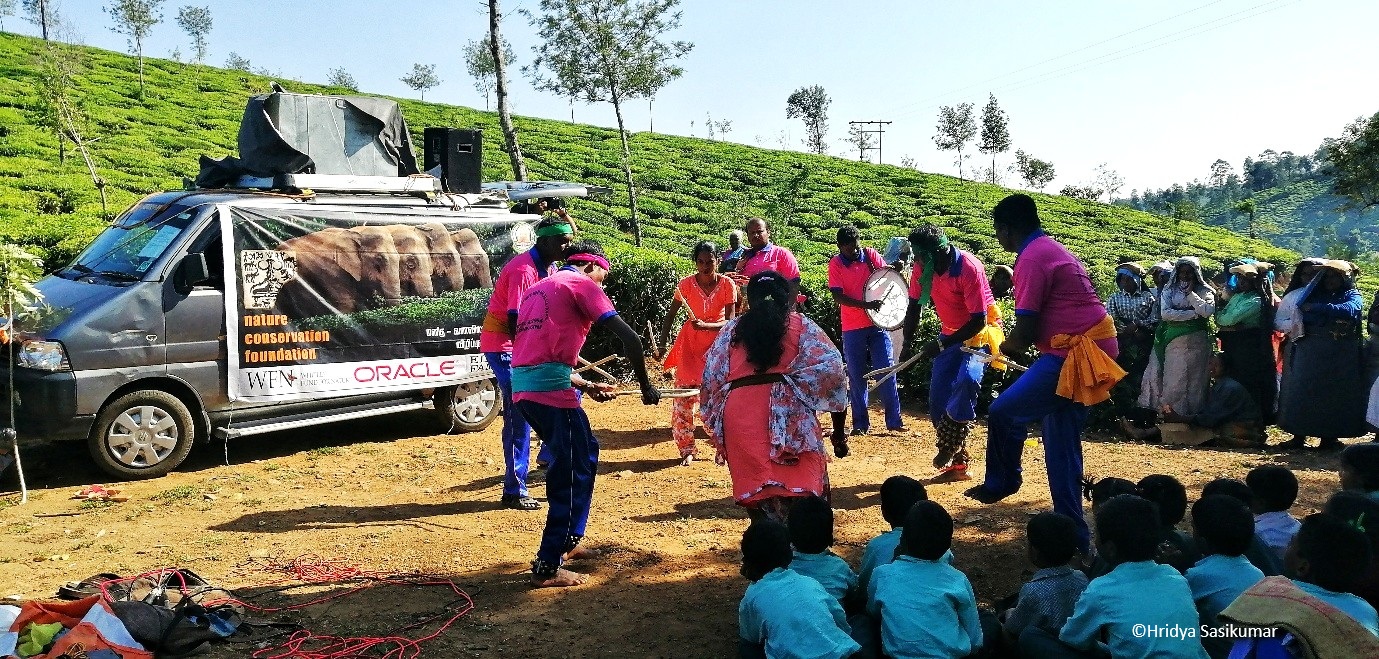
Such variations in trust and communication highlight the need to leverage the complementary strengths of all extension actors. Building trust requires regular interaction through joint meetings, village-level consultations, and coordinated outreach, improving transparency and engagement with farming communities. Although mechanisms such as district-level committees and rapid response teams exist, they are often reactive, underscoring the need for more regular and institutionalised platforms for information exchange.
Globally, organisations such as the FAO, IUCN, and the Indo-German Biodiversity Programme emphasise education, community engagement, and capacity-building in conflict management. However, their resources remain insufficiently integrated into routine agricultural extension systems. Evidence from Sri Lanka further shows that extension training often ignores wildlife-related risks, prioritising conventional crop constraints even in high-conflict areas due to centrally designed, poorly localised training frameworks.

HOW SHOULD WE DESIGN A CONSERVATION EDUCATION PROGRAMME
There is no universal, one-size-fits-all curriculum that can adequately address HWC. For conservation education to be effective, it must be:
- Context-specific: tailored to local agroecological systems (crops, livestock, and wildlife);
- Empathetic: attentive to the emotional and psychological dimensions of human responses;
- Practical: grounded in realistic, locally applicable solutions that farmers can easily adopt;
- Institutionally linked: integrated with grievance redressal mechanisms, compensation schemes, insurance, subsidies, and other financial support systems.
When education disregards structural challenges, it risks becoming yet another source of frustration. When aligned with policy reform and institutional accountability, it can strengthen conflict mitigation and long-term conservation outcomes.
CONCLUSION
Human–wildlife conflict is not merely an ecological problem; it is deeply social and emotional. Fear may be the initial response, but sustained frustration and fury often define the long-term behaviour. Addressing this reality requires more than fences and finances. Conservation education, delivered through empathetic and participatory extension systems, offers a pathway to reshape how farmers perceive and respond to wildlife damage. While it may not eliminate conflict, it can rebuild trust, restore a sense of control, and encourage informed behavioural change. In doing so, conservation education may represent one of the most practical and meaningful pathways towards sustainable farmer–wildlife coexistence.
 Hridya Sasikumar is a Doctoral Researcher at Dairy Extension Division, ICAR-National Dairy Research Institute, Karnal, India. Her research focuses on the behavioural and social dimensions of human–wildlife interactions, gender dynamics, and agripreneurship. She can be reached at hridya.hsk@gmail.com
 Sreedhar Vijayakrishnan is a Researcher associated with the Centre for Conservation and Research, Tissamaharama, Sri Lanka and a member of the IUCN Species Survival Commission Asian Elephant Specialist Group. His work spans the domains of behavioural ecology, movement ecology, habitat restoration, and human–wildlife interactions. He can be reached at sreedharvijayakrishnan@gmail.com
 B. S. Meena is a Principal Scientist at Dairy Extension Division, ICAR-National Dairy Research Institute, Karnal, India. He can be reached at bmeena65@gmail.com

Of late, the human animal conflicts (HAC) are increasing which is attributed to decreasing forest land and increasing wild animal population. The former is due to unabated encroachments and use of forest land for infrastructure development. The later one is due to wild life conservation efforts. The net result is drastic reduction in availability of food and water in the forest forcing the wild animals to enter into villages and devour the crops and livestock. It is well within the realm of anybody’s imagination that as long as the food requirements for the wild animals are not met , all our efforts to reduce HAC may not yield the desired results.
Educating the farmers and the persons involved in dealing with HAC is required to address certain issues as indicated by the authors but it must be supported with efforts to increase the availability of food for the wild animals. It is also a serious problem when the wild animals start preferring the palatable crops instead of wild forage.
The Ministry of Environment, Forest and Climate Change (MoEFCC, GOI), has initiated a National Human-Wildlife Conflict Mitigation Strategy and Action Plan (2021-26) basically to reduce HAC. The authors should have included the programmes and impact of such programmes on reducing the HAC.
Congratulations to Hridya, Sreedhar and Meena on coming out with a blog on an important aspect of HAC. Thanks to AESA for not only publishing this blog but also for encouraging budding extension professionals.