



In this blog, Swarup Upadhyaya examines the need to rehabilitate India’s ageing small tea gardens, highlighting the risks of continued neglect and the far-reaching impact on rural livelihoods.
CONTEXT
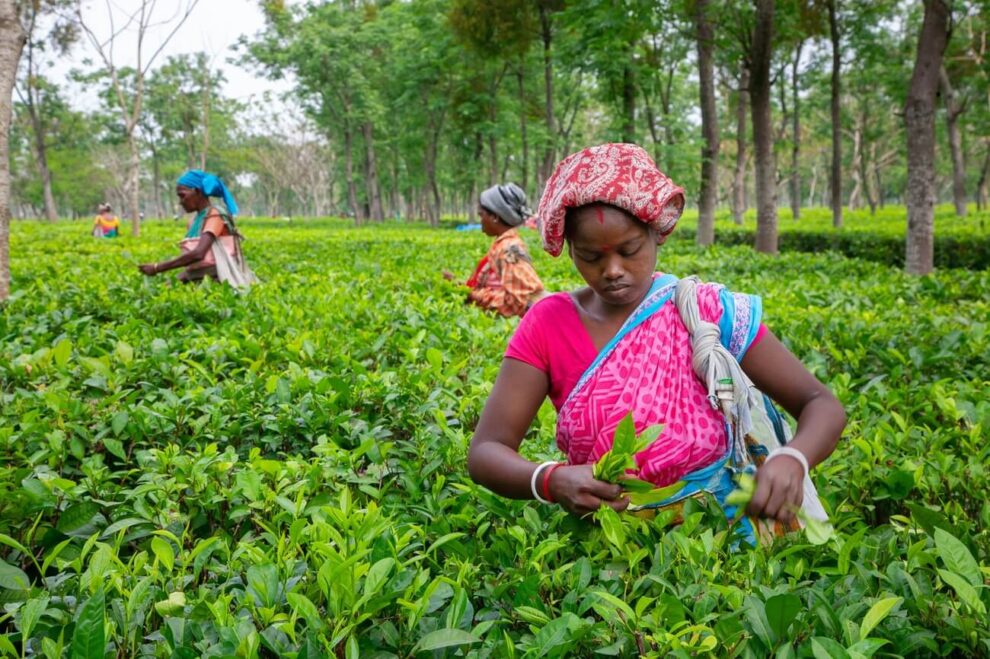
When the Indian government gradually opened small-scale tea cultivation to individual landowners in the 1990s, thousands of farming families across the Brahmaputra Valley, the Dooars, and the rest of India began cultivating tea as a primary source of income. Today, India has 249,318 registered small tea growers cultivating 213,903 hectares, over 33.7% of the national tea area and contributing more than 50% of the total national production of 1,284 million kg annually. The bushes planted in the late 1990s will be entering their fourth decade by 2030. The productive lifespan of a tea bush under Indian field conditions is conventionally considered to be between 40 and 50 years. A bush planted in 1990 is 35 years old today. Agronomically, these plants will fail early because their growers managed them poorly, such as failing to follow the pruning cycle or using unbalanced fertilisers. Further, they are failing because that is what tea bushes do after four decades of continuous production, and there is no fertiliser application, pruning regime, or agronomic input that can reverse this trajectory. The only rational response is to uproot and replant with high-yielding clonal material.
For a large tea estate, this is a routine capital decision. Still, for a smallholder family dependent on tea as its primary agricultural income, rehabilitation means five to seven years with zero green leaf income from the replanted area. compounded by the upfront cash costs of uprooting, soil preparation, rehabilitation cropping, and replanting. Without structured government support, this is not a decision most small growers can execute. The consequence of not executing it, however, is not a temporary yield dip; it is a permanent, progressive degradation of their most valuable productive asset and eventually an exit from cultivation altogether. This is the livelihood problem at the heart of Assam’s STG (Small Tea Growers) rehabilitation challenge.
THE REHABILITATION PATHWAY
Rehabilitation of tea small holdings involves revitalising unproductive, ageing tea bushes, usually over 40 years old, by replanting, often preceded by an 18–24-month soil rehabilitation phase, during which rehabilitation crops are planted to restore nutrients and soil structure. Prolonged tea cultivation frequently leads to the exhaustion of essential nutrients and the accumulation of autotoxins, a condition documented in the tea-growing regions of Northeast India and Kenya. Staple food crops, specifically maize and beans, fail. to establish successfully when planted immediately following the uprooting of old tea bushes. Therefore, it is essential to rehabilitate exhausted tea soils with rehabilitation crops to restore soil health.
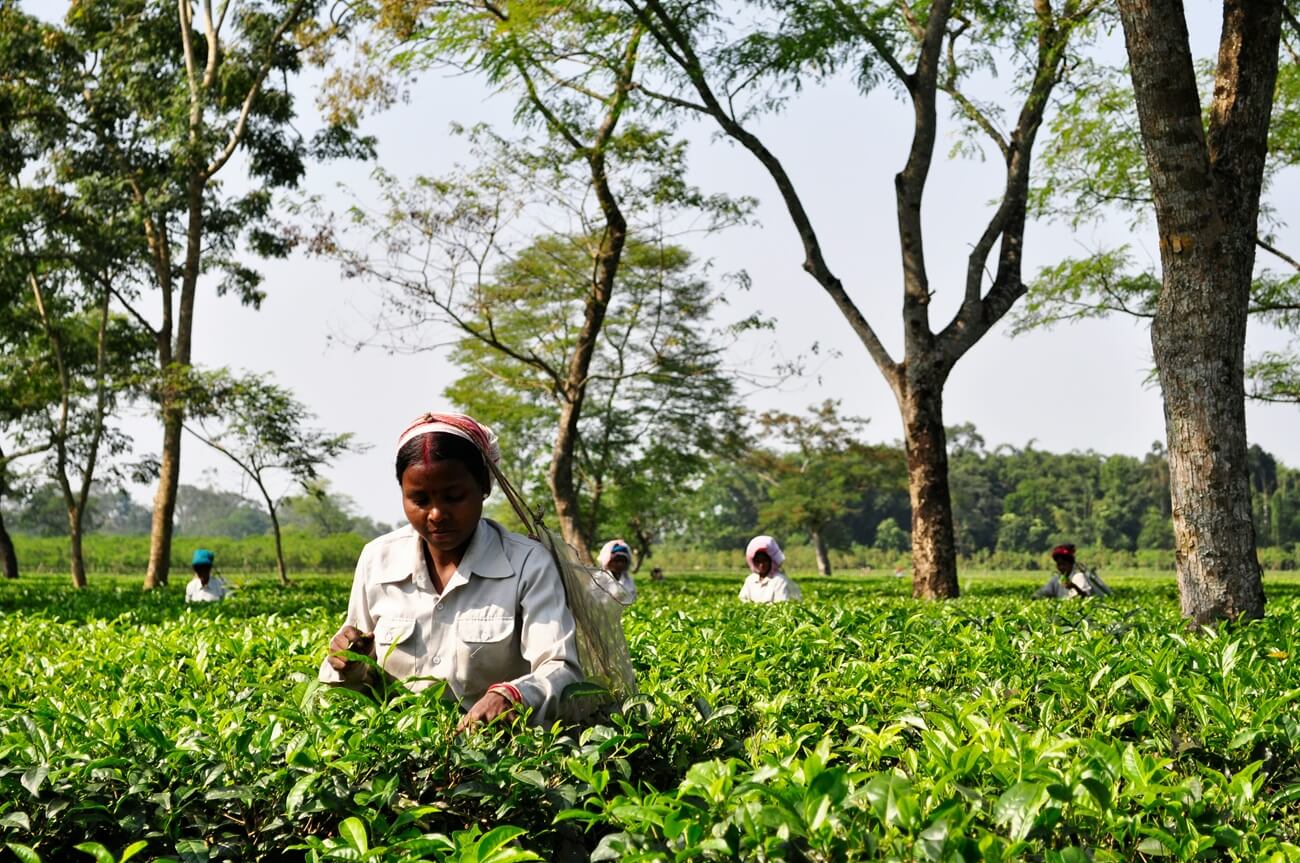
Rehabilitation of an ageing STG holding requires a sequenced 5-Step process (Table 1).
Table 1: The Five-Steps for Tea Rehabilitation
| Stage | Activity | Duration | Key Requirement |
| 1. Diagnosis | Soil bulk density, pH, organic carbon profiling, and bush vacancy mapping. | 1–2 months | Affordable soil testing; Plantation Health Index assessment |
| 2. Uprooting & Soil Correction | Complete root removal; deep plough to 60 cm; sub-soiling to break compacted horizons; 15–20 t/ha FYM; 2–3 t/ha lime where pH <4.5 | 2–3 months | Sub-soiling machinery access; lime and organic matter supply |
| 3. Rehabilitation Cropping | Pusa Giant Napier / Citronella / Guatemala grass; 3 annual loppings; Optimum biomass returned in situ to rebuild organic carbon | 18–24 months | Certified rehabilitation seed; market linkage for Citronella essential oil, where applicable. Keep the rehabilitation crop longer if it’s not thriving. |
| 4. Replanting | Tea Board-certified planting material exclusively; standard spacing; shade tree establishment | 1 planting season | Affordable certified clonal nursery stock or certified seedlings. |
| 5. Establishment Management | Reduced nitrogen (≤50 kg N/ha/yr in years 1–3); progressive NPK build-up from year 4; integrated pest and weed management | 4–5 years | Working capital finance, bridging the non-bearing phase |
Sources: KKHSOU Tea World, Soil Rehabilitation and Tea Board recommendations
ALTERNATE INCOME ARRANGEMENTS
Many STGs recognise that their ageing bushes are failing, but they lack the financial instruments, diagnostic tools, and collective institutional architecture needed to act. The rehabilitation phase, while creating a green leaf income void, also opens a window for diversified livelihood income that can outlast the rehabilitation period. Citronella grass (Cymbopogon winterianus), already recommended by the Tea Research Association (TRA) and the Tea Board as a rehabilitation species for Northeast India, supports a growing commercial oil market. However, it requires distillation infrastructure to extract oil. Through Farmer-Producer Companies (FPCs) or SHG-managed processing units, such infrastructure can be established. The 18–24-month rehabilitation cropping phase can generate supplementary income that partially offsets the loss of green leaf income.
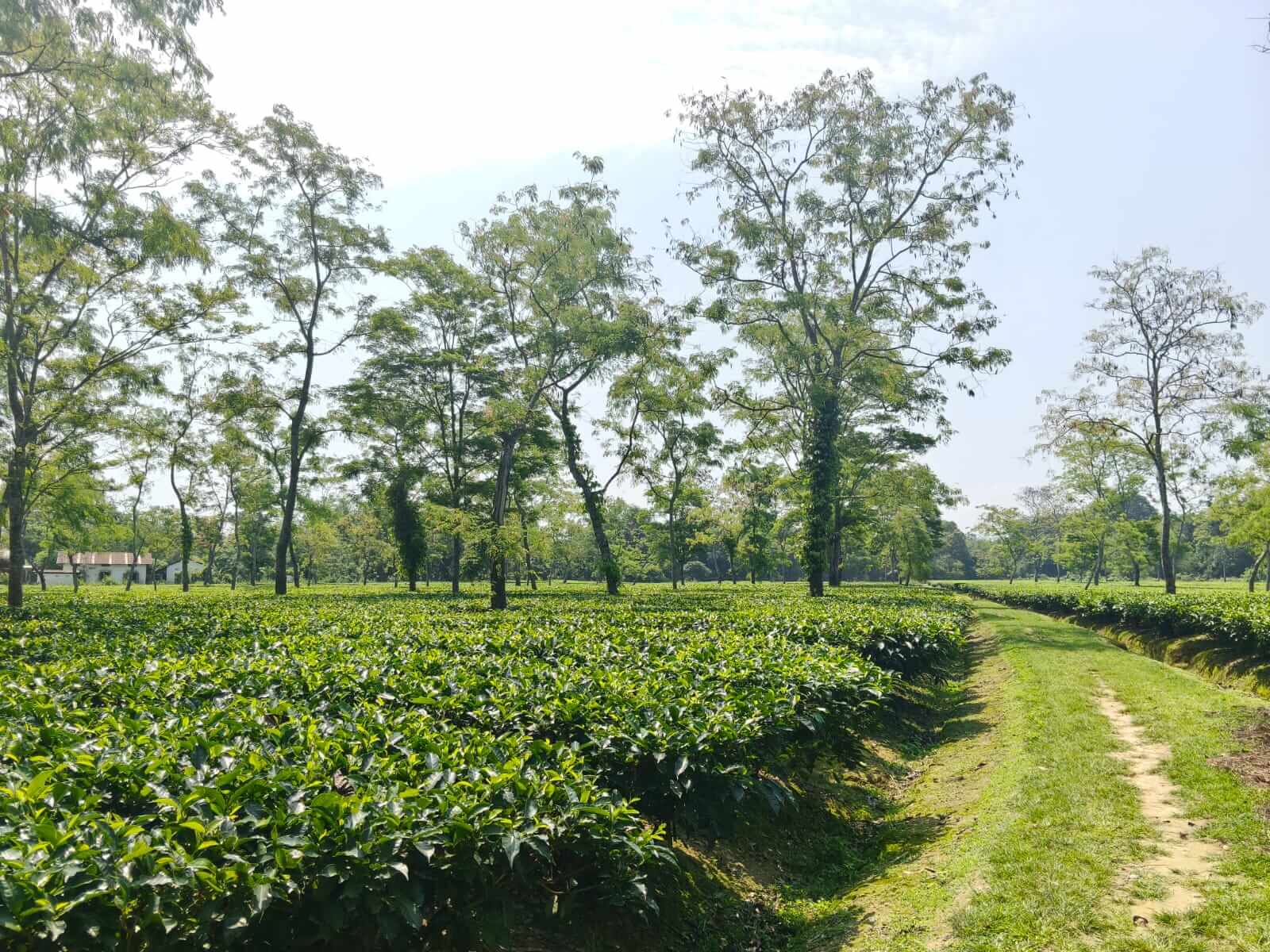
Beyond citronella, the replanting and establishment phase (years 1–5) is agronomically compatible with high-value intercrops such as ginger, turmeric, and large cardamom, which command significantly higher per-kg realisations and require no additional land. Shade trees, which are agronomically necessary for tea plants and for soil temperature regulation, can be deliberately selected for commercial value: areca nut, silver oak, and Tephrosia are established intercrops in Assam tea gardens, while black pepper, trained as a climbing vine on shade trees, has demonstrated viability as a high-value intercrop in South Indian agroforestry systems, with direct applicability to Northeast Indian STG holdings. Together, these diversified income layers of citronella oil, spice intercrops, areca nut, and black pepper can narrow the rehabilitation-phase income void to a manageable level. If farmer collectives facilitate aggregation, grading, and market linkage, they leave behind a permanently more resilient household economy even after the replanted clonal tea enters full commercial bearing.
INSTITUTIONAL ROLES FOR REHABILITATION
During my interactions with Mr Bijoy Gopal Chakraborty, President of CISTA (Confederation of Indian Small Tea Growers) for AESA in July 2024, he articulated their proposal for rejuvenation of small tea gardens as follows:
“With regard to rejuvenation, we are demanding a rejuvenation or replanting subsidy from the Tea Board. We hope the Board will consider this demand seriously. Previously, a subsidy was available for large estates, but currently it is not available. As rejuvenation of old tea bushes is vital to enhance productivity, I am hopeful that everyone will be supportive of this demand, and we will receive subsidies for this.”
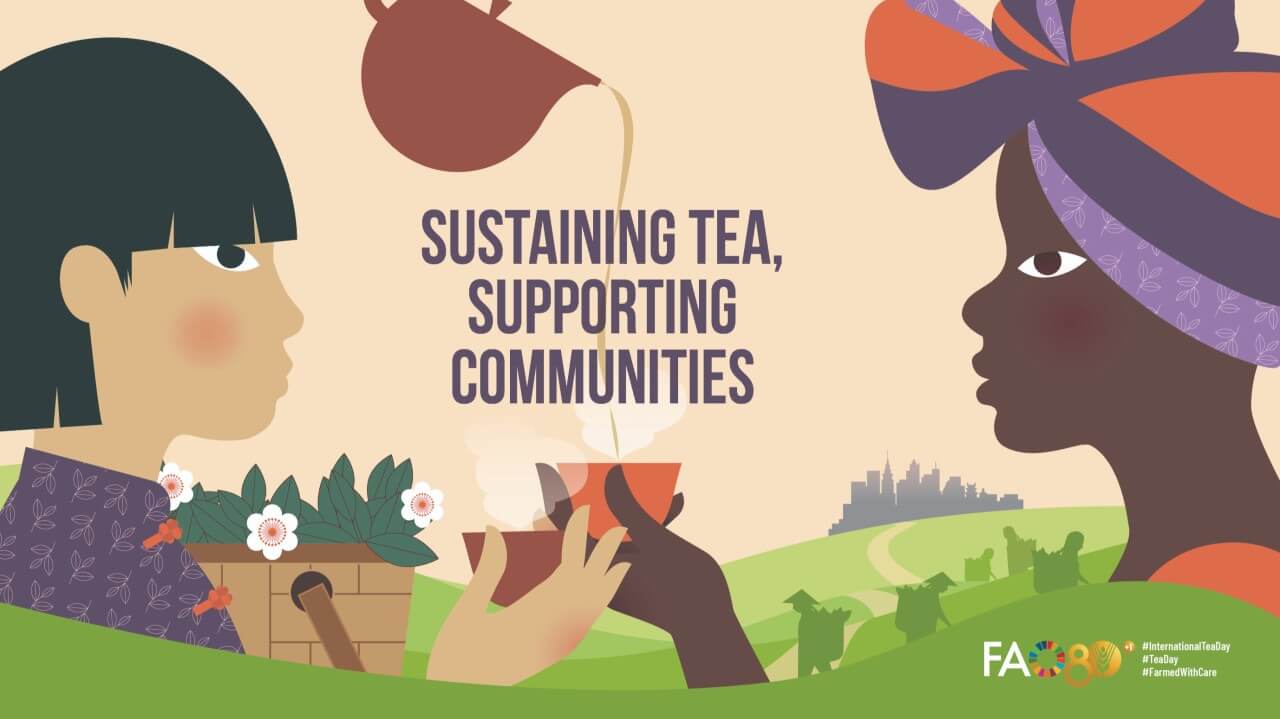
21 May is celebrated as International Tea Day every year. The celebration promotes the sustainable production, consumption, and trade of tea, and offers an opportunity for actors at global, regional and national levels to ensure that the tea sector continues to play a role in reducing extreme poverty, fighting hunger and safeguarding natural resources.
Smallholder tea rehabilitation requires a coordinated institutional architecture that combines finance, soil and plant diagnostics, extension, rehabilitation scheduling, and livelihood transition support across multiple stakeholders:
| Stakeholders in STG | Potential roles to make Small Tea Gardens Rehabilitation Success |
| 1. NABARD |
|
| 2. Tea Board |
|
| 3. Extension Services by Tea Research Association |
|
| 4. Farmer Collectives |
|
| 5. Rural Livelihood Missions |
|
ENDNOTE
The biological expiration of India’s smallholder tea gardens represents a profound livelihood crisis. Rehabilitation is mandatory, not optional. But with coordinated action from the Tea Board, NABARD, farmer collectives, extension services and Rural Livelihood Missions, this income void can become a doorway to diversified household resilience.
 Swarup Upadhyaya, from a tea-growing family in Phillobari, Assam, holds a BSc in Agriculture, an MBA in Agribusiness, and is pursuing a PhD in Agribusiness Management at Indian Institute of Management Lucknow. He can reached at swarup.mba.ivri@gmail.com
Add Comment