
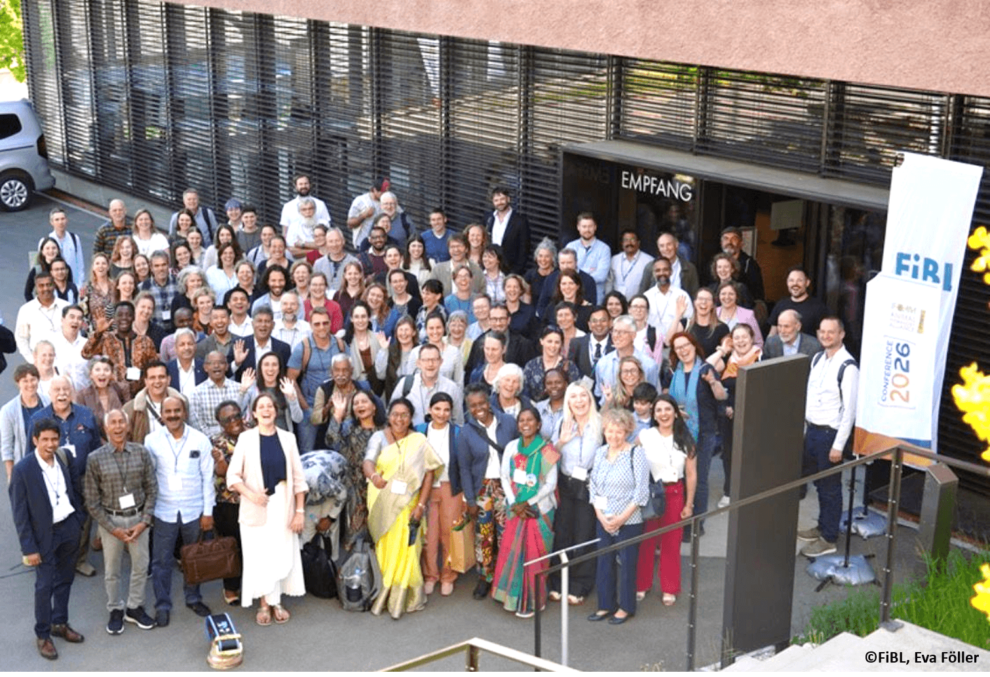
Mahesh Chander attended the IFOAM Animal Husbandry Alliance Conference 2026, jointly organised by IFOAM-Animal Husbandry Alliance (IAHA) & FiBL, from 28 to 30 April 2026 at FiBL, Frick, Switzerland. He shares his experience here.
CONTEXT
The IAHA conference, centred on the question of whether organic livestock farming can serve as a role model, was organised by the Research Institute of Organic Agriculture (FiBL) in collaboration with several organic organisations, from 28 to 30 April 2026, in Frick, Switzerland, in a hybrid format. IAHA stands for the IFOAM Animal Husbandry Alliance, a sector platform of the International Federation of Organic Agriculture Movements (IFOAM) responsible for discussions on livestock farming within IFOAM.
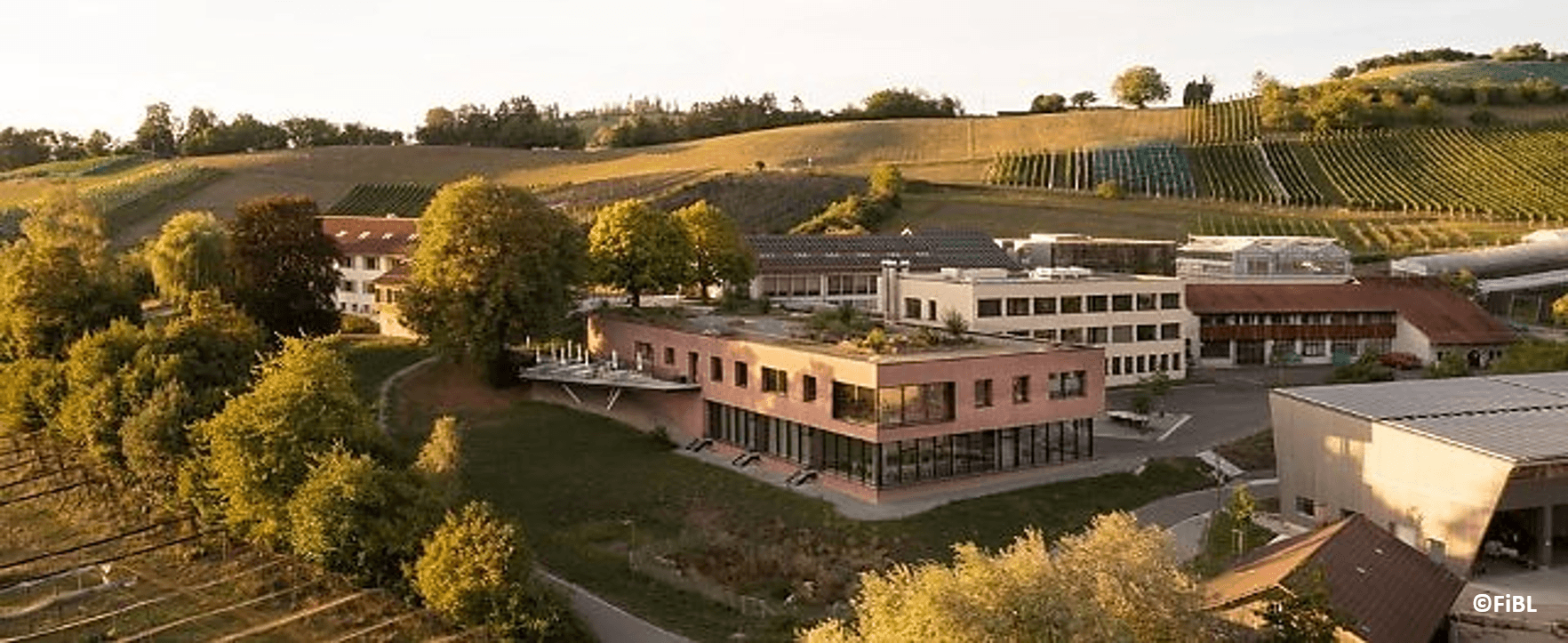
The conference brought together around 200 participants from across the globe. It was particularly significant as livestock and animal husbandry continue to be relatively underrepresented in discussions, data, trade, and policy debates, despite the growing global momentum of organic agriculture. The conference explored challenges in global organic livestock production systems, pathways to scale up organic and traditional livestock systems, and strategies to strengthen organic livestock value chains. Debates on livestock farming are increasingly polarised between intensive systems and animal-free approaches, often sidelining the role of animals in balanced farming. Organic animal husbandry offers a middle path, integrating sustainability with ethics and respecting animals’ role in agriculture. This conference explored its potential as a viable global model for future livestock systems.
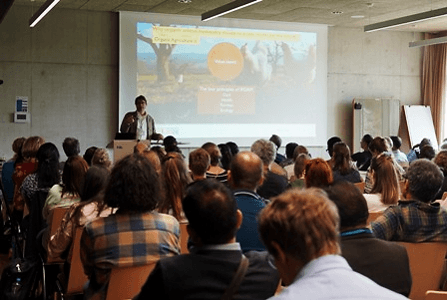
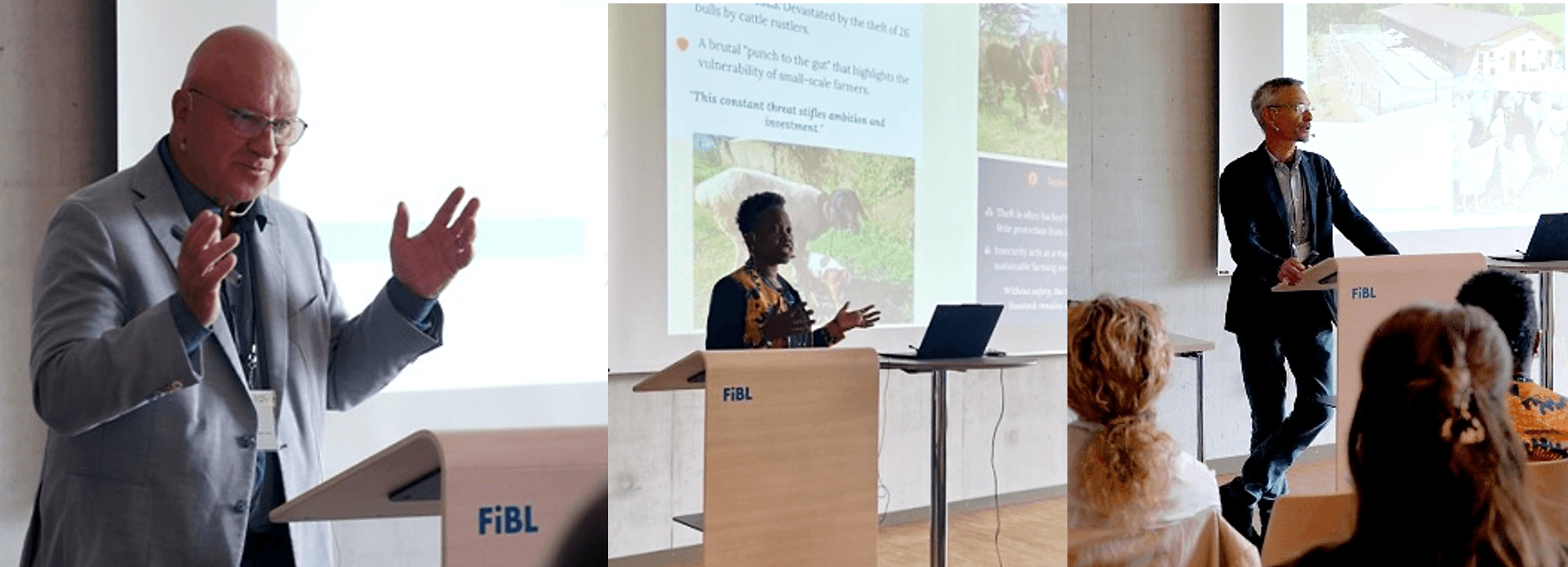
A notable feature of the conference, especially appreciated by participants from the Global South, was its simplicity and focus. Unlike conventional events, there was no elaborate inaugural session with ceremonial formalities or lengthy speeches. Instead, the program began with a brief welcome by B. Lehmann from the Foundation Board, followed by opening remarks from the organising team led by Florian Leiber, and transitioned directly into insightful plenary sessions by three experienced speakers.
Three keynote talks set the tone for the IFOAM Organic Husbandry Alliance Conference at FiBL, Switzerland. Bernard Lehmann contrasted livestock systems in industrialised regions with those in the Global South. Sylvia Kuria shared firsthand challenges from her organic farm in Kenya, including limited infrastructure, training gaps, and animal theft. Urs Brändli offered insights from Swiss mountain farming, focusing on animal health, feed optimisation, and efficiency within strict regulations. Despite differing contexts, a shared message emerged: making organic standards accessible is essential to closing nutrient cycles, enhancing circularity, and safeguarding the health of animals, people, and ecosystems.
I presented a paper on “Crop-Livestock integration for sustainable organic production systems”. Experiences in organic farming, particularly in animal husbandry & on-farm circulatory practices in India, were shared in this presentation. Additionally, I chaired a technical session on “Making organic livestock value chains work”. All conference papers are published in Science Direct: Animal Science Proceedings.
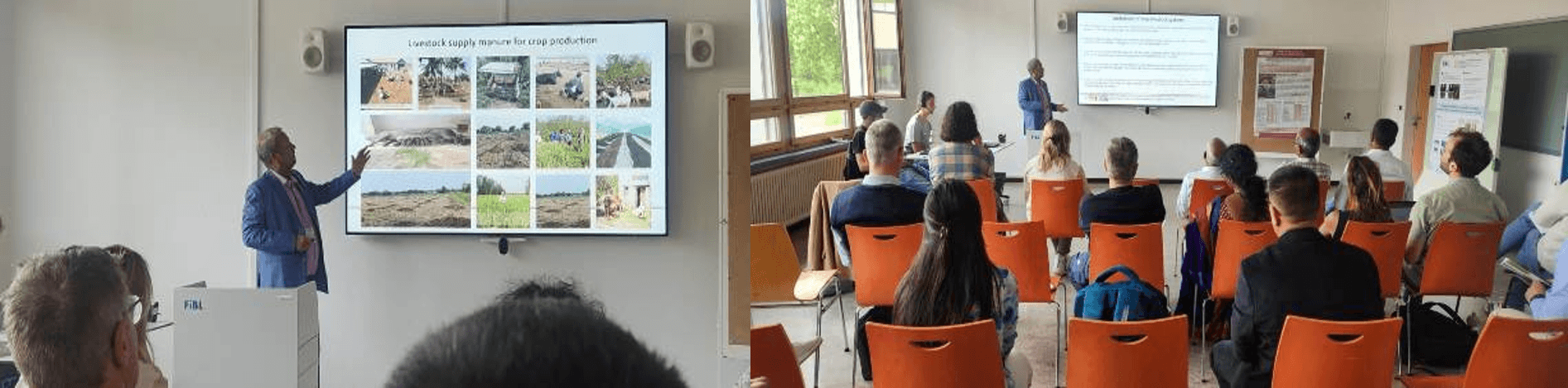
The conference also provided valuable opportunities for participants from different continents to deliberate on region-specific issues in animal husbandry through dedicated workshop sessions. I had the privilege of chairing one such session titled “Advancing Organic Animal Husbandry in Asia.” Participants from India, Bangladesh, Kyrgyzstan, Turkiye and Nepal got actively engaged in discussions for about 1.5 hours, identifying key challenges, opportunities & way forward, which was later presented in the plenary session (Box 1).
Box 1: Advancing Organic Animal Husbandry in Asia: Challenges and Opportunities
Challenges
Opportunities
Way Forward
|
An interesting and innovative feature of the conference was the way session outcomes were presented. Instead of the conventional approach where the session Chair or Rapporteur delivers the report, a delegate was nominated to present the findings in the plenary. This allowed the Chair and Rapporteurs to remain engaged in the discussion process, while also involving an additional participant in synthesising and presenting the recommendations. Such an approach not only enhanced inclusivity but also ensured broader participation and ownership of the conference outcomes.
The programme was comprehensive, comprising plenary lectures, thematic technical sessions, workshops, and research presentations in the form of essays, posters, and panel discussions (as detailed in the official programme). Participants explored a wide range of approaches already proven in practice, from innovative grazing strategies to integrated production systems and welfare-friendly breeding programmes. They shared insights on critical themes such as animal welfare, biodiversity, climate impact, and practical solutions for organic farms.
Importantly, the conference extended beyond purely scientific discourse. It brought together farmers, advisors, and policymakers, while also creating space for cultural and philosophical perspectives. This interdisciplinary and inclusive approach fostered lively, practice-oriented, and inspiring exchanges among participants.
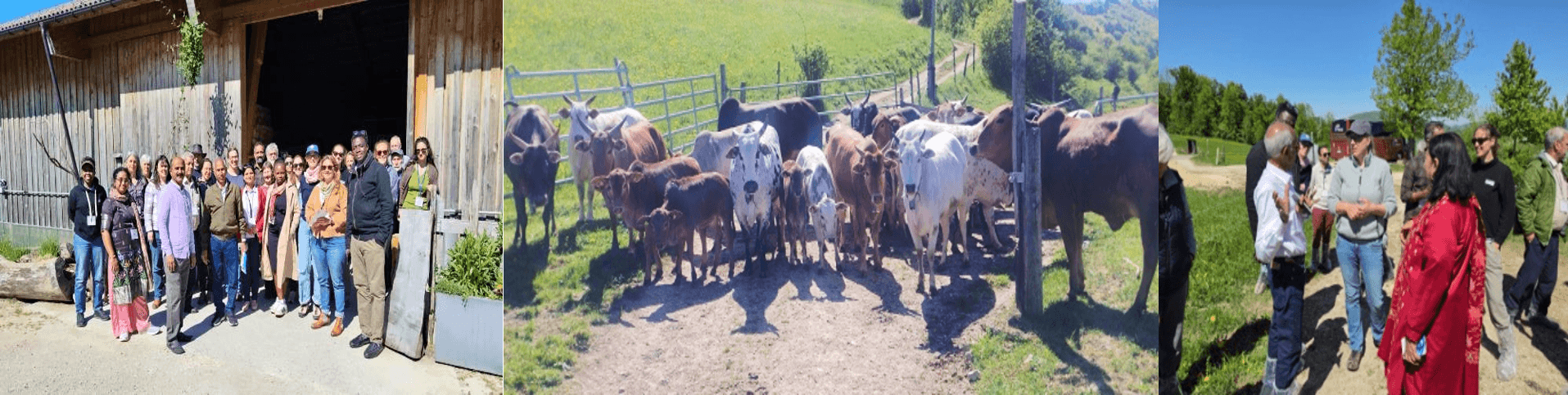
On the final day, participants could choose from four field visits/excursions designed to demonstrate real-world applications of organic animal husbandry. These visits complemented the conference themes by showcasing sustainable and ethical livestock systems in practice, with particular emphasis on animal welfare, biodiversity conservation, and climate-responsive livestock production.
WHAT WAS NEW AND APPRECIABLE?
The organisers had created strong pre-conference engagement. A promotional video was released in advance to introduce the organising committee and highlight the importance of the event and its key discussion themes. In addition, the Research Institute of Organic Agriculture (FiBL) produced a podcast titled “Organic Animal Husbandry: A Role Model for Sustainable Livestock”, featuring FiBL staff members Rennie Eppenstein and Florian Leiber from the IAHA organising committee. The discussion explored sustainable livestock management along with the sector’s key challenges and opportunities, effectively setting the tone for the conference and making the proceedings easier to follow.
Another commendable aspect was the timely publication of the conference proceedings through ScienceDirect’s Animal Science Proceedings volume, with the link shared on the very first day alongside limited hard copies. All submitted papers underwent a rigorous peer-review process involving reviewers from across the globe, reflecting the event’s high professional standards. Notably, I also had the opportunity to serve as a reviewer for the papers presented at the conference.
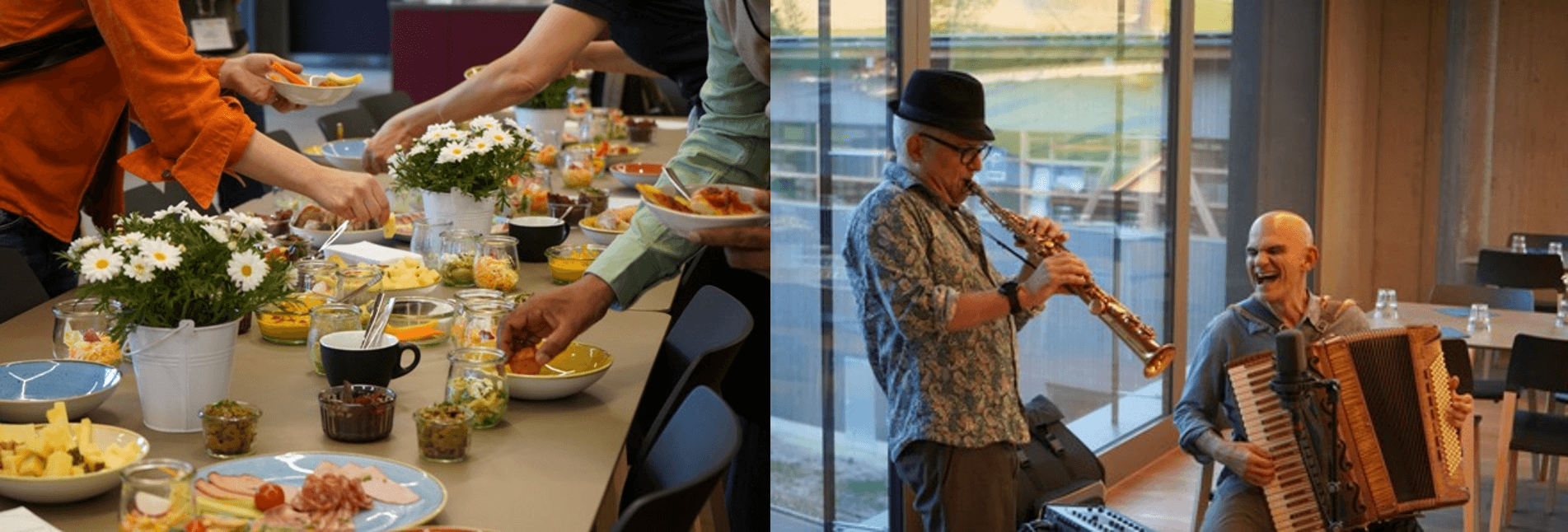
The conference had a dedicated Homepage to handle registration, paper submissions, the review process, and travel and accommodation information, making participation a smooth experience. Everyone agreed, not only was the food delicious, but it was also organic!
CONCLUSION
I found the conference to be exceptionally well-organised and professionally managed. The time management was excellent, with parallel sessions that ensured adequate time for speakers while also allowing meaningful discussions. The sessions remained focused, with no unnecessary or extended deliberations beyond the scope of the conference. The absence of ornamental dignitaries, awards and long speeches reflected thoughtful planning. Notably, the conference declaration was prepared in consultation with participants, incorporating inputs from technical sessions and recommendations to be published soon, which added to its relevance and inclusiveness.
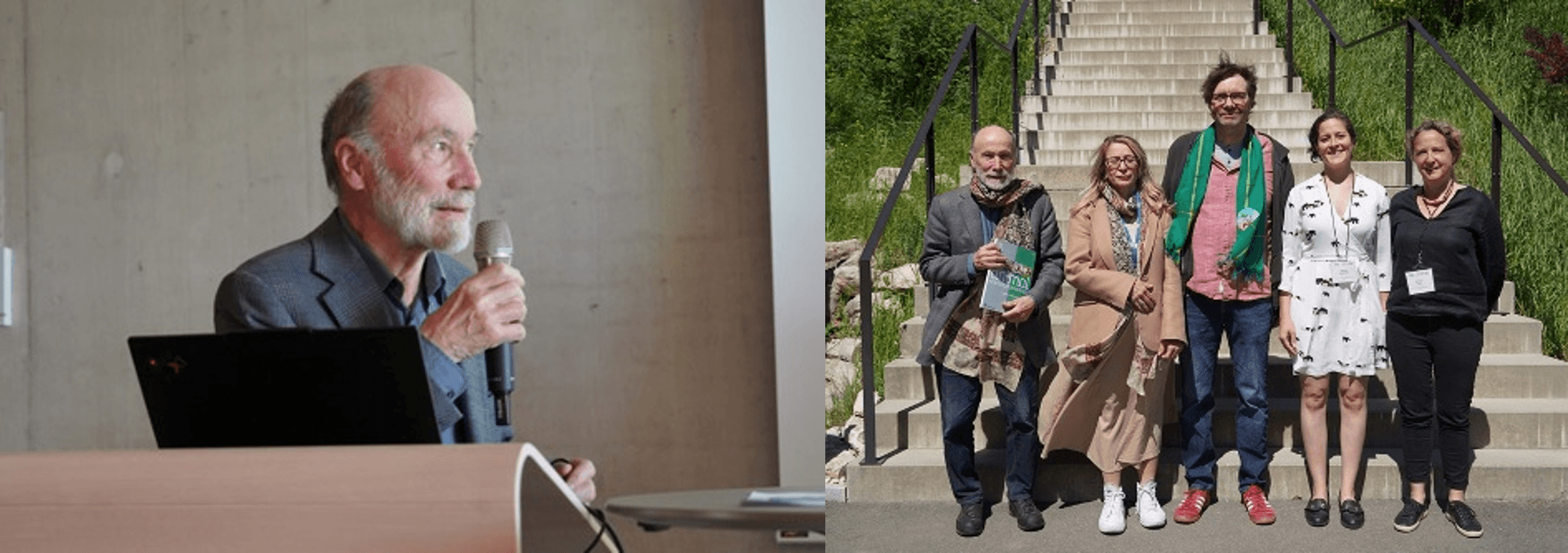
The conference also bid farewell to Otto Schmid, who had led IAHA since its establishment in 2012. He formally handed over the IAHA Chair role to Muazzez Cömert and Florian Leiber. The occasion became an emotional moment for both participants and organisers, reflecting deep appreciation for Otto Schmid’s leadership and contributions to the growth of organic animal husbandry worldwide.
I sincerely thank ICAR-Indian Veterinary Research Institute, Indian Council of Agricultural Research, the Ministry of Home Affairs, and the Ministry of External Affairs for granting approval for my visit, which enabled me to participate in this important event. The sponsorship support provided by FiBL is gratefully acknowledged.
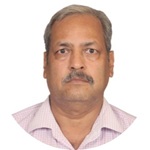 Dr Mahesh Chander is Principal Scientist at ICAR- Indian Veterinary Research Institute, Izatnagar-243122 (UP, India. He is a Founding & Steering Committee Member of IFOAM- Animal Husbandry Alliance (IAHA). He can be contacted at drmahesh.chander@gmail.com
Add Comment