

In this good practice note, Sailabala Panda and Sipra Dhal reflect on Laktiguda’s transformation in Odisha, where empowered communities regenerated forests, revived water sources, and restored livelihoods and dignity. This experience demonstrates that the Forest Rights Act, 2006 is a catalyst for community-led forest stewardship, ecological restoration, and resilient livelihoods and not merely an act for recognising tenure rights of forest-based communities.
CONTEXT
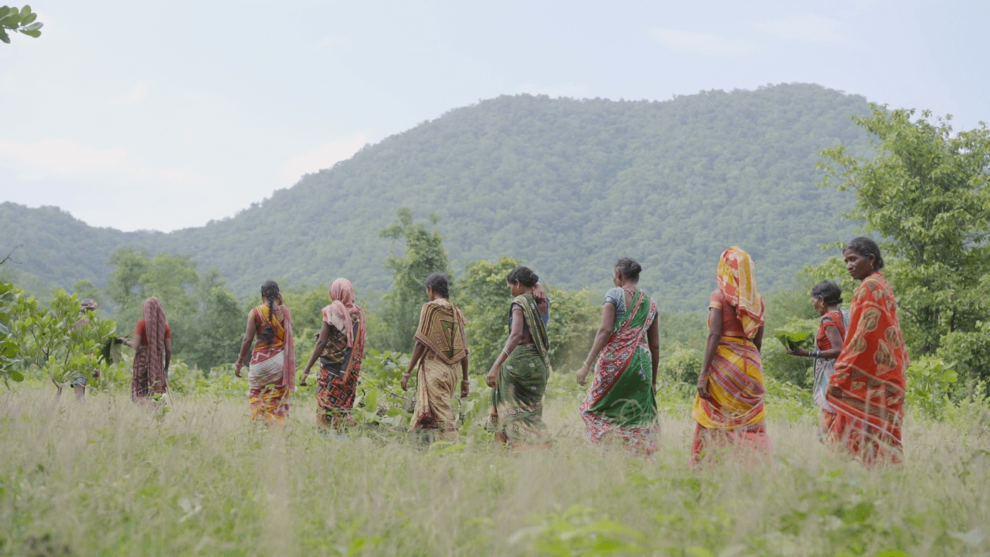
Laktiguda is a small tribal village in Bethiapada Gram Panchayat (Bisamcuttack Block), Rayagada district, Odisha, comprising 38 Scheduled Tribe households. The village is surrounded by nearly 567 acres of Community Forest Resource (CFR), which has sustained generations through food, fuel, fodder, water, medicinal plants, and cultural traditions. For the people of Laktiguda, the forest has never been merely a natural resource; it has always been their identity and lifeline.
Yet, like many forest landscapes across central India, decades of degradation gradually eroded ecological health, forest-based livelihoods, and human well-being. For years, repeated forest fires, shifting cultivation, unsustainable extraction, and the absence of community forest governance severely degraded the surrounding forests. As tree cover declined, streams dried up, biodiversity diminished, soil fertility weakened, and agricultural productivity fell. Families increasingly depended on a single rain-fed crop and seasonal collection of non-timber forest products (NTFPs), making livelihoods fragile and uncertain.
The greatest burden was water scarcity. Women walked nearly five kilometres every day to fetch drinking water. Seasonal migration increased, agricultural opportunities shrank, and water scarcity became so severe that families hesitated to marry their daughters into the village. Ecological degradation had evolved into a crisis of livelihoods and dignity. However, the situation began to change slowly when PRADAN, in collaboration with the Rayagada District Administration, initiated implementation of the Forest Rights Act (FRA) 2006 in 2021.
GOOD PRACTICES
Implementation of FRA 2006
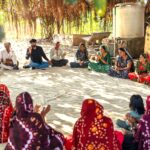
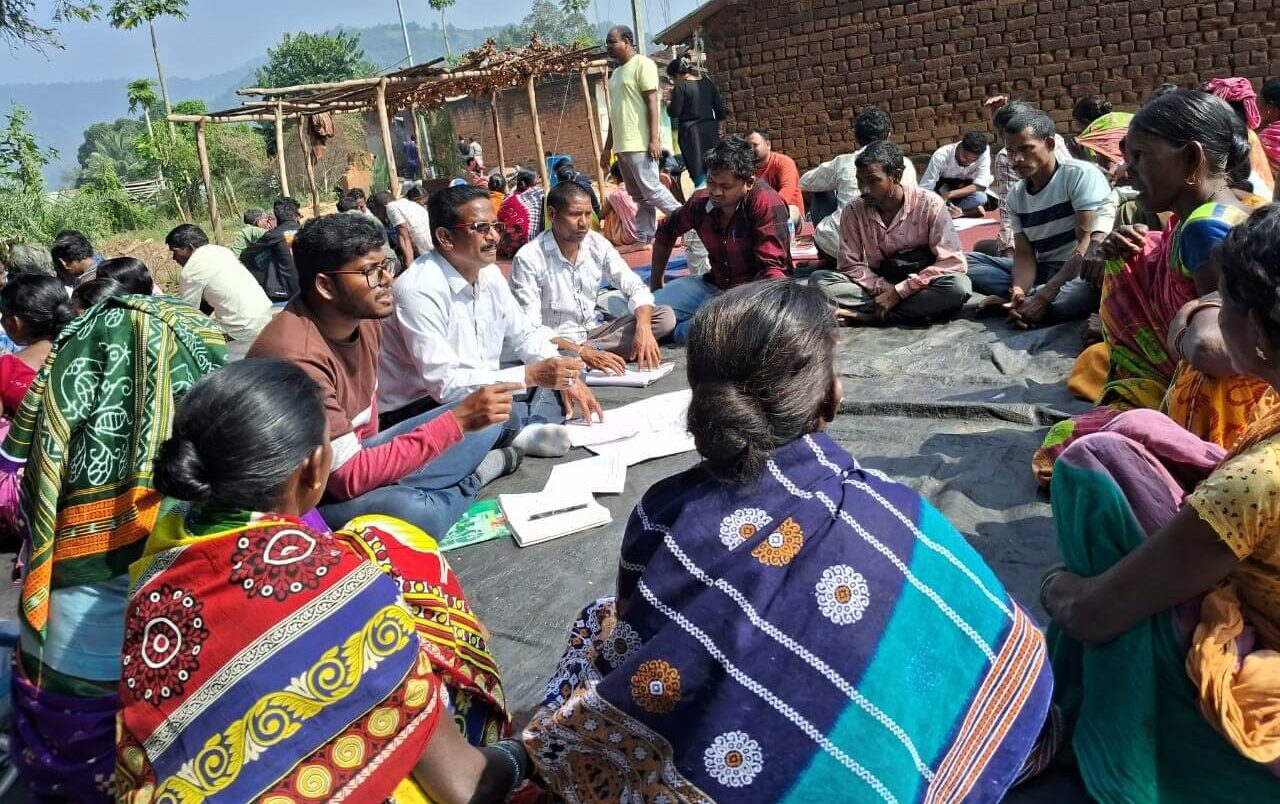
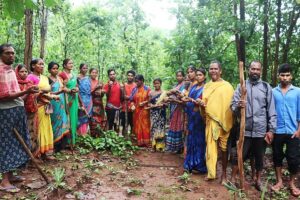
Through intensive community mobilisation during 2021-22, the villagers gained a deeper understanding of their forest rights and responsibilities. The Gram Sabha constituted a Forest Rights Committee (FRC), and participatory mapping began using the mobile-based GIS platform CLMDT Plus (Community Land Mapping and Demarcation Tool). Community members mapped their traditional forest boundaries, prepared Individual Forest Rights (IFR) and Community Forest Rights (CFR) claims, and developed a Community Forest Resource Management Plan (CFRMP) aligned with the Ministry of Tribal Affairs’ DA JGUA (Dharti Aaba Janjatiya Gram Utkarsh Abhiyan) framework.
The FRA implementation process triggered strong social mobilisation. It gradually transformed the community from forest users into forest managers and active custodians, encouraging them to think, reflect and collectively act for the well-being of their forests.
Constitution of CFR Management Committee
During 2022, the Gram Sabha constituted a CFR Management Committee which developed and enforced community norms and regulations to prevent tree felling and forest fires through collective patrolling. The community adopted sustainable harvesting practices, focused on degraded patches through afforestation and native seedball sowing, and strengthened natural regeneration across the forest landscape.
Communities Restoring Forests
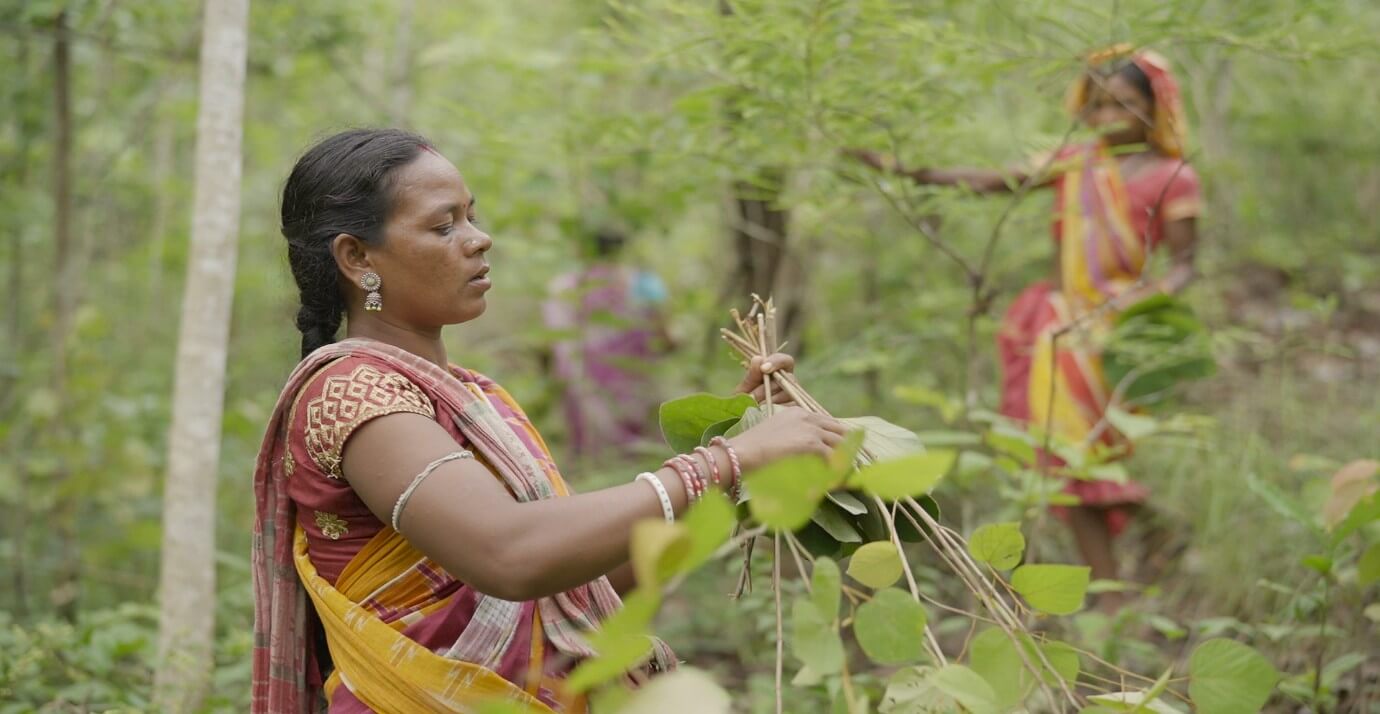
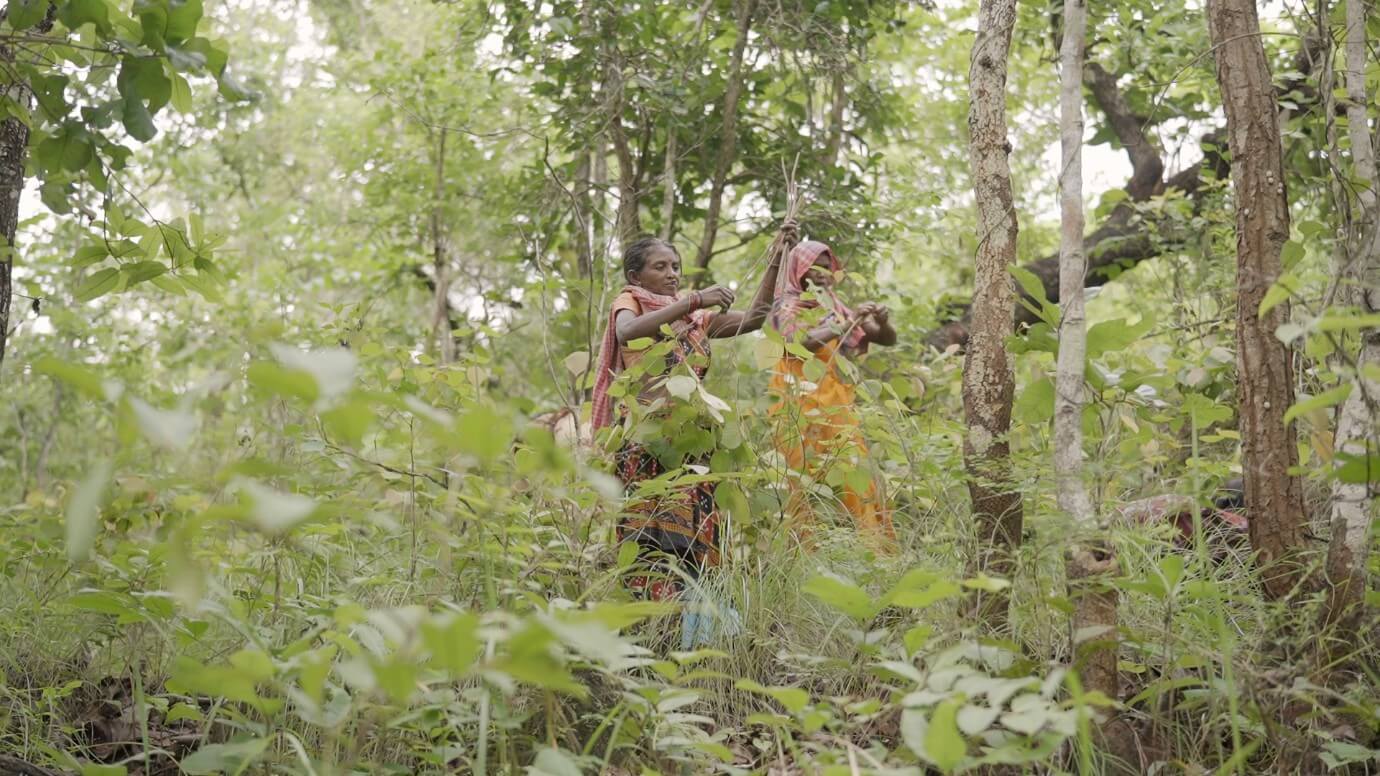
Once ownership and collective responsibility emerged, community action accelerated. Village institutions established rules against illegal tree felling, prevented forest fires through collective patrolling, regulated harvesting practices, restored degraded patches through plantation and native seed-ball campaigns, and strengthened natural regeneration across their forest area.
The community’s care and stewardship of the forest gradually began to yield remarkable results. Within 2-3 years, the degraded patches started regenerating into healthier forests. Native tree species returned with greater density and age diversity. Birds and monkeys began returning, and the forest once again came alive with sounds, a visible reflection of what collective community stewardship can achieve.
Degraded forests regenerated into healthy ecosystems. Native vegetation recovered, wildlife returned, and biodiversity increased. Villagers proudly recount the return of their traditional village bird, Gharchatia, which had disappeared years earlier. The forest had begun healing itself (Box 1).
|
Box 1: When Forests Return, they return with many things |
Promoting Livelihoods
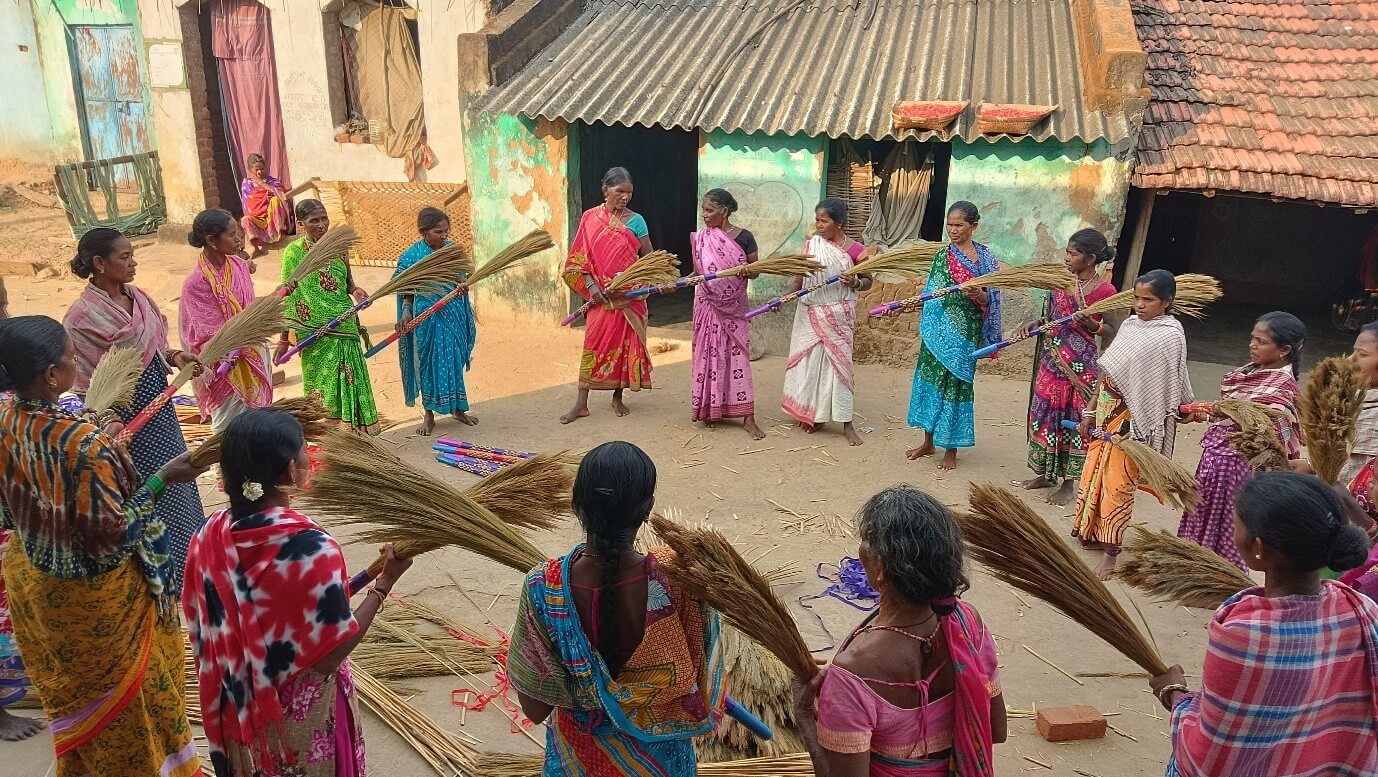
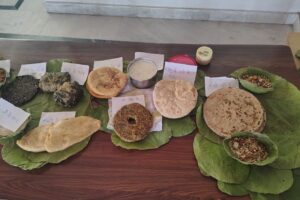
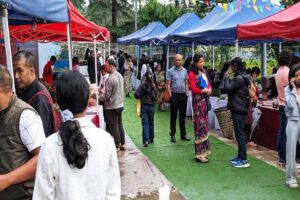
Supported by PRADAN (Box 2), communities adopted value addition, collective marketing, and women’s producer organisations, substantially improving household incomes. Agriculture has also diversified beyond single-season rain-fed cultivation. Households have now initiated mixed farming and agroforestry, reducing livelihood risks while improving food and nutritional security. Women, once primarily collectors of forest produce, have emerged as leaders of forest governance, collective enterprises, and village institutions.
| Box 2: PRADAN’s Engagement and Key Interventions PRADAN has been engaged with the Bethiapada Gram Panchayat (GP) since 2021. Following a GP-level perspective-building meeting, the village expressed interest in initiating the Forest Rights Act (FRA) claim-making process. PRADAN subsequently provided training on FRA provisions and the claim-making process, while forming and strengthening the capacities of Forest Rights Committee (FRC) members. As a result, all households actively participated in the FRA claim-making process. PRADAN also strengthened the capacity of the Community Forest Resources Management Committee (CFRMC) and supported the Gram Sabha in preparing the Community Forest Resources Management Plan (CFRMP) for the village. PRADAN’s engagement is anchored in a close, community-led support structure. A Community Cadre works closely with approximately 12–15 villages, supported by a Block Coordinator who provides guidance and facilitates implementation across a block. A PRADAN professional works closely with three to four Block Coordinators and the Community Cadres, supporting their continuous grooming and development through model demonstrations, handholding, joint problem-solving during critical implementation stages, and learning synthesis and strategy development to scale successful community-led models. This engagement extends beyond the immediate PRADAN team. Professionals work closely with local partners, Panchayati Raj Institutions (PRIs), community-based organisations, community champions and government stakeholders to deepen interventions, expand their impact among families and replicate successful practices. Over the course of the engagement, approximately 20–25 capacity-building and awareness events have been conducted, covering areas such as: Overall, PRADAN’s engagement has strengthened community institutions, awareness of forest rights, participatory forest management, and ecological restoration initiatives in the village. |
OUTCOMES AND IMPACT
Many families now earn around ₹1 lakh annually only from forest-based livelihoods. However, not all outcomes can be measured through ecological indicators or income statistics. Perhaps the most important outcome has been restoring social dignity.
For years, Laktiguda carried the social stigma of chronic water scarcity. Families from neighbouring villages were reluctant to marry their daughters into the village because daily life was so difficult. Today, that perception has changed. With perennial water sources, healthy forests, stronger livelihoods, and vibrant community institutions, Laktiguda is now recognised as one of the region’s progressive villages. Forest restoration also restored community pride.
SUSTAINABILITY AND SCALING UP
Laktiguda is a relatively new village for PRADAN, where our engagement began in 2022. We entered through forest-related activities, with social mobilisation emerging organically around the community’s relationship with its forests. The community’s needs aligned strongly with PRADAN’s approach. Forest dependence was central to people’s lives and livelihoods, and the community quickly mobilised to strengthen its ownership, stewardship and governance of forest resources.
Three PRADAN professionals and community cadres have been engaged in this process. PRADAN has focused on building the capacity of FRC, CFRMC and Gram Sabha members so that the community can take forward the FRA and CFRMP processes with less external support. The intensity of direct support has gradually reduced as community capacity has increased, though periodic handholding remains important.
The experience has also influenced neighbouring villages. Three other villages under the same GP have completed their FRA claim process and have started protecting their community forests. This shows that learning from this village is spreading to nearby communities.
Over the past few years, Laktiguda has evolved beyond a project village into a growth nucleus. Here, community-led innovations and practices are taking root and inspiring neighbouring villages. The village is increasingly becoming a space for peer learning, hosting exposure visits for communities from nearby villages, as well as PRADAN professionals and government officials. Its journey shows how strong alignment between community aspirations, local leadership, and sustained handholding can create models that extend well beyond a single village.
LESSONS LEARNED
Laktiguda illustrates that the Forest Rights Act, 2006, is far more than legislation for recognising land tenure. When implemented through genuine community participation, FRA becomes a powerful framework for:
- Ecological restoration
- Climate resilience
- Groundwater recharge
- Biodiversity conservation
- Sustainable forest-based livelihoods
- Women’s leadership
- Democratic local governance
The village also demonstrates that forest restoration does not depend solely on plantations. Healthy forests emerge when communities possess secure rights, strong local institutions, scientific planning, and long-term stewardship.
CONCLUSION
Although Laktiguda’s Community Forest Resource Rights claim is still awaiting final recognition, the village has already demonstrated what community stewardship can achieve. Its journey is not simply a story of restoring degraded forests. It is the story of communities reclaiming their rights, reviving ecosystems, bringing back water, strengthening livelihoods, and rebuilding hope. At a time when countries worldwide are searching for scalable nature-based solutions to climate change, Laktiguda offers a powerful lesson: When communities are trusted with rights and responsibilities, forests recover, water returns, livelihoods flourish, and both people and nature thrive together.
 Sailabala Panda is a development practitioner with over two decades of experience at PRADAN, advancing women-led development, sustainable livelihoods and community-led natural resource management. She currently heads PRADAN’s Centre of Excellence on Forests, driving innovation, partnerships and scale in forest conservation, governance and forest-based livelihoods across Odisha, Jharkhand and Chhattisgarh. She also contributes to national and international forest and sustainability networks, bringing grassroots perspectives to large platforms. Email: sailapanda@pradan.net
 Sipra Dhal is a development professional with over 13 years of experience in Odisha’s tribal regions and has been associated with PRADAN since 2011. She specialises in implementing the Forest Rights Act (FRA), strengthening community institutions, advancing gender equality, and promoting sustainable forest-based livelihoods. She works closely with district administrations, Gram Sabhas, and other stakeholders to strengthen community forest governance, secure forest rights, and improve the livelihoods of forest-dependent communities through participatory, inclusive approaches. Email sipradhal@pradan.net
Felt very happy to know the way Team PRADAN worked in close cooperation with the Govt agencies and tribal families and used the power of Forest Rights Act 2006 in recovering the lost forest with multiple benefits especially the ecological balance and sustaining the livelihoods of the tribal families. Although, the success is achieved in one village Laktiguda, in the Tribal dominated Rayagada district of Odisha , the energy and the time the PRADAN team spent for the last four years is quite laudable. This demonstrates the power of commitment on the part of development professionals in achieving the insurmountable task of Forest restoration. With the experience gained, I think it is possible for this team to replicate this model in the nearby villages and bring cheers in the lives of several tribal families whose livelihoods depend upon Mother Forest.
Congratulations and best wishes to Ms Sailabala Panda and Ms Sipra Dhal. Thanks to AESA for publishing this useful Good Practice note.