

With global climate agencies warning of a potentially catastrophic El Niño event in 2026, the farming communities of Tamil Nadu’s Western and Eastern Ghats tribal cultivators, tea smallholders, and dryland farmers face a compound risk of drought and floods that could rival the worst climate disasters in recorded history. In this blog, P. Jaisridhar argues that agricultural extension systems in the Ghats region are structurally unprepared for this moment, and calls for urgent action on climate-adaptive advisories, embedded tribal extension, contingency seed systems, and a formal policy seat for extension in district-level climate response.
CONTEXT
In the summer of 1877, a Super El Niño triggered the deadliest famine in recorded history, killing an estimated 6 to 10 million people across peninsular India, including regions that now form Tamil Nadu. Nearly 150 years later, global climate agencies warn that a comparable event is developing in 2026. For the agricultural extension community in the Western and Eastern Ghats of Tamil Nadu, a region of unparalleled ecological diversity and deep farming vulnerability, the question is not whether El Niño will arrive. The question is whether our extension systems are designed to respond to it? The answer is No, they are not. And this needs to change now.
THE SCALE OF THE THREAT: WHY THE GHATS REGION CANNOT AFFORD COMPLACENCY
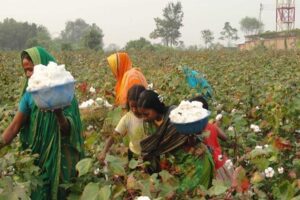
The Western Ghats districts of Tamil Nadu, the Nilgiris, Coimbatore, Tirupur, Salem, Namakkal, and Erode in the upper reaches and the Eastern Ghats belt stretching through Dharmapuri, Krishnagiri, Vellore, Tiruvannamalai, and Villupuram together form a vast and agriculturally complex terrain. These districts are home to smallholder tea and coffee growers, rain-fed dryland farmers, tribal subsistence cultivators, plantation workers, and vegetable growers in high-altitude agroecosystems. They are also among the most climate-exposed farming communities in the state.
The United States National Oceanic and Atmospheric Administration (NOAA) has confirmed an 82% probability of full El Niño formation by mid-2026, with some models projecting the Oceanic Niño Index crossing 3°C, a threshold reached only once before, in January 1878. The India Meteorological Department projects a southwest monsoon deficit of approximately 8% below the Long Period Average, with a 35% probability of a truly deficient season, more than double the historical norm.
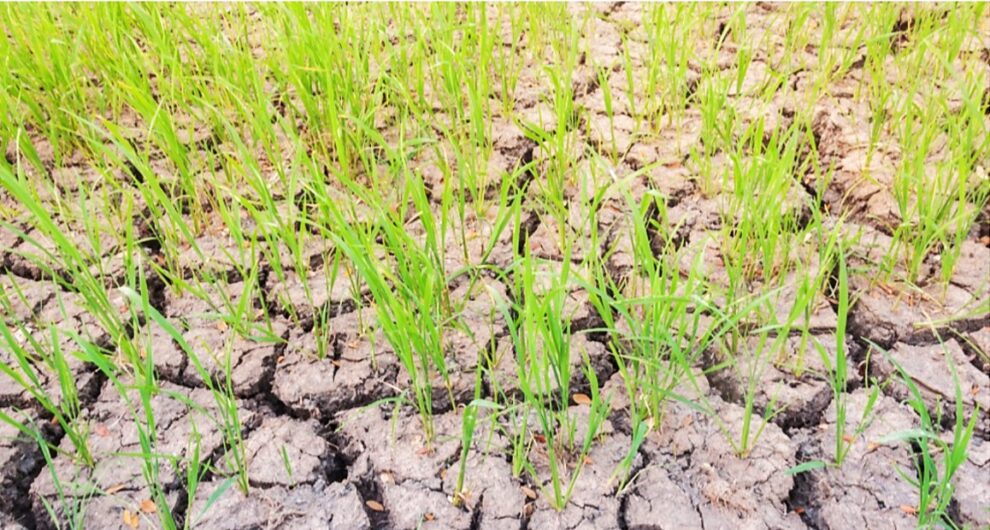
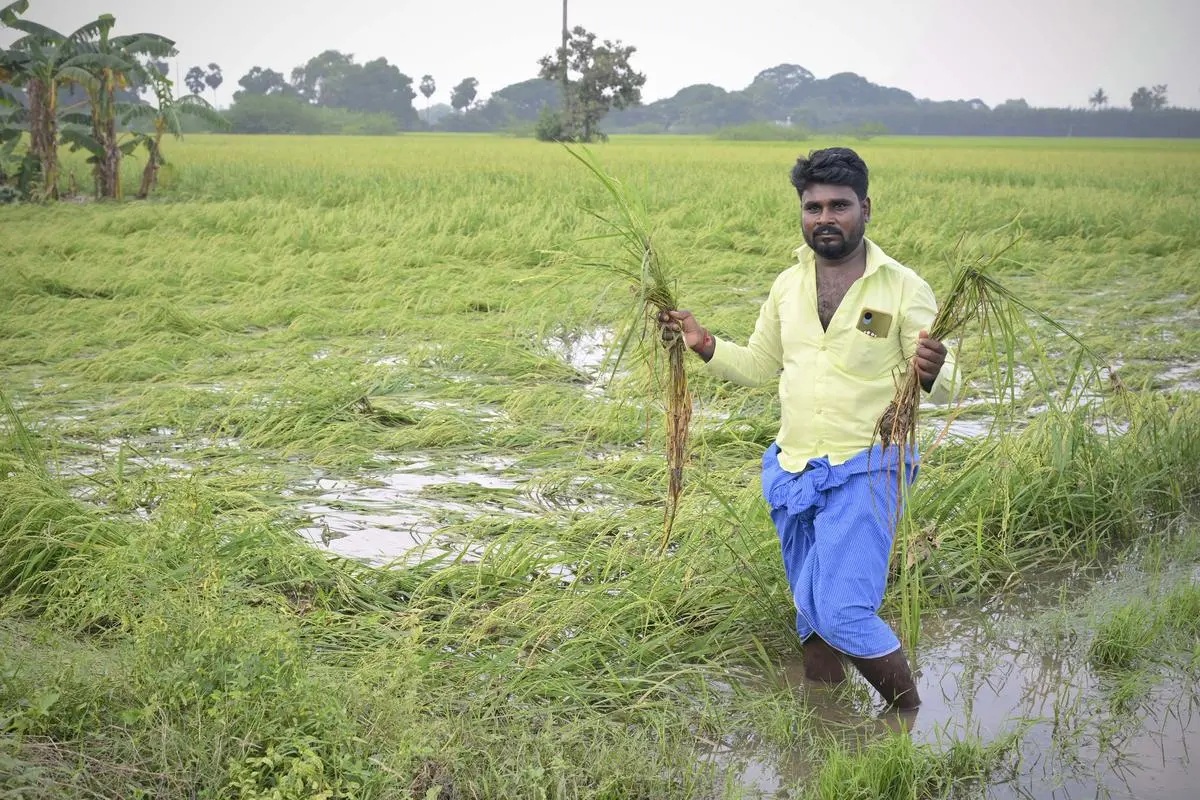
For the Ghats region, this dual rainfall structure, a weakened southwest monsoon (June–September) followed by potentially erratic and intense northeast monsoon rains (October–December), creates a compound risk profile. Drought during the main sowing window. Floods and landslides after the harvest window. Extension services historically struggle with single-hazard events; a sequential double-hazard event of this magnitude exposes the structural limits of our current systems.
THE EXTENSION GAP: WHAT CURRENT SYSTEMS ARE NOT DOING
Agricultural extension in the Ghats region has made genuine progress in recent years through KVKs, ATMA, and increasingly through digital platforms like Meghdoot and the mKisan SMS portal. Yet in the face of an event like El Niño 2026, three critical gaps remain.
Gap 1: Extension Is Still Predominantly Crop-Centric, Not Climate-Adaptive
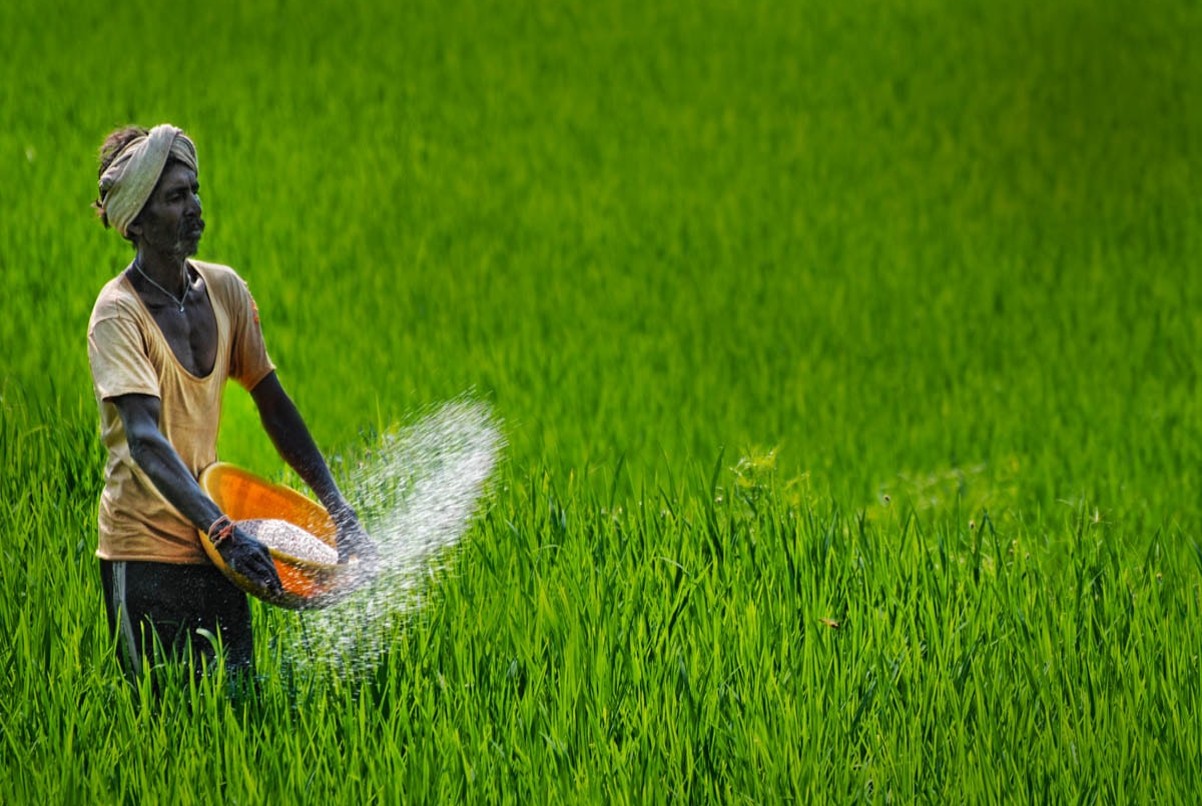
The overwhelming majority of extension messaging in Tamil Nadu continues to focus on variety selection, input application schedules, and yield improvement all calibrated to an assumed normal rainfall year. During El Niño, this messaging becomes not just irrelevant but actively harmful: a farmer who applies heavy doses of nitrogen fertiliser ahead of a forecast dry spell, or who sows a full-duration variety because extension advice has not changed, will face amplified losses.
Extension services in the Ghats region need to urgently integrate agromet intelligence into all advisory content. This means that every block-level Agricultural Officer, every KVK Scientist, and every farm school facilitator must be equipped to translate IMD’s weather outlooks into practical, season-specific guidance for farmers. The Science-to-Farm advisory chain is currently too long, too slow, and too generic.
Gap 2: Tribal and Marginal Farming Communities are Extension’s Last-Mile Failure
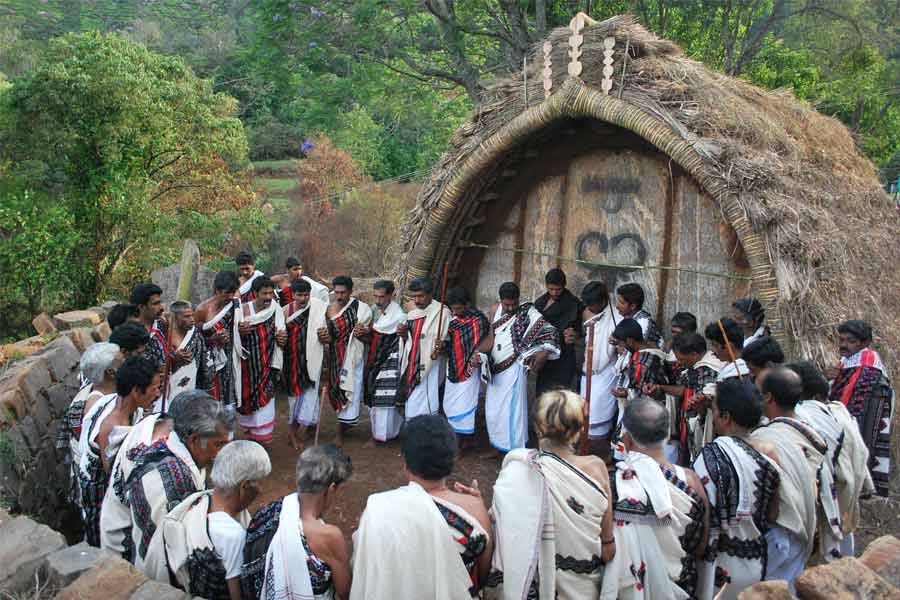
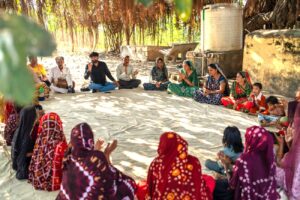
The tribal communities of the Nilgiris (Toda, Kota, Badaga, Kurumba, Irula), the Scheduled Tribe hamlets of the Eastern Ghats belt in Dharmapuri and Krishnagiri, and the dryland smallholder farmers of Namakkal and Salem form the most climate-vulnerable agricultural population in the region. They also receive the least timely, least culturally appropriate, and least practically usable extension support.
Research on Helopeltis-resistant tea management and climate adaptation impacts on tea cultivation has consistently documented that smallholder farmers especially those without formal market linkages or institutional credit suffer disproportionately during El Niño years. In the 2016 El Niño, Tamil Nadu experienced its worst drought in 140 years. The farming communities of the Ghats who survived did so primarily through informal mutual support networks, not through formal extension intervention.
This is an indictment of our system’s equity architecture. Extension must move from a broadcast model issuing advisories and expecting uptake to an embedded model, where extension workers are co-located with the most vulnerable communities, speak their languages, understand their agroecological calendars, and can activate support systems (seed kits, insurance, credit) on their behalf.
Gap 3: Extension Is Not Positioned as a Policy Actor During Climate Events
Across the Ghats region, KVKs and ATMA structures produce contingency crop plans, organise Farmers Field Schools, and generate agromet bulletins. But when a climate crisis strikes, extension is not in the room where decisions are made. District-level El Niño response frameworks if they exist at all are dominated by Revenue, Irrigation, and Civil Supplies Departments. Agricultural Extension is typically brought in after the fact to document losses or run relief distribution camps.
This must change. Extension agencies must be formally included in district-level climate preparedness committees. KVKs, given their scientific mandate and community trust, are uniquely positioned to serve as climate-intelligence hubs aggregating IMD data, farmer-level distress signals, and crop assessment information into real-time dashboards that inform government response. This role does not require new institutions; it requires political recognition of what extension can do when properly empowered.
WHAT NEEDS TO BE DONE: A POLICY AGENDA FOR EXTENSION IN THE GHATS
The following are not aspirational recommendations; they are the minimum necessary actions for extension systems serving the Ghats region to remain relevant and effective through El Niño 2026 and the ensuing climate instability.
- Mandate climate-adaptive extension content across all advisory channels. The Tamil Nadu Agriculture Department, in coordination with ICAR-KVKs and ATMA, must issue a state-wide directive before June 2026 that all farmer advisories during the kharif season incorporate block-level agromet forecasts. Variety recommendations, sowing schedules, and input guidance must carry conditional clauses, ‘if monsoon onset is delayed beyond June 15, substitute with shorter-duration varieties’ rather than fixed prescriptions.
- Institutionalise tribal extension coordinators in El Niño-vulnerable blocks. The Tribal Welfare Department and Agriculture Department must jointly appoint language-capable field extension coordinators in the high-vulnerability blocks of the Western Ghats (Gudalur, Pandalur, Sigur in the Nilgiris; Harur, Pennagaram in Dharmapuri; Hosur, Bargur in Krishnagiri) and Eastern Ghats (Javadhu Hills, Kalrayan Hills, Shervaroy Hills). These coordinators must be empowered to distribute contingency seed kits, facilitate crop insurance enrolment, and relay food-security distress signals to the district administration — not merely disseminate information.
- Fast-track contingency crop kit distribution using drought-tolerant millet and legume varieties before the sowing window closes. The Agriculture Department must pre-position seed kits containing short-duration ragi (finger millet), horsegram, cowpea, and sorghum for distribution to smallholder and tribal households across all Ghats-adjacent blocks by 5 July 2026. Indigenous seed varieties, particularly those maintained by tribal farmer communities, must be formally integrated into these kits rather than treated as marginal additions.
- Establish a Ghats Region El Niño Dashboard as a shared intelligence platform. Building on existing AWS installations and IMD block-level forecasts, KVKs in the Ghats region — coordinated through ICAR-ATARI, Hyderabad — should launch a unified, SMS-accessible dashboard that provides biweekly updates on rainfall percentiles, reservoir levels, and recommended farm interventions for each block. This is technically feasible now and institutionally achievable if ATARI is tasked with coordination.
- Include representatives of agricultural extension formally in district-level El Niño preparedness committees. This requires a Government Order directing District Collectors in Ghats districts to include the Senior Scientist, KVK and the District Extension Officer (ATMA) as permanent members of drought preparedness and response committees for 2026-2027.
LEARNING FROM WHAT HAS WORKED
The 2018 study on the 1877-78 Global Famine (Singh et al., Journal of Climate) demonstrates that the catastrophic losses of that era were not simply climate outcomes; they were governance failures, in which the absence of early warning, adaptive food distribution, and local institutional response converted a drought into a famine. We now have the science, the institutional infrastructure, and the extension networks to prevent history from repeating itself. What we lack is the policy architecture to connect them.
In the Nilgiris, KVK outreach programmes integrating watershed restoration, organic tea certification, and tribal seed conservation have demonstrated that extension, when embedded in community systems, can build genuine resilience. These models need to be scaled to the entire Ghats region, not as pilot programmes, but as the standard operating procedure for extension during climate-vulnerable seasons.
CONCLUSION: EXTENSION MUST RISE TO THE CLIMATE MOMENT
The farming communities of the Western and Eastern Ghats of Tamil Nadu, tribal cultivators, tea smallholders, dryland farmers, and mountain vegetable growers cannot afford an extension system that is calibrated for average years when they are living through exceptional ones. El Niño 2026 will test every link in the agricultural support chain.
Extension must be the first responder, not the last resort. That means climate-integrated advisories, embedded tribal extension coordinators, contingency seed systems, shared intelligence platforms, and a formal seat at the policy table. The window to act is now before the monsoon establishes, before the sowing opportunities close, and before communities that have waited for support are left to face the Ghats’ hardest season alone.
 Dr. P. Jaisridhar is an Assistant Professor and Subject Matter Specialist in Agricultural Extension working at the ICAR-Krishi Vigyan Kendra (KVK), Nilgiris, Tamil Nadu Agricultural University (TNAU). His research focuses on tribal and marginalised farming communities’ upliftment in the Nilgiris region, participatory rural appraisal methodology, digital agriculture extension, and climate-resilient farming systems. He has over 12 years of experience in TNAU and international & learning and working experience through Cornell University, IFPRI, IWMI, JICA, and the World Vegetable Centre. He can be reached at: jaisridhar@tnau.ac.in.
Add Comment