
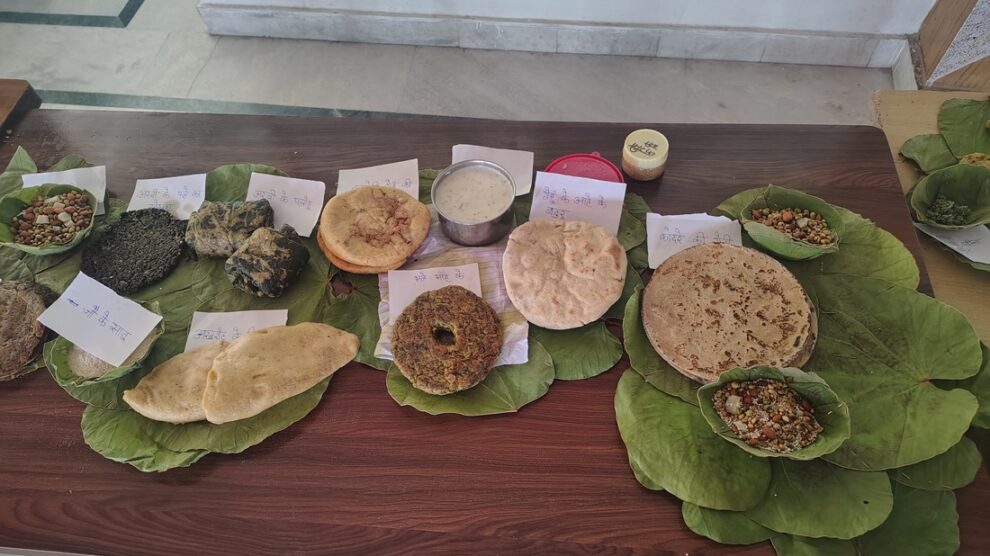
In this Good Practice Note, Jayata Kumar Padhiary, Subhadeep, Leelavati, Bhagya Laxmi and Salome Yesudas discuss their experiences with organising Local Cuisine Recipe Festivals and highlight the importance of such festivals in conserving agrobiodiversity.
CONTEXT
Recognising that conserving seeds requires sustaining the food cultures associated with them, WASSAN and the Revitalising Rainfed Agriculture (RRA) Network adopted a food systems approach to strengthen community-managed seed systems. The programme was founded on a simple yet strong idea: seeds survive only when they are cultivated, and farmers continue to cultivate them when communities value, prepare, and consume foods made from those crops. Reviving traditional foods, therefore, became an essential pathway for reviving traditional seed systems.
THE FESTIVAL
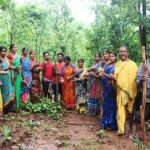
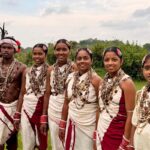
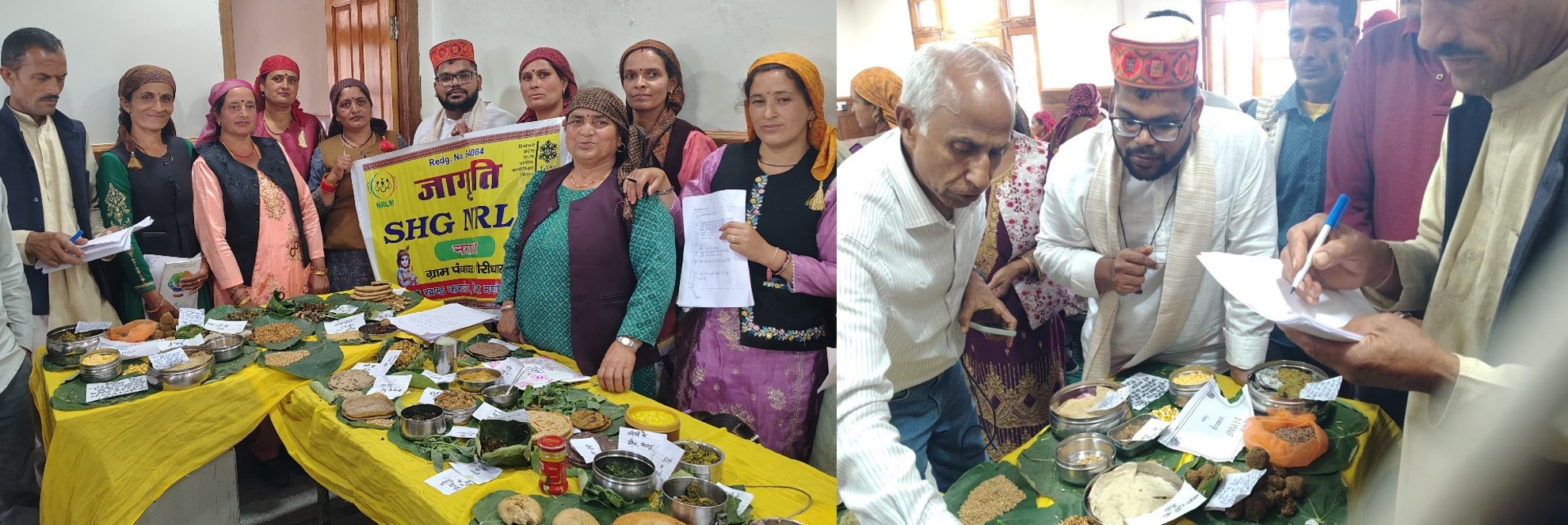
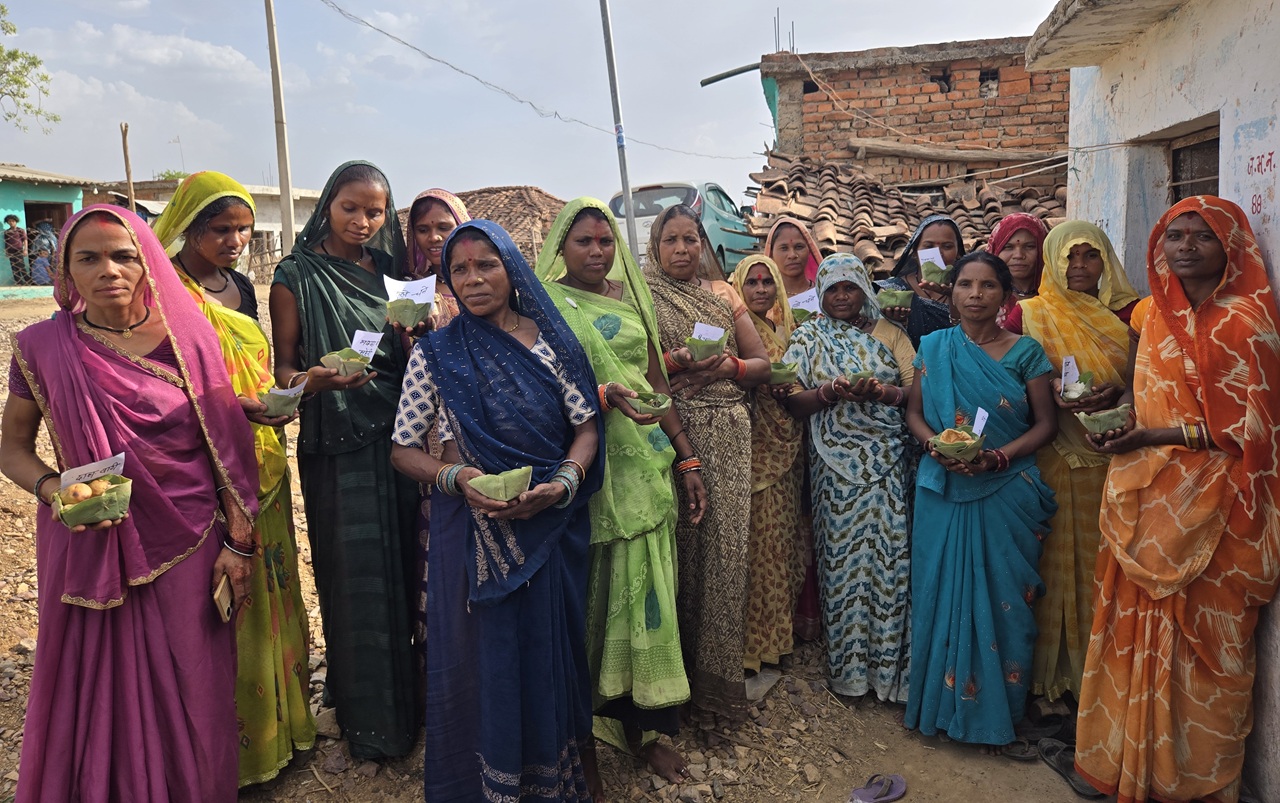
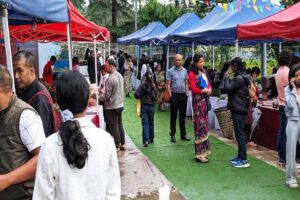
During 2026, seven festivals were organised across Odisha, Madhya Pradesh, and Himachal Pradesh in collaboration with local partner organisations (Table 1). Women, farmers, elders, and youth came together to prepare, display, document, and celebrate foods made from traditional crop varieties.
Table 1: Details of traditional seed and food festivals
| Sl. No. | Date of the event | Civil Society organisation name | State Name | District name | Village Name | Indigenous Tribe name |
| 1 | 24.06.2026 | NIRMAN | Odisha | Nayagarh | Jamusahi | Santal & Kandha |
| 2 | 26.05.2026 | People’s Science Institute | Madhya Pradesh | Panna | Umria | Gound |
| 3 | 27.05.2026 | Samarthan | Madhya Pradesh | Panna | Badi Devi | Gound |
| 4 | 29.05.2026 | Manav Jeevan Vikas Samithi (MJVS) | Madhya Pradesh | Damoh | Bheneni | Gound |
| 5 | 23.06.2026 | Karsog Natural Farmers Producer Company Limited | Himachal Pradesh | Mandi | Seri Bunglow | Dachan |
| 6 | 25.06.2026 | Society for Rural Development and Action (SRDA) | Himachal Pradesh | Mandi | Padhar | Chuharka & Gujjar |
| 7 | 04.07.2026 | Sacal Gajapati | Odisha | Gajapati | Dhepanaju | Santal & Kandha |
GOOD PRACTICES
Food as an Entry Point for Seed Conservation
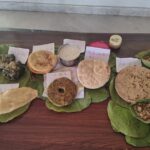
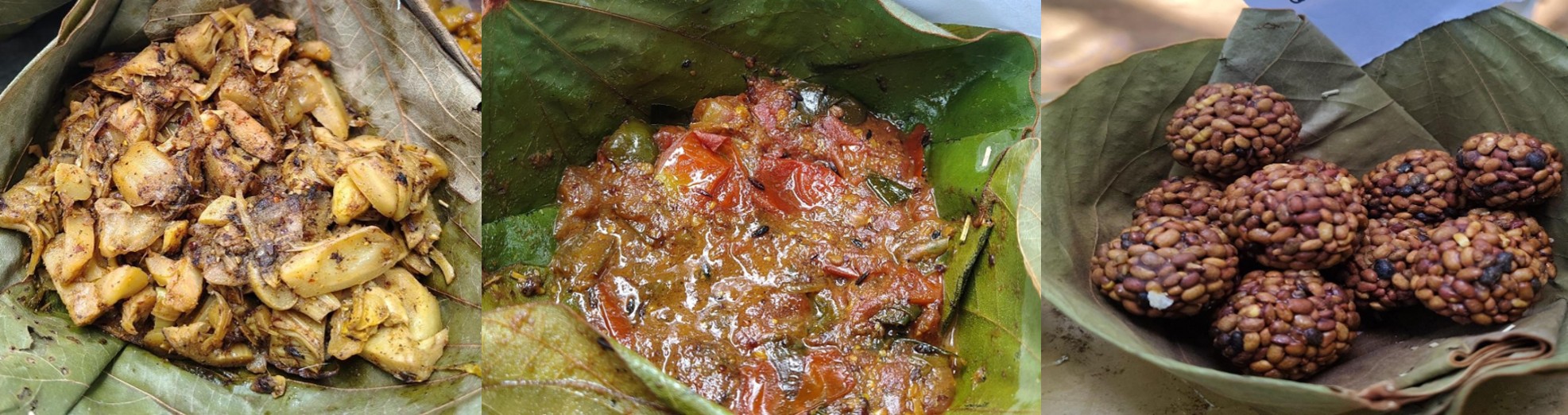
Participants prepared a wide range of dishes using locally grown cereals, millets, pulses, oilseeds, vegetables, leafy greens, forest foods, and indigenous spices. Each recipe was accompanied by information on its ingredients, preparation methods, cultural significance, seasonal relevance, nutritional benefits, and medicinal value. As participants shared and tasted these foods, discussions naturally extended to the traditional varieties from which they were prepared, their cultivation practices, and their importance in sustaining local livelihoods. This simple yet powerful approach helped communities recognise that conserving traditional crop varieties also means preserving culinary traditions, seasonal food practices, and cultural heritage.
The Traditional Seed and Food Festivals were designed as participatory learning platforms in which communities became both teachers and learners. Extension personnel from the same communities made it easy and created spaces where local knowledge could be shared through dialogue and demonstration. Extension personnel served primarily as facilitators, encouraging interaction and ensuring that indigenous knowledge remained at the heart of the learning process. This participatory approach strengthened community confidence, promoted mutual learning, and reinforced the value of local food traditions as an important component of agricultural biodiversity.
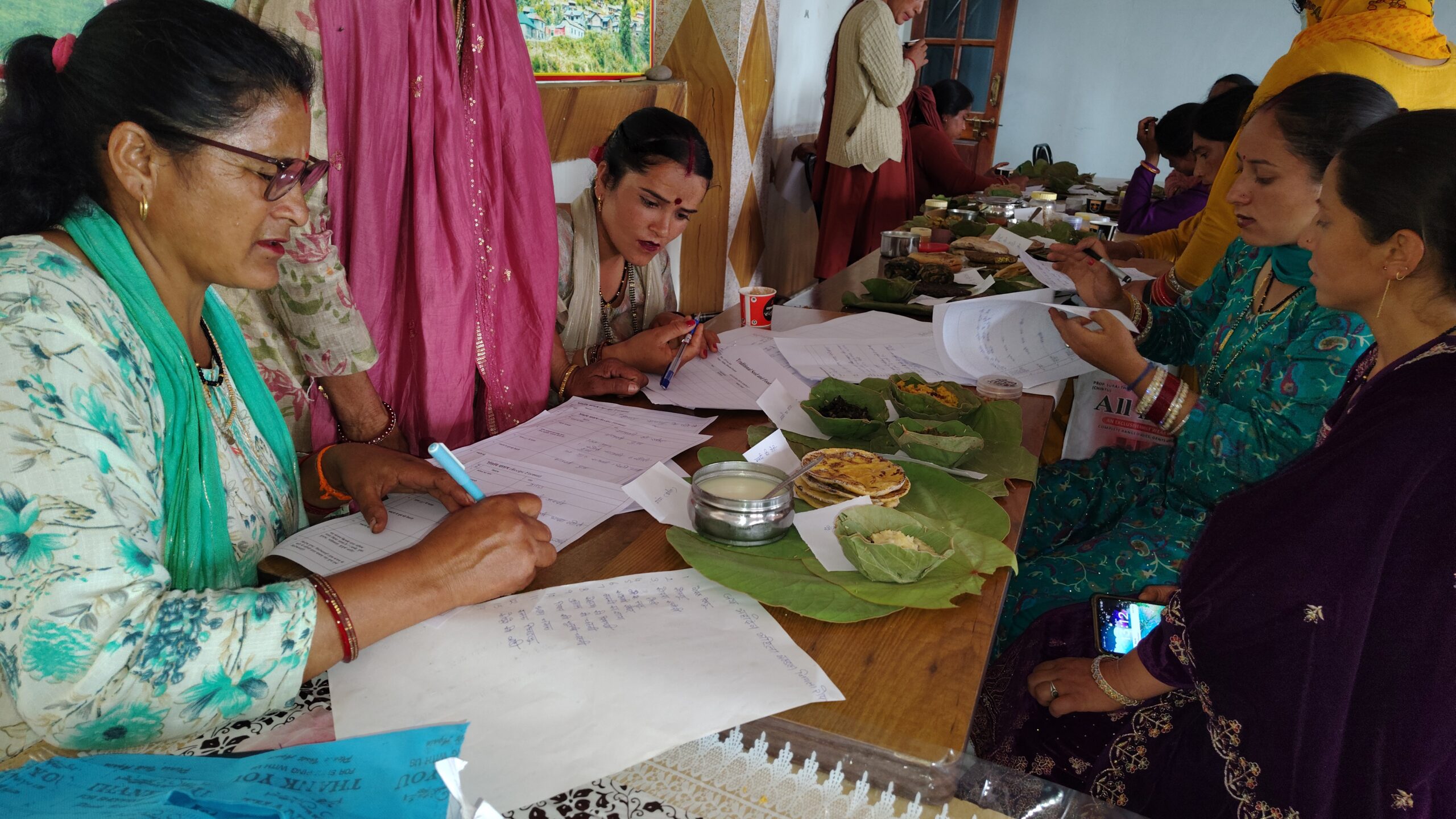
All participants were given equal opportunity to showcase their recipes, and all recipes were documented along with the additional notes they provided. Nobody was hurried, and the entire show ran at their pace.
Participatory Documentation to capture indigenous food knowledge
The festivals were preceded by participatory documentation exercises to capture indigenous food knowledge before it was lost. Community members worked together to identify cultivated crops, forest foods, seasonal dishes, festival foods, medicinal recipes, traditional processing methods, preservation techniques, and cooking practices passed down through generations. The documentation process not only recorded valuable knowledge but also reinforced community ownership by ensuring that the information reflected local experiences and remained with the communities themselves. The exercise highlighted that culinary traditions are integral to agricultural biodiversity. It demonstrated that farming communities are not merely cultivators of crops but also custodians of a rich body of ecological and cultural knowledge.
Promotion of intergenerational knowledge
Women played a central role throughout the initiative, reflecting their longstanding contributions to seed conservation, food preparation, postharvest processing, and household nutrition. Older women revived recipes that were rarely prepared today, while younger women learned these traditions through direct interaction and hands-on participation. By creating opportunities for intergenerational learning, the festivals helped safeguard valuable culinary knowledge while also recognising and celebrating the often-overlooked role of women in conserving traditional food systems and agricultural biodiversity.
Platform for blending indigenous knowledge and modern scientific knowledge
The Recipe Festivals also served as a mutual learning Platform for dialogue between indigenous knowledge systems and scientific expertise. Representatives from Krishi Vigyan Kendras (KVKs), Department of Agriculture, research institutions, Farmer Producer Organisations, civil society organisations, and nutrition experts were invited to these meetings, and their participation alongside community members helped everyone realise that traditional knowledge and scientific research are complementary rather than competing sources of learning.
Multi-stakeholder Collaboration
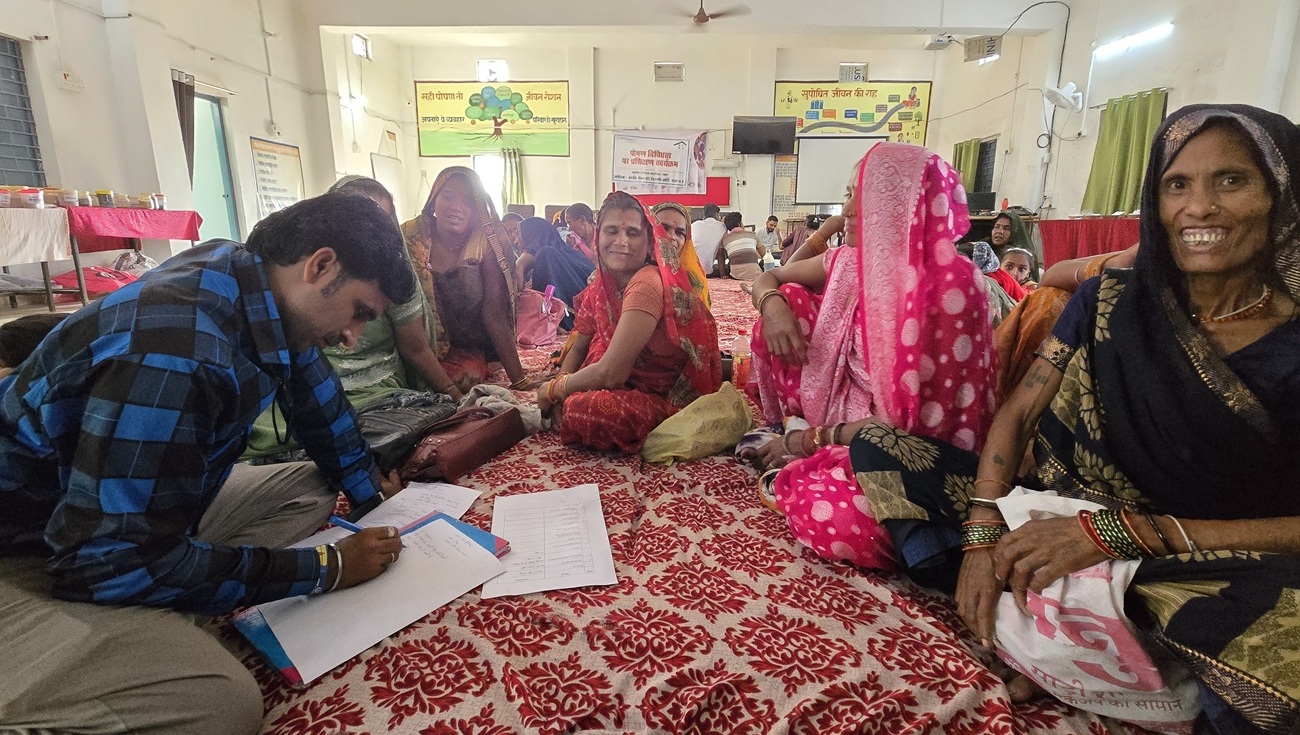
The success of the Traditional Seed and Food Festivals was made possible through strong collaboration among civil society organisations, community-based organisations, Farmer Producer Organisations, Research & Extension Institutions, and State & Central government departments.
As local civil society organisations have been working in the area for at least a decade, they have considerable goodwill among government departments and the community. Prior information and an invitation from the community ensured their active participation. The Krishi Vigyan Kendras (KVKs) agreed to take up such events whenever possible and also committed to conducting seed collection of local food crops and establishing demonstration plots with interested farmers. The Food Science and Community Science departments expressed interest in product development with enhanced shelf life.
The initiative demonstrated that revitalising traditional food systems requires coordinated action across multiple sectors, bringing together agriculture, nutrition, health, rural development, and biodiversity conservation to achieve lasting impact.
CHALLENGES
Fundraising: Generally, in proposals, community events are rarely mentioned, and funding is not allocated for them because measuring their impact is difficult. But at WASSAN, we linked them to the creation of consumer demand and allocated a small amount of funds. Similarly, across all programs and proposals, we have included community events as a learning tool.
Community mobilisation: All interested civil society organisations were informed and asked to share their plans for the event. WASSAN program officers were in constant touch to get things done on time, such as arranging cooking space with needful equipment and display tables, and mobilising people to document hundreds of recipes, organising logistics related to food and travel. The strong presence of civil society at the local level helped mobilise women to take part in large numbers.
Venue and Time: Deciding venue and timing is another critical issue. We gave women complete freedom, and they chose a venue that is easily accessible and has transport facilities. The women decided to hold the festival from 11 in the morning to 3 in the evening so they could bring prepared dishes and return early, before it got dark.
BENEFITS AND OUTCOMES
423 traditional recipes were documented from 328 women during seven food festivals organised in Odisha, Madhya Pradesh, and Himachal Pradesh. This has created a valuable repository of indigenous cuisine.
The festivals rekindled community interest in foods that had gradually disappeared from daily diets. People exchanged culinary knowledge, and younger generations gained exposure to traditional food practices that might otherwise have been lost.
Perhaps the most important outcome of the Recipe Festival approach was its ability to reconnect traditional foods with the seeds from which they originate. Every recipe became an opportunity to discuss the crop varieties used, their availability, seed sources, cultivation practices, taste, resilience, and nutritional qualities.
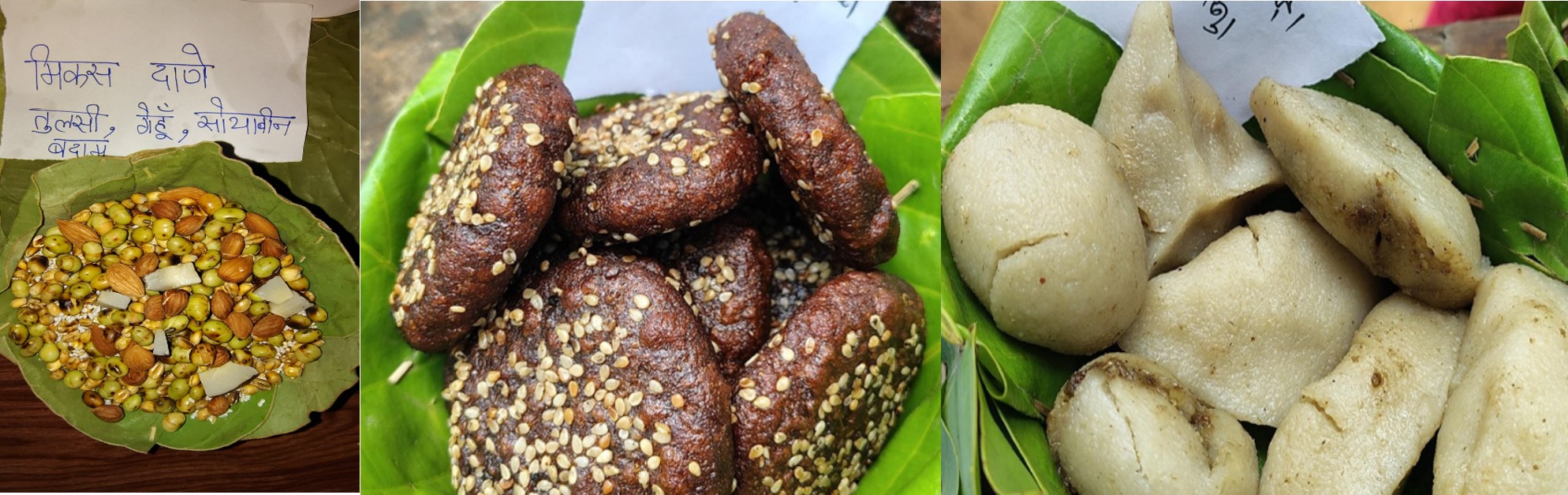
As communities revisited forgotten dishes, many realised that these recipes had disappeared because the traditional crop varieties required to prepare them were no longer widely cultivated. This realisation sparked discussions on strengthening Community Seed Banks, promoting decentralised seed production, and encouraging farmer-to-farmer seed exchange.
By increasing appreciation and demand for foods prepared from indigenous crops, the initiative created stronger incentives for farmers to cultivate traditional varieties once again.
These interactions strengthened appreciation for indigenous crops, encouraging communities to recognise their importance not only for cultural identity but also for nutrition, climate resilience, and sustainable livelihoods.
What Participants Said:
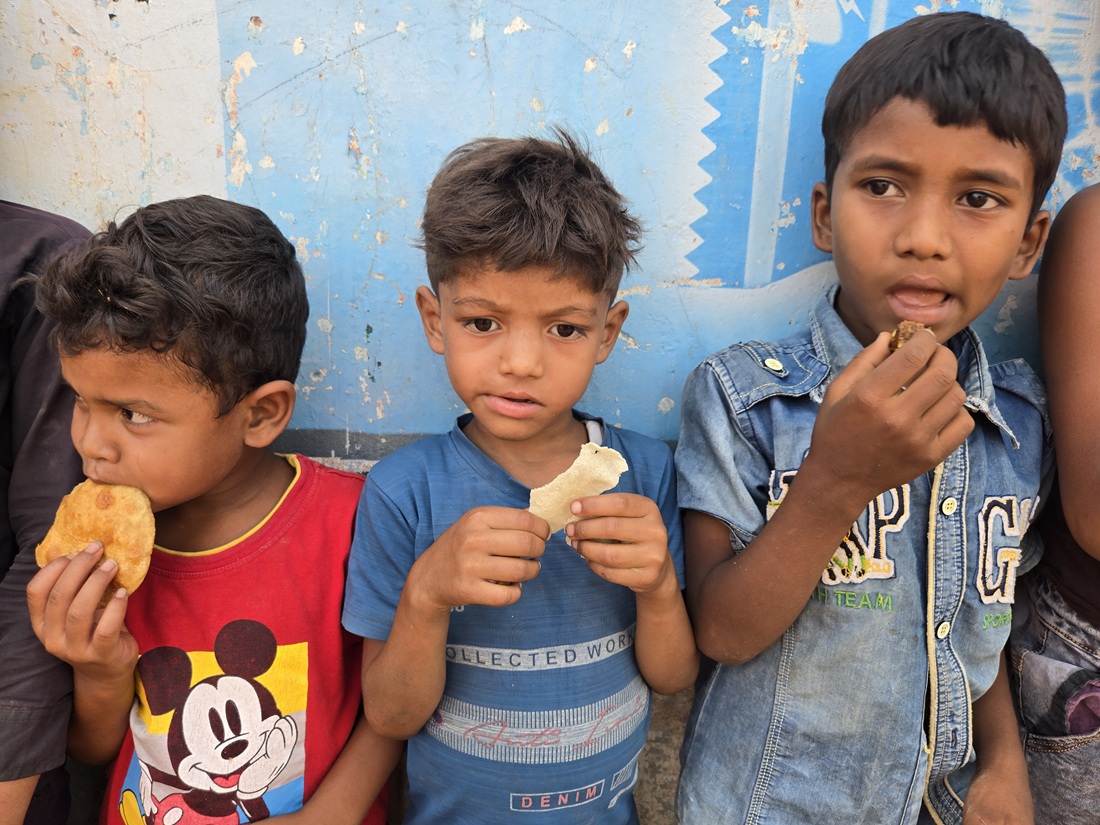
“We used to prefer fast foods like momos and other snacks. But after tasting Ragi Chai, Ragi Siddu, Ragi Momos, and the delicious Patrodu at the food festival, our perspective changed. We realised that traditional foods made from local crops are just as tasty and far more nutritious. Learning that Patrodu is prepared using leaves collected from nearby forests made us appreciate our local food traditions even more. We would love to include these healthy recipes in our diets and encourage other young people to try them too.” Anita, Raman, and Banita, College Students of Himachal Pradesh
“This programme allowed us to reconnect with and celebrate our traditional food culture. Preparing and sharing dishes made from indigenous crops brought us immense joy and reminded us of the food traditions passed down by our ancestors. It also allowed us to rediscover flavours that are becoming rare in our daily lives. I hope such programmes are organised regularly so that our traditional foods, recipes, and culinary heritage continue to be preserved and passed on to future generations.” Sulochana Gond, Jabera, Damoh, Madhya Pradesh
“Traditional dishes such as Suan Bhata, Kangu Bhata, Ajnha Bhata, and many others have been part of our lives for generations. These foods are precious to us because they are nutritious and healthy, and they are prepared from the traditional crops we grow ourselves—we have never depended on buying them from outside. The Seed and Food Festival reminded me of the value of our traditional seeds and recipes, and I hope such festivals are organised in many more places so that our food heritage is revived and passed on to the younger generation”. Mangi Maa, Mohana, Gajapati, Odisha
SUSTAINABILITY AND SCALING UP
These Festivals should be repeated in each season to sustain the enthusiasm and to capture seasonal delicacies. Since these are local events, any program related to agriculture and culture should include food festivals. The KVKs can organise such food festivals alongside field days and Kisan Melas.
These festivals also offer opportunities for food businesses, as many of the recipes on display had great scope for fine-tuning to suit children. Enhancing taste, texture, colour, and, importantly, shelf life can create small-business opportunities. Local FPO s can be connected for procuring traditional varieties of food grains, thus providing marketing to producers and consumers. Others who visited these festivals expressed interest in hosting them in their villages.
Recipe Festivals can play a key role in recognising nationwide local food crop varieties through the RRA network. FPOs can play a key role in connecting farmers and consumers, thus creating a market opening for local food crops.
Connecting with ICDS and other Public Food systems, such as Mid-Day Meal and Residential schools, and traditional food suppliers can create local-level business opportunities for SHGs and FPOs.
LESSONS LEARNED
The experience of organising Community-led Traditional Seed and Food Festivals reaffirmed an important principle: conserving seeds alone is not enough to sustain agricultural biodiversity. Connecting consumers to a variety of cuisines using traditional crop varieties will ensure the continuity of their cultivation.
The initiative reinforced our belief in women sustaining traditional food systems. Their knowledge of seed selection, food preparation, preservation techniques, and household nutrition makes them central to any strategy to conserve indigenous crops and associated food traditions.
The Recipe Festivals facilitated a platform where knowledge could be shared, celebrated, and transmitted across generations, giving equal opportunity rather than a one-sided technical intervention.
CONCLUSION
The initiative demonstrated that strengthening traditional seed systems requires a holistic approach that connects agriculture with nutrition, biodiversity, culture, and livelihoods. By reconnecting communities with foods prepared from indigenous crop varieties, the programme stimulated renewed interest in cultivating those varieties, creating a positive cycle in which increased food demand encourages cultivation, and continued cultivation supports the conservation of agricultural biodiversity. In doing so, they are conserving not only seeds but also the knowledge, traditions, and resilience these seeds embody—ensuring that this rich agricultural heritage continues to nourish people and landscapes for generations to come.
 Jayata Kumar Padhiary holds an M. Sc. in Seed Science and Technology. Works with WASSAN as Program Officer, Seed System. He can be reached at jayantakumar@wassan.org
 Subhadeep holds an M.Sc. in Agronomy and works with WASSAN as Program Officer, Seed System. He can be reached at shubhadeep@wassan.org
 Leelavati holds an M.Sc. in Seed Science and Technology. Works with WASSAN as Program Officer, Seed System. She can be reached at leelavathi@wassan.org
 Bhagya Laxmi is Associate Director at WASSAN. She can be reached at bhagya1@wassan.org
 Salome Yesudas is associated with WASSAN as an advisor and can be contacted at salomeyesudas@hotmail.com
Add Comment