
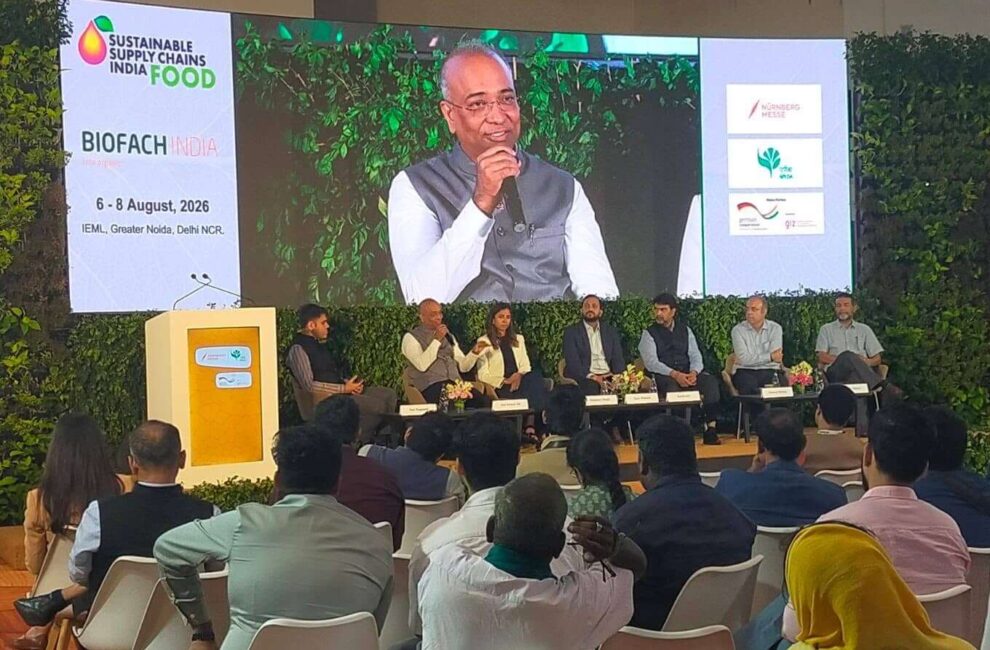
Mahesh Chander attended the 18th edition of BIOFACH INDIA 2026 at the India Expo Centre & Mart in Greater Noida, Delhi-NCR, held from August 6–8, 2026. He shares his views on why Agricultural Extension professionals need to attend such events.
CONTEXT
Every year, thousands of farmers look to agricultural extension professionals for answers to some fundamental questions: Which technologies are worth adopting? Which markets are growing? What do consumers want? How can farming become more sustainable and profitable? Finding these answers requires us to move beyond classrooms, laboratories, and conference halls. We need to engage with the people who are shaping the future of agriculture. For me, BIOFACH INDIA has become one of those essential learning destinations.
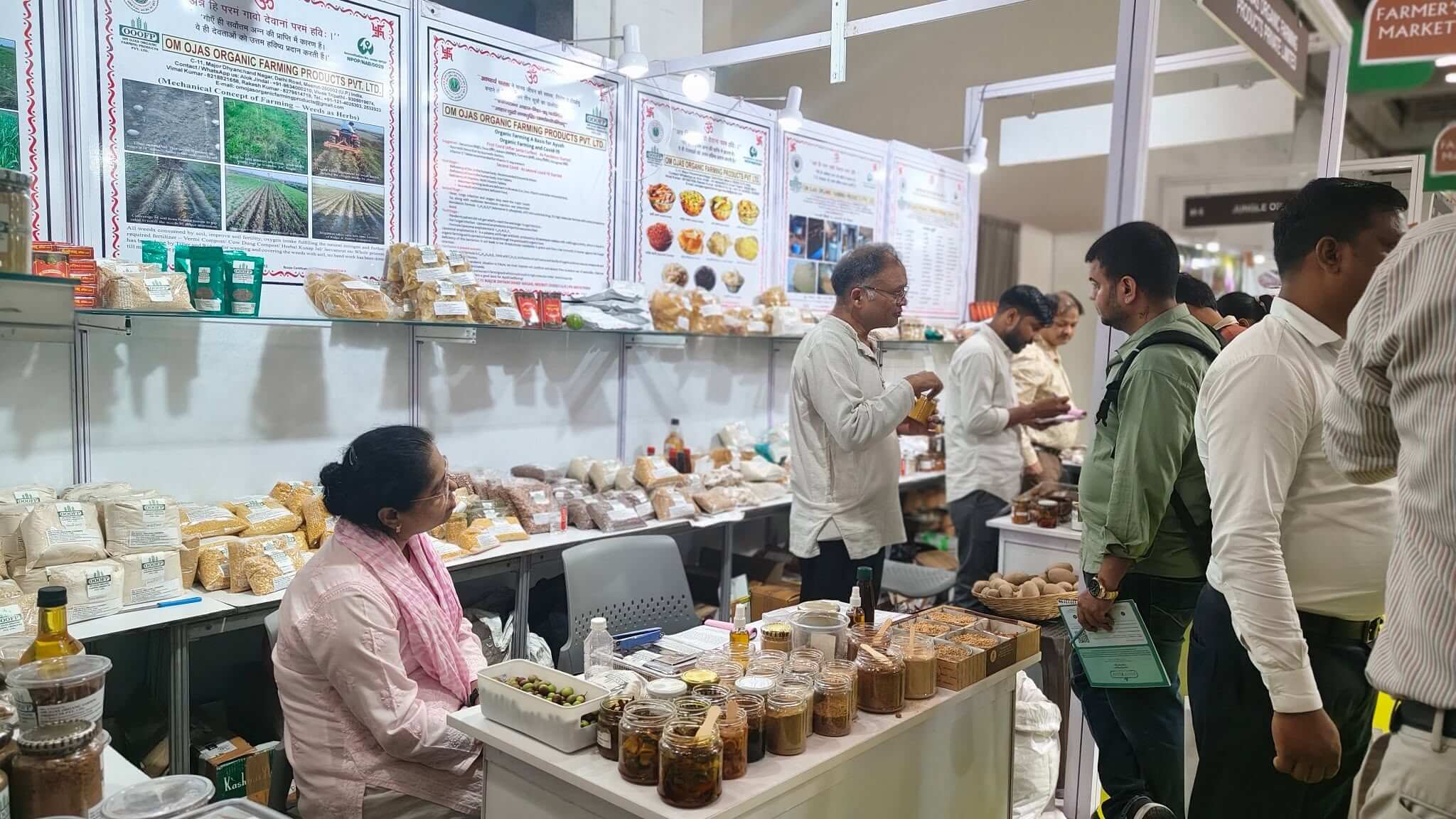
BIOFACH INDIA is India’s leading trade fair for the organic, natural, and millets sectors, bringing together hundreds of exhibitors, experts, buyers, policymakers, researchers, startups, certification agencies, and farmer organisations under one roof. I have been attending BIOFACH INDIA for several years, and each visit reinforces my belief that every agricultural extension professional should experience this event at least once. It is much more than an exhibition—it is a living classroom where science, business, policy, certification, innovation, and farmer entrepreneurship converge.
For those of us in agricultural extension, learning should never stop. Every interaction with farmers reminds me that agriculture is changing faster than ever. New technologies emerge, consumer preferences evolve, markets shift, and policies adapt. If extension professionals are to remain relevant, we must continuously update ourselves. That is precisely why I have made it a point to attend BIOFACH INDIA every year for the last several years.
EXTENSION BEGINS WITH LEARNING
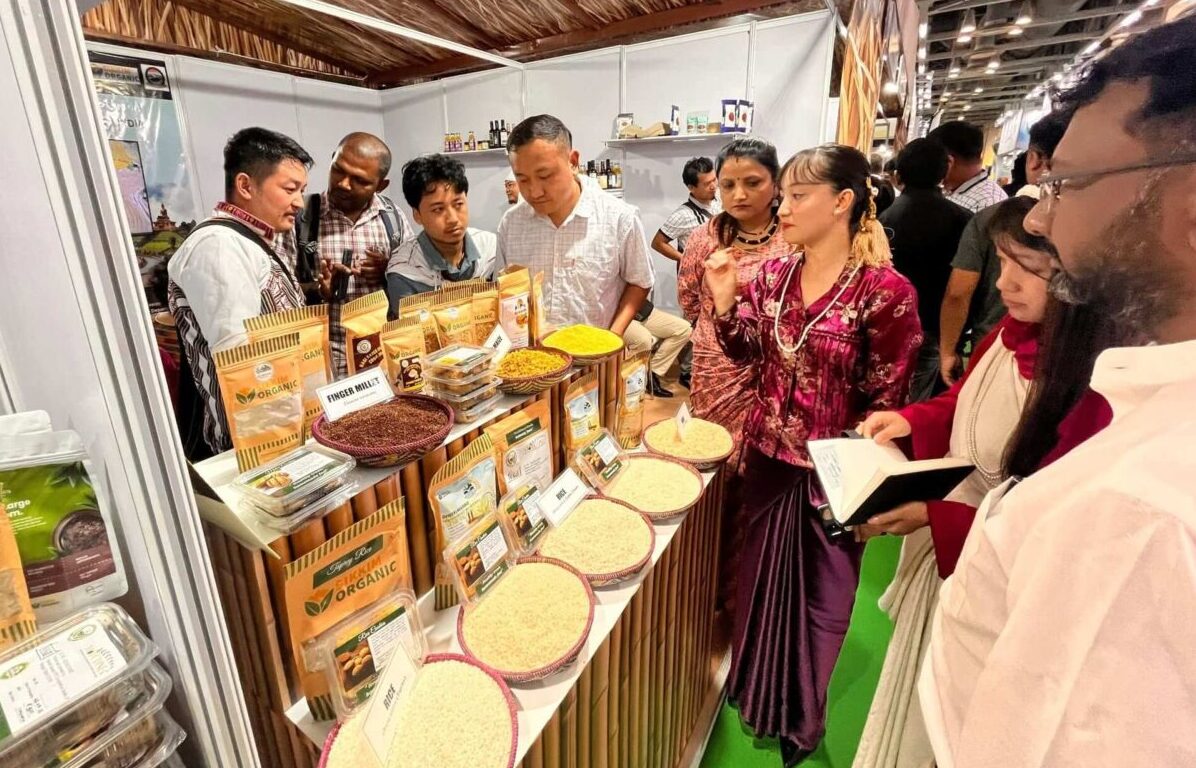
Agricultural extension is fundamentally about facilitating change. Yet, we cannot effectively guide farmers if our own knowledge remains static. Organic agriculture is evolving rapidly. New certification systems, bio-inputs, climate-smart technologies, value chains, digital marketing platforms, export opportunities, and consumer expectations are emerging every year. Reading journals helps, but seeing innovations firsthand and interacting with the people behind them provides a much deeper understanding.
Agricultural extension professionals are expected to provide timely and reliable information to farmers. That responsibility demands continuous learning. Walking through the exhibition halls often reveals solutions that never appear in academic publications—innovative farm tools, biological pest management products, organic livestock inputs, digital traceability systems, farmer-led enterprises, and successful business models that can inspire extension programmes.
A NETWORKING OPPORTUNITY LIKE NO OTHER: NETWORKING THAT MATTERS
Perhaps the greatest strength of BIOFACH INDIA is the diversity of people it brings together. In a single day, one can interact with:
- Organic farmers and farmer producer organisations
- Researchers and scientists
- Government agencies
- Certification bodies
- Startups and agri-entrepreneurs
- Exporters and retailers
- NGOs working in sustainable agriculture
- International experts
These conversations often generate new ideas, collaborative research opportunities, training programmes, student internships, and extension projects that continue long after the exhibition concludes. Many of my own professional interactions and collaborations have their origins in conversations that began during BIOFACH INDIA. Every year, I reconnect with colleagues not only from agricultural universities and ICAR institutes, but also from certification bodies, NGOs, startups, and farmer organisations. Just as importantly, I meet new people working passionately in different parts of the organic ecosystem. Perhaps the greatest benefit I derive from BIOFACH INDIA is networking.
MORE THAN AN EXHIBITION
Many people think of BIOFACH INDIA as just a trade fair showcasing organic products. It certainly is that—but to me, it is much more. It is a vibrant meeting place where farmers, scientists, entrepreneurs, certification agencies, policymakers, development organisations, exporters, retailers, students, and consumers come together. As an extension professional, I need to be exactly where I am. No classroom or journal article can substitute for the opportunity to engage directly with people who are shaping the future of organic agriculture.
UNDERSTANDING MARKETS, NOT JUST PRODUCTION
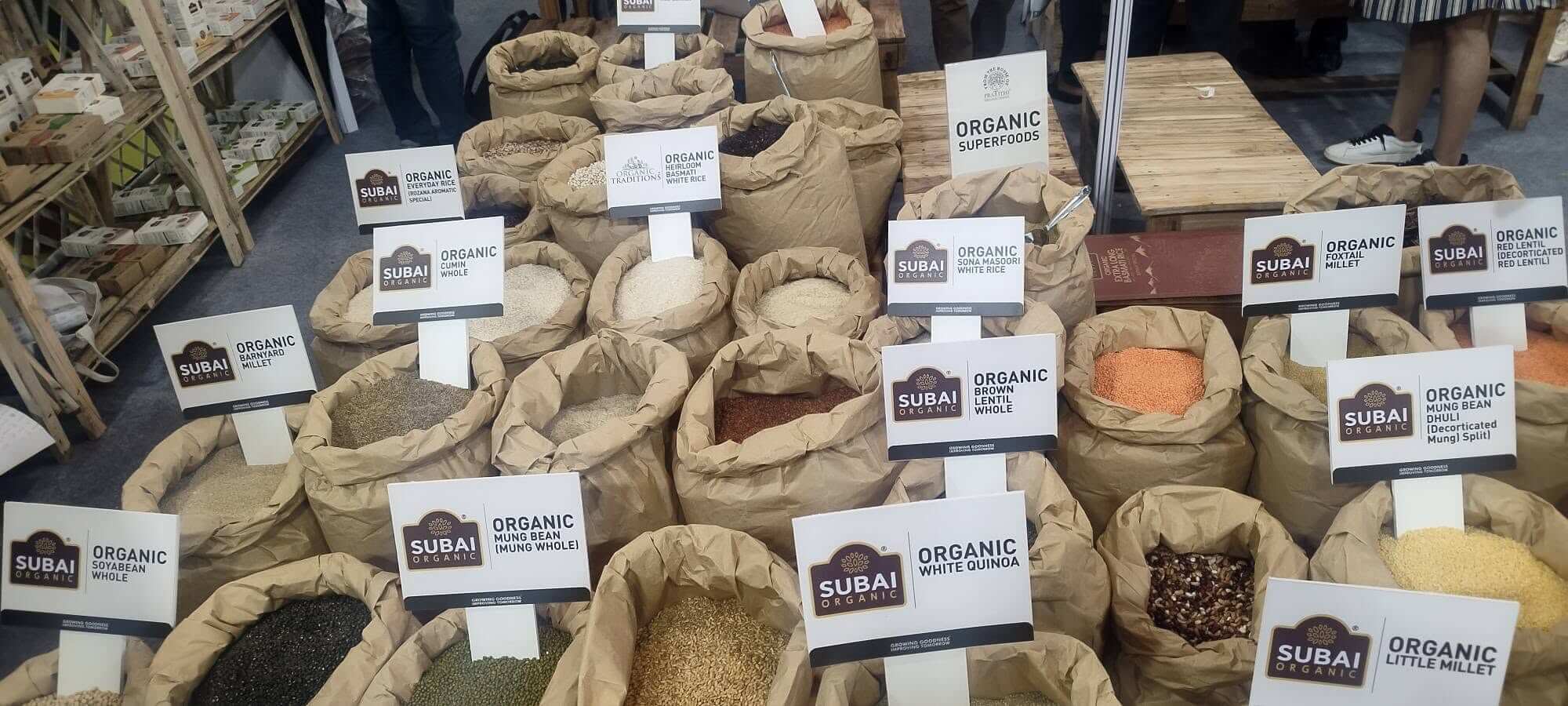
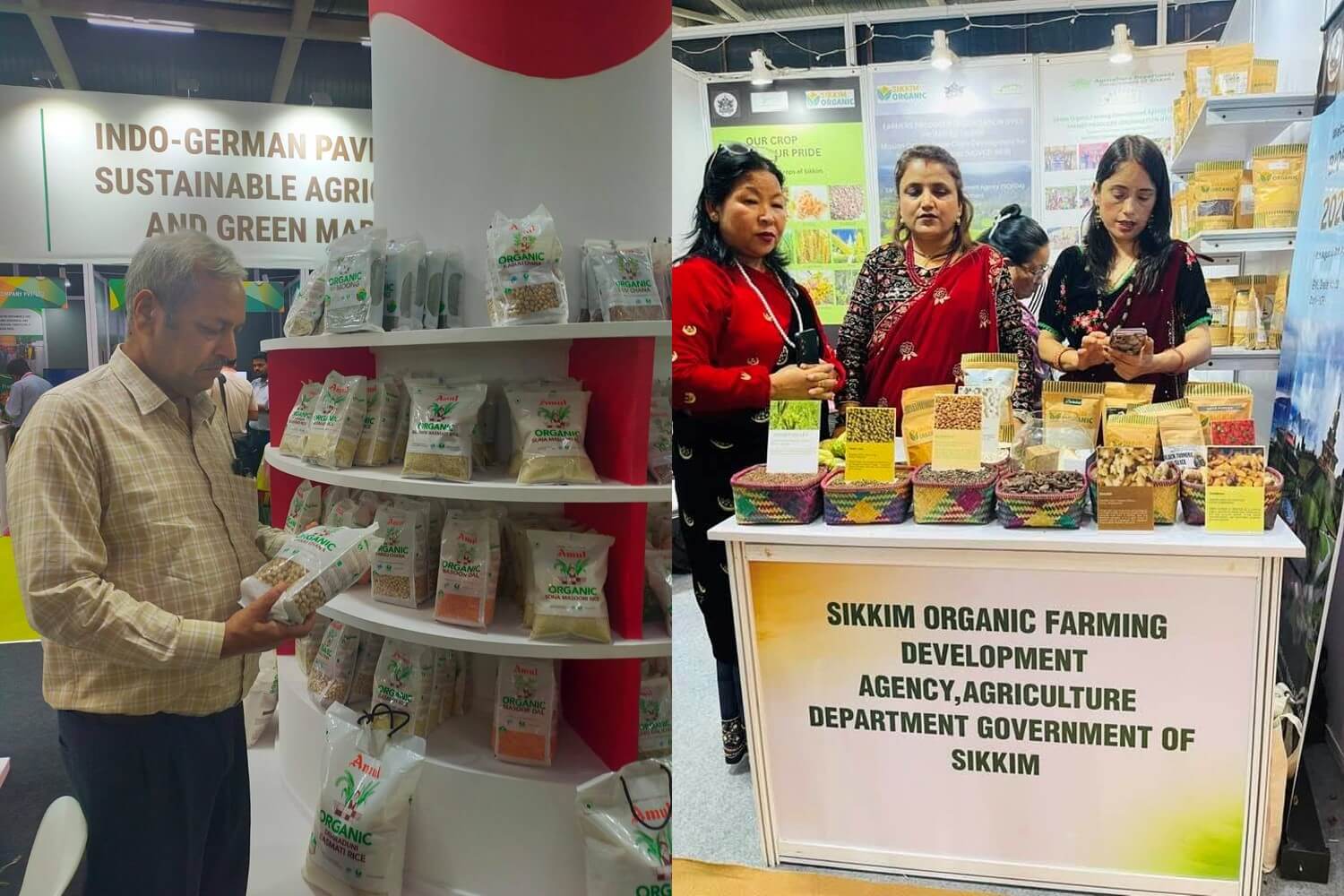
Traditional extension has largely focused on increasing production. Today’s extension professional must also understand markets. At BIOFACH INDIA, one gets a direct glimpse of what consumers are demanding:
- Organic cereals and pulses
- Millets
- Organic spices
- Value-added foods
- Functional foods
- Organic dairy products
- Natural health products
- Sustainable packaging
- Export-quality produce
Observing these trends helps extension professionals advise farmers not only on how to produce, but also what to produce and where the opportunities lie.
BRIDGING RESEARCH AND PRACTICE
Researchers often wonder whether their innovations will reach farmers. BIOFACH INDIA demonstrates how ideas travel from laboratories to commercial reality. One can observe successful examples of technology commercialisation, interact with companies developing bio-inputs, understand regulatory requirements, and appreciate how research is translated into products that farmers can actually use. For extension professionals, this bridge between science and practice is invaluable.
LEARNING BEYOND THE EXHIBITION STALLS
The conference sessions were equally rewarding. Experts discussed emerging issues such as:
- Organic certification
- Export regulations
- Climate-resilient agriculture
- Sustainable value chains
- Soil health
- Natural farming
- Consumer behaviour
- Digital marketing
- Global organic market trends
These discussions provide insights that are directly relevant for teaching, research, policy advocacy, and extension programming. Also, at BIOFACH INDIA, I get to see the latest developments in:
- organic crop and livestock production,
- bio-inputs and biological pest management,
- certification systems,
- value addition and processing,
- digital traceability,
- sustainable packaging,
- organic marketing,
- export opportunities, and
- policy initiatives.
Many of these innovations have not yet found their way into textbooks. Seeing them firsthand enables me to understand their practical relevance before recommending them to farmers, students, or fellow professionals.
A SOURCE OF FRESH IDEAS FOR TEACHING
As teachers, we constantly seek current examples for our classrooms. Every visit to BIOFACH INDIA provides numerous case studies, photographs, success stories, products, and real-life examples that enrich lectures and make learning more engaging for students. Students appreciate practical examples far more than textbook descriptions.
A WINDOW INTO EMERGING MARKETS
Extension education today cannot remain confined to production technologies alone. Farmers increasingly ask about markets, branding, certification, premium prices, exports, and consumer preferences. BIOFACH INDIA offers valuable insights into all these dimensions. Walking through the exhibition, I often ask myself, “Can our farmers produce this? Can our extension system help them reach such markets? What skills do they need?” These questions frequently inspire new ideas for research, teaching, and extension programmes.
LEARNING DIRECTLY FROM FARMERS AND ENTREPRENEURS
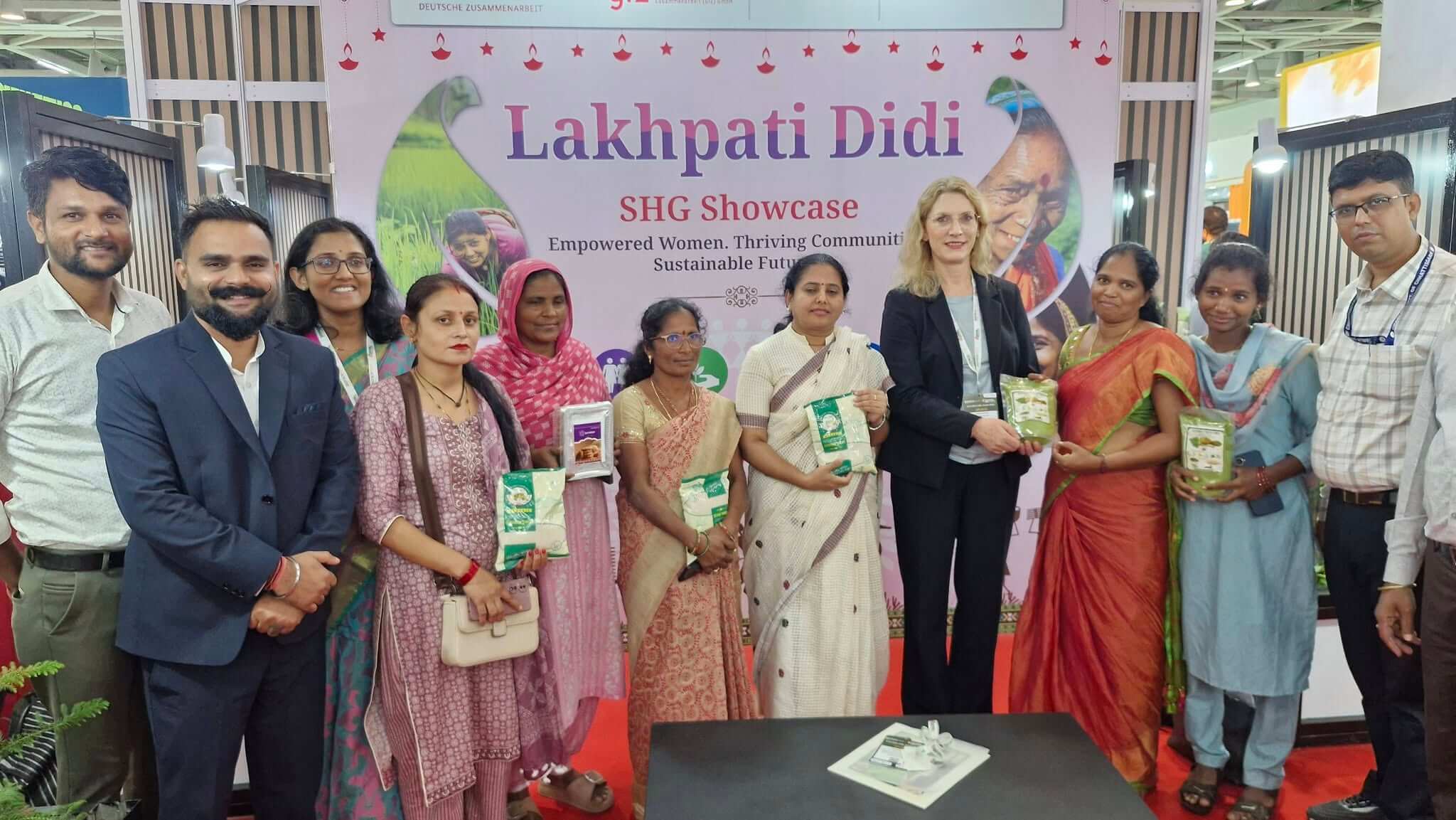
One of the most rewarding aspects of attending BIOFACH INDIA is listening to farmers and entrepreneurs share their experiences. Researchers often speak about technologies. Farmers speak about realities. Their stories reveal what works, what does not, the challenges they face in certification and marketing, and the innovations they develop on their own farms. These conversations enrich my understanding far beyond what statistics and reports can offer.
INSPIRATION FOR YOUNG PROFESSIONALS
For postgraduate students and young extension professionals, BIOFACH INDIA is an eye-opener. They discover that agriculture today is not limited to production. It encompasses entrepreneurship, branding, certification, exports, digital platforms, value addition, sustainability, and innovation. Such exposure broadens career aspirations and encourages interdisciplinary thinking.
For postgraduate students and young extension professionals, BIOFACH INDIA is an eye-opener. They will discover that agriculture today is not limited to production. It encompasses entrepreneurship, branding, certification, exports, digital platforms, value addition, sustainability, and innovation. Such exposure broadens career aspirations and encourages interdisciplinary thinking.
MY PERSONAL TAKEAWAY
I continue to attend BIOFACH INDIA every year because I return with something new each time—fresh knowledge, new professional contacts, emerging research ideas, and a better understanding of where organic agriculture is heading. Some of the most valuable lessons come not from formal presentations but from informal conversations over a cup of tea with farmers, entrepreneurs, certification experts, or fellow researchers. These interactions continually refresh my perspective as an extension professional. Every year I return from BIOFACH INDIA carrying much more than brochures. I return with fresh ideas for classroom discussions, examples for training programmes, contacts for future collaborations, inspiration for research, and a better appreciation of the rapidly evolving organic sector. Many of the examples I use when teaching postgraduate students or interacting with extension professionals come from observations and conversations during these visits.
WHY EVERY EXTENSION PROFESSIONAL SHOULD ATTEND
Agricultural extension has traditionally focused on transferring technologies from laboratories to farmers. Today, our role is much broader. We are expected to connect farmers with markets, policies, certification systems, digital platforms, financial services, climate-smart practices, and entrepreneurial opportunities. Events like BIOFACH INDIA help us understand this larger ecosystem.
For young scientists, postgraduate students, KVK professionals, extension officers, teachers, and researchers, attending BIOFACH INDIA can be an enriching professional experience. It offers exposure that complements formal education and broadens one’s perspective on sustainable agriculture.
FINAL THOUGHTS
Agricultural extension has always been about connecting knowledge with practice. In today’s rapidly changing agricultural landscape, extension professionals must also connect with markets, innovators, policymakers, entrepreneurs, and consumers. BIOFACH INDIA offers exactly that opportunity. If we expect farmers to embrace lifelong learning, extension professionals must lead by example. Attending events like BIOFACH INDIA is not merely professional development—it is an investment in becoming a more effective communicator, facilitator, educator, and catalyst for sustainable agricultural transformation.
If you are an agricultural extension professional, researcher, teacher, student, policymaker, or development practitioner with an interest in sustainable agriculture, I encourage you to make BIOFACH INDIA or similar events part of your annual learning calendar.
People often ask me, “What makes you return to the same event every year?” My answer is simple: every edition offers something new to learn!
After attending BIOFACH INDIA year after year, one lesson has become increasingly clear to me: extension professionals must be lifelong learners. The credibility of an extension worker does not come merely from academic qualifications but from staying informed, remaining connected with stakeholders, and understanding emerging trends before they become mainstream. BIOFACH INDIA has helped me do exactly that.
While attending the 18th edition this year, I discovered innovations in organic agriculture, met old friends, made new connections, and returned with ideas that can contribute, however small, to strengthening agricultural extension and promoting sustainable agriculture in India and beyond!
 Dr Mahesh Chander served as an ICAR-ARS scientist for over 35 years and recently retired as Principal Scientist (Agricultural Extension) from the ICAR-Indian Veterinary Research Institute (ICAR-IVRI), Izatnagar, Uttar Pradesh, India. He served as Head of the Division of Extension Education at ICAR-IVRI for nearly 17 years and also served as In-charge Joint Director (Extension Education) at the Institute for over six years. He has been associated with several national and international organisations working in the field of organic agriculture. He can be contacted at drmahesh.chander@gmail.com.
Very Nice, Fruitful information. Thanks Sir
sir, it is very nicely written and informative blog. It provides valuable guidance not only to extension professionals engaged in extension research, teaching, and field-level extension work, but also to students of agricultural extension. Such initiatives and exhibitions provide excellent opportunities for experiential and self-learning. Extension professionals and students should be encouraged to visit such events to keep themselves updated on the latest agricultural technologies, innovations, market opportunities, digital platforms, and emerging approaches in agricultural extension. Exposure to such platforms can broaden their knowledge, strengthen their understanding of the changing agricultural landscape, and help them effectively connect farmers with relevant technologies and market opportunities.