


In this meeting note, Manjinder shares his insights gained from the 10-day Research Methodology Course at Central University of Punjab.
CONTEXT
Capacity building in research methodology is fundamental to enhancing the quality, rigour, and relevance of social science research, particularly in fields like agricultural extension education that directly engage with rural development challenges. Strong methodological competencies enable researchers to generate reliable, evidence-based insights that can meaningfully inform policy decisions and improve field-level interventions.
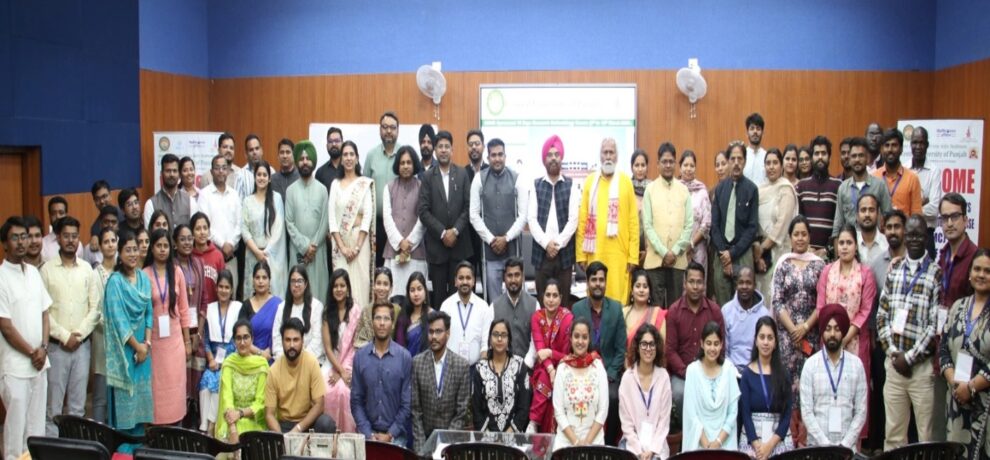
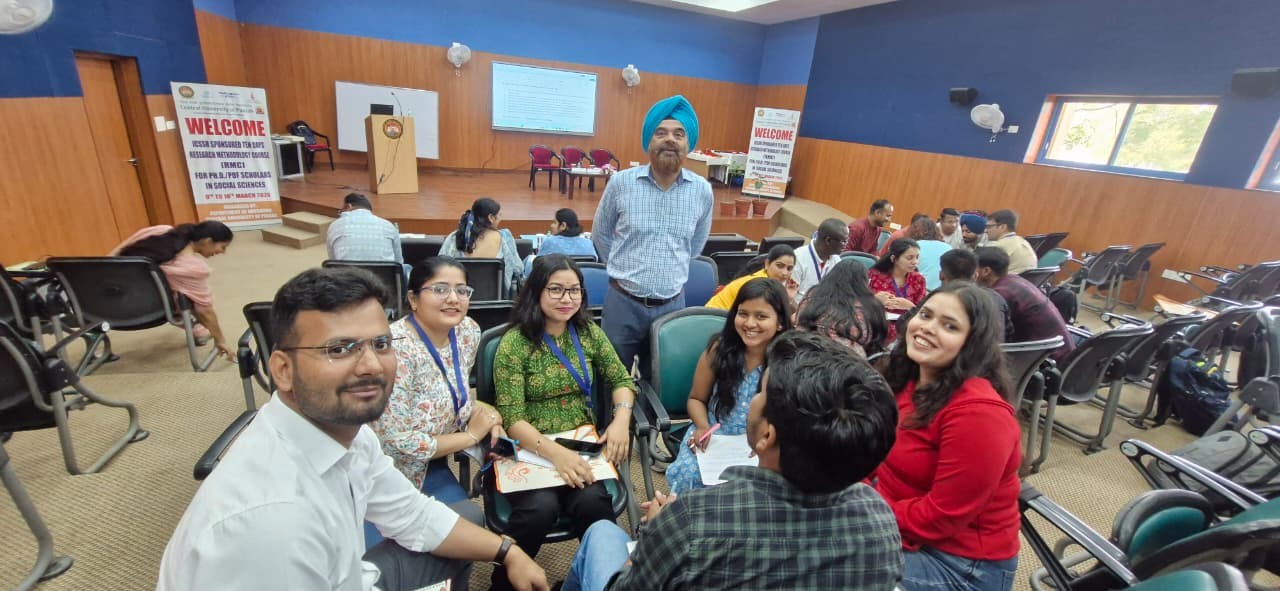
In this context, I had the opportunity to participate in a 10-day ICSSR-sponsored Research Methodology Course (RMC) held from 9 to 18 March 2026 at the Central University of Punjab (CUPB), Bathinda. The programme brought together PhD scholars from diverse social science disciplines, fostering an interdisciplinary learning environment. Beyond technical exposure, the course provided a platform to critically reflect on research design, methodological choices, and their practical implications, thereby strengthening my ability to conduct more robust and impactful research in agricultural extension.
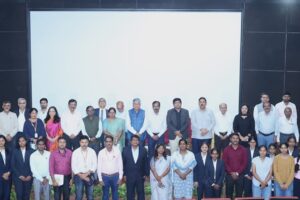
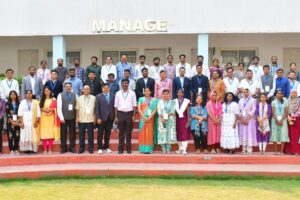
The programme successfully supported a total of 52 PhD scholars. This cohort included 32 internal participants from the Central University of Punjab (featuring 22 from the Department of Education) and 20 external scholars originating from Punjab and various other states across India. This diversity not only enriched discussions but also provided multiple perspectives on research problems, methods, and applications.
As a researcher working on the socio-economic impact of Primary Agricultural Credit Societies (PACS) and Farmer Producer Organisations (FPOs), I joined the programme with the expectation of strengthening my understanding of research design, data analysis and the application of scientific methods in social science research. I was particularly interested in making my research more rigorous, policy-relevant and useful for extension systems. The programme not only met these expectations but also reshaped my perspective on how research can meaningfully contribute to strengthening extension and advisory services.
KEY LEARNINGS FROM THE PROGRAMME
The programme was structured so that each day contributed uniquely to my understanding of research methodology in the domain. The sessions not only enhanced my technical knowledge but also encouraged critical thinking about the role of research in addressing real-world challenges. The following section presents a synthesis of my key learnings:
Rethinking Concepts and Theoretical Foundations in Social Science Research
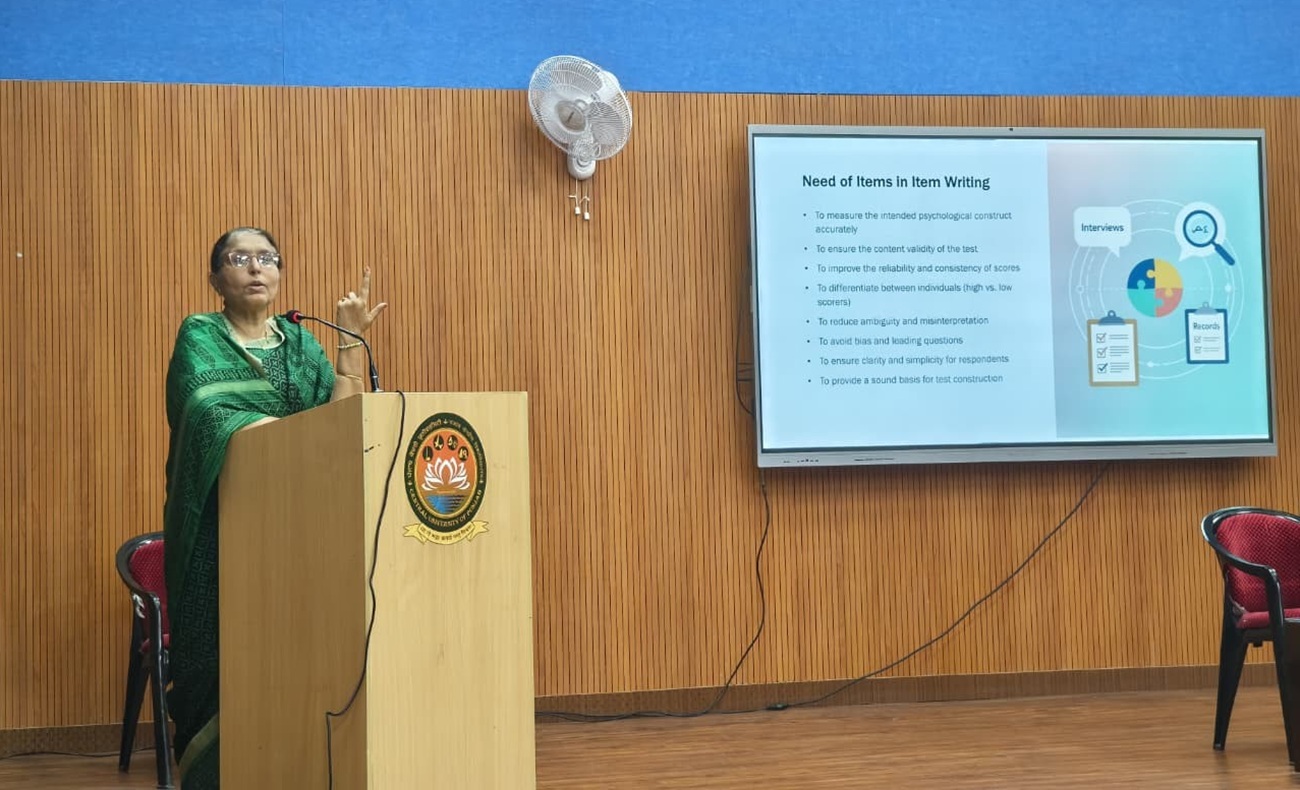
The research title holds critical importance in shaping the direction, context, and policy relevance of a study-an aspect I had previously underestimated. I gained clarity on how well-defined concepts form the foundation of meaningful research and are essential for developing appropriate tools. In particular, I learned the importance of careful selection and framing of items when constructing latent (psychophysical) variables, ensuring measurement validity and reliability. This understanding helped me recognise the need for greater precision while designing instruments and framing research problems.
Advancing Research Design and Integrating Methods
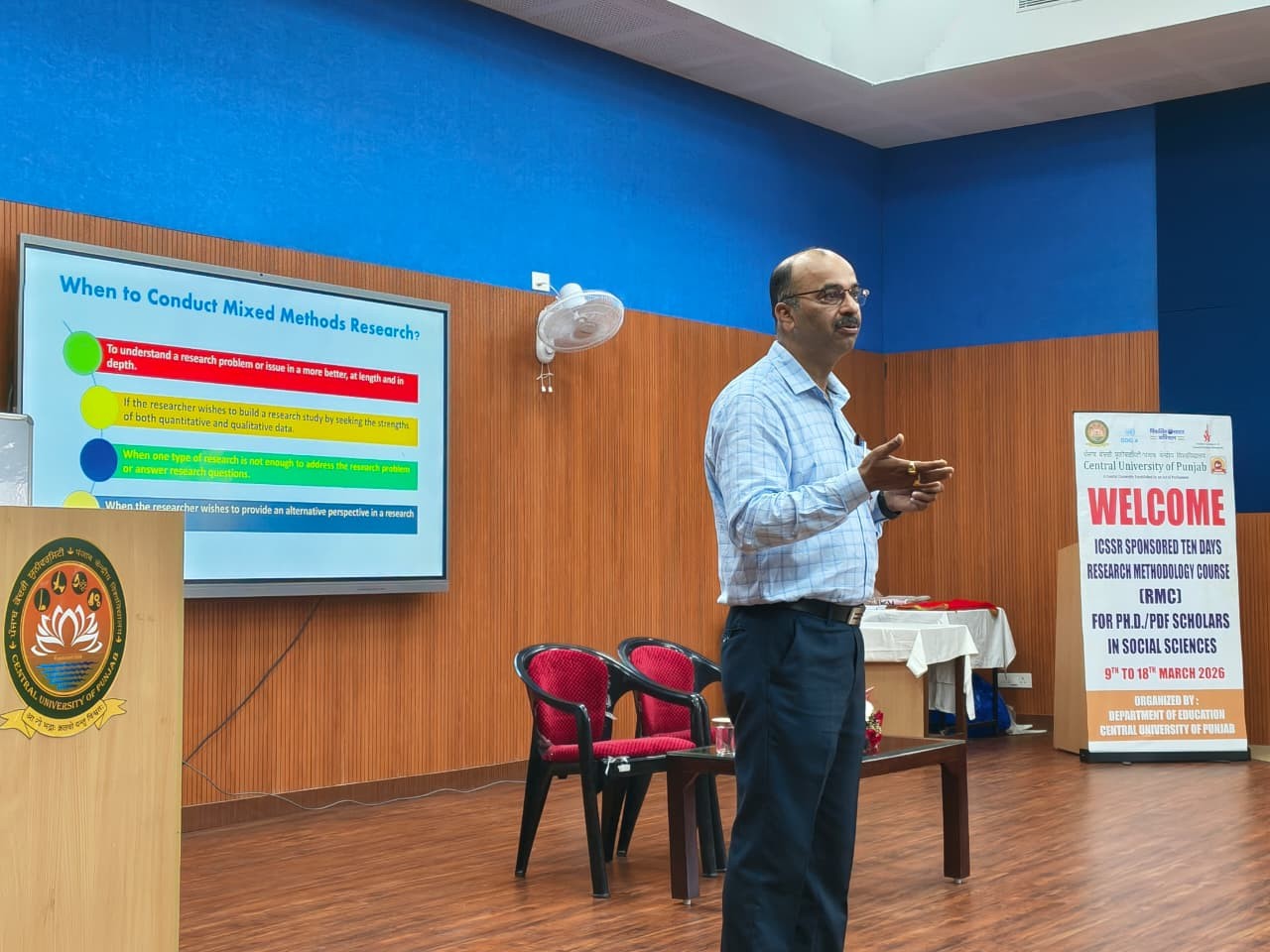
The programme highlighted the need to align research questions with suitable methodologies, whether qualitative, quantitative or mixed methods. It helped me clearly differentiate where, when and how to apply specific research designs within the social science domain. A key learning for me was the structured way of presenting mixed methods in research writing, such as using notations like QUAL→quan or quan+QUAL, etc., which I was not aware of earlier. This exposure enriched my methodological understanding and will be highly useful in strengthening the clarity and rigour of my future research work.
From Research Methods to Data-Driven Decision Making
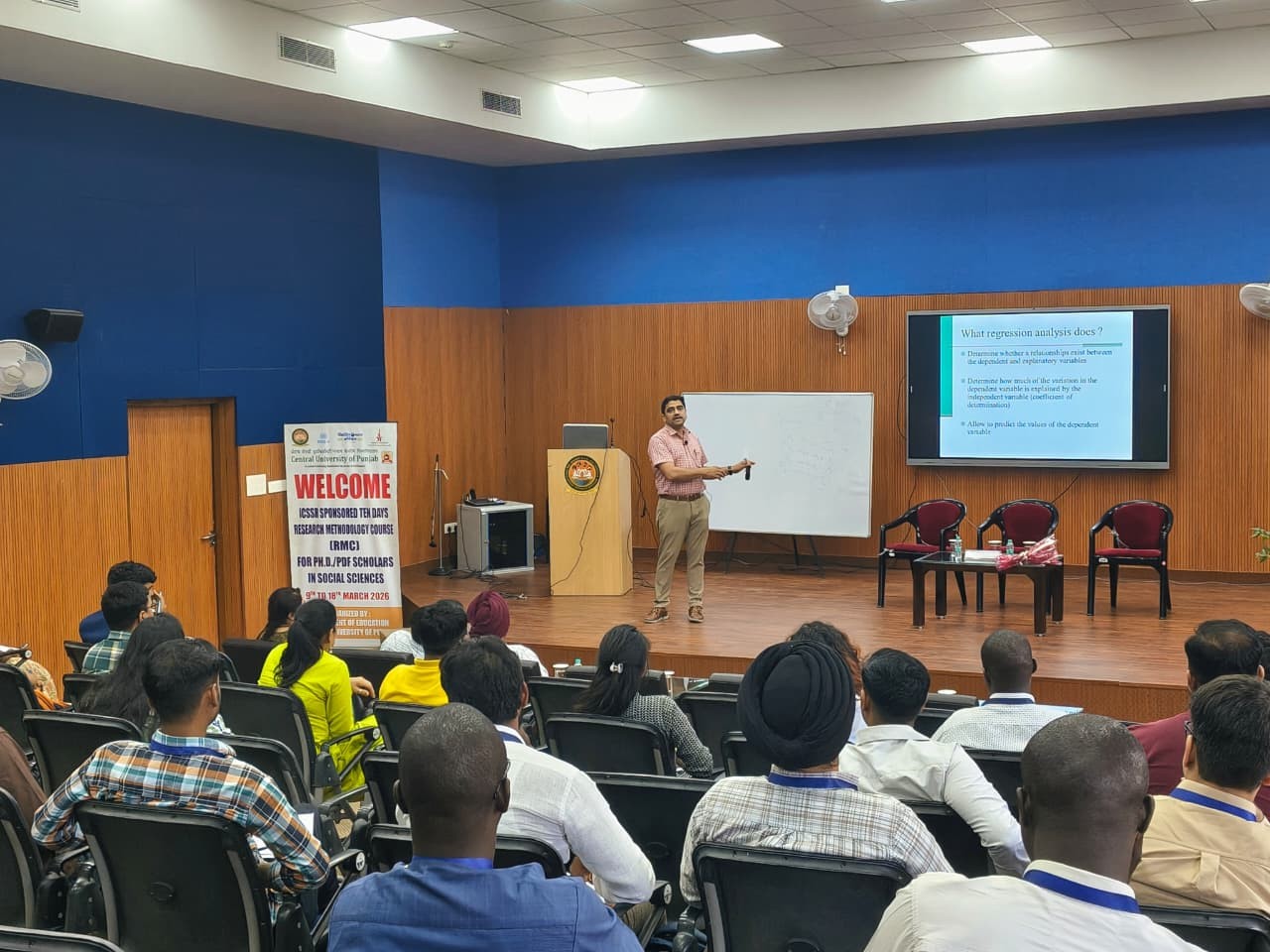
I found the statistics sessions useful for improving my understanding of data analysis, as they refreshed and strengthened my understanding of concepts I had encountered earlier. I gained clarity on the fundamental steps of data handling, including tabulation, coding, cleaning and preparing data for analysis. A key learning was the importance of checking assumptions, such as normality and identifying outliers, which are often overlooked but can significantly influence analysis and results. I also developed a better understanding of issues such as multicollinearity in regression analysis and how it can distort relationships between variables if not properly addressed. I realised how neglecting these aspects can lead to misleading interpretations. Overall, it was truly an “unlearning and relearning” experience that deepened my appreciation for careful and accurate data analysis.
Exploring Ethnography, Research Tools and Publication Quality
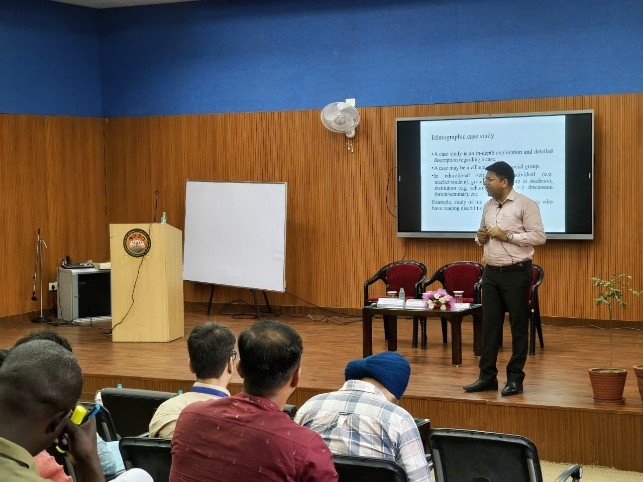
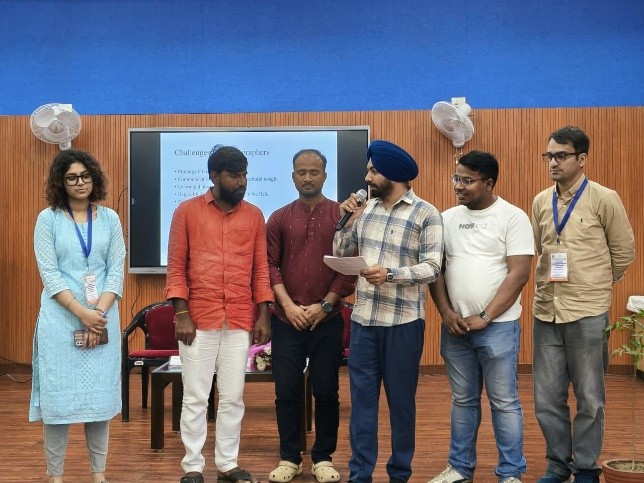
One key learning experience was understanding how to apply research methods in practice, particularly in understanding qualitative research approaches such as ethnography and its applications in the social sciences. I gained insight into how engaging and insightful ethnographic research can be, especially through a hands-on group activity where we designed and presented a demo study on migrant labourers, which significantly enhanced my confidence and practical understanding of the method.
The sessions also deepened my knowledge of constructing research tools to measure latent variables such as satisfaction, attitude, motivation, and intelligence, emphasising key principles for ensuring validity and reliability. Additionally, I was introduced to important research databases such as Scopus and Web of Science, as well as publication metrics such as impact factor, h-index, and SJR, which broadened my perspective on quality research and publication standards.
Expanding Horizons: Evaluation, Ethics and Emerging Analytical Tools
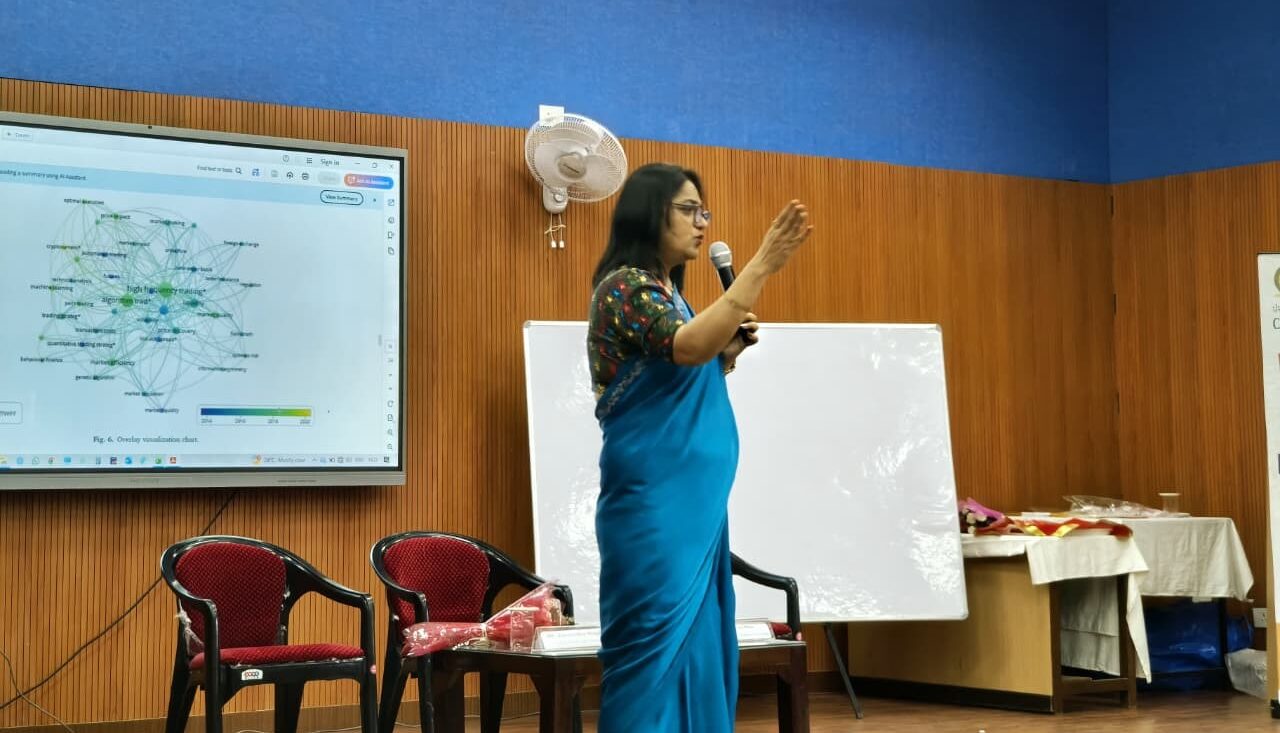
An important learning phase focused on monitoring and evaluation, particularly the fundamentals of primary data collection and how field-level practices can influence research outcomes, strengthened my understanding. A key highlight was the introduction to bibliometric analysis as an emerging tool for systematic literature review, which proved to be an eye-opening experience. The hands-on training using Bibliometrix in R and VOSviewer significantly enhanced my practical skills in this area. I realised that bibliometric analysis is a powerful approach for identifying research trends, mapping knowledge structures, and uncovering gaps in the literature, making it an essential tool for researchers.
Advancing Quantitative Research and Evidence Synthesis
This phase of the programme significantly enhanced my understanding of emerging tools and advanced research approaches. I was introduced to various AI-based platforms, including SciSpace, Paperpal, OpenAlex, Semantic Scholar, Research Rabbit, Lens, Piktochart, Napkin.ai, EndNote, and Mendeley, that can help researchers explore and critically review their domains more efficiently. A major highlight was the session on meta-analysis, which opened a new perspective on conducting quantitative literature reviews. The detailed explanation of procedures, statistical requirements, and the use of frameworks like the PRISMA flow diagram for inclusion and exclusion criteria provided a clear roadmap for conducting systematic and rigorous reviews. This learning was particularly impactful and expanded my understanding of how the literature review itself can be transformed into a structured and analytical research process.
Beyond Academics: Building Confidence and Leadership Skills
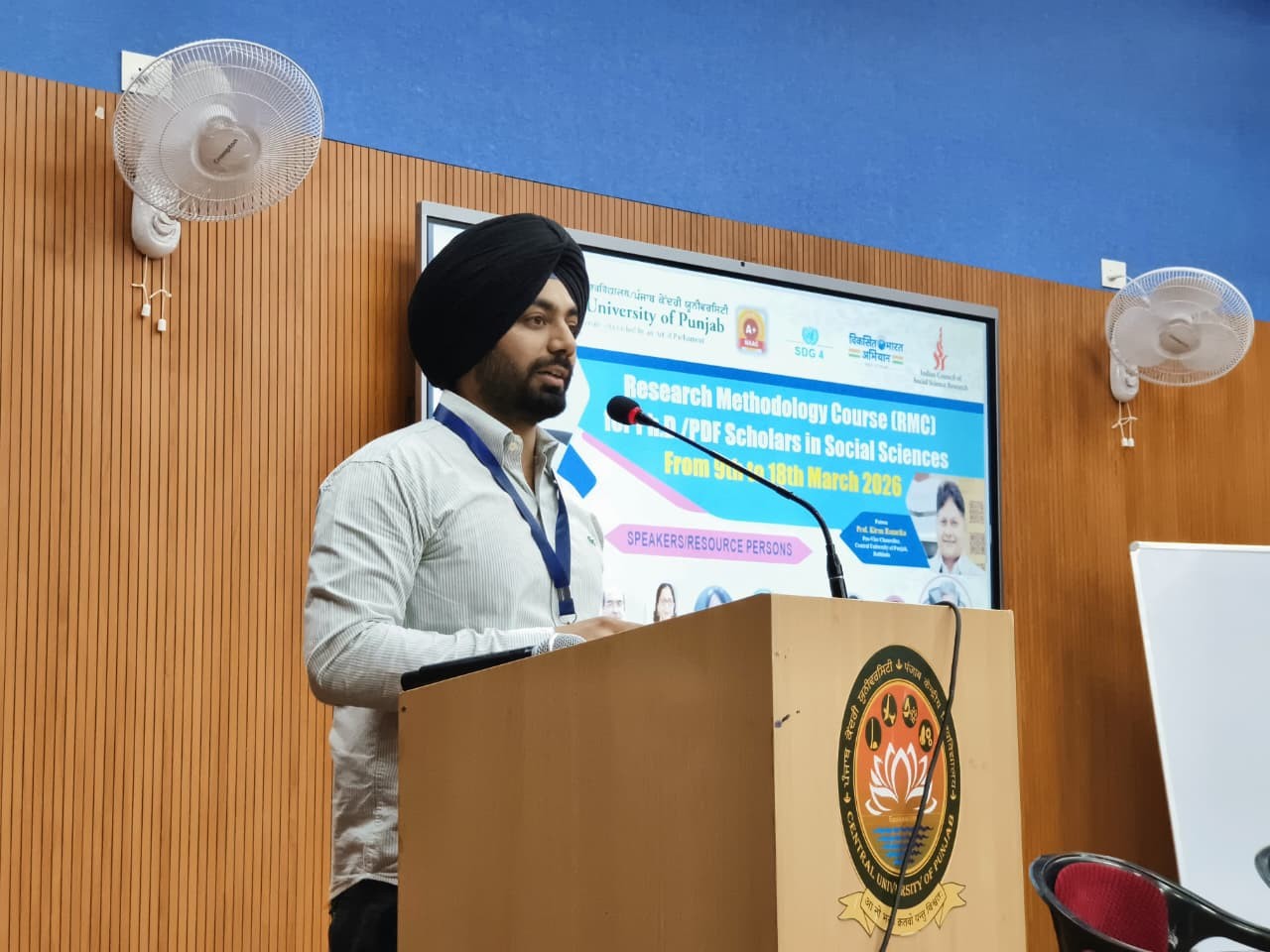
Beyond the technical learnings, the programme also provided valuable opportunities for personal and professional development. Participants were assigned responsibilities such as proposing the vote of thanks after sessions, which helped build confidence in public speaking and reduced stage hesitation. A few participants, including myself, were also given the opportunity to host an entire day of the training – an experience that proved to be highly enriching. It not only enhanced my confidence but also helped me explore my hidden potential. Such participatory engagements made the learning process more dynamic and inclusive. I believe that, for many of us, these ten days of training at CUPB, Bathinda, were truly transformative, shaping both our academic and personal growth.
MOVING AHEAD: APPLYING INSIGHTS FROM THE PROGRAMME
- I will apply the insights gained to develop a more robust and well-structured research design for my PhD work, with greater clarity on key methodological considerations.
- The training has enhanced my confidence in selecting appropriate research methods, tools, and analytical techniques, ensuring better alignment with research objectives.
- I plan to use bibliometric analysis to systematically review literature, identify research gaps, and map leading authors and institutions for potential academic collaborations.
- I intend to apply meta-analysis techniques for conducting systematic literature reviews (SLR), aiming to publish high-quality research in reputed journals.
- I will explore qualitative research approaches, particularly case study methods, such as analysing successful Primary Agricultural Credit Societies (PACS) to generate deeper field-based insights.
- The learnings will also help me in improving data handling, analysis, and interpretation, ensuring more accurate and meaningful research outcomes.
- Overall, I aim to make my research more rigorous, policy-relevant, and impactful, contributing effectively to the field of social sciences and extension systems.
SCOPE FOR IMPROVEMENT IN FUTURE PROGRAMMES
While the programme was very useful, the following additions could further improve it if organised again:
- More focused modules on specific themes, such as qualitative research methods and hands-on training on data collection tools (e.g., Open Data Kit).
- A session on the use and management of online scientific visibility platforms (e.g., Vidwan, ORCID, Research Gate).
- Inclusion of discussions on career opportunities beyond traditional academic roles.
CONCLUDING REFLECTIONS
Participating in this Research Methodology Course has been a truly enriching and transformative experience. Beyond enhancing my technical understanding of research methods, it has reshaped the way I perceive research as a meaningful and impactful process. The programme not only strengthened my methodological skills but also encouraged critical thinking, interdisciplinary learning, and practical application of knowledge. The blend of theoretical insights, hands-on activities, and participatory learning made the experience more engaging and effective.
Such capacity-building initiatives play a vital role in nurturing competent researchers who can contribute to evidence-based policy and practice. I believe that the learnings from this programme will continue to guide my research journey, helping me to produce work that is not only academically sound but also socially relevant and impactful.
Acknowledgements
I sincerely acknowledge and express my gratitude to the Central University of Punjab (CUPB), Bathinda and the Indian Council of Social Science Research (ICSSR) for providing me the opportunity to participate in this meaningful programme. I am thankful to the Course Coordinator, Dr Jaswinder Singh, and the entire organising team for their dedicated efforts in successfully conducting the training.
I also extend my heartfelt thanks to Dr Vipan Kumar Rampal, Professor and Head, Department of Extension Education, Punjab Agricultural University (PAU), Ludhiana, for his motivation and encouragement to participate in this programme.
 Manjinder Singh is a PhD Research scholar (Agricultural Extension) at the Punjab Agricultural University, Ludhiana. He can be contacted at manjinder-ee@pau.edu
Add Comment