



India’s marine fisheries is under growing pressure from overfishing, climate change, habitat degradation and coastal development, threatening marine biodiversity and the livelihoods of millions of fishers. In this context, MPAs are gaining importance not only as tools for conservation, but also as pathways for ecological restoration and sustainable livelihoods. In this blog, Shivaji Argade, J. Charles Jeeva and Akshata Thavai discuss why India must move beyond enforcement-centric conservation towards community-led stewardship, participation and empowerment.
CONTEXT
India’s fisheries and aquaculture sector is one of the fastest-growing agricultural sectors in terms of production, exports and livelihood support. However, despite significant growth in inland fisheries production, the marine fisheries ecosystem is facing increasing pressure from overfishing, mechanisation, habitat degradation, climate variability, marine pollution, coastal development, biodiversity loss, rising operational costs, declining catches, and fishing conflicts, placing small-scale marine fisheries under severe livelihood stress. In this context, promoting Marine Protected Areas (MPAs) provides opportunities to conserve marine biodiversity, restore fish stocks, strengthen coastal resilience, and sustain livelihoods.
Observed every year on 8 June, World Ocean Day 2026 adopts the theme “Strong Marine Protected Areas for Our Blue Planet”, demonstrating the need for effective implementation of marine conservation and ocean governance. However, strong MPAs cannot be promoted through enforcement alone; they require informed, empowered, and actively engaged local fishing communities. Extension and Advisory Services (EAS) working to strengthen marine protected areas have to ensure committed community participation in conservation governance to build ecologically effective, socially accepted, and sustainable marine ecosystems.
WHAT IS A MARINE PROTECTED AREA (MPA)?
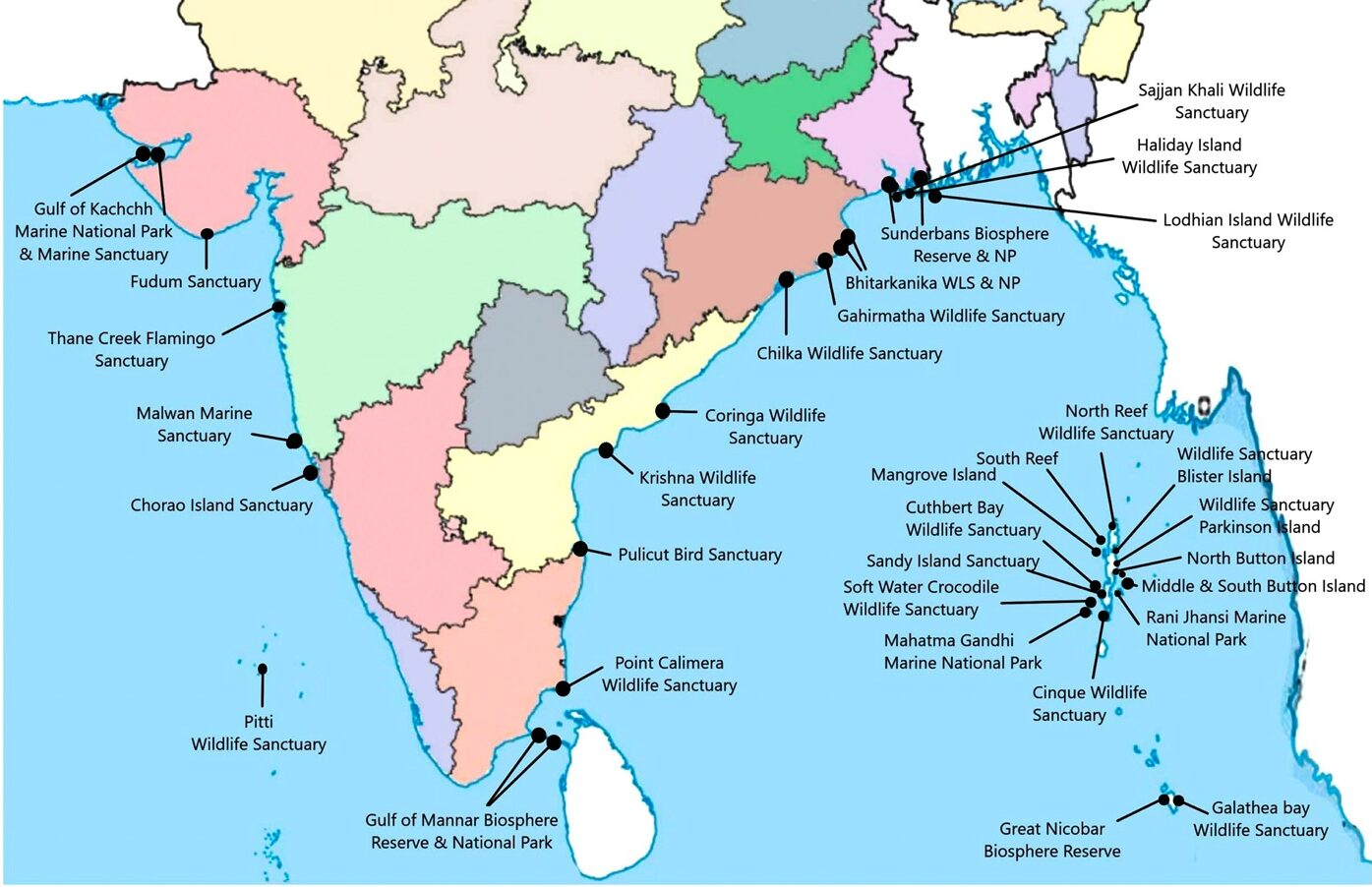
MPA is a designated marine area where human activities are restricted to protect, conserve and sustain them. It includes sanctuaries, national parks, conservation or community reserves, marine parks, nature reserves and locally managed marine areas that protect reefs, seagrass beds, shipwrecks, archaeological sites, tidal lagoons, mudflats, salt marshes, mangroves, rock platforms, underwater areas,etc. MPAs are often regarded as natural “Bioshield” ecosystems. India has designated about 30 mainlands’ and over 100 island MPAs under the Wildlife Protection Act (1972) and coastal regulations. The prominent areas include the Gulf of Mannar Marine National Park (Tamil Nadu), Gulf of Kachchh Marine National Park (Gujarat), Mahatma Gandhi Marine National Park (Andaman), Malvan Marine Sanctuary (Maharashtra) and Bhitarkanika (Odisha).
WHY EAS MATTER IN MARINE PROTECTED AREAS?
However, designating MPAs alone does not ensure conservation. Its effective implementation largely depends on the local fishing community’s perception, understanding, compliance and participation in marine conservation governance. This is the juncture where Extension and Advisory Services (EAS) serve as a bridge among government, people, science, and technology to effectively implement MPAs. EAS are responsible not only for raising awareness and educating on ecological sustainability but also for building trust between regulators and local communities, promoting regulatory compliance, encouraging alternative livelihood options, facilitating participatory governance, supporting conflict resolution, strengthening local institutions, enabling climate adaptation, and promoting co-management conservation initiatives. Without strong EAS support, many MPAs remain weakly enforced, poorly implemented and inadequately managed. It helps identify the trade-off between stringent conservation regulations and the socio-economic needs of local communities. It ensures that communities understand, support, and actively benefit from marine protection by translating abstract conservation goals into practical actions.
ARE EXTENSION AND ADVISORY SERVICES WEAK IN INDIAN MPAs?
In India, a wide range of agencies such as Central Government Departments & Institutes, ICAR Research Institutions, State Government Departments and Institutes (Sagar Mitra/Ocean Friend), International & Multilateral Agencies, NGOs & Civil Society Organizations, Community-Based & Grassroots Institutions are actively engaged in providing EAS in MPAs and collectively support community sensitisation, biodiversity conservation, fisheries resource management, climate resilience, livelihood diversification, participatory governance, etc. The respective roles of agencies in strengthening MPAs and enhancing stakeholder participation are presented in Table 1. Community organisations such as SIFFS play an important role in promoting community participation and fishers’ capacity building for marine ecosystem conservation.
Table1: Agencies and their key roles with respect to MPAs
| Agency/Institution | Key roles with respect to MPAs |
| 1) Central level | |
| Ministry of Environment, Forest and Climate Change | Policy formulation, notification and management of MPAs, coastal biodiversity conservation, implementation of the Wildlife Protection Act and CRZ provisions. |
| Department of Fisheries | Sustainable fisheries management, fisher livelihood support and promotion of responsible fishing practices around MPAs. |
| Ministry of Earth Sciences | Ocean observation, climate studies and marine ecosystem assessments supporting MPA planning. |
| National Biodiversity Authority | Biodiversity conservation policy, marine bio-resource protection, and access-and-benefit-sharing mechanisms. |
| National Centre for Sustainable Coastal Management | Coastal zone management, marine spatial planning and habitat mapping support. |
| Zoological Survey of India | Marine faunal surveys and biodiversity documentation within MPAs. |
| Botanical Survey of India | Conservation and documentation of marine and coastal flora, including mangroves and seagrasses. |
| National Institute of Ocean Technology | Technological support, marine monitoring and coastal infrastructure research. |
| Indian National Centre for Ocean Information Services | Ocean advisories, coastal vulnerability assessment and marine information services. |
| Coastal Aquaculture Authority | Regulation of coastal aquaculture activities to minimise ecological impacts on marine habitats. |
| Fishery Survey of India | Fish stock assessments and marine resource surveys for sustainable fisheries management. |
| Indian Coast Guard | Marine surveillance, pollution response and enforcement against illegal activities in protected waters. |
| 2) National research institutes | |
| ICAR-Central Marine Fisheries Research Institute | Research on marine fisheries, coral reefs, ecosystem-based management and conservation planning. |
| ICAR-Central Institute of Fisheries Education | Capacity building, extension education and policy research related to sustainable fisheries and MPAs. |
| ICAR-Central Institute of Brackishwater Aquaculture | Sustainable brackishwater aquaculture practices reduce pressure on coastal ecosystems. |
| Central Institute of Fisheries, Nautical and Engineering Training | Training on responsible fishing technologies and sustainable marine operations. |
| Wildlife Institute of India | Marine biodiversity research, wildlife monitoring and protected area management support. |
| ICAR-National Bureau of Fish Genetic Resources | Conservation of marine fish genetic diversity and aquatic germplasm resources. |
| Centre for Marine Living Resources and Ecology | Marine ecosystem and deep-sea biodiversity research supporting conservation efforts. |
| National Institute of Oceanography | Oceanographic and coastal ecosystem research for marine environmental management. |
| 3) State government departments & institutes | |
| State Fisheries Departments | Fisheries regulation, fisher welfare programmes and awareness on sustainable fishing practices. |
| State Forest Departments | Management and protection of marine parks, mangroves and coastal biodiversity areas. |
| State Coastal Zone Management Authorities | Enforcement of coastal regulations and monitoring developmental activities in coastal zones. |
| State Biodiversity Boards | Biodiversity conservation planning and local biodiversity documentation. |
| Marine National Park Authorities | Direct management of marine protected areas, tourism regulation and habitat restoration. |
| Mangrove and Wetland Cells | Conservation and restoration of mangroves, wetlands and coastal ecosystems. |
| 4) International & multilateral agencies | |
| Food and Agriculture Organisation | Technical support on sustainable fisheries and ecosystem-based marine management. |
| International Union for Conservation of Nature | Global MPA guidelines, biodiversity assessments and conservation policy support. |
| United Nations Development Programme | Financial and technical assistance for biodiversity conservation and coastal livelihood projects. |
| United Nations Environment Programme | Marine pollution control, ecosystem conservation and regional marine programmes. |
| World Bank | Funding support for blue economy, coastal resilience and marine conservation projects. |
| International Collective in Support of Fishworkers | Advocacy for small-scale fishers’ rights and participatory marine governance. |
| 5) NGOs & civil society organisations | |
| Dakshin Foundation | Marine conservation research, community engagement and sustainable fisheries programmes. |
| WWF-India | Marine biodiversity conservation, awareness campaigns and ecosystem restoration activities. |
| Wildlife Trust of India | Conservation of marine wildlife and coastal habitats. |
| M. S. Swaminathan Research Foundation | Mangrove conservation, coastal livelihood development and climate resilience programmes. |
| Foundation for Ecological Security | Community-based natural resource governance and ecosystem restoration support. |
| Bombay Natural History Society | Biodiversity research, awareness generation and conservation advocacy. |
| Nature Conservation Foundation | Marine biodiversity research and coastal ecosystem conservation initiatives. |
| South Indian Federation of Fishermen Societies | Community mobilisation, sustainable fisheries awareness and fisher participation in marine conservation. |
| 6) Community-based & grassroots institutions | |
| Fisheries Cooperatives | Collective fisheries management and promotion of sustainable fishing practices. |
| Fisher Producer Organizations | Market linkage support and sustainable seafood value chain development. |
| Self-Help Groups | Livelihood diversification and community awareness on coastal conservation. |
| Eco-Development Committees | Community participation in biodiversity conservation and eco-development activities. |
| Joint Coastal Management Committees | Participatory coastal governance and stakeholder coordination. |
| Traditional Fisher Associations | Integration of indigenous knowledge and customary fisheries management systems. |
| Community Conservation Groups | Grassroots awareness, habitat monitoring and local conservation action. |
Central Government flagship schemes such as Pradhan Mantri MatsyaSampada Yojana (PMSSY) and Pradhan Mantri-Matsya Kisan Samridhi Sah-Yojana (PM-MKSSY) largely focus on sectoral organisation, modernisation, fish production, and support for micro/small enterprises and livelihoods. But their operational linkage with MPAs remains limited due to a lack of explicit & direct funding, active management, and enforcement. Despite several extension service initiatives for MPAs, the sector remains fragmented, weakly institutionalised, and poorly integrated with marine conservation governance. Most extension services continue to focus on production enhancement, fishing technology, safety, subsidies, and livelihood support rather than on ecological stewardship and marine conservation.
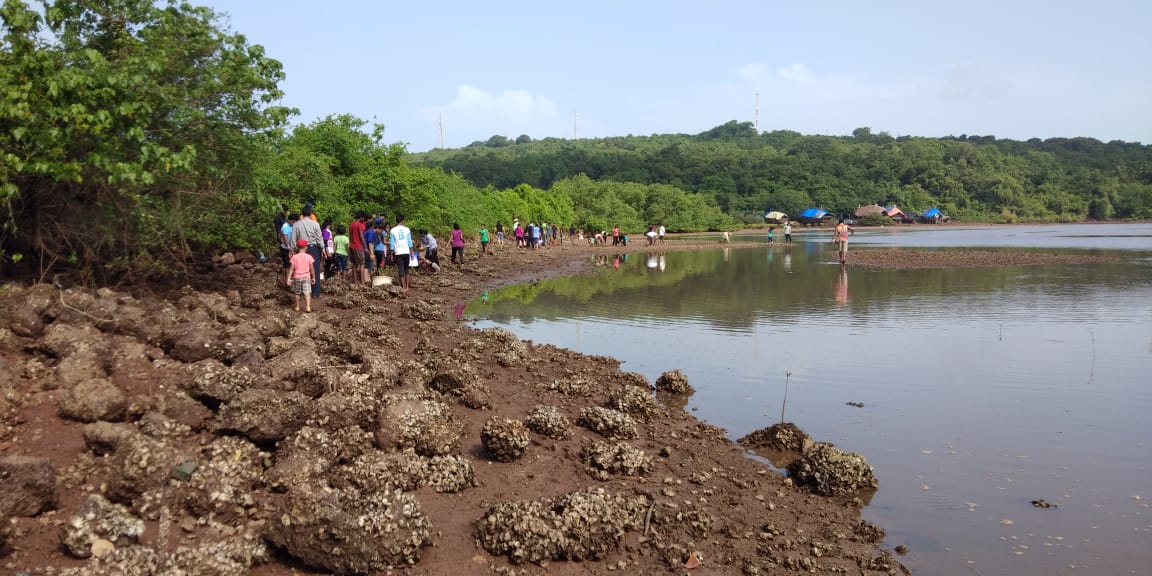
In the Gulf of Mannar, inadequate community participation and conflicts with government agencies have weakened conservation outcomes and reduced trust among fishing communities. However, most of the extension agencies roles are challenged by shortage of staff & trained personnel, legal and jurisdictional ambiguity (no specific laws dedicated to MPAs confusing rights and boundaries), livelihood and community conflicts (Malvan Marine Sanctuary coastal communities protest), lack of strict enforcement and active management, industrial and commercial stakeholder pressures (rapid urbanization, construction, and tourism activities) and cross-departmental disconnect (poor coordination between the core regulatory and implementing agencies like forest and fisheries departments).
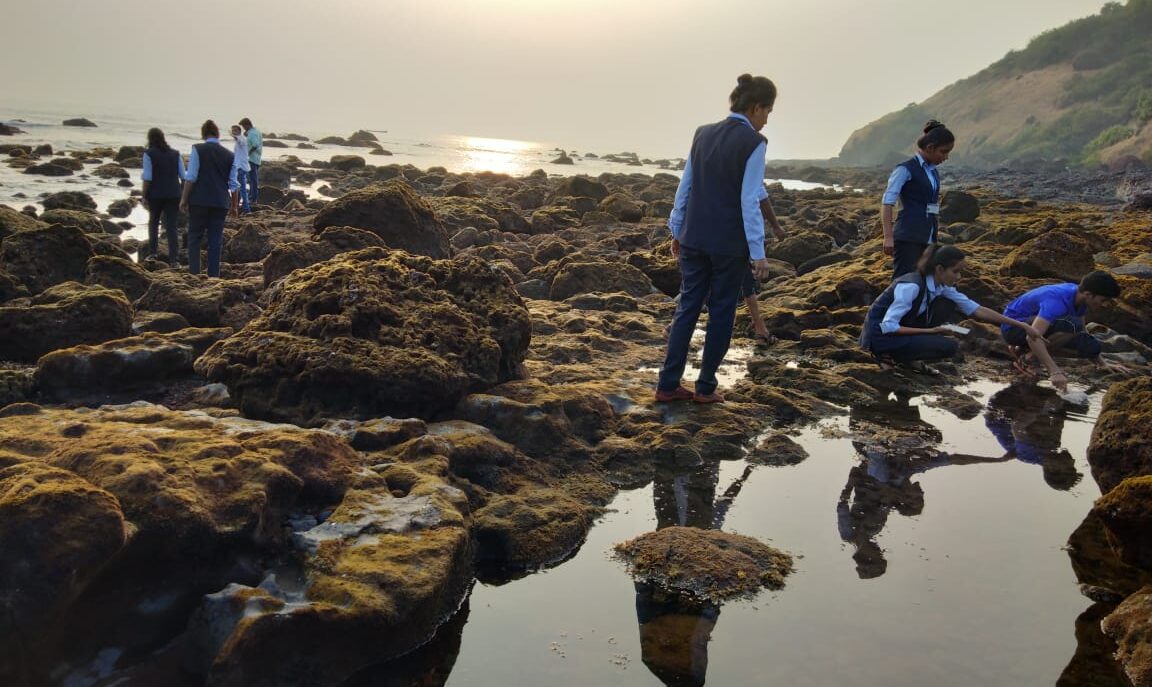
HOW CAN EAS HELP REGULATORY AGENCIES PERFORM BETTER?
- Fisheries extension and advisory initiatives can play a transformative role in bridging the gap between conservation objectives and the socio-economic needs of local coastal communities.
- EAS can act as a bridge between regulatory agencies and coastal communities by improving communication, reducing conflicts and facilitating dialogue.
- EAS can educate fishing communities about marine conservation through local-language advisories, demonstration-based learning, peer educator models, social media platforms, and youth and women engagement programmes for behavioural transformation and improving voluntary compliance.
- E-extension services can provide real-time monitoring and alert systems to enhance transparency and compliance in MPAs using digital tools like AI-enabled platforms, mobile applications, GIS mapping, National Fisheries Digital Platform, drone-assisted surveillance, etc.
- Extension systems can strengthen compliance with MPA regulations through community participation and local stewardship. Regulatory agencies can promote co-management approaches that foster shared responsibility, participatory decision-making, transparency, and voluntary compliance.
- Climate-smart extension initiatives can strengthen MPAs in India by promoting ecosystem-based fisheries management, climate adaptation and integrating traditional ecological knowledge of coastal communities for improving the effectiveness and acceptance of conservation measures.
- EAS can help reduce pressure on sensitive marine ecosystems by building capacities, supporting climate adaptation, disaster preparedness and skill development for alternative livelihoods such as seaweed farming, eco-tourism, ornamental fisheries, value addition, marine-based MSMEs,
- Marine fisheries cooperatives have strong community networks and local trust. By linking EAS through fisheries cooperatives, regulatory agencies can achieve wider outreach, behavioural change, and better inclusive marine governance.
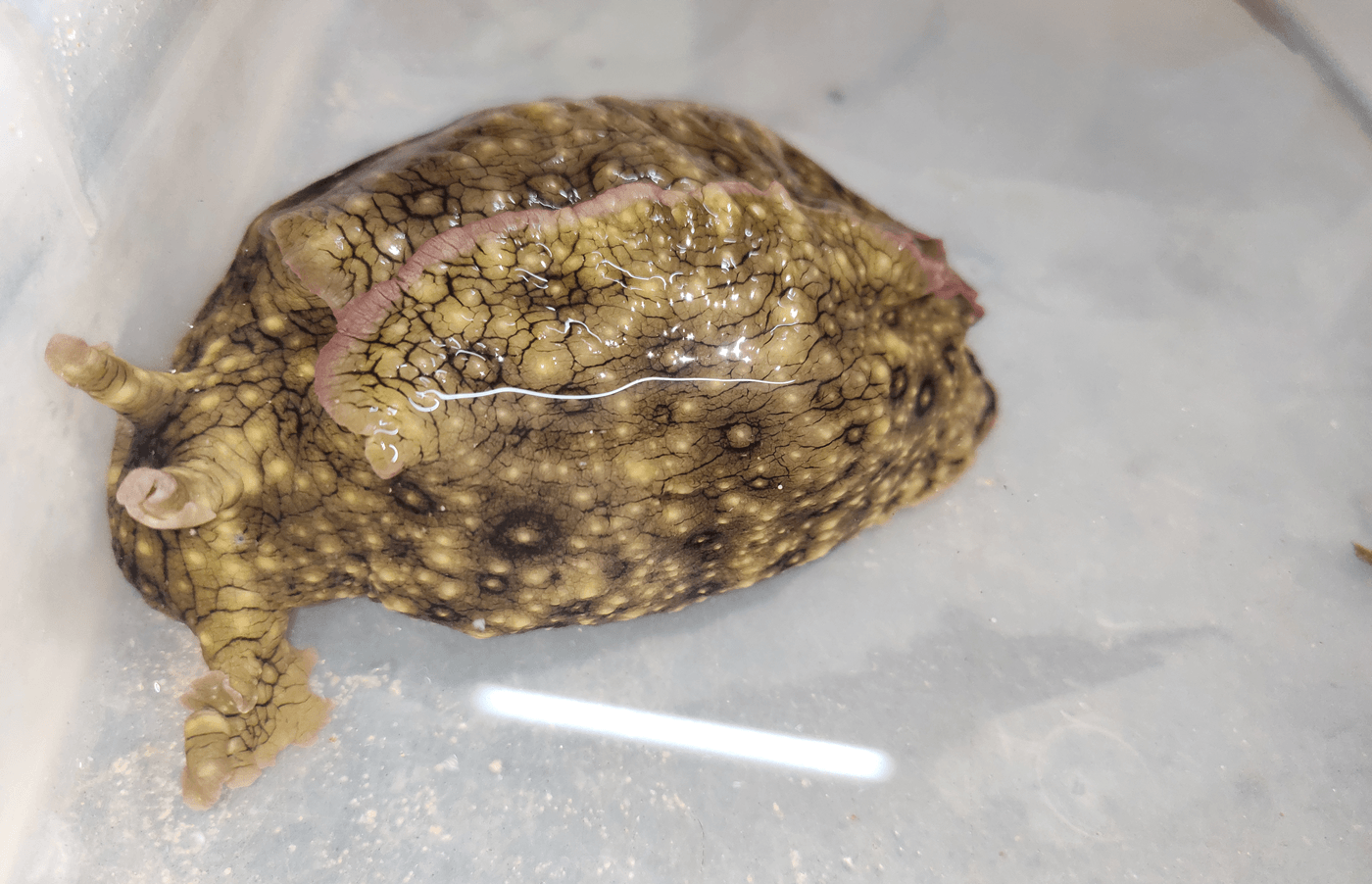
WAY FORWARD FOR STRENGTHENING EAS IN MPA GOVERNANCE
Strengthening EAS for MPA governance requires transforming the fisheries extension system from a production-oriented system into a marine stewardship, technology-enabled, livelihood-sensitive, climate-resilient and conservation-focused system. This includes establishing specialised marine conservation extension units, strengthening human resource development, integrating MPA education into extension programmes, promoting participatory co-management, leveraging digital advisory systems, supporting conservation-linked alternative livelihoods, and enhancing stakeholder dialogue and institutional coordination. Future fisheries extension and advisory roles must move beyond technology transfer and subsidy facilitation towards behavioural transformation, community mobilisation, climate resilience, participatory governance, and biodiversity conservation to ensure ecologically effective and socially sustainable marine resource management. Improving support for extension services in MPAs involves moving away from strict top-down enforcement towards a more cooperative approach that involves the local community in managing resources. Achieving this goal depends on aligning institutions, enhancing digital skills, integrating financial resources, and combining traditional local knowledge with scientific research to promote both environmental sustainability and the long-term well-being of communities.
CONCLUSION
It is emphasised that resolving ambiguous boundaries, stronger laws and enforcement and enhancing clear communication with frontline communities are critical to successful MPA management. Experiences from community-based initiatives such as co-management, fisheries cooperatives, SHGs, etc. have clearly demonstrated that conservation is more effective and socially sustainable when the local community is treated as a partner rather than an enforcement target. It requires strong institutional leadership, policy commitment, and stakeholder convergence across stages ranging from community sensitisation to scientific management and community empowerment. Grassroots institutions such as fisheries cooperatives, traditional fisher associations, the South Indian Federation of Fishermen Societies, and the Dakshin Foundation can lead community mobilisation and participatory conservation initiatives. Research and academic institutions such as ICAR-Central Institute of Fisheries Education, ICAR-Central Marine Fisheries Research Institute, and Wildlife Institute of India can provide scientific inputs, capacity building, extension support and evidence-based policy guidance. Central and state agencies, including the Ministry of Environment, Forest and Climate Change, the Department of Fisheries, State Forest Departments, and the Indian Coast Guard, can strengthen legal frameworks, enforcement, surveillance, and inter-agency coordination to support effective MPA governance. International agencies and multilateral organisations can further provide funding, technical expertise, and global best practices, thereby enabling India to develop resilient, community-oriented, and ecologically effective MPAs.
 Dr. Shivaji D. Argade is a Senior Scientist at ICAR-Central Institute of Fisheries Education, Mumbai (India) with over 12 years of experience in teaching, research and extension in fisheries and aquaculture. His expertise includes gender in fisheries, impact studies, governance & ease-0f-doing business in fisheries cooperatives. He can be reached at shivaji@cife.edu.in
 Dr. J. Charles Jeeva is a Principal Scientist (Agricultural Extension) at ICAR-Central Marine Fisheries Research Institute, Chennai (India) with over 25 years of experience in gender, livelihood, grassroots institutions and socio-economic studies in fisheries. He has contributed to several national and international research and extension projects. He can be reached at jcjeeva@gmail.com
 Ms. Akshata Thavai is a Ph.D. Research Scholar at ICAR-Central Institute of Fisheries Education, Mumbai (India) working on fisheries cooperatives, and fishers’ livelihoods. Her current research examines the impact of urbanisation on fishers’ livelihoods in the Mumbai Metropolitan Region. She can be reached at akshata.fexpb301@cife.edu.in


Add Comment