

In this meeting note, Thirumalai Nambi reflects on his experiences and key takeaways from The MANAGE Dialogue 2026: International Workshop on the Future of Agricultural Extension and Advisory Services.
CONTEXT
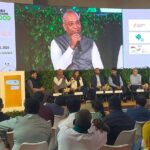
The MANAGE Dialogue 2026: International Workshop on the Future of Agricultural Extension and Advisory Services was organised by the National Institute of Agricultural Extension Management (MANAGE) in Hyderabad from 24–26 February 2026.
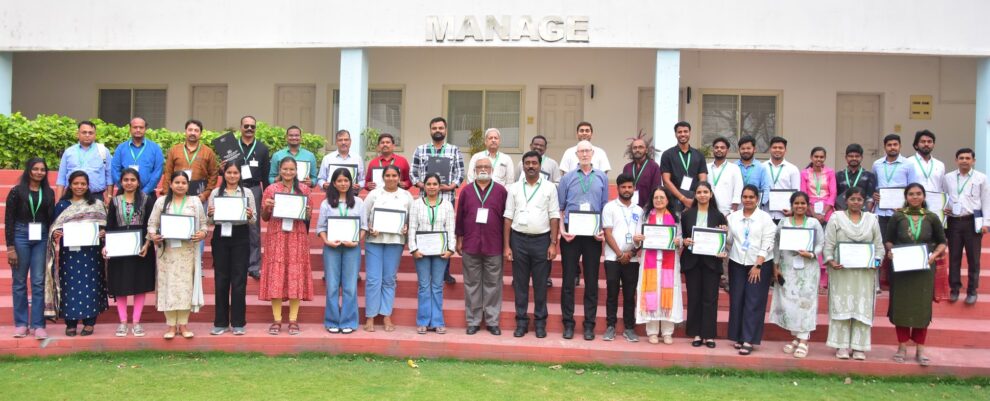
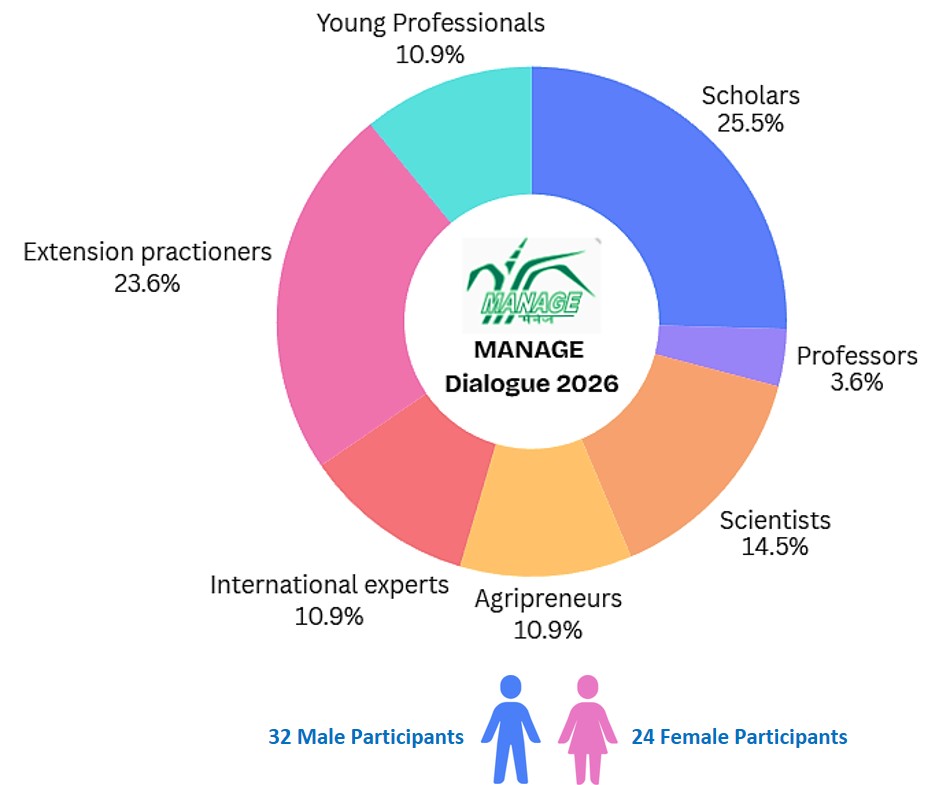
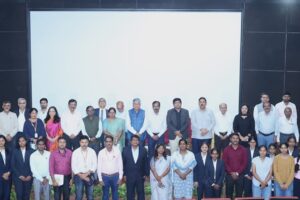
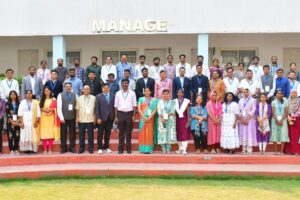
The three-day international workshop included 56 participants from diverse backgrounds, including representatives from international organisations, NGOs, academia, public institutions, agribusiness enterprises, and student communities.
Being part of such a diverse group provided me with a unique experience and practical understanding of pluralistic agricultural extension, where multiple stakeholders with varied expertise, perspectives, and institutional backgrounds interacted, shared experiences, and collectively reflected on the future of extension systems.
Unlike conventional workshops, the event was designed as a multi-stakeholder dialogue that focused less on formal proceedings and one-way presentations and more on reflective learning, cross-sectoral exchange, and critical questioning of existing extension paradigms. This was the first event of its kind that I had the opportunity to attend.
KEY LEARNINGS FROM THE MANAGE DIALOGUE 2026
Understanding Agricultural Extension in Contemporary Agriculture
The opening session gave me the realization of the growing mismatch between traditional extension systems and the emerging realities of contemporary agriculture
- It became clear that extension systems must recognise differences in access to resources, decision-making power, and vulnerability among farmers.
- Climate volatility is no longer a future concern; it is a present reality, requiring extension systems to function as providers of local climate intelligence.
- A critical need discussed was in evaluating extension success not only by technology adoption, but also by sustained use, resilience building, and livelihood improvement.
Shifting Paradigms in Agricultural Extension Systems
I clearly understood what a paradigm is and the need for a paradigm shift from the dominant “transfer of technology” approach to a more inclusive and knowledge-exchange-based system.
Extension must evolve through:
- Strengthening knowledge exchange among practitioners and researchers
- Incorporating innovative approaches emerging from diverse field actors
- Improving documentation of extension practices for policy relevance
- Building professional capacity of extension personnel
Evolving Digital Extension: Participation, Language, and Equity
- Digital extension was discussed as an important but complex transformation in agricultural advisory systems. While digital tools offer opportunities for wider reach, concerns were raised regarding inclusion, language barriers, and unequal access.
- Key insights included the need to move beyond one-way video-based extension towards participatory digital advisory systems. Digital tools must be farmer-friendly, multilingual, and aligned with user preferences.
- Artificial intelligence-based tools such as chatbots were seen as supportive to human decision-making, but only when designed with reliability, fairness, and safety safeguards. Without careful design, digital extension may unintentionally deepen existing inequalities.
Human advisor in GenAI World
- A strong reminder was that agricultural extension remains fundamentally a human-centred system. Artificial intelligence cannot replace human empathy, trust-building, and contextual field understanding.
- GenAI tools should therefore complement human extension workers by expanding their reach and efficiency, supported by accountability mechanisms and referral systems to prevent misinformation.
- Inclusive design of digital and AI tools is essential to ensure accessibility across gender, literacy levels, age groups, and marginalised communities.
Listening to the Last Mile
- An important reflection was the need for extension systems to improve their listening capacity. Often, lived experiences and local sociopolitical contexts are underrepresented in intervention design and evaluation.
- Strengthening feedback loops where information is systematically collected, analysed, and returned to communities can improve the responsiveness and effectiveness of advisory systems.
Wearing Scientific Goggles
One of the most interesting and intellectually engaging sessions was the concept of Wearing Scientific Goggles, which bridges the theory and practice
- Extension practitioners possess valuable tacit knowledge, but their experiential insights are rarely documented or formally recognized in academia.
- Successful outcomes cannot be effectively scaled without understanding the underlying processes, relationships, and contextual conditions.
- Validating practitioners’ experiences through reflective learning improves implementation and strengthens intrinsic motivation.
Agricultural Extension towards Agri-Entrepreneurship
The Dialogue highlighted the increasing integration of agricultural extension with agripreneurship and enterprise development. Extension systems are evolving to include incubation, mentoring, value-chain development, and market linkage.
- Agriculture needs decentralised, small-scale, context-specific agribusiness enterprises rather than large-scale unicorn startups, making innovation more realistic and inclusive.
- Business thinking in agriculture is also evolving from profit maximisation to shared value creation, integrating economic, social, and environmental outcomes.
Extension through the lens of Agripreneurs
The agripreneurs shared that innovation in agriculture can function both as a viable business model and as a means of spreading knowledge and technologies among farmers.
- I learned how digital and enterprise-based OTT platforms could integrate agricultural advisory services, and that moving from advertisement-based models to service models linked with inputs, nurseries, and advisory support could improve sustainability and farmer engagement.
- An important insight was that many challenges in tribal agriculture are linked to weak value-chain support. Strengthening processing, branding, market linkages, and digital integration can help improve farmer incomes.
- I also realized that simple digital tools like WhatsApp can support farmers in record-keeping, tracking income and expenditure, and accessing need-based advisories in an easy and accessible manner.
Extension Humility: Learning from Community-Driven Approaches
The NGO experiences helped me understand the importance of community-driven and participatory approaches in agricultural extension.
- It emphasized the need to make agriculture more attractive to young people by exposing them to diverse ideas and strengthening their digital skills.
- I also understood the importance of “first-mile engagement,” where farmers are involved from the very beginning of problem-solving, supported by continuous feedback and iterative learning to improve relevance and effectiveness.
Reimagining the Future of Agricultural Extension Systems
After listening to diverse perspectives over the three days, the concluding discussions gave an understanding of the future direction of extension
- Extension can no longer be viewed solely as a public good or a government service, but functions as a public good, a private service, and a form of social enterprise simultaneously.
- One of the key insights was the changing role of government. Instead of focusing only on direct service delivery, the government is increasingly expected to play a role in system stewardship, coordination, facilitation, and regulation.
- I also learned about the importance of hybrid extension systems that bring together public institutions, private actors, and civil society organizations.
- Different financing approaches such as blended finance, climate finance, results-based financing, value-chain financing, and public–private partnerships were discussed as possible ways to support such systems.
Words that stayed with me:
“Extension that does not adapt to social and climatic realities risks accelerating inequality, not productivity”
“To remain relevant, Extension must continuously respond to emerging challenges”
“We don’t need more extension models. We need more Extension Humility”
“While AI may not replace extension, those who fail to upgrade their skills risk being left behind”
“Extension 4.0 needs a business mindset with a soft corner for farmers”
“If agriculture must remain viable for the next generation, extension must stop being a service and become a solidarity”
“Extension may be part of the food systems problem, but underinvesting in extension is not the solution.”
Notable features of the workshop
Pre-Dialogue Engagement
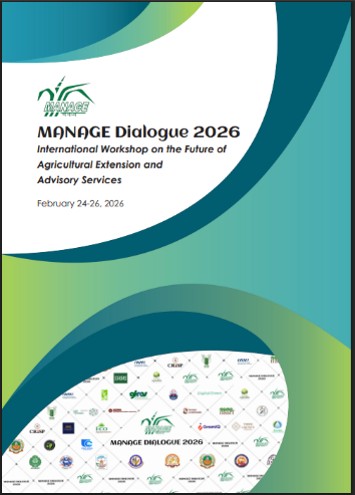
- Promotional posters featuring keynote speakers were circulated prior to the event, generating interest and building anticipation among participants.
- Posters showcasing student presenters and their work provided visibility, motivation, and encouragement to young researchers and participants.
Minimal Formalities, Maximum Engagement
- Unlike many conventional workshops that devote substantial time to registrations, ceremonial inaugurations and lengthy formal speeches, the MANAGE Dialogue 2026 moved directly into thematic sessions and discussions.
- More importantly, dedicated discussions allow participants to critically reflect on the ideas presented, share field experiences, and contribute diverse perspectives.
Hierarchy-Free Platform for Students and Professionals
- Another notable feature was the seating arrangement, where young graduates and students shared the same platform and discussion spaces with experienced professionals, researchers, and practitioners without hierarchical barriers.
- This inclusive environment enhanced confidence, belongingness, and motivation among early-career participants while promoting intergenerational exchange of ideas and experiences.
Informal Networking and Meaningful Interactions
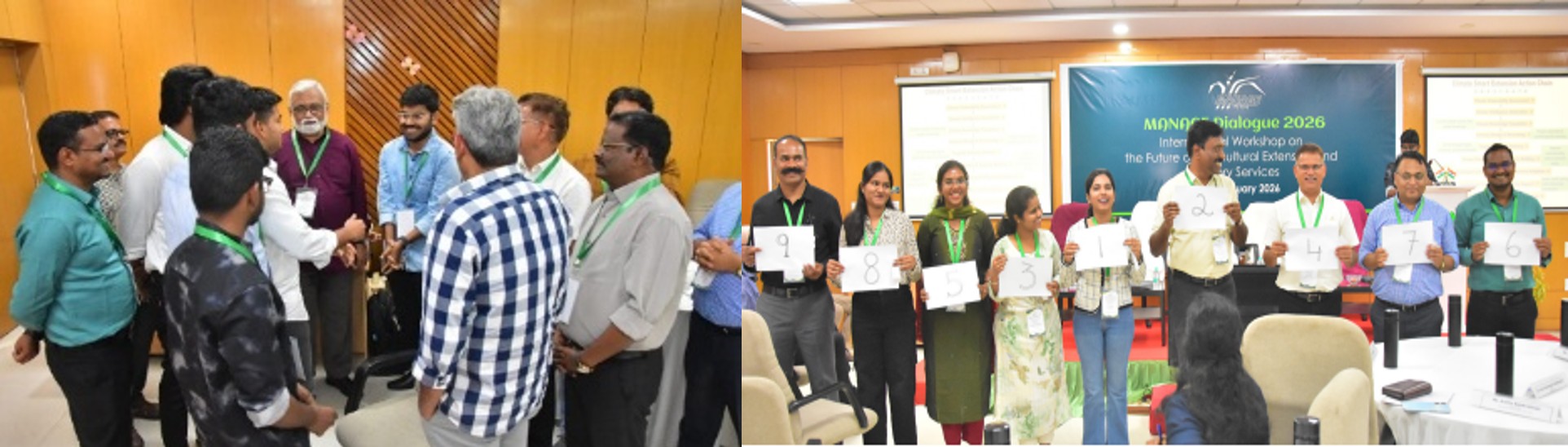
- The networking sessions during lunch and tea breaks added immense value to the overall experience by providing opportunities for informal interactions with experts, alongside excellent hospitality and food arrangements.
- Beyond the knowledge and insights shared, the humility, openness, and genuine curiosity of senior professionals to interact with students and young participants made these conversations a significant source of inspiration and learning beyond the formal sessions.
Decentralized Event Management
- The entire program was organized and coordinated by young professionals who independently led the event without the conventional structure of chairpersons, co-chairpersons, or multiple committees, reflected a decentralized approach to workshop management
Post-Workshop Knowledge Dissemination
- The workshop report was shared among participants in a brief and concise format, highlighting the key takeaway messages from the dialogue along with the contact details of the participants.
- All the resource materials of the workshop, along with photographs from the event, were shared with the participants, which is useful for future reference and learning.
- In addition, important insights and discussions from the workshop were disseminated through an insight series shared on social media platforms.
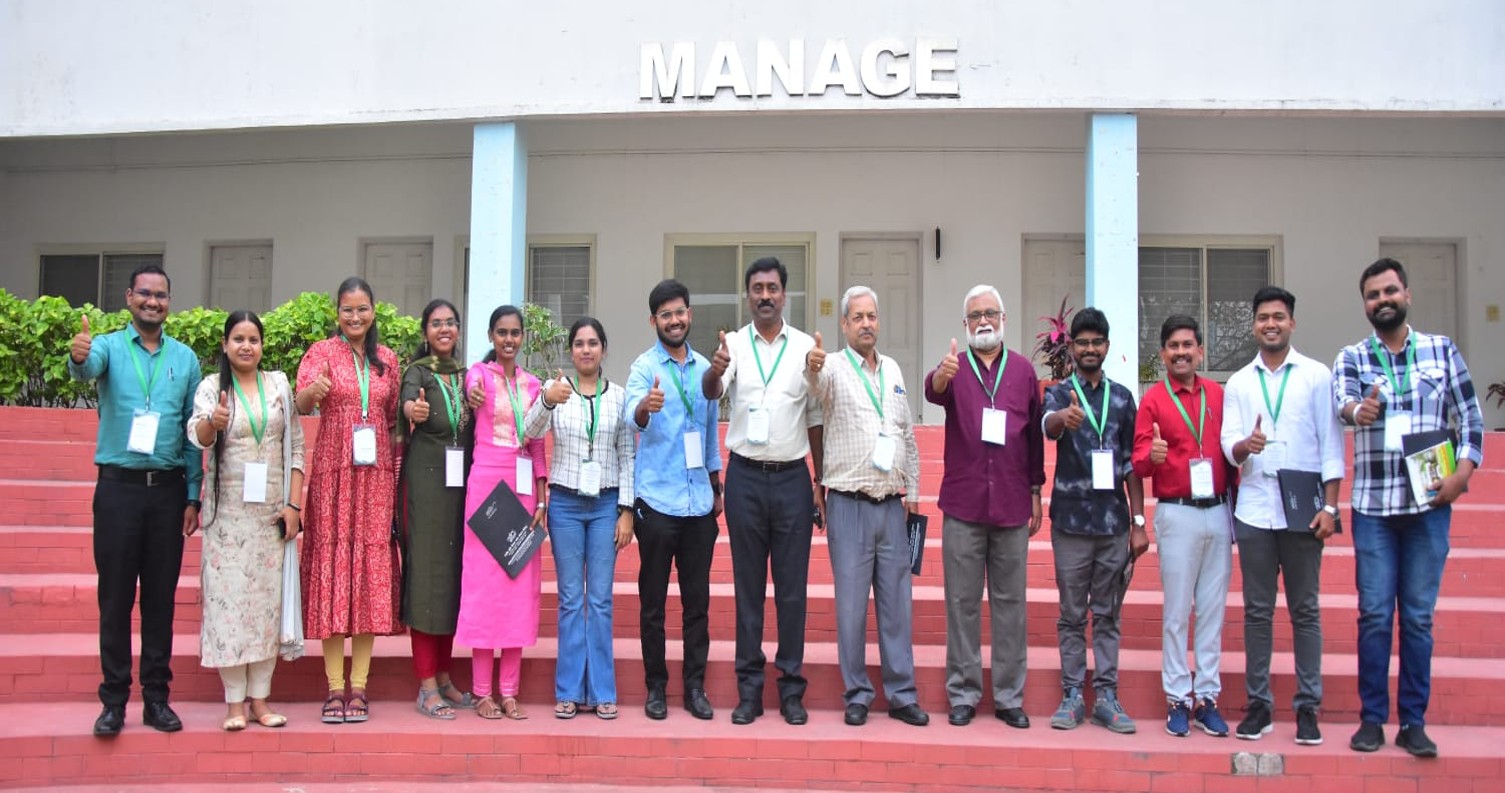
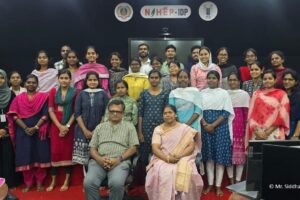
The workshop also provided an opportunity to reconnect with participants of the National Young Professionals Development Programme (NYPDP), a platform designed to help young scholars develop a broader understanding of contemporary extension research, practice, and policy and building a network of young extension professionals across India. Meeting many of them again was a reminder of the lasting value of the programme in encouraging professional relationships and peer learning beyond the programme itself.
CONCLUSION
Overall, the MANAGE Dialogue 2026 offered a critical reflection on the present condition and future direction of agricultural extension systems. It provided valuable insights into extension as a dynamic system influenced by social, technological, and institutional forces, emphasizing the importance of systems thinking, contextual understanding, and human-centred approaches in agricultural advisory services.
As a young graduate, engaging with the perspectives of experienced practitioners enabled deeper reflections that are often not captured in conventional academic learning. The dialogue reinforced that the future of agricultural extension lies not merely in technology transfer, but in developing inclusive, adaptive, knowledge-intensive, and human-centred systems capable of responding to the complexities of contemporary agriculture.
I sincerely express my gratitude to National Institute of Agricultural Extension Management (MANAGE) for organizing this valuable Dialogue that brought together diverse stakeholders from the field of agricultural extension. It was truly a privilege for young graduates like me to participate, interact, and learn from the rich experiences and insights shared by the experts. I eagerly look forward to the next MANAGE Dialogue 2027, scheduled from June 7–11, 2027.
 Thirumalai Nambi is an Intern at the MANAGE Centre for Innovation and Agripreneurship (MANAGE-CIA), Hyderabad. He completed his Master’s degree in Agricultural Extension Education from the University of Agricultural Sciences, Dharwad. His areas of interest include agripreneurship and rural development. He can be reached at tnambi2001@gmail.com.
Add Comment