
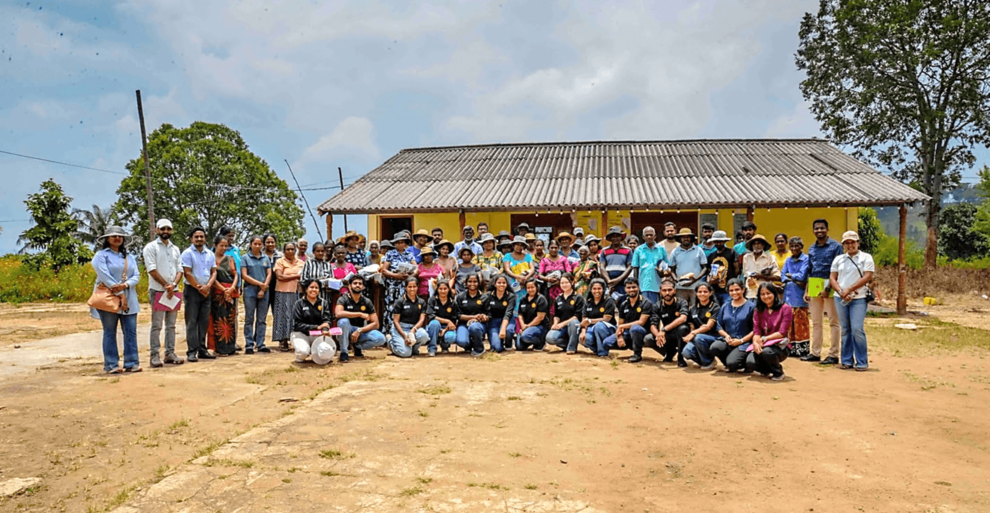
Universities must prepare agricultural graduates to value local knowledge, engage respectfully with farming communities, and apply learning in real-world contexts. In this blog, Kumudu Kopiyawattage explores how the Productivity Enhancement Training (PET) programme at the Department of Agricultural Extension, University of Peradeniya, helps students become facilitators who connect technical knowledge with farmers’ experiences and decisions.
CONTEXT
Learning agricultural extension is not just about knowing the science. It is about understanding people, listening to their experiences, and helping knowledge become useful in their everyday lives.
For ten final-year undergraduate students from the Department of Agricultural Extension, Faculty of Agriculture, University of Peradeniya, the Productivity Enhancement Training (PET) programme (Box 1) offered an opportunity to see what agricultural extension means beyond the classroom. This program is a two-credit practical program offered through 60 hours over 15 weeks.
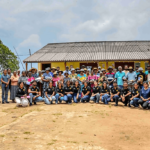
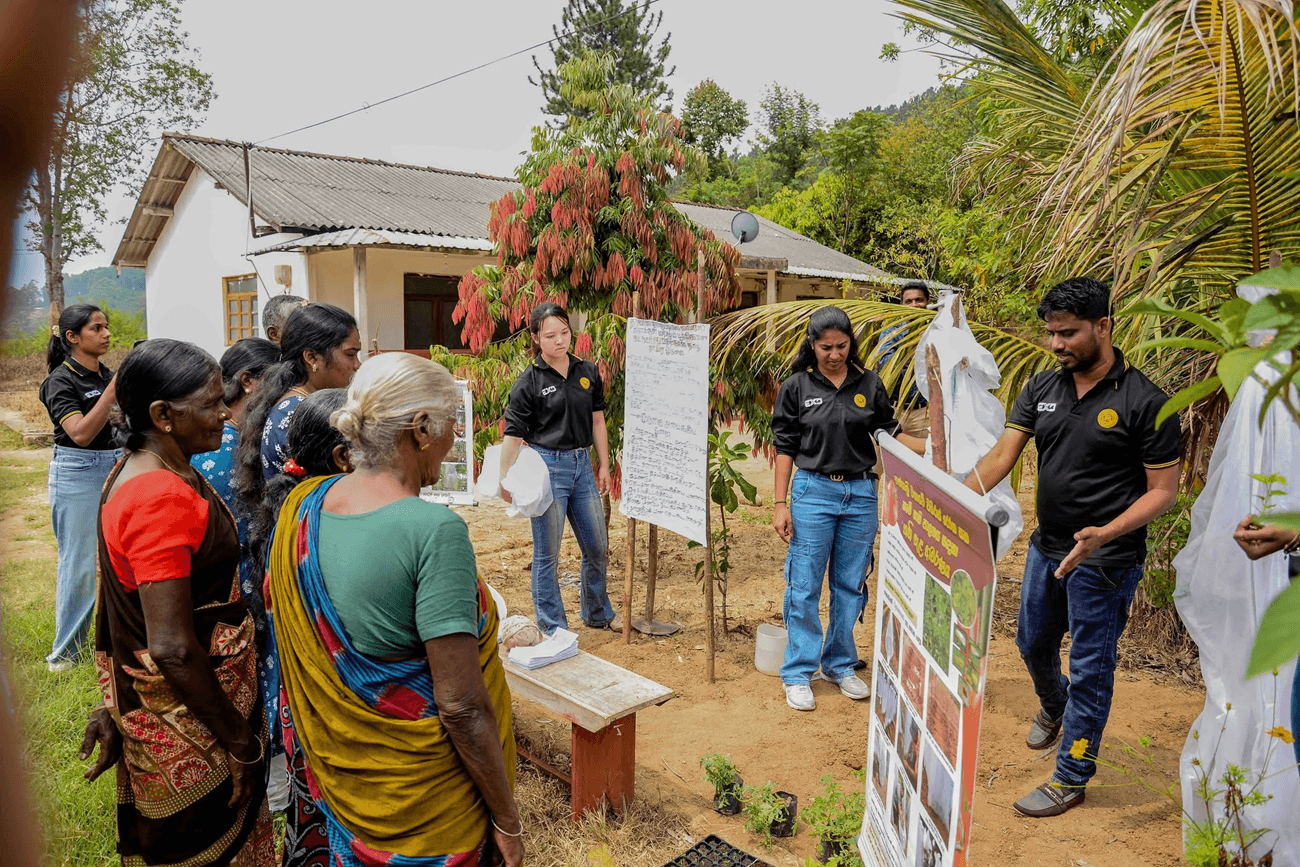
In 2026, the programme brought students into direct contact with farming communities in Bawlana Janapadaya, a rural agricultural village, where they were challenged to apply their academic knowledge to real farming situations. Rather than simply preparing lectures and delivering technical information, students had to identify farmers’ needs, prioritise practical problems, prepare suitable training sessions, and make new agricultural knowledge relevant to farmers’ existing practices.
| Box 1: Productivity Enhancement Training (PET): An experiential learning approach The Productivity Enhancement Training (PET) programme at the University of Peradeniya, Sri Lanka, provides Agricultural Extension majors with opportunities to apply extension and communication principles through direct engagement with farming communities. The 15-week programme described in this article involved ten students enrolled in the relevant course. The farming village was about an hour’s drive from the University campus. Through practical activities with farmers, students developed their skills in communicating agricultural information, preparing extension materials, and facilitating farmer learning. All sessions were conducted in both Sinhala and Tamil, and posters and leaflets were developed in both languages to accommodate the linguistic diversity of the farming community. Student performance was assessed through a training programme portfolio documenting their field activities, extension materials, practical performance, and reflective learning. This experiential learning through PET complements classroom-based instruction by enabling students to recognise local knowledge, respond to farmers’ needs, and adapt their communication to diverse real-world contexts. |
FIRST, LISTEN TO THE FARMERS
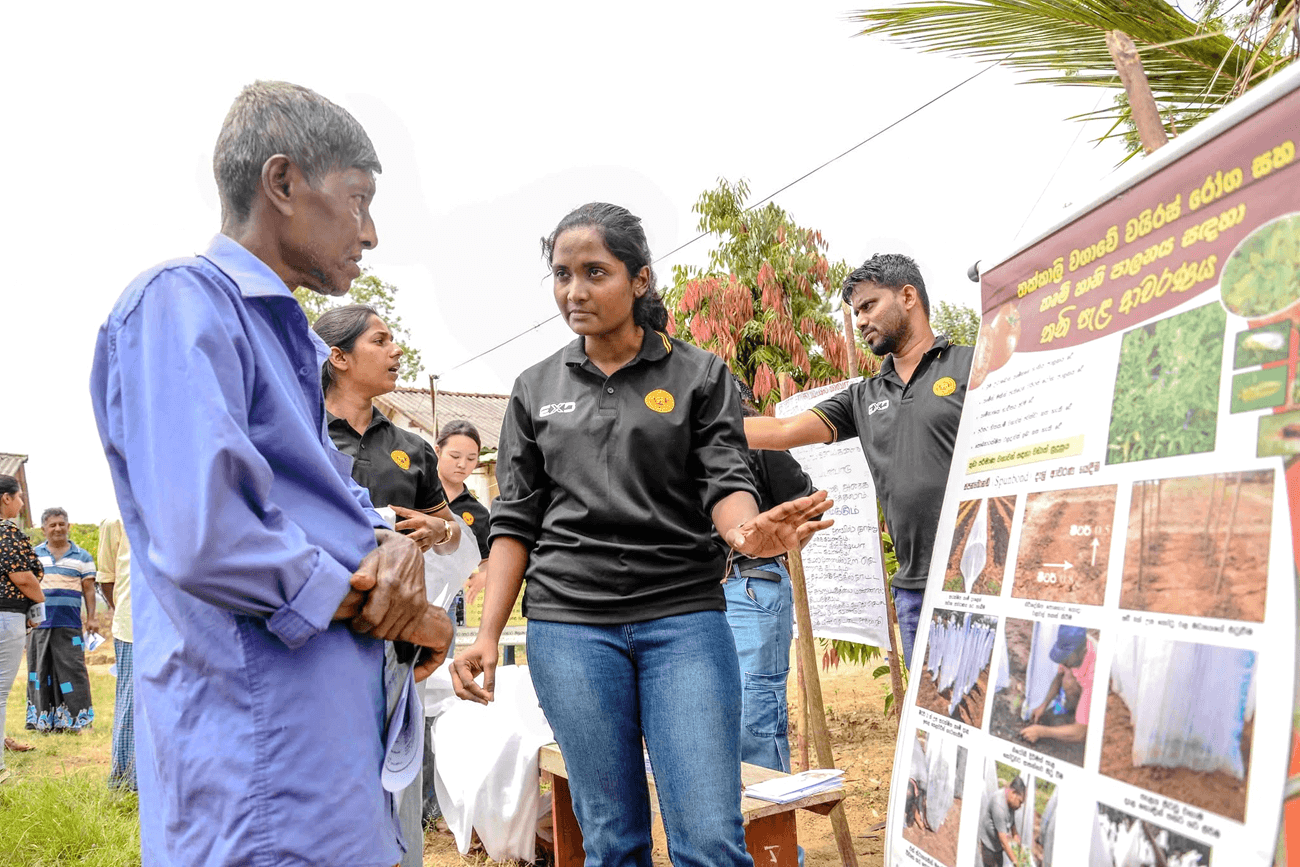
During their initial community visits, students observed farming practices, spoke with farmers, and consulted agricultural officers to identify the issues that mattered most to the community. They soon realised that farmers were not simply waiting for university students to teach them how to farm. Many already had considerable practical experience, including knowledge of organic farming, traditional crop management, and resource use.
This challenged some of the students’ initial assumptions. They began to recognise that farmers’ knowledge was an important starting point for designing meaningful training. As one student reflected, farmers often knew how to carry out particular practices but did not always know the scientific reasons behind them. Explaining those reasons could help farmers better understand their crops and make more informed decisions.
The students’ task, therefore, was not to replace farmers’ knowledge with scientific knowledge, but to connect the two.
FROM LECTURES TO LEARNING BY DOING
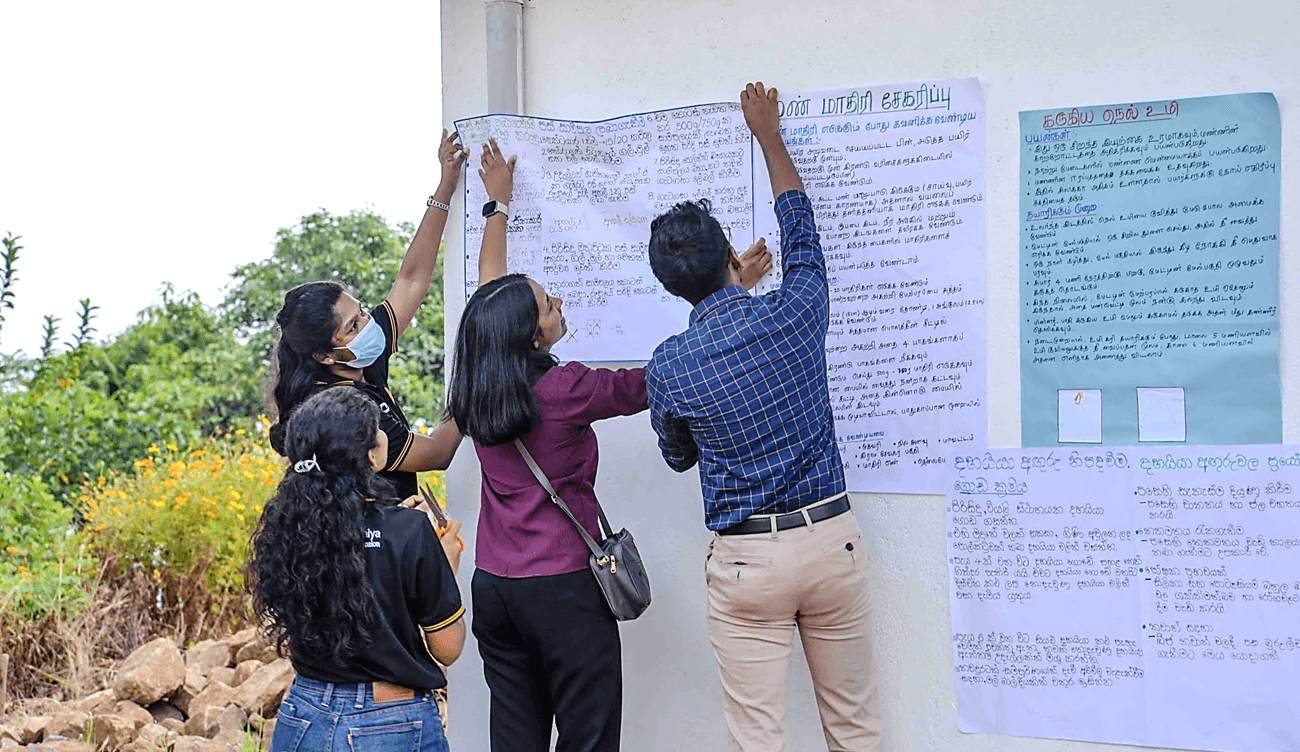
The students prepared training sessions around practical issues identified in the community. Topics included nursery management, vermicompost production, plant protection, and using single-plant crop covers.
They consulted subject specialists and agricultural institutions, including the Horticultural Crops Research and Development Institute (HORDI), to strengthen their technical knowledge and prepare relevant demonstrations.
But knowing the subject was only part of the challenge. The students also had to learn how to communicate it effectively.
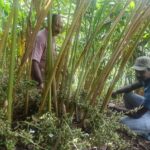
Practical demonstrations became a particularly valuable part of the experience. One student recalled how a demonstration on plant spacing helped a farmer understand why crops were not growing as expected. Another described farmers’ surprise when they discovered that single-plant crop covers could be a practical option for small-scale cultivation.
In these moments, the training’s value went beyond delivering information. Farmers could observe a technique, ask questions, relate it to their own experiences, and consider how it might work on their farms.
The students also learned that training plans must remain flexible. When space was insufficient for every farmer to practise installing crop covers, they had to adapt their delivery. When fuel constraints prevented a planned soil-testing activity, they had to work within the available resources.
These experiences demonstrated that effective field training requires preparation, but also the ability to respond when circumstances change.
DISCOVERING THE VALUE OF FARMERS’ PERSPECTIVES
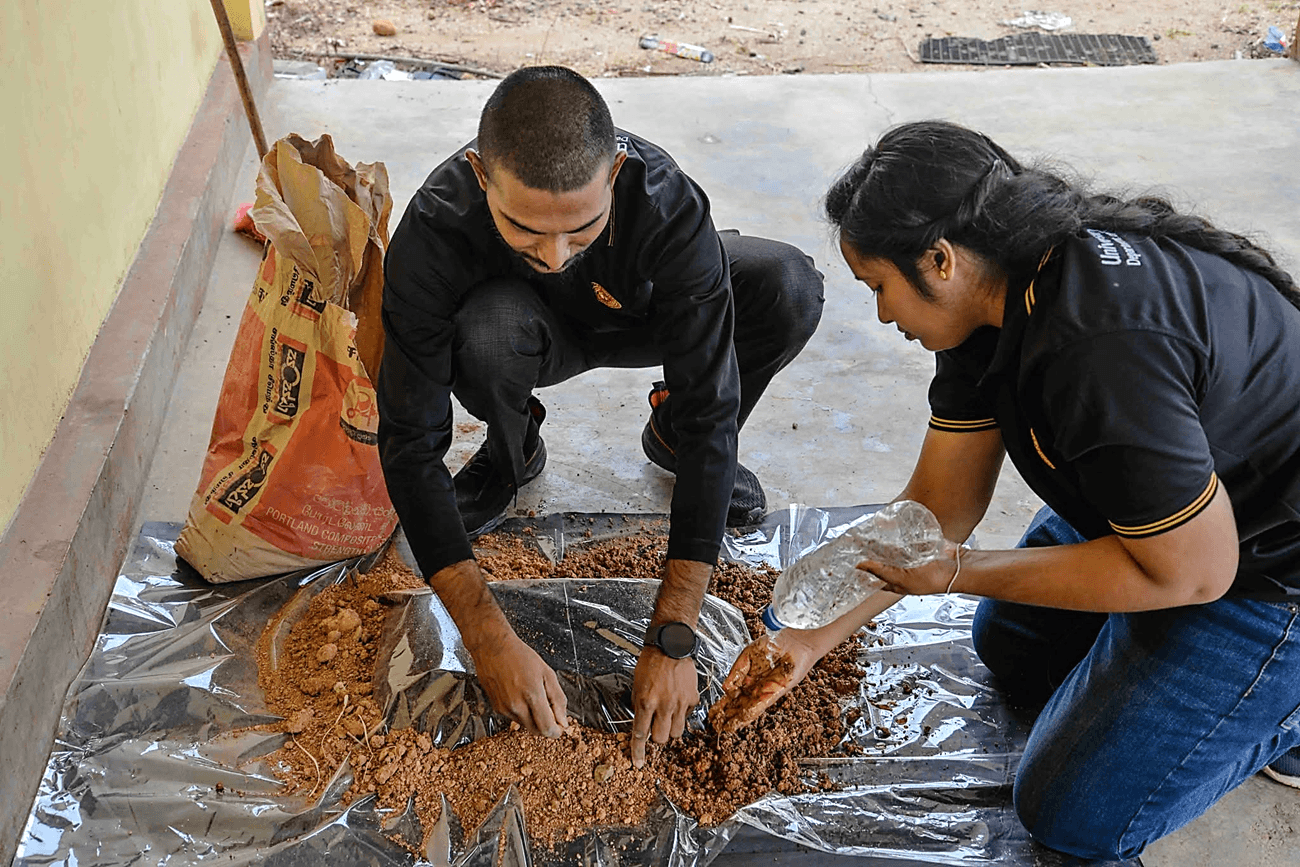
An especially important lesson emerged when students explored vermicompost production.
One student initially planned to demonstrate the preparation of vermicompost. However, after visiting the community, the student realised that farmers already had some experience with the practice. A more useful opportunity was to introduce commercial-scale production, explore market demand, and connect farmers with people experienced in commercial vermicomposting. This required the student to look beyond the original lesson plan and reconsider what would provide the greatest value to the community.
Similarly, when farmers expressed concerns about the cost and maintenance of crop covers, students recognised that introducing a new technology involves more than explaining how it works. Farmers also need to understand its practical feasibility, potential benefits, and financial implications.
These encounters helped students appreciate that agricultural extension is not simply about encouraging farmers to adopt new technologies. It is about understanding their circumstances and supporting informed decisions.
LEARNING TO READ THE ROOM
Field training also tested the students’ communication and interpersonal skills.
All sessions were conducted in both Sinhala and Tamil to ensure that farmers from different linguistic backgrounds could participate meaningfully. One student reflected on an incident where communication challenges arose between Sinhala- and Tamil-speaking farmers. By facilitating the discussion in Sinhala, the student helped ease tensions and ensure the session continued smoothly. This experience highlighted how language-sensitive communication can foster inclusion, build understanding, and meaningfully improve farmers’ experiences of a training programme.
Other students spoke about the importance of listening carefully, responding to farmers’ questions, and adjusting their approach according to participants’ level of interest and understanding.
The physical environment mattered too. Some students found that the late-morning heat affected both their energy and farmers’ attention. Others recognised the importance of having enough space, suitable equipment, and opportunities for hands-on practice.
These experiences highlighted an important reality of extension work: successful facilitation depends not only on subject knowledge, but also on situational awareness, empathy, and sensitivity to the people and conditions involved.
RETHINKING WHAT SUCCESS MEANS
For the students, a successful training programme was not necessarily one that attracted the largest number of participants or covered every planned topic.
Instead, success increasingly meant farmers’ engagement, questions, feedback, and willingness to consider new practices.
Some farmers expressed interest in trying the techniques introduced during the sessions. Others asked where they could obtain the necessary materials or requested contacts to learn more about commercial production methods.
One student recalled a farmer who had seen crop-cover technology elsewhere but assumed it was too complicated or expensive for small-scale use. After the demonstration and explanation, the farmer recognised that it might be feasible on their own farm.
Such moments reminded the students that the value of training lies not merely in what trainers deliver, but in what participants understand and find useful.
At the same time, the experience revealed areas for improvement, including scheduling sessions with weather conditions in mind, providing sufficient space and materials for practical activities, and rehearsing activities as a team before entering the field. These reflections offer valuable lessons for planning future programmes.
PREPARING FUTURE EXTENSIONISTS FOR THE REALITIES OF THE FIELD
The PET programme provided more than an opportunity to practise agricultural communication. It challenged students to reconsider their roles as future extension professionals.
They shifted from students who acquire and present technical knowledge to facilitators who help farmers connect that knowledge with their own experiences and decisions.
This is an important part of agricultural extension education. Universities must prepare graduates not only to understand agricultural technologies, but also to work respectfully with diverse farming communities, recognise local knowledge, communicate across social and linguistic differences, and adapt learning activities to real-world conditions.
For the ten students, the programme became a practical lesson in the human side of agricultural extension.
Sometimes, the most important lesson for a future extensionist is not how to teach farmers something new, but how to recognise what farmers already know, understand what they need, and learn alongside them.
 Dr. Kumudu Kopiyawattage is a researcher and academic at the Department of Agricultural Extension, Faculty of Agriculture, University of Peradeniya, Sri Lanka. Her teaching and research interests include agricultural extension education, adult learning, farmer behaviour and decision-making, gender and development, and sustainable rural livelihoods. She is particularly interested in experiential learning approaches that strengthen future agricultural professionals’ capacity to engage meaningfully with diverse farming communities. She can be reached at kumuduk@agri.pdn.ac.lk

Add Comment